Alchemy Factory: A Potion of Promise, Half-Brewed
I’ve been playing factory games since before they were called factory games. I built conveyor belts in Dwarf Fortress when it was still a glimmer in Toady’s eye. I’ve optimized Factorio until my CPU wept. So when a new automation sim rolls in wearing a wizard’s hat and promising alchemical bliss, I’m interested. But I’m also old, tired, and have seen too many promising potions explode in the cauldron. Alchemy Factory is that potion: bubbling with potential, but volatile.
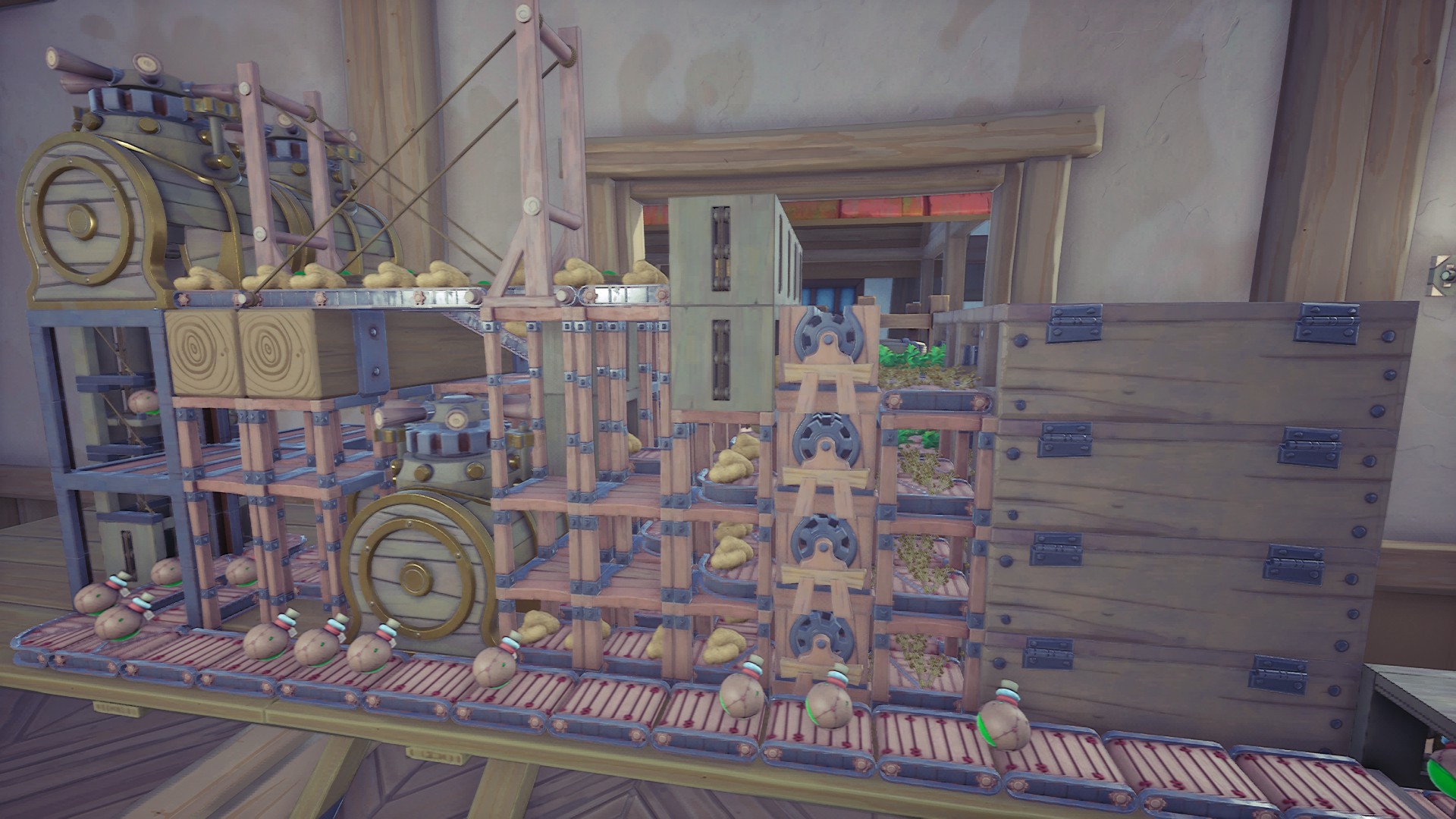
The premise is a neat twist on the genre. You’re not an engineer on a hostile planet—you’re a magic apprentice building a self-running workshop. No resource hunting, no combat, just pure logistics puzzles. You buy raw materials through magical gates using coin from your shop, then grind, extract, distill, and transmute your way to alchemical riches. The setting is charming in a low-fantasy way—wooden beams, bubbling cauldrons, conveyors that look like they were built by a medieval version of an IKEA engineer. It’s cozy, in that “I just lost four hours” kind of way.
And the core automation loop? Genuinely satisfying. The blueprint system is reminiscent of Shapez 2, and while it’s not quite as polished, it’s good enough. Area select, copy-paste, move sections—it all works once you stop clicking the middle mouse button out of habit (a lesson that took me twenty hours to learn). The compact scale is a blessing. No running across continents—everything you need fits inside your house. You stack machines vertically, cram belts into corners, and build tiny production units that can be cloned in seconds. That feeling of “oh, I need more copper powder? Ctrl+C, Ctrl+V, done” is the kind of frictionless scaling that keeps me at the keyboard until 2 AM.
The catapults and cannons are a unique addition, too. Watching items arc through the air and land precisely in a hopper never gets old. It adds a kinetic energy that most factory games lack. There’s real joy in designing a production line that looks chaotic but flows perfectly.
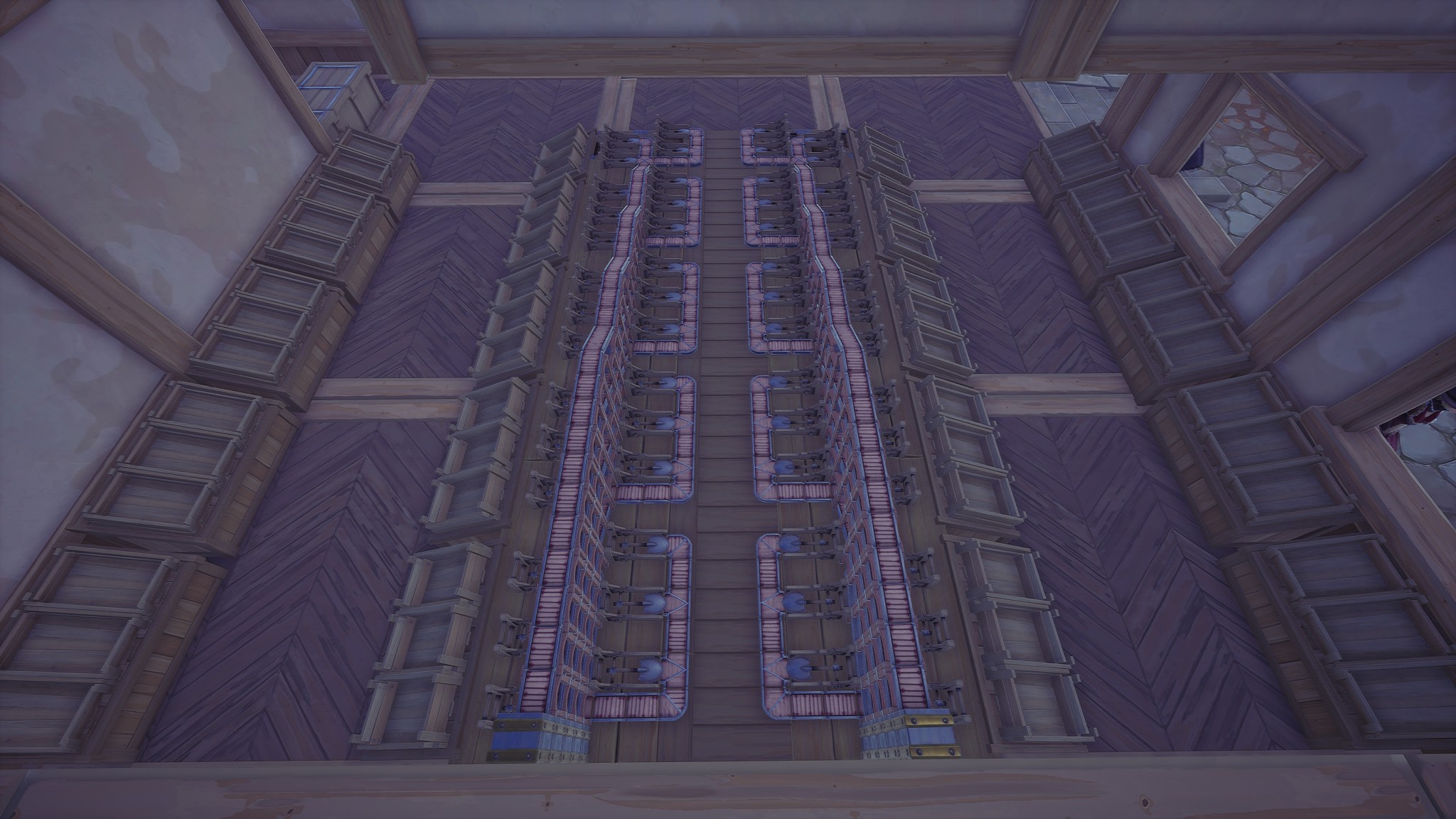
But—and you knew there was a “but”—this game runs like a three-legged horse in places. The building system, especially for anything that isn’t a production line, is janky. Want a second floor? Prepare for a hidden pillar support system that isn’t explained anywhere. Build a roof? “Not enough support” on a six-tile room. Want stairs? Hope you like the one ugly option the game gives you. I’ve read better architectural logic in a second-hand paperback. The snagging issues with ceilings when area-deleting, the inconsistent measurement units (some machines show per minute, others per 12 seconds), the hotkeys that feel mapped by someone who never played a factory game—these aren’t game-breaking, but they add up to a constant, wearying friction.
Then there’s the shop. The idea of running a physical store alongside your factory is brilliant in theory. In practice, it’s a nuisance. Early on you’re interrupted constantly by customers, requiring mindless clicks. Yes, you can automate with cashiers later, but the catapults that feed them are frustratingly arc-happy—launching an item six feet by sending it forty feet into the air, hitting your ceiling. I’ve solved harder geometry problems. And once you automate the shop, it becomes an afterthought. The money cycle feels hollow: earn platinum to buy materials to make higher-tier items that cost more platinum. There’s no satisfying sink, no real reward beyond “your number got bigger.”
The progression is another mixed brew. The first 25-30 hours are genuinely fun. You’re unlocking new machines, figuring out the alchemy cauldron (a cryptic but rewarding puzzle), compacting your spaghetti into something elegant. Then you hit Tier 4 or 5. Suddenly, a single item requires thousands of stone. The cauldron becomes a lottery with percentages. The tech tree feels arbitrary. I’ve seen this in many automation games—the point where puzzle-solving turns into grinding. Here, it hits like a wall. Several players reported abandoning saves because a patch changed how cauldrons worked, invalidating hundreds of hours of factory design. That’s not “early access jank,” that’s a betrayal of player effort.
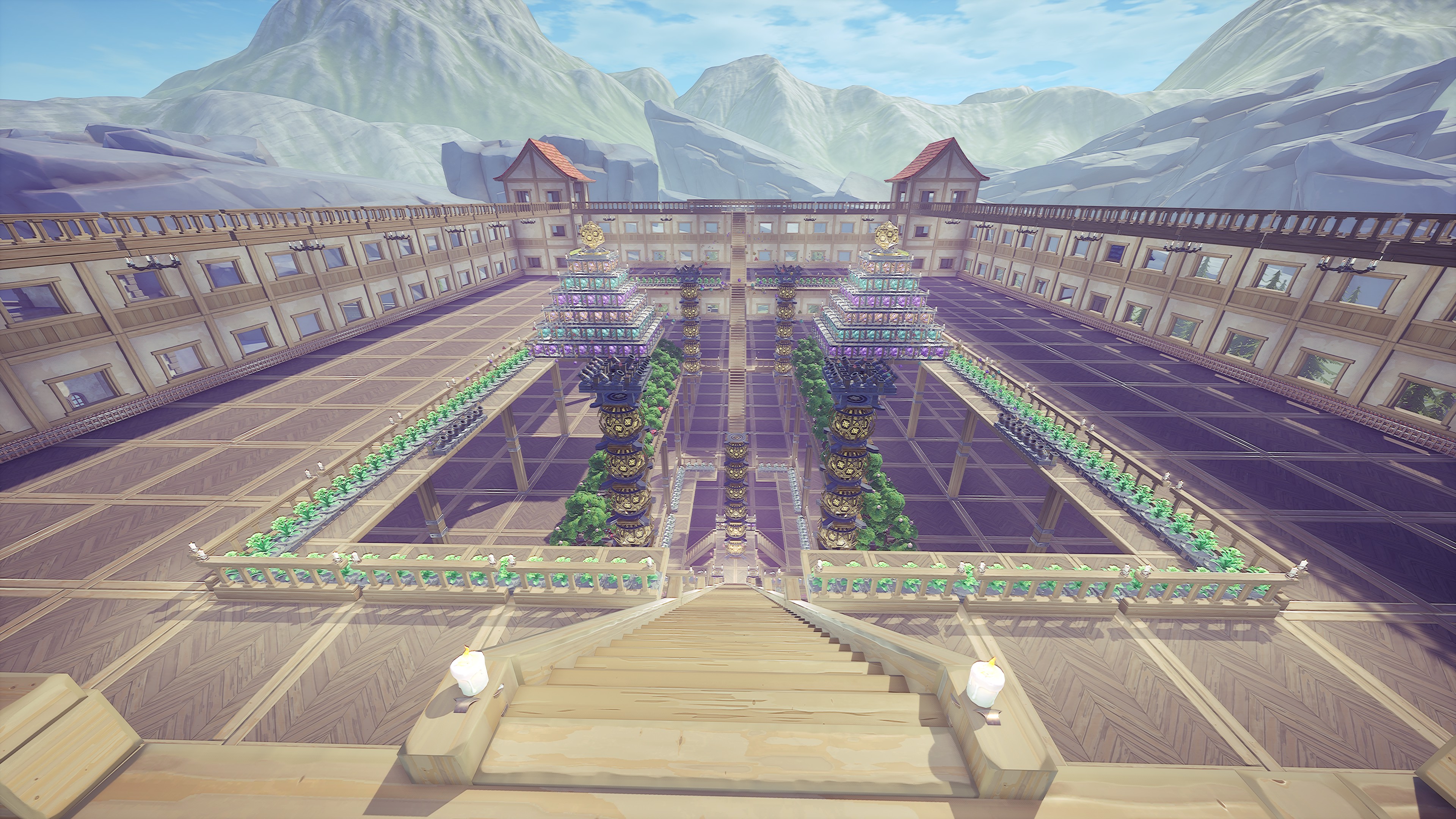
On the technical side, performance is a mixed bag. Some players report it running smoothly; others see their Ryzen 3800X chugging at 50% usage on a small Tier 5 factory. Factorio runs megabases on that chip without breaking a sweat. This, for all its visual charm, seems to struggle with scale. And if you want to tear down a machine? Good luck hauling resources out of bags scattered on the floor. The game punishes mistakes you made hours ago, as if the devs think inventory management is the fun part.
Character upgrades are nearly useless. Shorter sleep duration? I slept once to see what happened—nothing. Faster inventory restock? Why would I upgrade that when automating restock is one of the first things you do? The only meaningful upgrade is inventory capacity. The skill tree feels like an afterthought, not a meaningful choice.
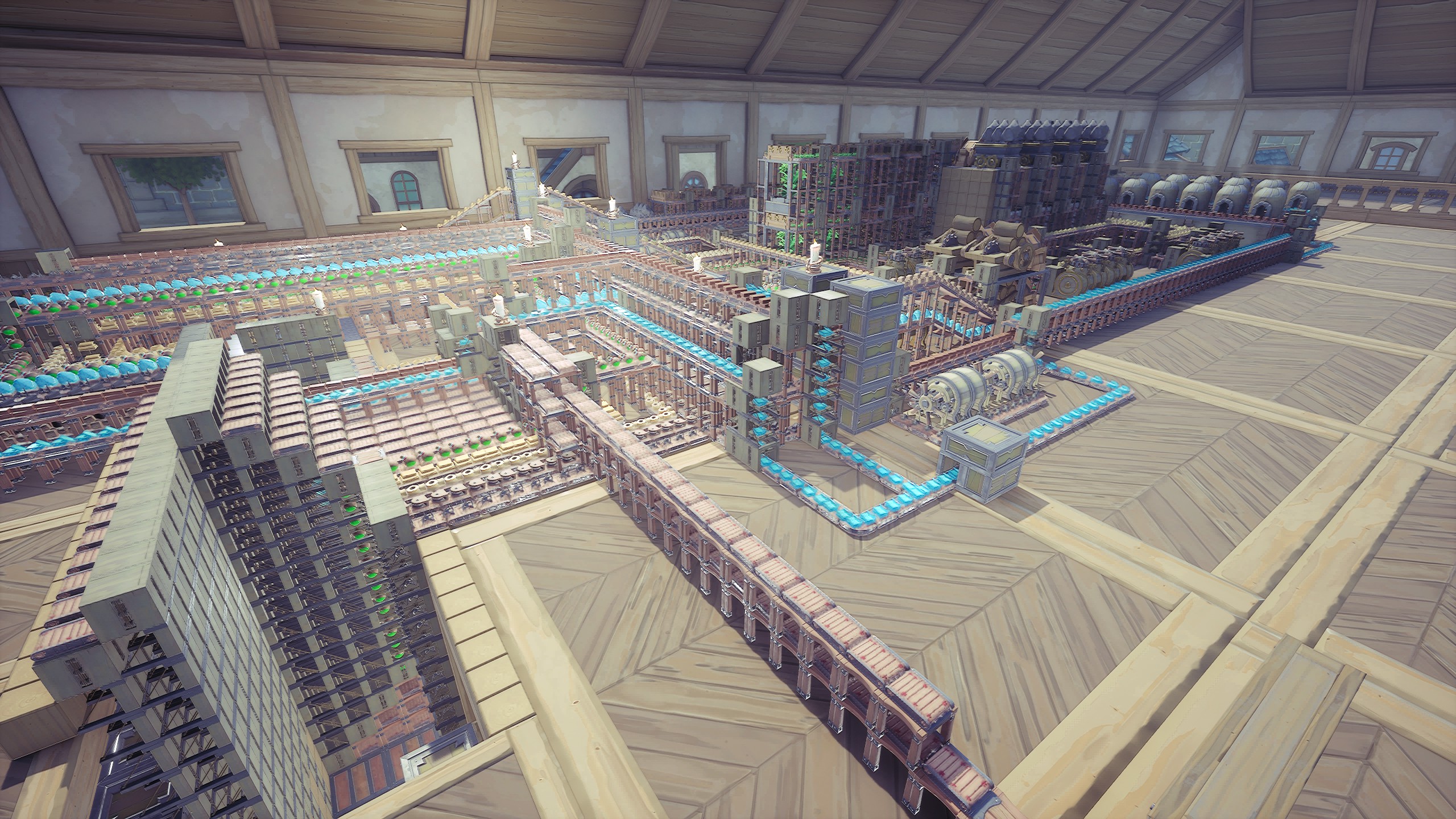
Despite all this, I can’t bring myself to be entirely negative. When Alchemy Factory works, it works beautifully. The sense of flow, of watching your creation hum, is addictive. The lack of combat and resource hunting is a genuine relief—I want to solve puzzles, not shoot aliens. The compact build space encourages clever design. And there’s a dedicated dev team making updates—some even fix things. If you’re a factory game veteran who can tolerate early-access rough edges, you’ll likely get dozens of hours of solid fun. But if you’re looking for a polished, finished experience? Wait. Let the cauldron simmer a bit longer.
As it stands, Alchemy Factory is a promising apprentice, not a master alchemist. It needs more time, more QoL, and a firmer hand on its design philosophy. For now, it’s a recommendation with asterisks. I’ll keep my save file—but I’m not holding my breath.