Anomalous Coffee Machine 2: Type a Word, Get a Headache
I’ve been playing games since before most of you were born. I remember when a strange vending machine would have been a side-quest in a good RPG, not the entire game. But here we are. HoruBrain Interactive’s sequel to their cult oddity is back, and it’s… well, it’s a lot of things. Mostly, it’s a lot of typing.
The premise is pure SCP-adjacent gold: a silent girl, a coffee machine that can manifest anything you type, and the choice to drink or offer. There’s genuine potential here for a unnerving, surreal experience. The first few cups—coffee, dirt, bees—have that proper “oh, this is going to be weird” vibe. Type “blood” and the machine whirs. Type “death” and something shifts. The mystery is real, for about twenty minutes.
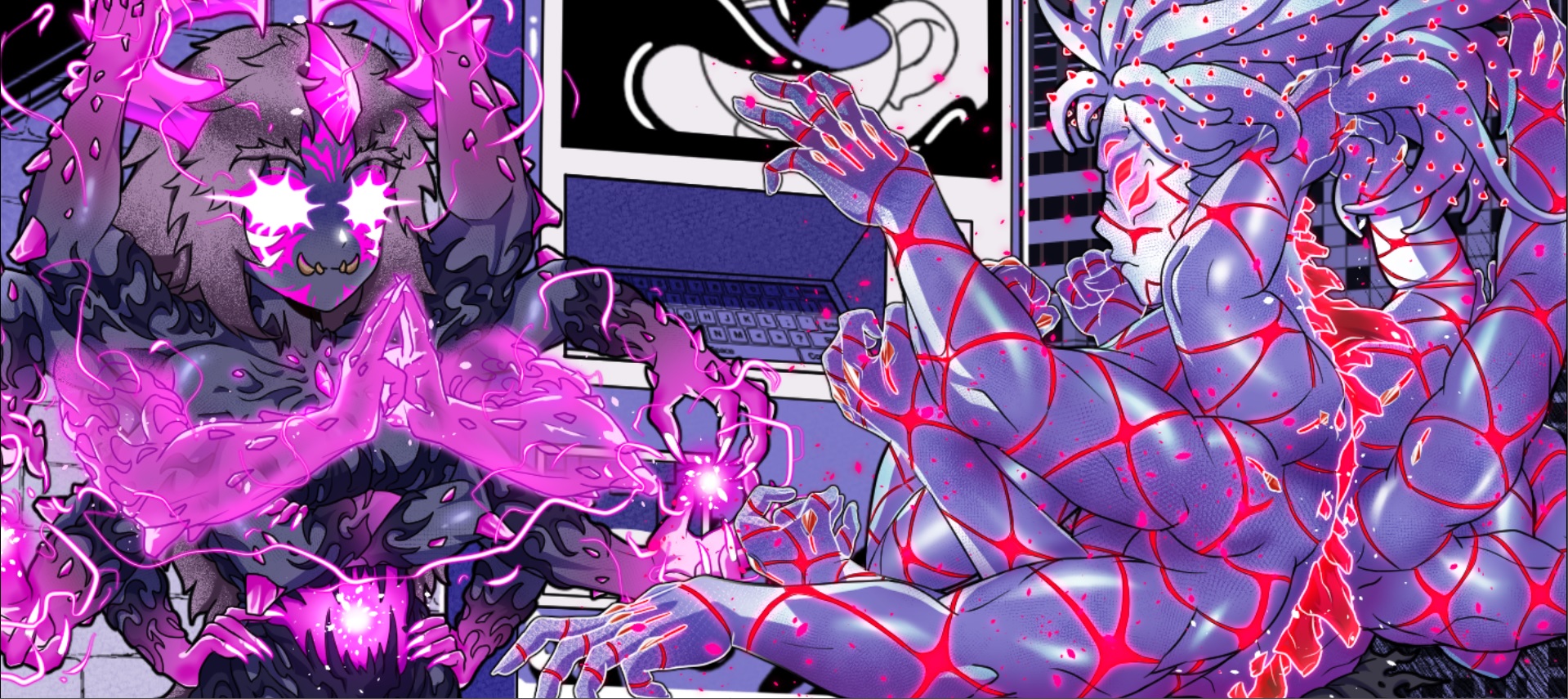
The problem, and it’s a problem that surfaces faster than a bad cup of instant, is that the game is built on an ocean of content with the depth of a puddle. There are thousands of words you can type, each triggering a transformation for either you (the player character) or the mysterious girl (Horu). Some of these transformations are genuinely impressive—body horror that would make Clive Barker nod, grotesque beauty that sticks in the mind. But many are random, low-effort scribbles that feel like they were drawn on a lunch break. The art quality is all over the map: a gorgeous, detailed dragon transformation sits next to a blurry, nonsensical mess that has nothing to do with the word you typed. Consistency? Never heard of her.
And the repetitive dialogue. Oh, the dialogue. You’ll see “Can I help you, sir?” and “Huh. An anomalous coffee machine.” so many times you’ll start hearing it in your sleep. Most cups don’t have unique reactions. Most transformations don’t have meaningful aftermath. You type a word, watch a short animation (which you can’t skip, because the developers apparently hate your time), then spam-click through the same three lines of text to get back to typing. It becomes a loop that feels less like exploration and more like data entry.
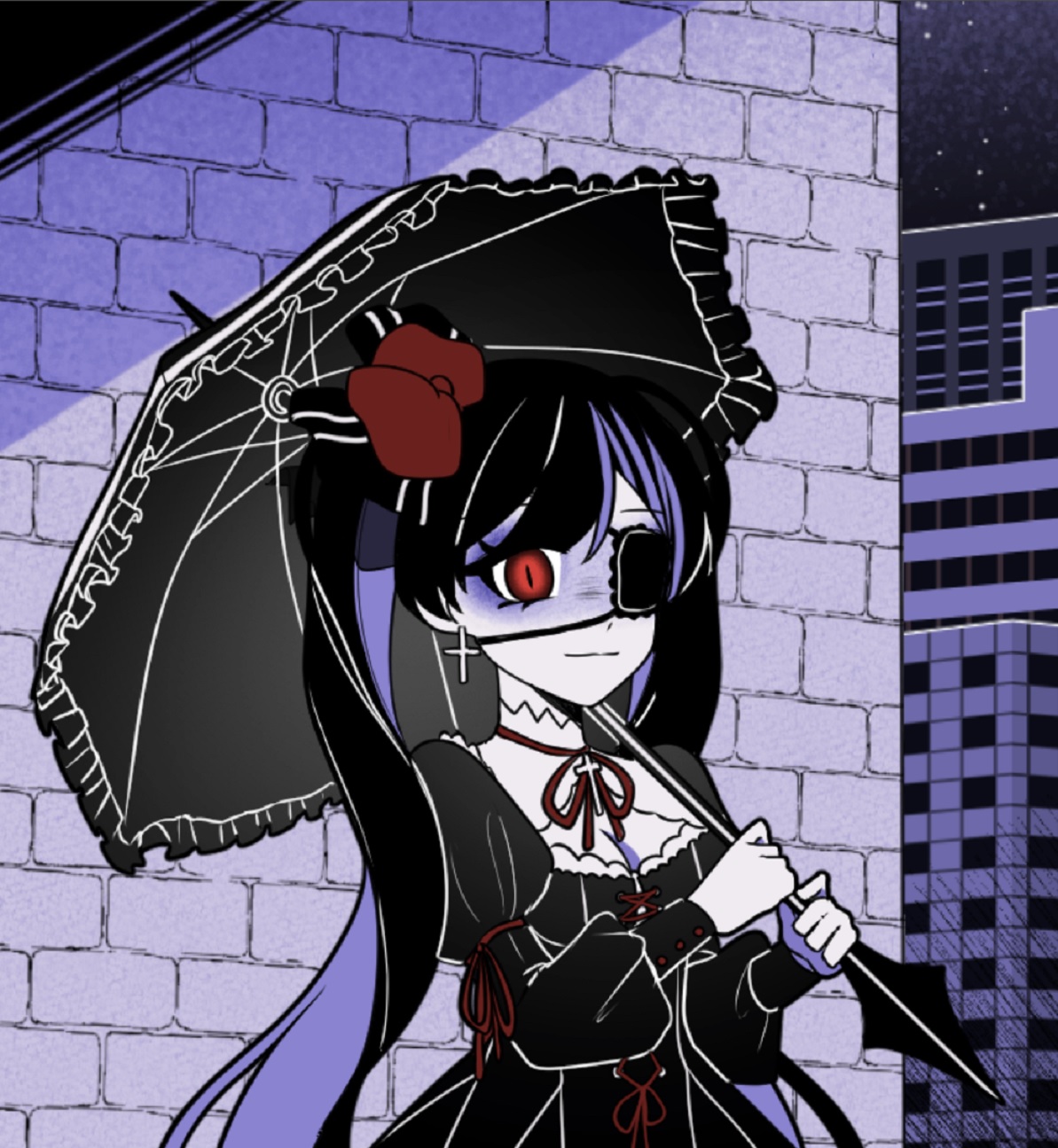
The music is a single, monotonous loop that starts as “quirky” and graduates to “please make it stop” within the first hour. The sound design is otherwise minimal. There’s no story to speak of—the girl just sits there, occasionally changing form, offering no context, no narrative thread. I’ve read better worldbuilding on a bar napkin. This isn’t a narrative; it’s a gallery with a keyboard attached.
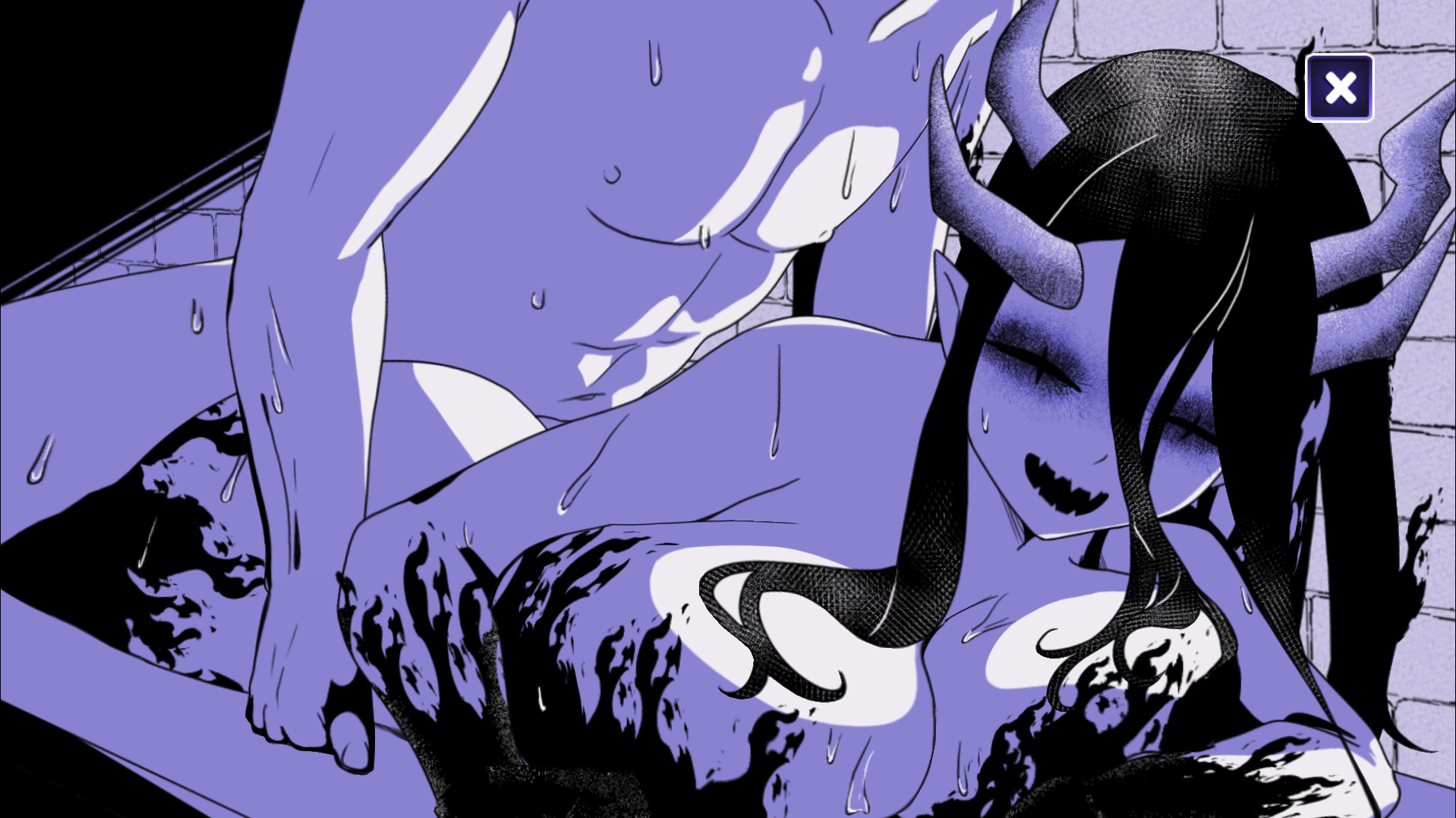
Now, let’s talk about the content toggle. The game offers an SFW mode, but it’s a leaky dam. Even in the “safe” version, you’ll find content that would make a sailor blush. The word “futanari” is in the base game, complete with a sprite that leaves nothing to the imagination. The “Service” transformation for Horu is a misshapen phallic head—blunt, juvenile, and deeply uncomfortable. The game straddles a line between grotesque body horror and outright fetish material, and it never seems sure which side it wants to land on. Some players will appreciate the audacity. Others, like me, will just sigh and wonder if the developers ran out of ideas.
The gameplay loop is simple: guess a word, see if it works. The problem is that the game gives you no guidance. You’ll type dozens of words that do nothing. You’ll eventually resort to online word lists, which defeats the purpose. The “hint” system is obtuse and often points to words no normal person would guess. The result is a grind that feels less like discovery and more like homework. One reviewer summed it up perfectly: “After a hundred words, I gave up guessing and just started clicking hints. Then I gave up on hints and opened a word list from the web.” That’s not gameplay. That’s a chore.
Performance-wise, the game runs fine on a toaster, but it has a nasty crash bug: giving Horu the “Nightmare” cup crashes the game instantly, locking you out of 100% achievements. This has been known since the 1.1 update and persists in 1.1.1. Back in my day, a game shipped complete. This runs like a three-legged horse.
The writing is also a bit rough. English is clearly not the developer’s first language, and while I don’t think AI was involved (the art is too inconsistent for that), the grammar and readability issues add to the overall clunkiness. It’s not a dealbreaker, but it doesn’t help.
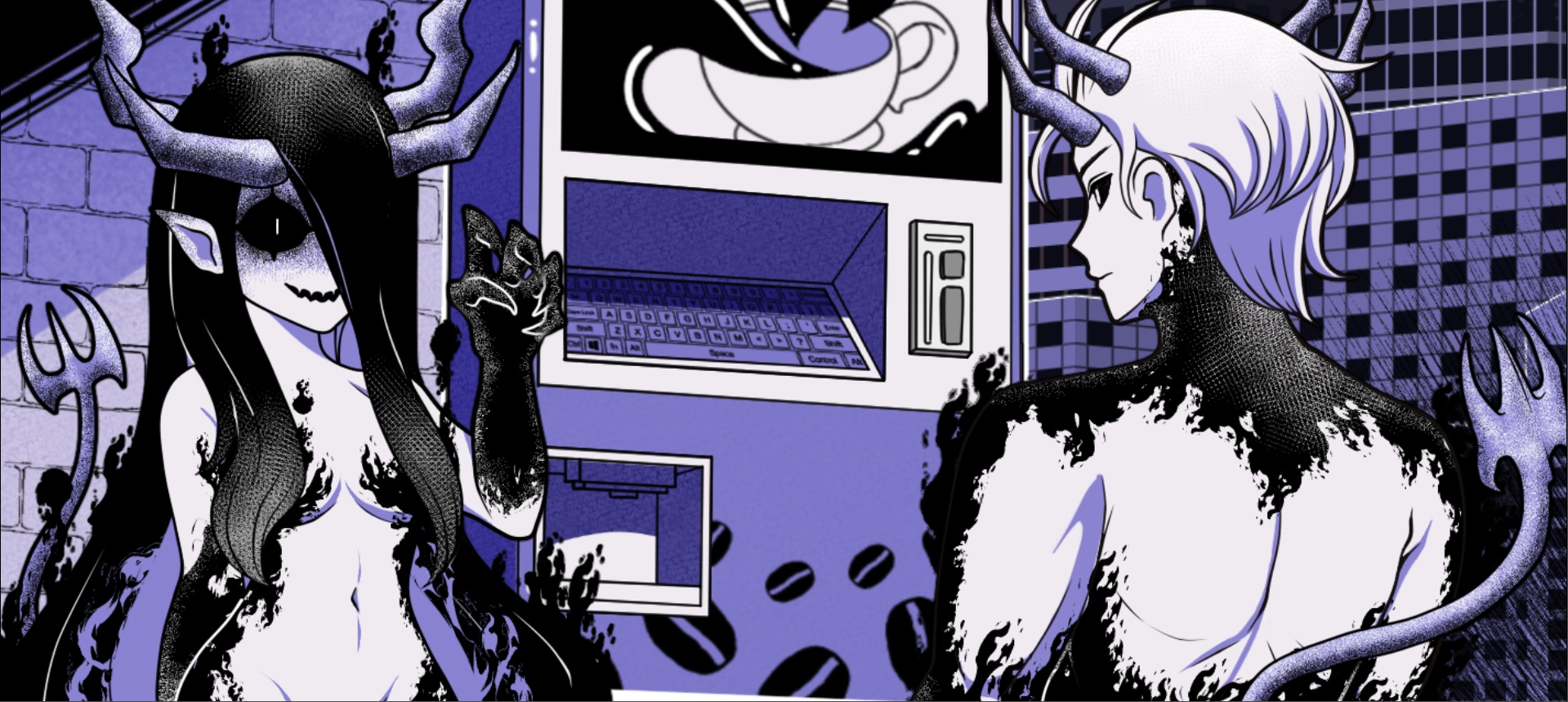
There is a niche audience that will love this. If you’re deeply into transformation fetish art, body horror, and don’t mind wading through a sea of duds to find the occasional gem, you might get your money’s worth. The sheer volume of content is impressive, and some of the designs are genuinely creative. But for most people, the novelty will wear off faster than a sugar rush. The game is a fun distraction for an hour, then a repetitive slog. It desperately needs a curated mode, a hint system that actually works, and a quality filter.
In the end, Anomalous Coffee Machine 2 is a classic case of quantity over quality. It has the skeleton of a great surreal horror game, but it’s buried under a mountain of mediocre art, repetitive dialogue, and a gameplay loop that feels like work. It’s a game that asks you to type words, and then punishes you for doing so. I’ve played more engaging flash games from 2005. Wait for a sale, and even then, temper your expectations.
Score: 4