City Car Driving 2.0: A Rough Early Access That Needs More Than Polish
I remember when a driving simulator meant you got a car, a road, and a set of rules that made sense. Back in my day, we had Midtown Madness and we liked it. We drove around cities that felt like actual places, not postage stamps. City Car Driving 2.0 is a sequel that trades on the good name of its predecessor but forgets what made the original worth booting up.
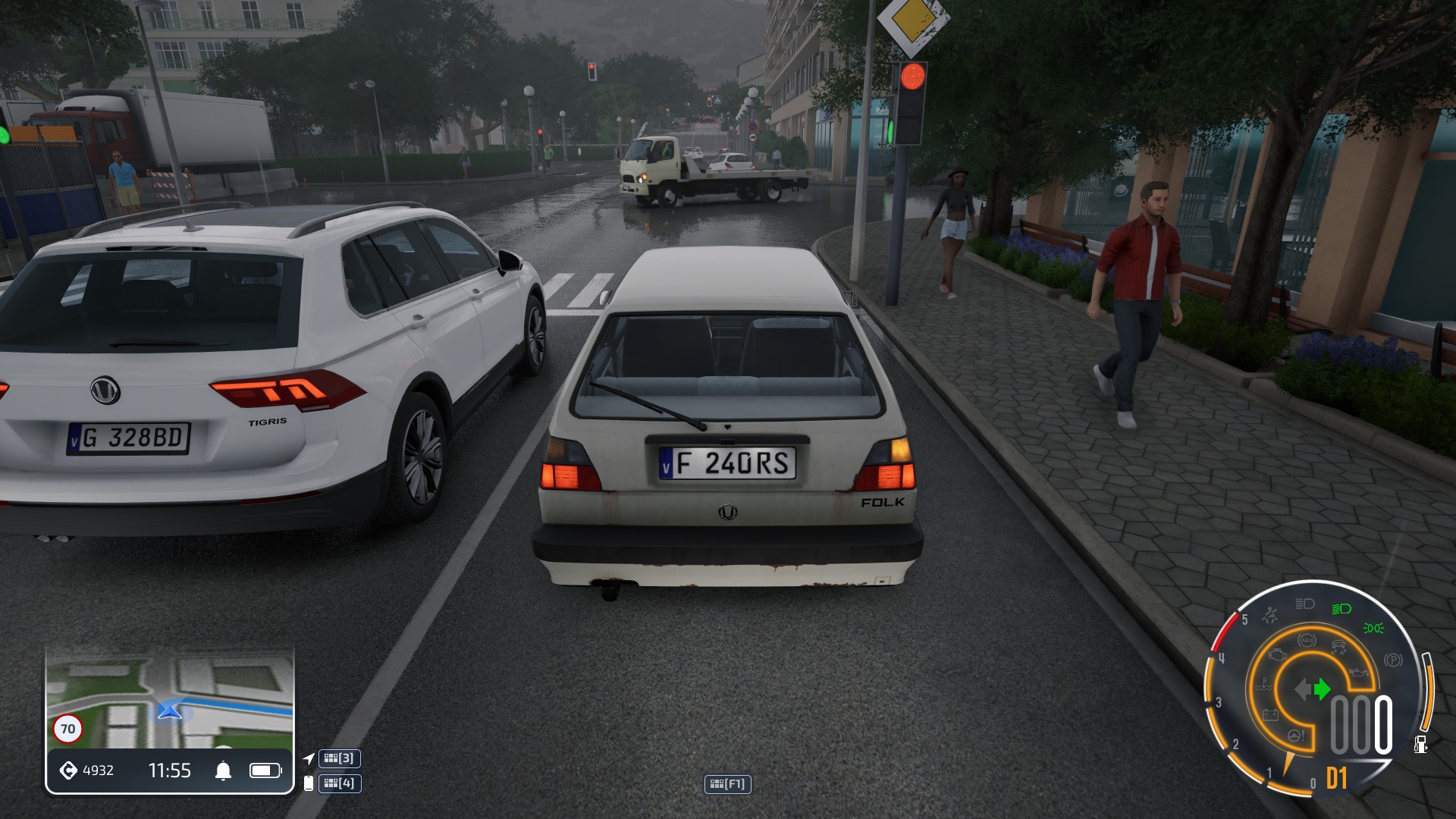
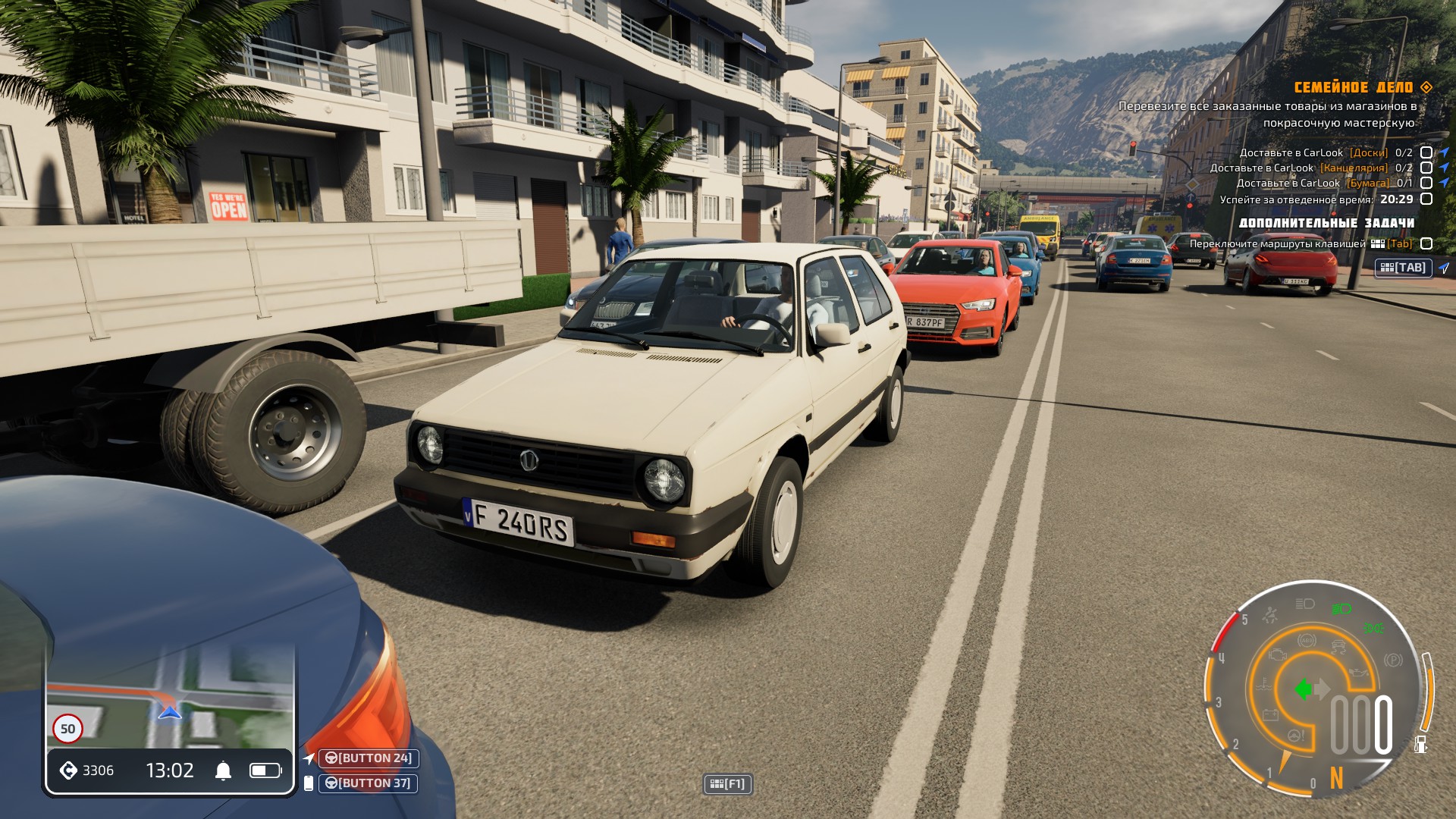
Let’s start with what works, because I’m not completely without charity. The Unreal Engine upgrade is real. The interiors have detail, the rain looks proper, and the wipers actually leave streaks. When you’re just cruising under 60 km/h, the ambient sounds and cabin acoustics create a genuinely relaxing atmosphere. The traffic AI, for all its faults, is a step up from the first game. Cars will go around you if you stop, they’ll brake-check and change lanes with some semblance of personality. That’s the kind of thing that makes a simulation feel alive.
But then you hit the first speed zone change and the illusion shatters.
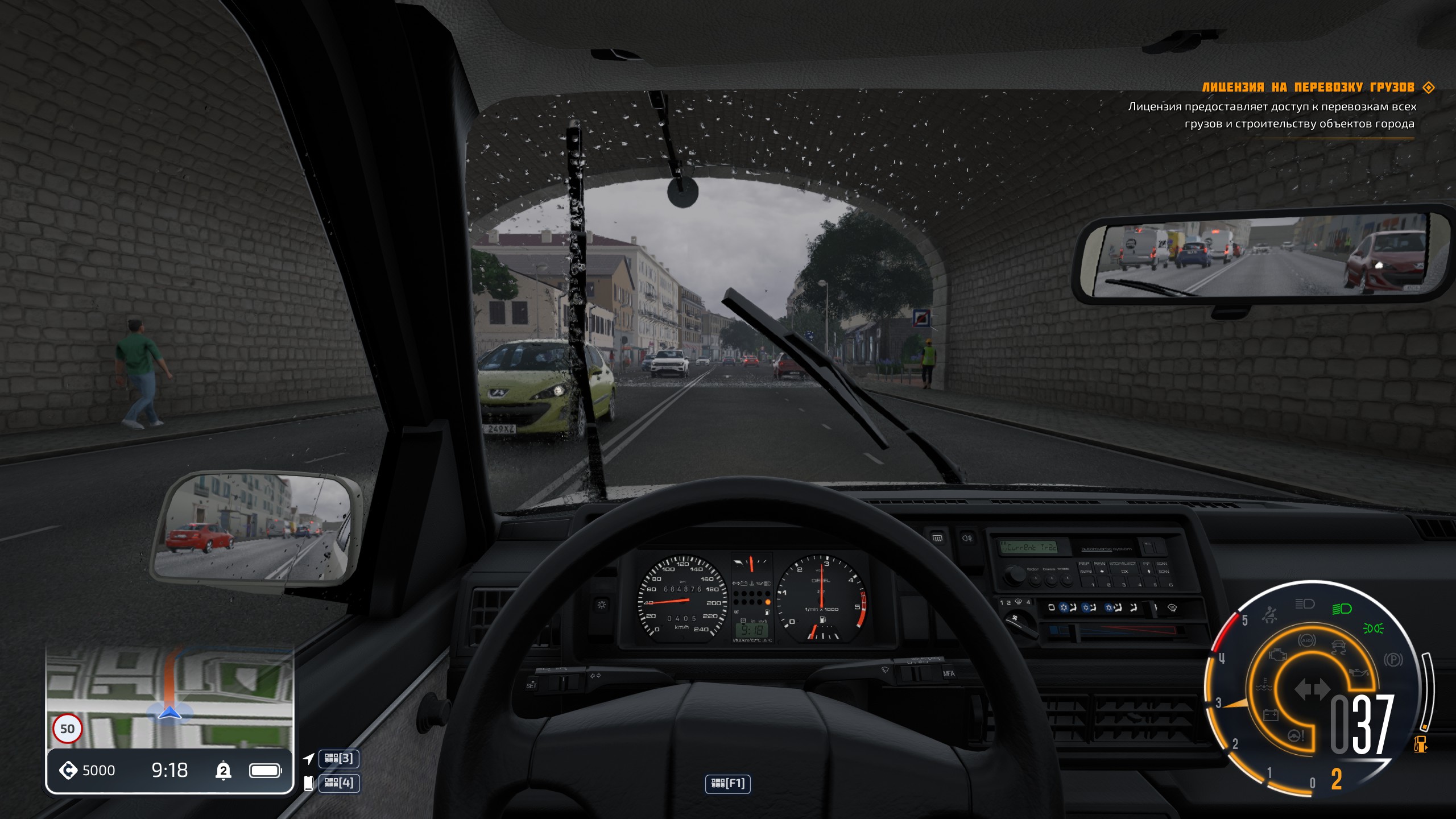
The penalty system in this game is not a simulation of real-world traffic enforcement. It’s a omniscient, zero-tolerance dictator that fines you for existing. Drop from a 50 km/h zone to a 40 km/h zone and you’re instantly penalized if you’re even 1 km/h over. The original CCD had a forgiving 5 km/h buffer. Why remove that? Going down a slope where momentum naturally increases your speed? Fine. Revving up to climb a steep parking garage ramp? Also a fine. The game doesn’t distinguish between reckless speeding and physics. And it’s not just speed. Turn signals are required in places no real driver would use them—pulling out of a marked space, pulling into your own driveway. The system feels less like a driving instructor and more like a Gestapo officer in the back seat, as one reviewer aptly put it.
And the map. Oh, the map. The city is roughly two kilometres by one kilometre. That’s about the size of Midtown Madness 1’s Chicago from 1999. Midtown Madness 2 had two cities that absolutely crush this in scale and detail. CCD1 had multiple maps. Here you get one, and you can cross it in about a minute of aggressive driving. There’s one highway that’s a single lane each side with no merging. One roundabout. That’s it. For a game that charges $25 in early access, that’s not just disappointing—it’s deceptive. The trailers show the whole city but never the boundaries until you’ve already bought it.
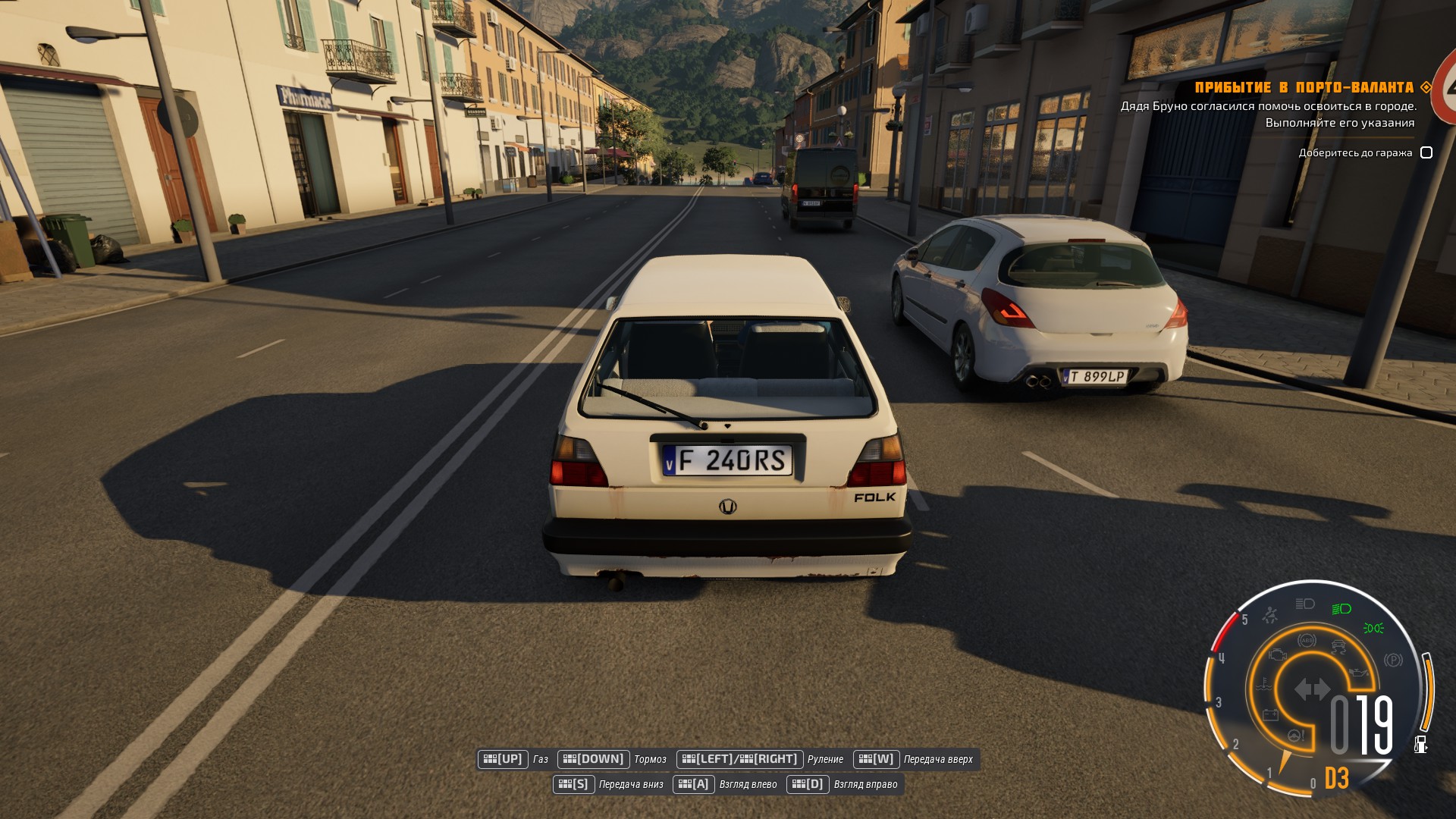
Now, I’ve read the positive reviews. Some people say the driving physics feel natural and the game is a good chill-out experience with a wheel. I can believe that. With a direct-drive wheel, the low-speed handling might feel fine. But the game clearly assumes you have a wheel, because the gamepad controls are a mess. The steering is hypersensitive—barely touch the stick and the car oversteers. The throttle jumps from zero to full send with no smooth ramp. And the cockpit camera? You can’t freely look around. The right stick snaps to preset angles—45 or 90 degrees—with no in-between. You can’t check your blind spots or look up at a traffic light. For a game that calls itself a driving simulator, that’s inexcusable.
Then there’s the AI. Despite some improvements, pedestrians will moonwalk into your path and then stop dead. If you get stuck behind an AI car that won’t move, trying to maneuver around it results in a collision fine. The AI doesn’t route around you—it just stops. And the game will happily fine you for both the obstruction and the collision. It’s a lose-lose system that punishes you for the AI’s failures.
Content is thin. Three vehicles. A handful of story missions that involve driving an annoying uncle around. No sandbox mode with delivery missions or free-roam objectives. The GPS is a tiny phone interface that’s nearly useless. The voice acting is terrible. The developers spent seven years on this, and they prioritized car pimping and gas stations over fundamental features like regional traffic law settings (which were in the first game) or head tracking support. VR? Not native, though UEVR injector works if you’re willing to tinker.
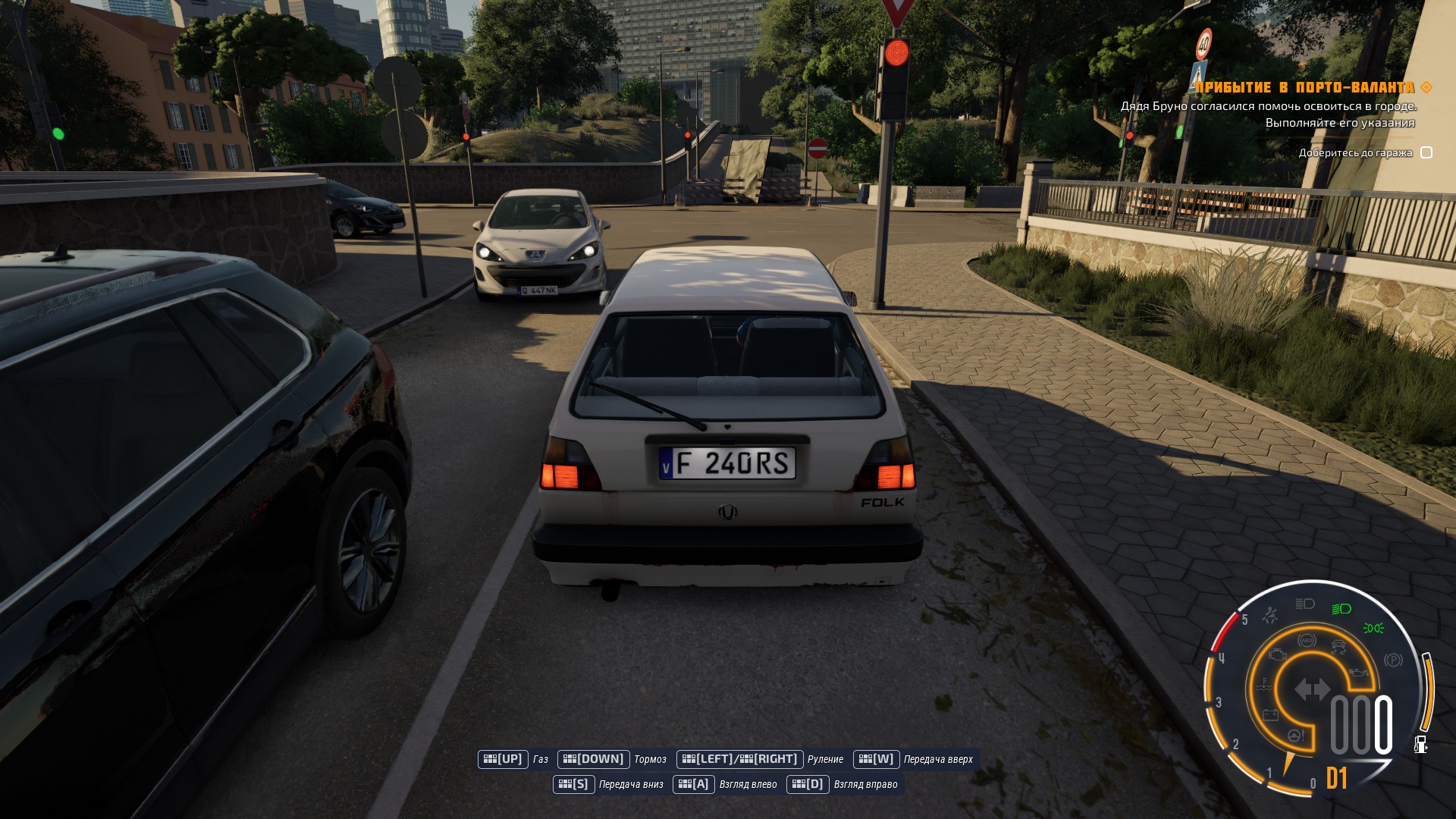
I get that it’s early access. I’ve been playing early access games since before the term existed—back when we called them betas and they were free. But early access is not a license to ship a game with fundamental design flaws. The penalty system isn’t a bug; it’s a design choice. The map size isn’t temporary; it’s what they released. The missing regional traffic laws aren’t a technical limitation; they removed a feature that worked fine in CCD1.
Some players find value here. If you have a wheel and just want a relaxed cruise on a small map with pretty rain effects, you might enjoy it. But if you’re trying to learn real-world driving, or if you want a simulator that respects your time and intelligence, this isn’t it. The original City Car Driving, which you can get for pocket change, does a better job. It has more maps, regional rules, and a penalty system that doesn’t feel like a vindictive hall monitor.
I hope the developers listen. I hope they expand the map, fix the gamepad controls, add proper free-look, bring back regional laws, and most importantly, replace the zero-tolerance penalty system with something that simulates real-world enforcement—cameras, police cars, warnings before fines. There’s a good game in here somewhere, buried under layers of overzealous design and missing content. But as it stands, City Car Driving 2.0 is not ready to teach you how to drive, and it’s barely ready to entertain you. Wait for updates. Or better yet, go play the original.