Desktop Explorer: The Ghost in the Machine
I remember when a computer was a piece of furniture. A beige monolith that hummed in the corner, smelled faintly of hot dust, and promised secrets if you knew where to click. Desktop Explorer gets that. It gets the way a folder called “Misc” could hide more than a whole library, the way a screensaver could feel like a portal, and the way an old PC could be a museum of someone else’s life. Recurring Dream has built a game that is less a simulation and more a séance, and I’m here for it, black coffee in hand.
The premise is simple enough: your uncle left you his old computer. It still boots. Inside is a letter, a strange puzzle program called Desktop Explorer, and the digital remains of a life you never knew. What follows is a psychological horror mystery told entirely through the machine’s operating system, chat logs, corrupted files, and the occasional descent into something stranger. If you’ve played Hypnospace Outlaw, you know the genre. But where that game felt like a nostalgic trip through GeoCities, this one feels like a slow, deliberate autopsy of a person’s mind. It’s not just a fake OS; it’s a haunted house made of directory trees and desktop icons.
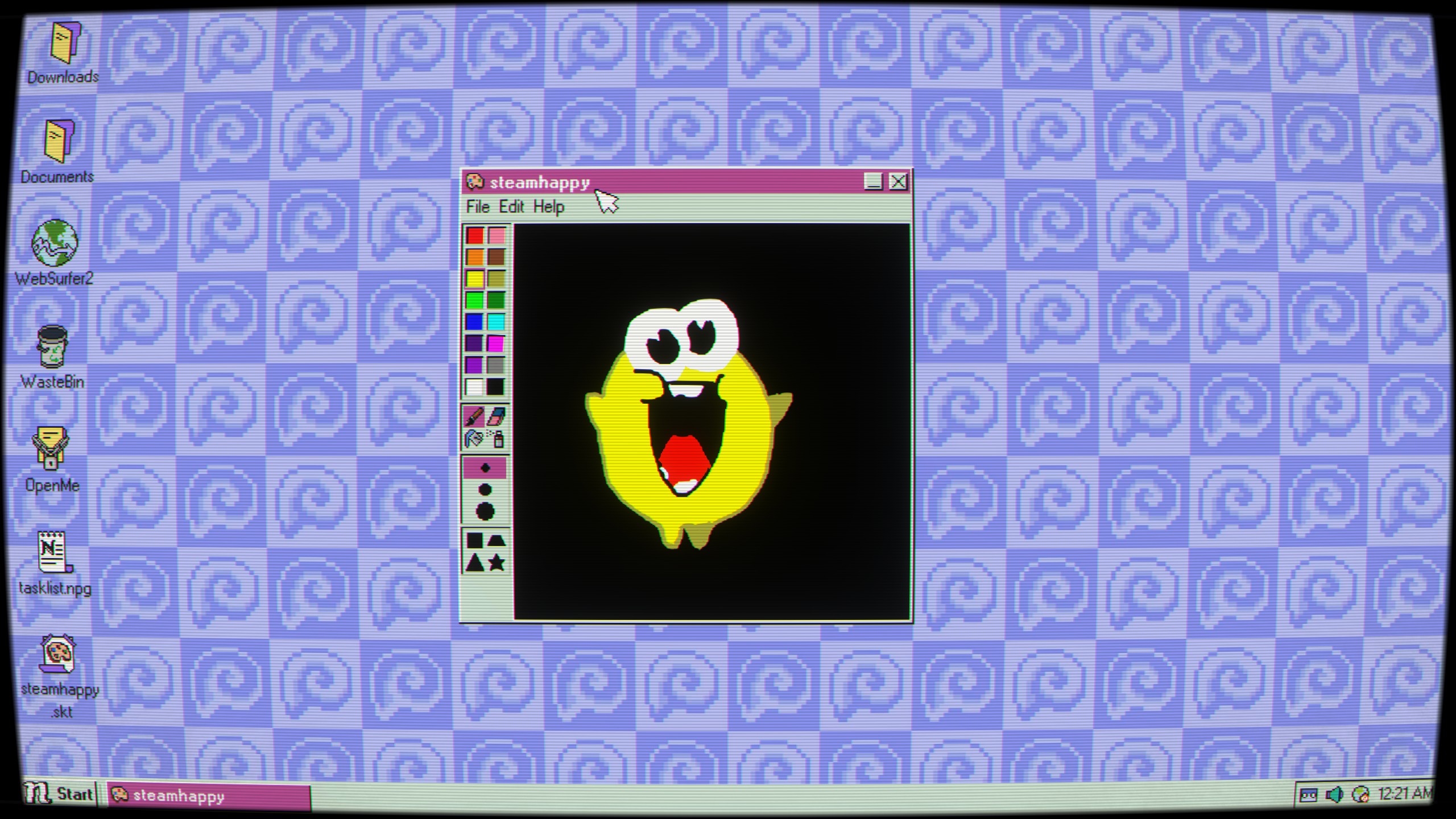
The attention to detail is staggering. The CRT curvature, the startup chimes, the way the hard drive whirs when you open a program—it all works. The sound design alone is worth the price of admission. I caught myself holding my breath while dragging a file into a folder, as if the machine might bite. It doesn’t, but it gets close. The music, a mix of lo-fi, acoustic, and genuinely haunting ambient pieces, shifts with whatever program you’re using. One moment you’re listening to a jaunty MIDI in a chatroom, the next you’re under a droning hum that feels like a headache crawling up your spine. I’ve read better worldbuilding in a second-hand paperback, but not by much.
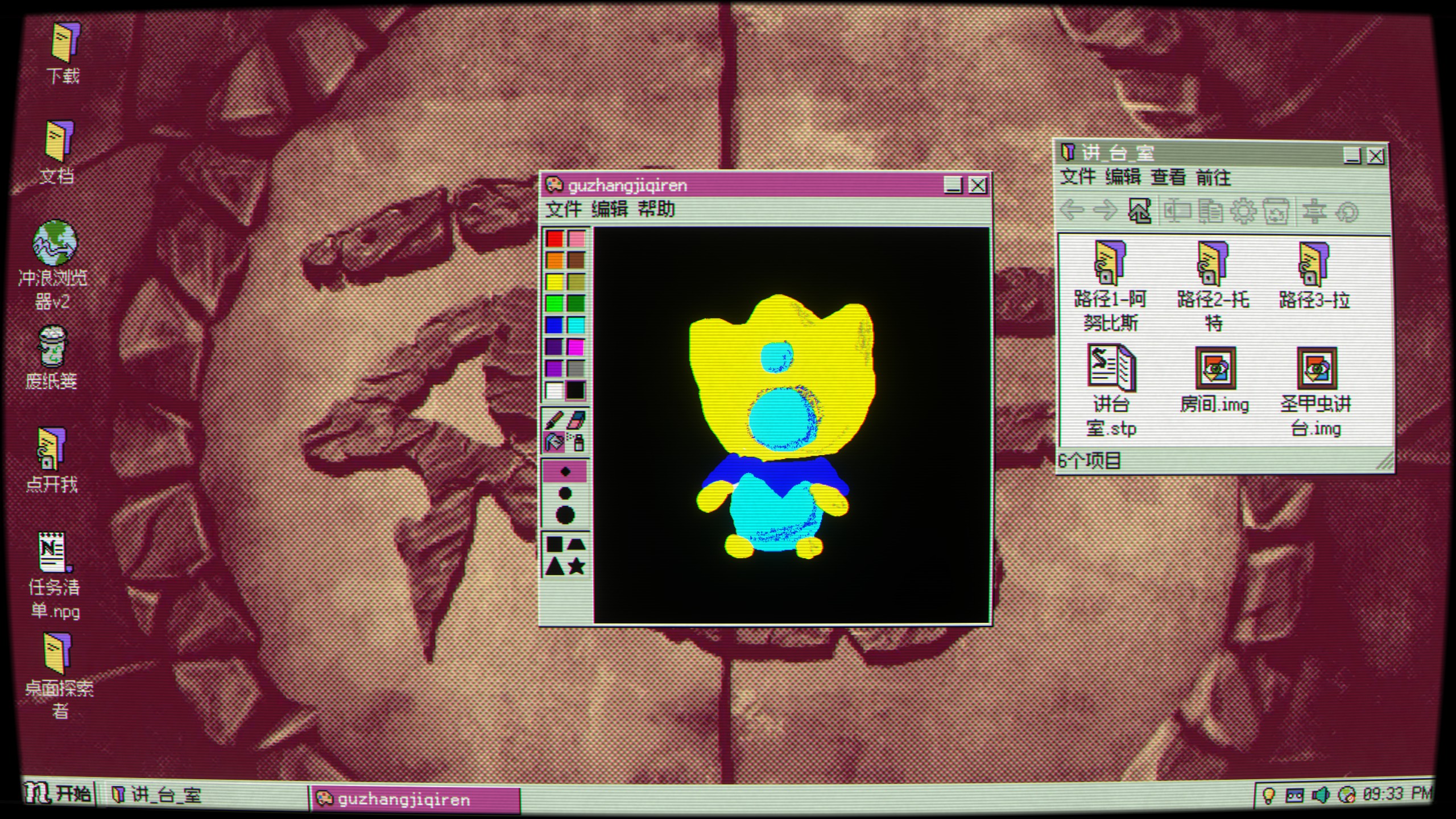
The puzzles are the heart here, and they’re mostly excellent. They use the OS as a toolkit: editing source code, compressing files, digging through browser history, even playing a text adventure that somehow ties into the larger mystery. The game respects your intelligence. It gives you the pieces and trusts you to assemble them, and when you solve something by connecting a clue from three programs back, you feel like a god. The built-in hint system is a model of restraint—it nudges, it doesn’t shove. I only needed a walkthrough once, and that was because I’d missed a single, tiny detail. That’s on me, not the game.
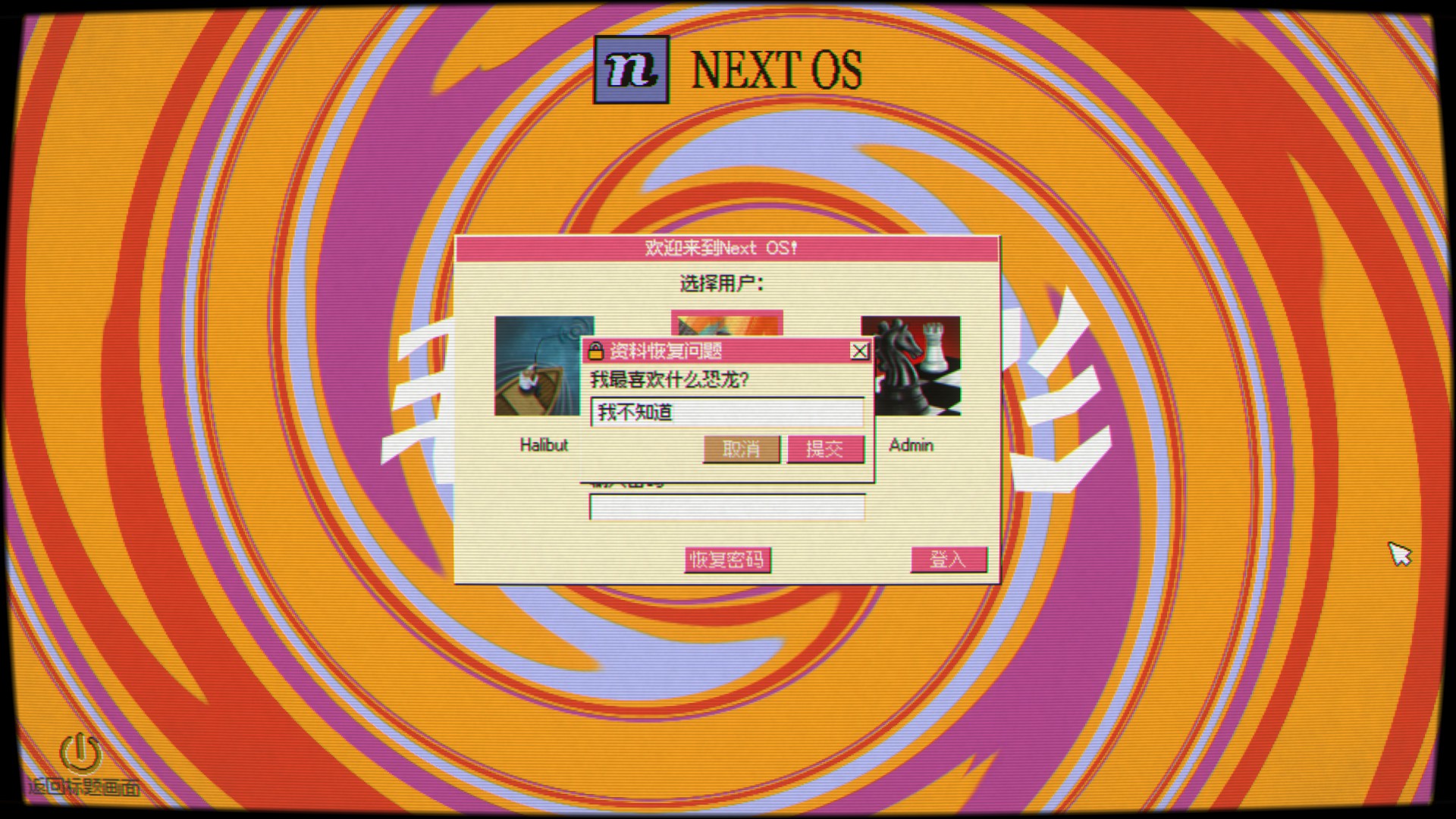
But let’s talk about the elephant in the CRT. The game is split into acts, and the first act is a masterpiece of desktop-based puzzling. The second act, however, shifts into a more traditional 3D exploration mode. It’s not bad, but it’s different. Some players will feel cheated, like the game promised one thing and then swapped it for another. I get it. The 3D sections are clunkier, the navigation slower, and the puzzles less connected. One reviewer called it “an Animal Crossing-ish system that is locked to windowed,” and while I wouldn’t go that far, the pacing does suffer. The third act picks up again, but the damage is done for some. I found myself wishing the whole game had been just the desktop. Still, the variety keeps things fresh, and the story wouldn’t work without it.
The story, though, is where Desktop Explorer truly shines. It starts as a curious mystery about an uncle and his past, and slowly unfolds into something devastating. This is not a game about jump scares or cheap horror. It’s about grief, guilt, loneliness, and the digital ghosts we leave behind. There’s a moment near the end where the Ship of Theseus comes up, and it hit me harder than any monster ever could. I’ve played games that made me cry before—Chrono Trigger’s ending, the final hours of Outer Wilds—but this one got me with a line about family legacy and identity. It’s rare for a game to make me stop and stare at the wall for a few minutes. This one did.
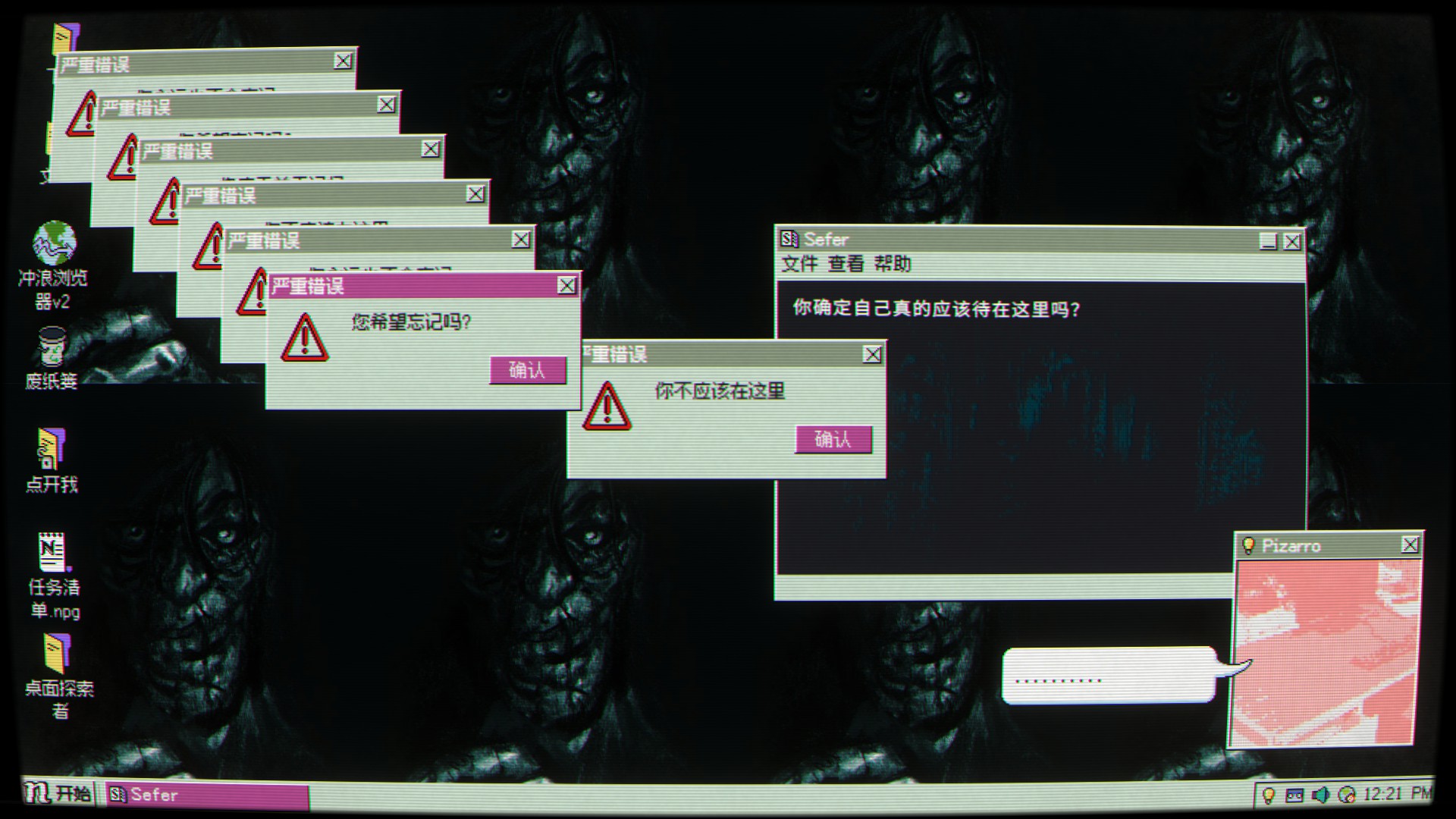
The writing is sharp, restrained, and deeply human. The characters, even the ones you only meet through log files, feel real. There’s a story about a young woman named Maxine that had me genuinely unsettled, and a subplot about a text-based adventure that weaves into the narrative in a way that’s clever without being smug. The horror is psychological, the kind that creeps in from the edges of your vision. I’m not easily scared, but I found myself checking my own desktop afterward. That’s the sign of a game that knows its craft.
Now, the performance. I’m a stickler for this. Nothing kills a mood faster than a stutter or a crash. Desktop Explorer ran flawlessly on my rig. No bugs, no frame drops, no shader compilation hitching. It’s a well-oiled machine, and for an indie game with this much visual detail, that’s a minor miracle. The art direction is superb, from the pixel-perfect icons to the occasional 3D environments that look like they’re rendered through a fever dream. The developers clearly poured their hearts into this, and it shows.
That said, there are issues. The game’s pacing is uneven, especially in the middle act. Some puzzles—like the infamous vending machine one—feel a little too obscure, relying on hints that are easy to miss. And while I appreciate the game’s willingness to tackle heavy themes, there’s a self-harm scene that some players have found triggering. The store page warns about it, but the game itself offers no way to censor or skip it. That’s a legitimate concern. I’d have liked a content warning at boot, or at least an option to soften the imagery. It’s a small blemish on an otherwise thoughtful experience.
There’s also the matter of length. The game is about seven hours, which is honest for the price. It doesn’t overstay its welcome, but it ends just as you’re fully invested. The final act feels a little rushed, and some loose ends are left dangling. I wanted to know more about Emmet. I wanted more time in the text adventure. But maybe that’s the point. Some stories are meant to leave you with a hollow feeling, the same way you feel when you close an old file cabinet and realize you’ll never know all the stories it held.
So where does Desktop Explorer stand in the pantheon? It’s not as polished as Hypnospace Outlaw, but it’s more emotionally resonant. It’s not as mind-bending as Inscryption, but it’s more grounded. It’s a game that rewards patience, observation, and a willingness to sit with discomfort. If you’re looking for a mindless shooter, stay away. If you want a game that treats you like an adult, that trusts you to piece together its mysteries, and that might make you cry over a fictional computer, this is for you.
Back in my day, a game shipped complete. This one does. It’s not perfect—the pacing stumbles, a couple of puzzles are too opaque, and the trigger warning issue is real—but it’s genuine. It’s the kind of game that reminds me why I fell in love with this medium in the first place. It’s not about graphics or explosions. It’s about telling a story in a way only games can, and making you feel something long after you’ve pressed the power button.
I’ll give it an 8 out of 10. It’s not a masterpiece, but it’s close. And in a world of bloated AAA titles and early access slop, a sincere, well-crafted indie like this is worth your time. Just keep a tissue box nearby. Not for the scares—for the ending.