Dimhaven: A Promising Island That Runs Aground
I’ve been playing puzzle games since I first booted up Myst on a friend’s Macintosh Performa back in the early ‘90s. I’ve walked through Riven’s impossible geometries, sat through every pixel of The Witness, and—yes—I spent many a late night with Zadbox’s excellent Quern: Undying Thoughts. So when a spiritual successor from the same team arrived, I cleared my calendar and poured a fresh pot of coffee.
And now, with a tired sigh and a half-empty mug, I have to tell you: Dimhaven is not the triumph I hoped for. It is, at best, a beautiful, ambitious, frustrating almost-hit. It has moments of brilliance, but it also has a back half that feels rushed, puzzled by its own logic, and sadly unfinished. Let me break it down.
First, the good. The opening hour or so is superb. You wash up on the beach of Dimhaven, a mist-shrouded island that once thrived as a tourist destination but now lies eerily abandoned. The pixelated art style—think low-res textures on high-poly models—somehow works better than it has any right to. It gives the world a melancholic, slightly unreal quality, like looking at an old vacation photo that’s begun to fade. The sound design is haunting: the crash of waves, the creak of old machinery, the rustle of wind through abandoned buildings. You feel alone, curious, and drawn into the mystery of your missing uncle.
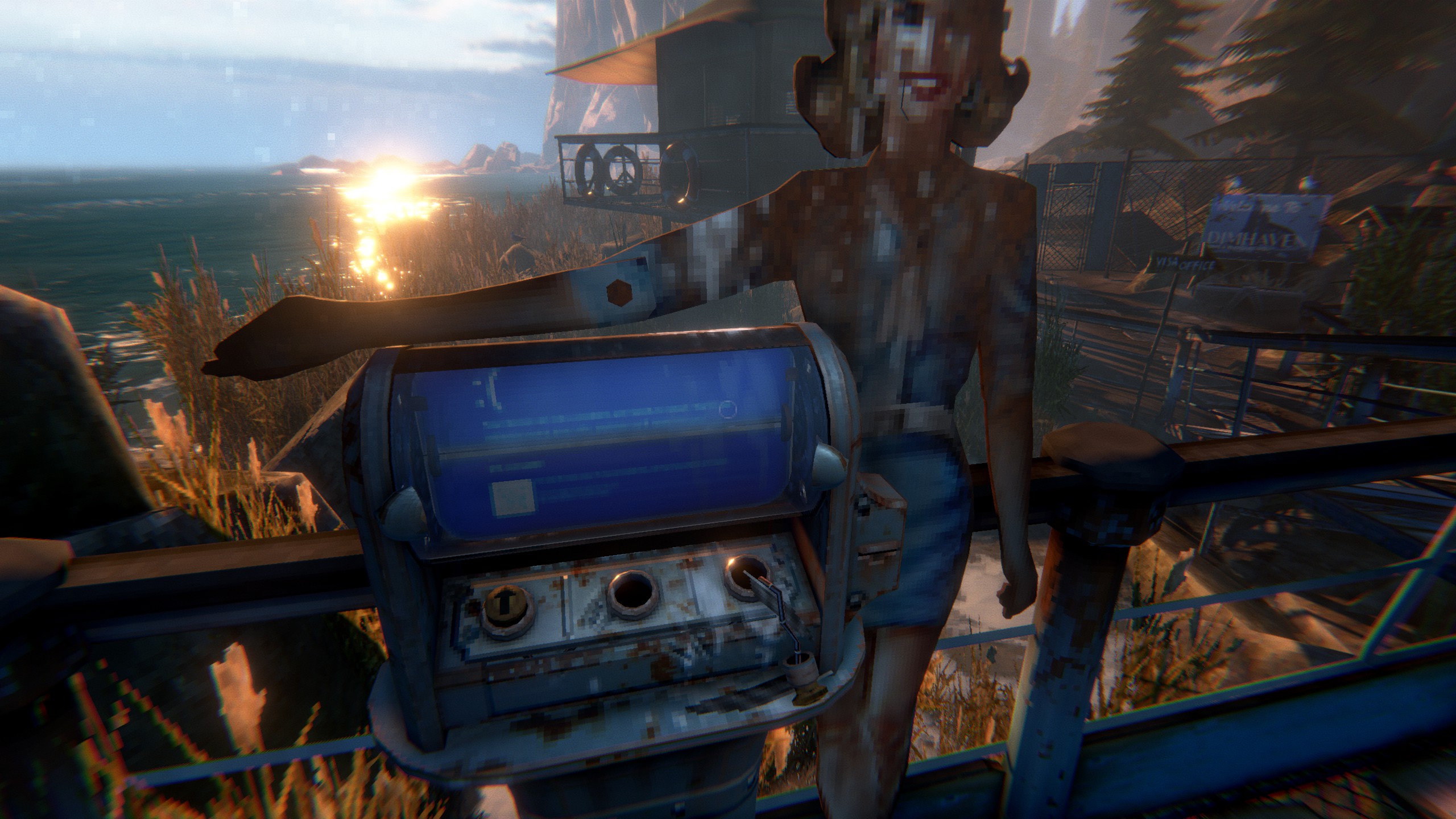
The first puzzles, set at the beach and the checkpoint, are genuinely excellent. They are logical, satisfying, and layered. You solve a visa machine, you figure out how to power a generator, and you take photos with an in-game camera that lets you sketch and annotate directly on the images. For a moment, I thought, “This is it. This is the new gold standard.” The photo/sketch system alone should be mandatory in every puzzle game from now on. It’s brilliant, tactile, and immersive.
But then you reach the manor.
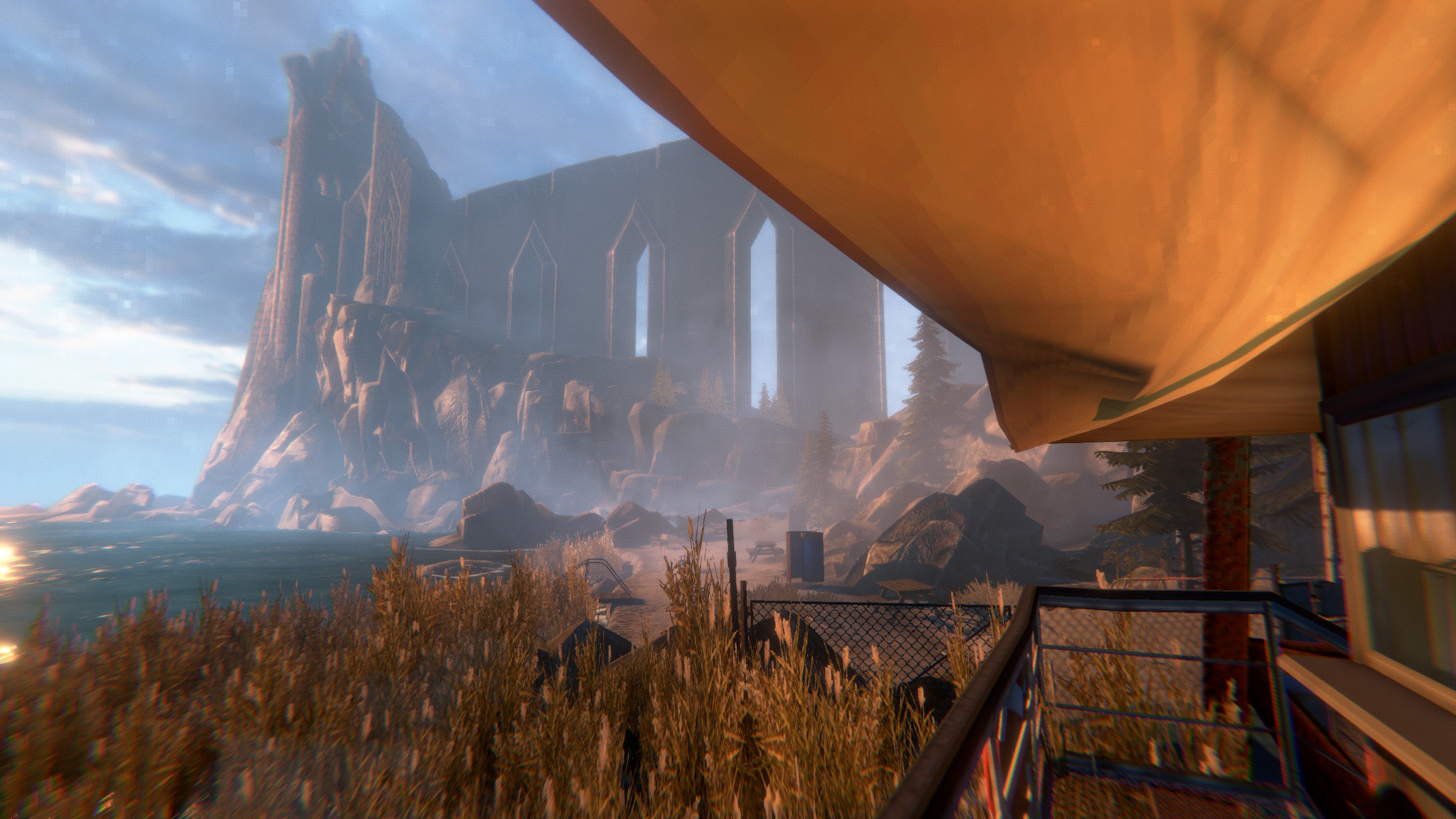
And the game begins to unravel.
Somewhere around the second or third area, Dimhaven stops being an open, atmospheric exploration and becomes a claustrophobic hall of increasingly obscure puzzles. Where the early challenges made you feel like a detective piecing together a world, the later ones feel like homework. You’re not solving mysteries anymore; you’re decoding arbitrary sequences, navigating maze-like fuse boxes, and guessing at solutions that have one correct answer hidden behind what feels like a wall of developer in-jokes.
I’ve read plenty of player reviews, and the consensus is clear: these puzzles aren’t hard in a satisfying way. They’re opaque. They’re the kind of puzzles where you know what you need to do, but the game doesn’t tell you how, and when you try something reasonable, it doesn’t work. The hint system, which exists, sometimes helps and sometimes just tells you what you’ve already figured out. The most infamous puzzle involves deciphering a series of clicks and clanks on a wax cylinder—a puzzle so obtuse that the developers added a “hearing impaired” accessibility mode that basically writes out the solution. That’s not accessibility; that’s a patch for poor design. One reviewer put it better than I could: “If your game needs to tell the player to turn on the hearing impaired mode for an answer… you need to redesign the puzzle.”
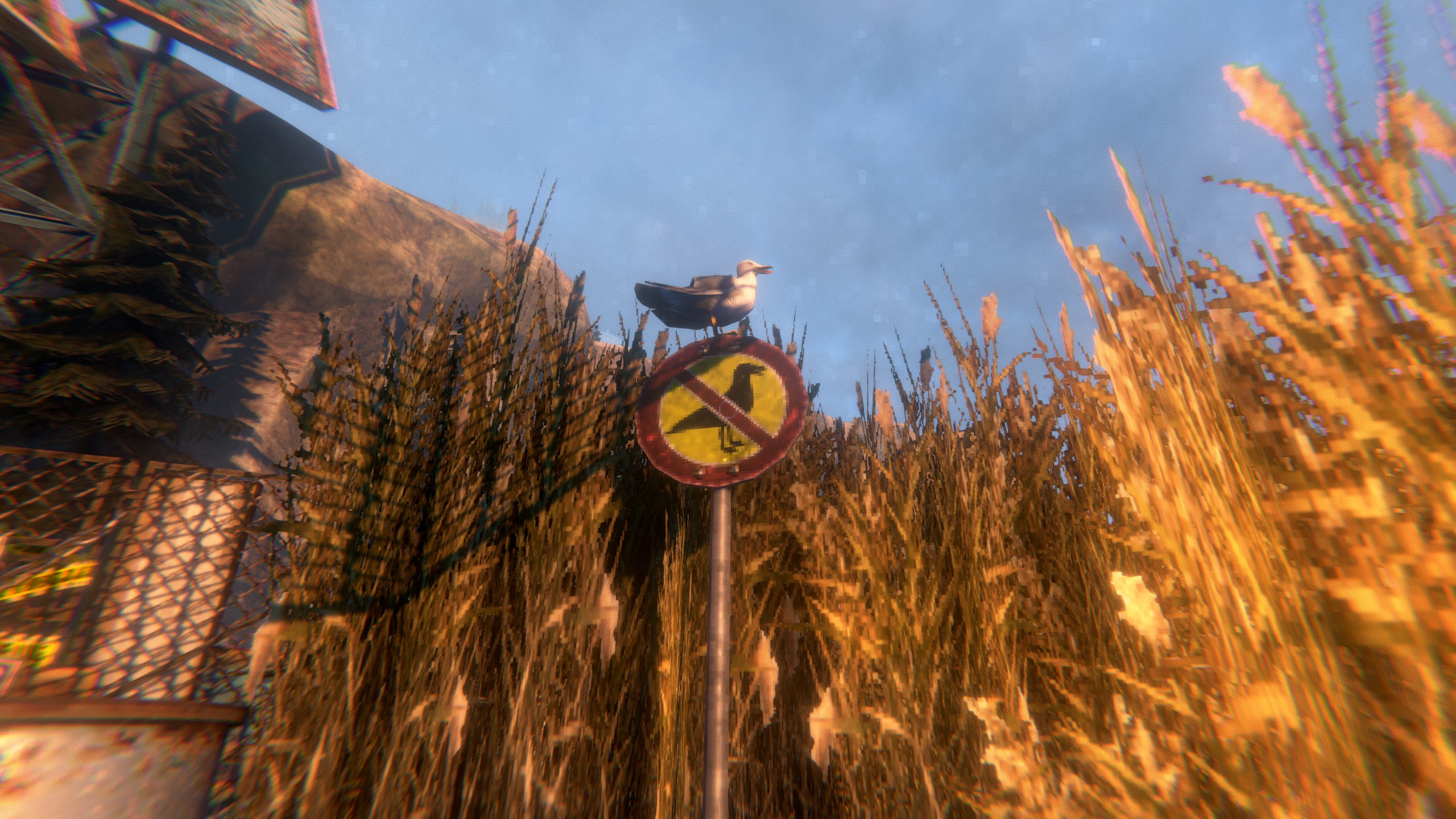
Then there’s the story. Oh, the story. It starts with a promising hook: your uncle has gone missing on a strange island. The first act is laden with environmental storytelling: notes left in a hurry, a malfunctioning visa machine, a sense that something terrible happened. You feel the weight of the abandoned tourist paradise. But as the game progresses, the narrative becomes a convoluted mess of sci-fi, fantasy, and half-developed lore that never really pays off. You meet characters who seem important but get forgotten. You’re given dialogue options that don’t matter. The ending, when it comes, feels like the writers ran out of pages and just scribbled a conclusion in the margins. It’s flat. Unsatisfying. I’ve read better worldbuilding in a second-hand paperback.
Let’s talk about the linearity. I like a directed experience, but Dimhaven feels like it’s afraid to let you breathe. After the opening, you are funneled through a series of very contained zones, each with its own set of puzzles, and once you solve them, the door locks behind you. You can’t go back. There are doors you can’t open, paths you can’t explore, and landmarks you can see but never visit. The game teases a larger world and then refuses to let you step into it. That’s not mystery; that’s a bait-and-switch.
And the performance. Look, I run a pretty solid rig—not bleeding edge, but capable—and I still hit stuttering in the outdoor areas. The game’s pixelated aesthetic doesn’t excuse inconsistent frame rates. Back in my day, a game shipped complete and ran smoothly. I expect the same now.
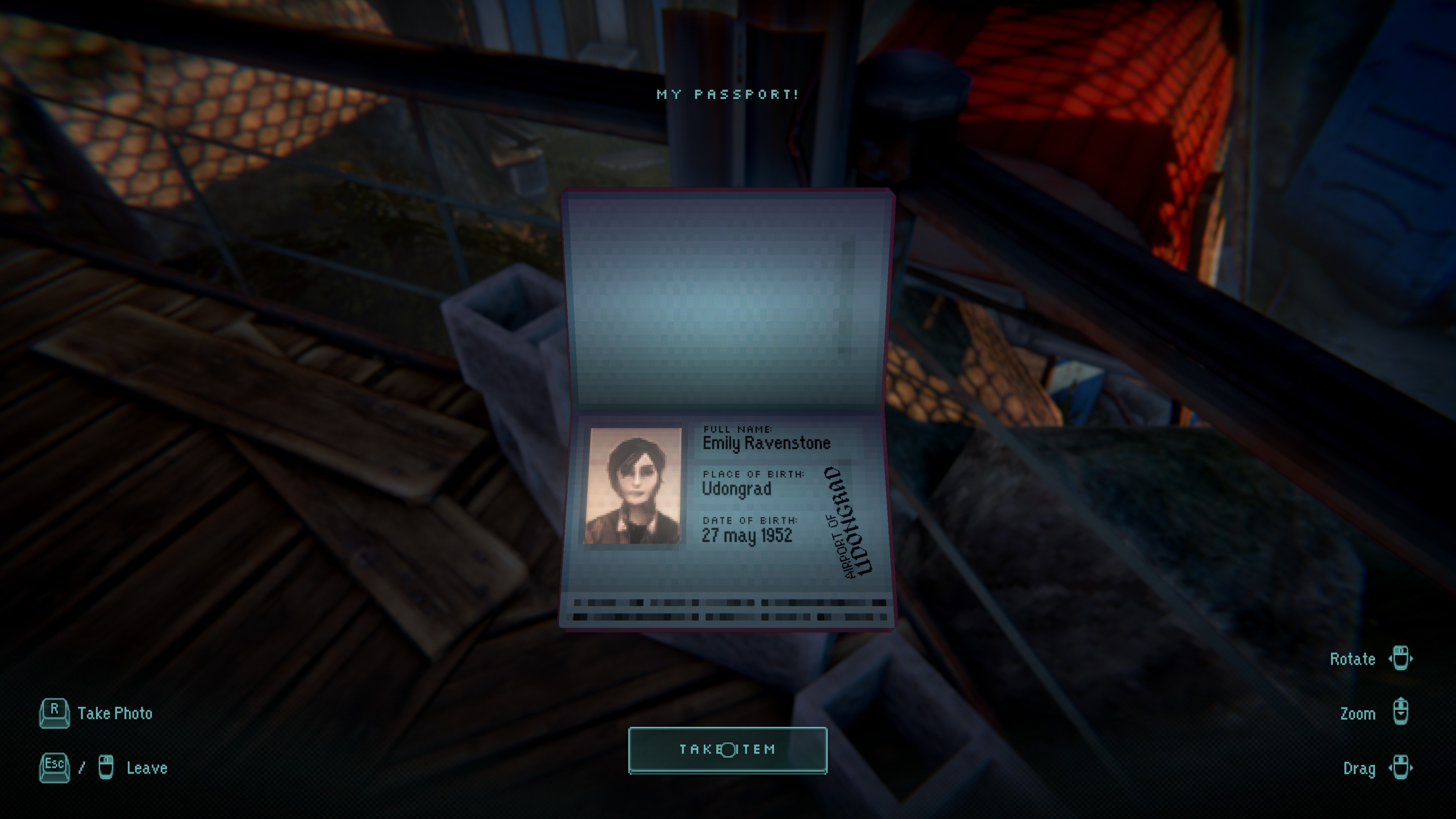
There are genuinely good puzzles buried in here. The 8-digit code puzzle that forces you to use the camera annotation system is a highlight. The logic gate puzzle is satisfying for those who enjoy that sort of thing. A few environmental puzzles in the later mansion area are clever. But these moments are increasingly rare as the game goes on, and they’re surrounded by too much frustration.
The general player consensus, from what I can see, is a cautious “recommend, but…”. People praise the visuals, the atmosphere, the beginning. But almost everyone mentions the steep decline after the first chapter, the obtuse puzzle logic, the weak story, and the sense that the game was rushed or cut short. The average rating seems to hover around a 6 or 7 out of 10, and that feels about right.
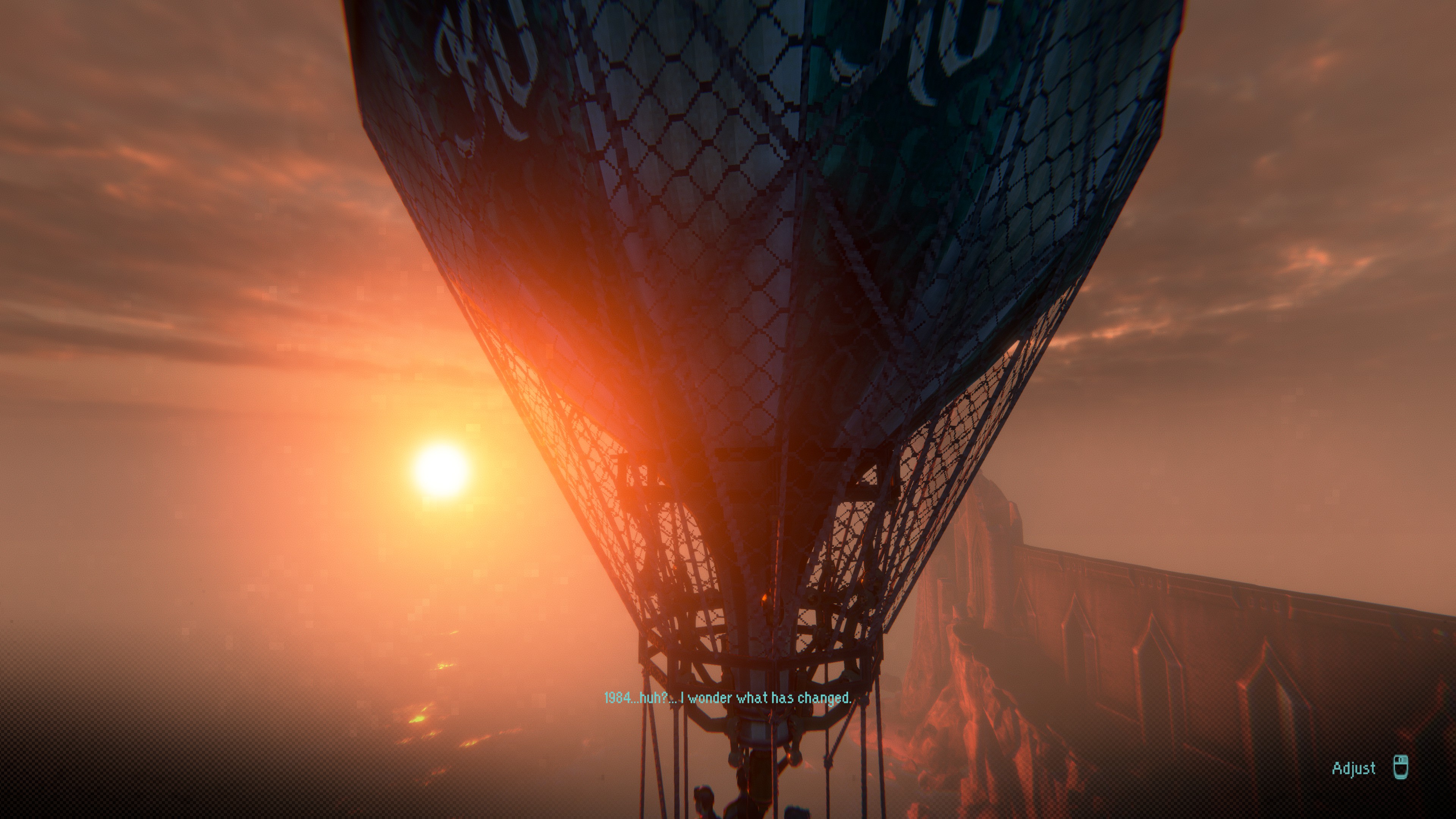
So, where does that leave us? If you are a hardcore puzzle fan who has exhausted every other first-person puzzler, you might still enjoy Dimhaven. The early section is genuinely great. But if you are looking for a cohesive, satisfying, well-paced adventure in the spirit of Quern or Myst, I would steer you elsewhere. This is a game that promises a rich island of discovery and then locks you in a manor with a stack of confusing documents and a camera that doesn’t always work.
I wanted to love Dimhaven. I really did. But in the end, I felt like I’d spent ten hours solving a puzzle box designed by someone who didn’t realize the box was empty. It’s beautiful, it has heart, and it has moments of genius. But it’s also unfinished, poorly stitched together, and ultimately not as smart as it thinks it is.
If you buy it, buy it on sale. And maybe keep a walkthrough open in another tab. You’ll need it.