Duel Corp: A Promising Spark That Keeps Dying Out
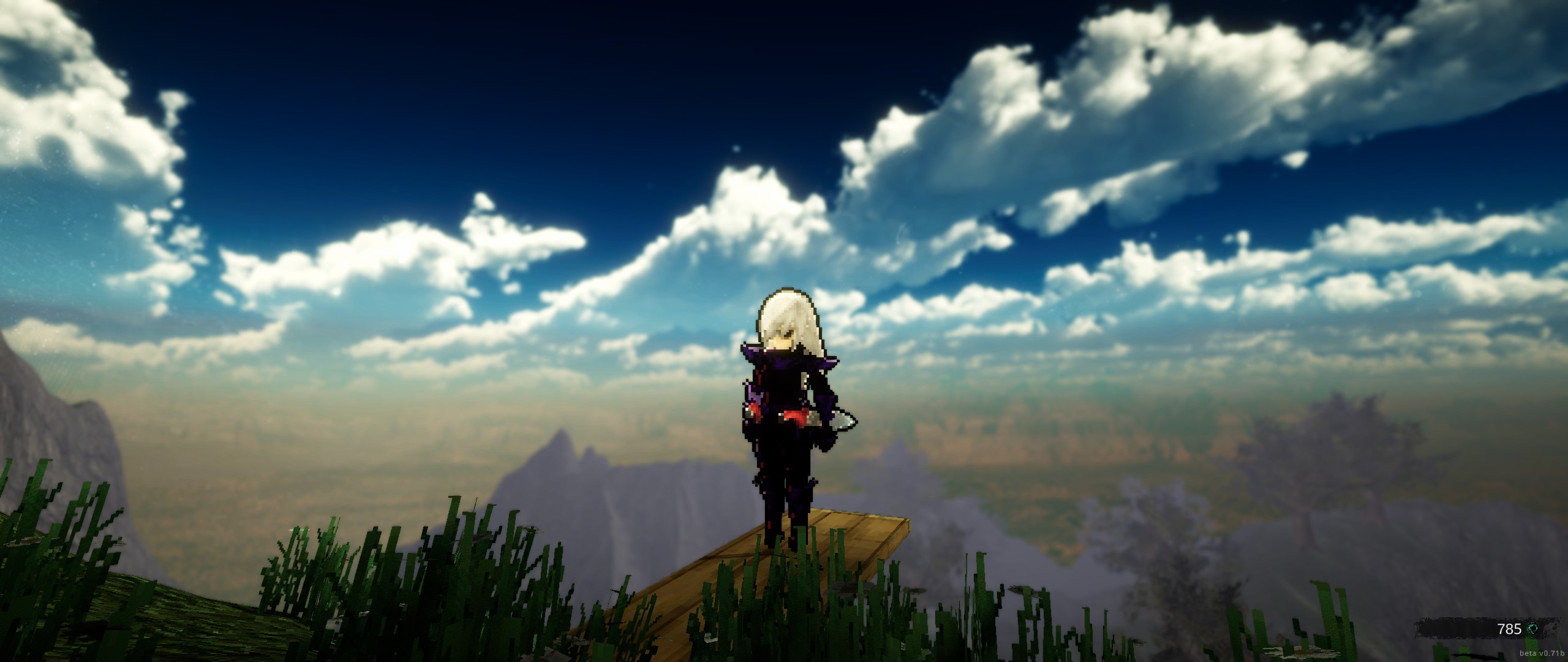
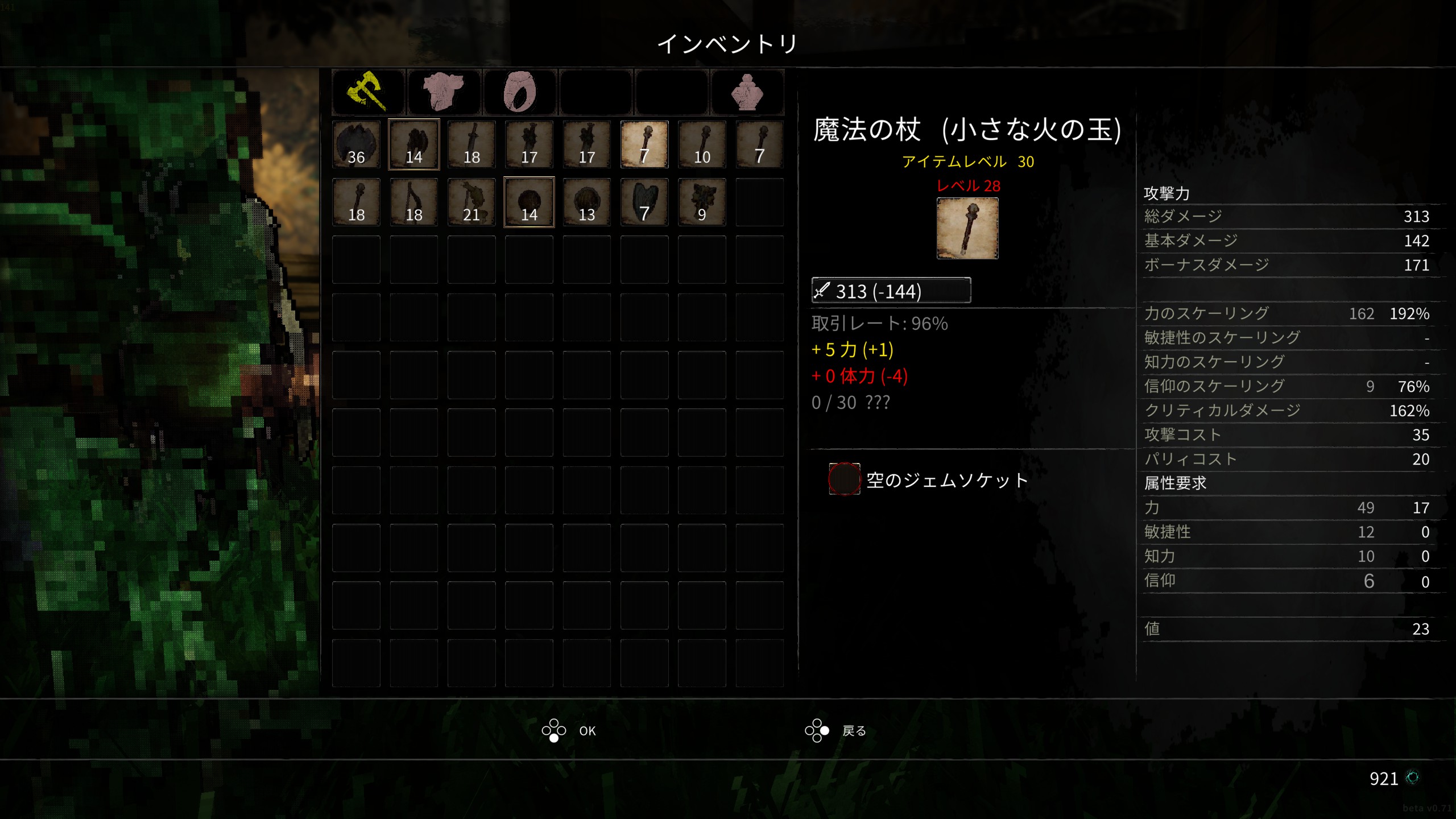
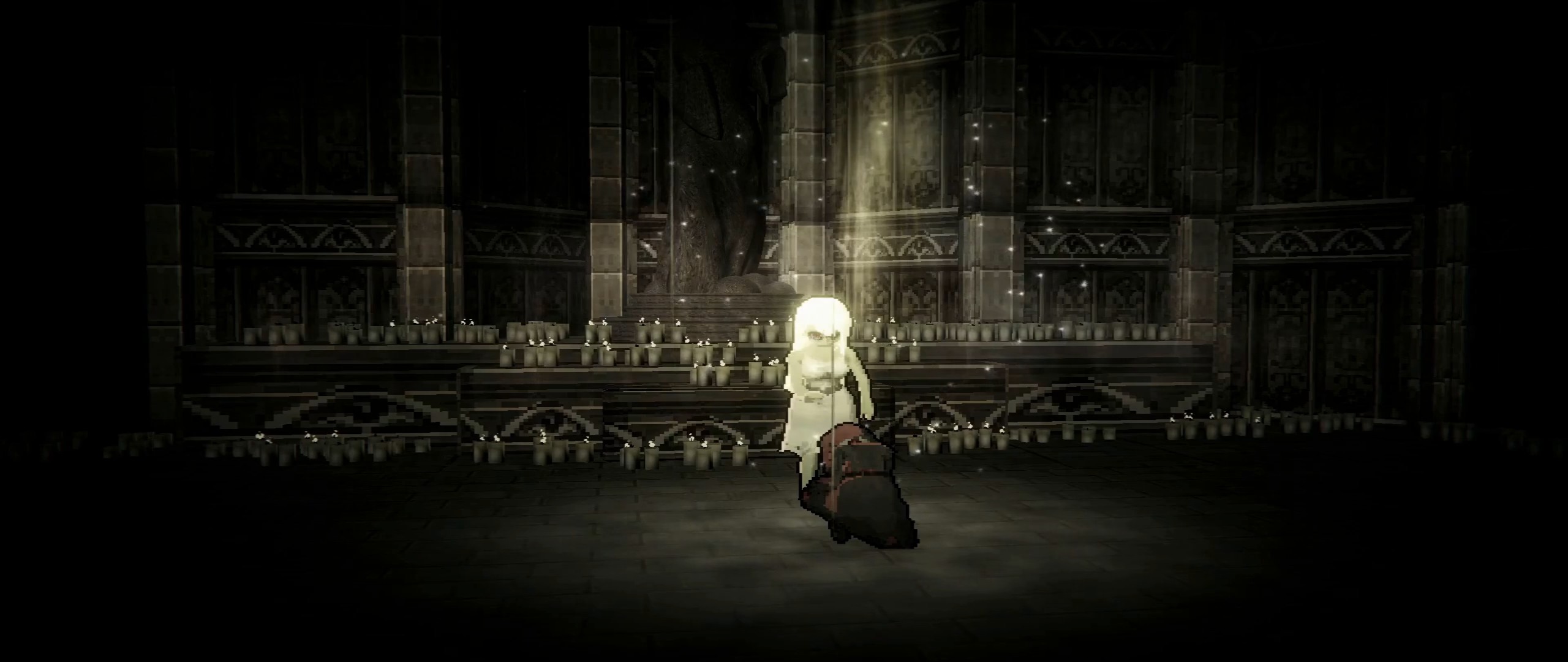
I’ll start with the good news because, frankly, there isn’t much of it. Duel Corp has a charming pixel-art style that, for a moment, made me think someone had finally figured out how to merge the old-school vibe I grew up with into something modern. The unrestricted class system is genuinely interesting—you can kit out a rogue with a great axe and fireballs if that’s your idea of fun. The directional combat, when it works, has a certain tactical heft that reminds me of the better moments in Mount & Blade, but with a Souls-like rhythm. That’s where the compliments end, and the sighing begins.
Let’s talk about that combat. The parry system is the kind of idea that sounds good on paper but falls apart the moment you meet more than one enemy. Directional blocking and parrying require you to read attack animations in a split second, except those animations are often unclear. A swing that looks like it’s coming from the left turns out to be an overhead strike, and you’re dead before you can blink. In 1v1, it’s manageable. Against three enemies, it’s a slot machine where the house always wins. Back in my day, games like Super Metroid taught you how to read enemy patterns through clear telegraphing. This feels like the developers didn’t have time to polish the visual language.
And the bosses. Oh, the bosses. I don’t mind a spongey enemy—I’ve tanked my share of giant HP pools in Dark Souls and Elden Ring. But those games respect your skill. Here, bosses heal themselves and each other with endless MP, use charge attacks with no wind-up, and have stunlock abilities that make you wonder if you’re playing a game or being hazed by a particularly spiteful AI. It’s not challenging; it’s tedious. Difficulty through inflated numbers and unfair mechanics isn’t difficulty. It’s lazy design.
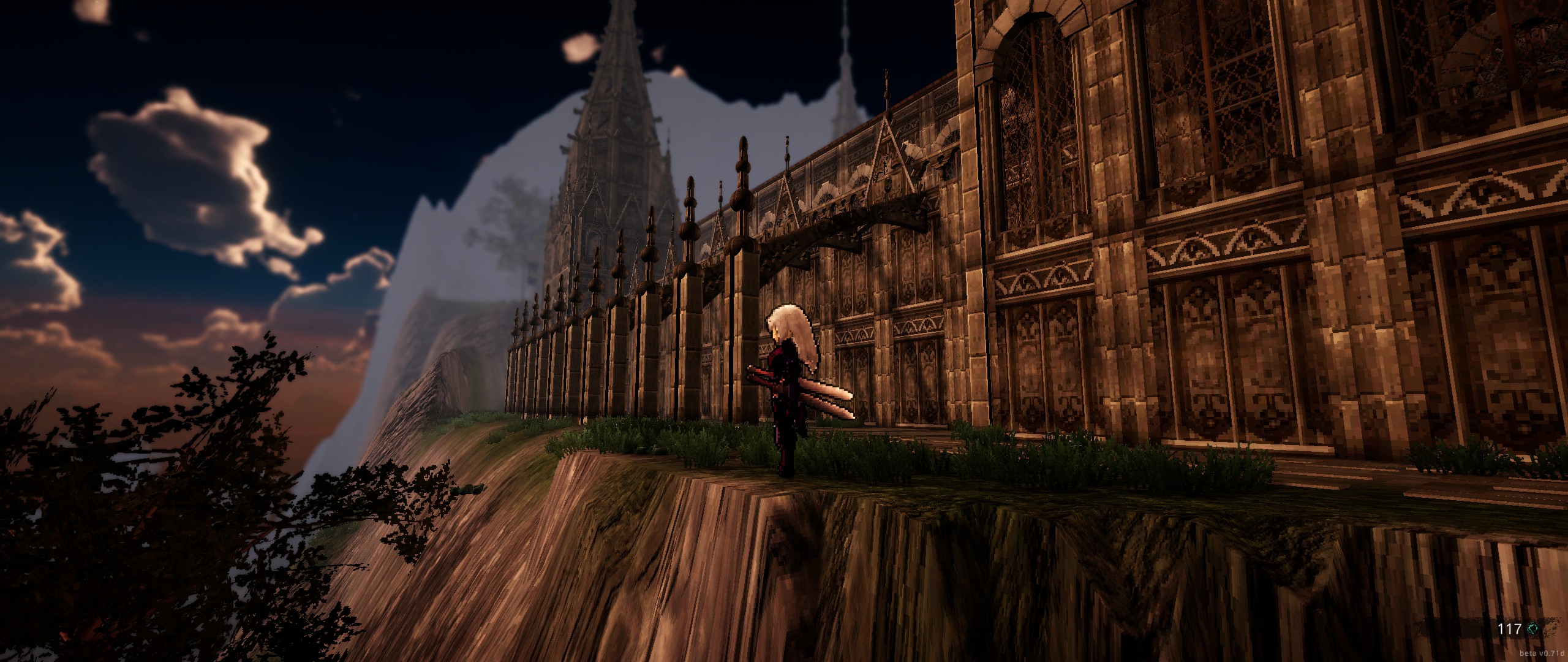
Now, the world. The lore setup—a curse that darkens all eyes, factions arguing over immortality and soulless beings—sounds like something I’d pick up in a second-hand fantasy paperback by someone like Robin Hobb. The story is told through environmental exploration and faction interactions, which is a noble ambition. But in practice, you get almost nothing. The plot is vaguer than a Tuesday morning fog, and without any introductory context or memorable NPCs, you’re left wandering a world that feels as empty as a library at midnight. I’ve read better worldbuilding on a bar napkin. There are no monsters, no animals—just endless human enemies with the same handful of attack patterns. The secret path teased in the trailers? It’s the only place with any variety, and it’s a locked door for most players.
Content is the big red flag here, and this game is waving it like a surrender flag. This is very early access. We’re talking two main story quests: get to level 10, then grind faction reputation until your eyes bleed. The procedural encounters are a joke. Every camp is the same three-item fetch quest. Every field encounter is a single enemy attacking you one at a time until you clear the area. The towns and cities are the same four buildings shuffled around like a deck of cards. There are no dungeons, no long-form instances, no surprises. It’s an arena simulator with a sandbox tag.
Performance? This runs like a three-legged horse. After an hour or two, the framerate drops to 10–15 FPS for no apparent reason. Enabling multiplayer makes it crash down in minutes. Stuttering, inconsistent hitboxes, and controls that sometimes ignore your inputs—it’s exhausting. You don’t lose because you played badly; you lose because the game decided today isn’t your day. I’ve seen indie games made by one person in a basement that ran smoother than this. For a game charging $30 CAD, this is unacceptable.
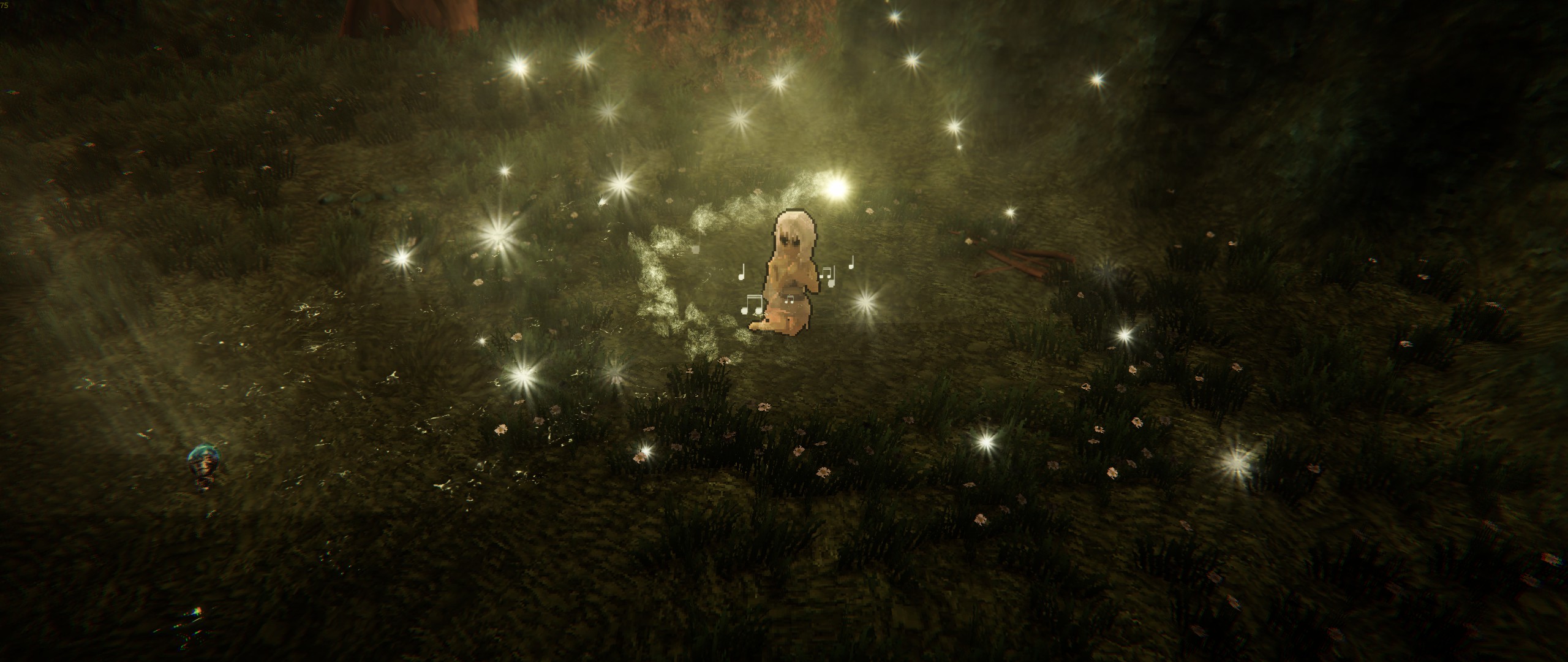
To be fair, there are glimmers. The companion system adds some life—customizing a sidekick’s gear and skills is genuinely fun, and playing co-op with a friend across the Atlantic worked surprisingly well with minimal desync. The art style is unique and evocative, and the base combat loop has a solid foundation. But the companion AI is dumber than a bag of hammers, walking into every trap and needing commands that don’t exist yet. The optimism I feel is like the last ember in a cold campfire—it could catch, but it probably won’t.
Here’s my honest take, and I don’t say this lightly: Duel Corp has potential buried under a mountain of broken promises. It feels like a proof of concept that was released too early, with too little content, too many bugs, and a difficulty curve designed by someone who thinks “challenging” means “unfair.” I’ve played sandbox RPGs that kept me going with nothing but a good atmosphere and a solid loop. This one doesn’t have enough atmosphere to fill a thimble and a loop that’s more like a frayed knot.
If the developers keep working—add enemy variety, fix the parry system, build out the world, and optimize the performance—this could become something worth recommending. But as it stands, I cannot in good conscience tell you to buy it. Wait a year. Check back. For now, save your money and your sanity.
Until then, I’ll be in my Vault, playing Baldur’s Gate II for the hundredth time. At least that game shipped complete.