Echoes of Mystralia: A Spellcrafting Gem Buried Under a Pile of Frustration
I’ve been playing games since the Atari 2600, and I’ve seen a lot of promising early access titles burn out or bloom. Echoes of Mystralia is currently somewhere in between—a beautifully conceived spellcrafting roguelite that has the bones of something special, but whose flesh is still bruised and uneven. I’ve spent a dozen runs weaving fire tornadoes, ice shurikens, and lightning storms, and I’ve felt both the thrill of discovery and the cold slap of a poorly balanced encounter. Let me break it down.
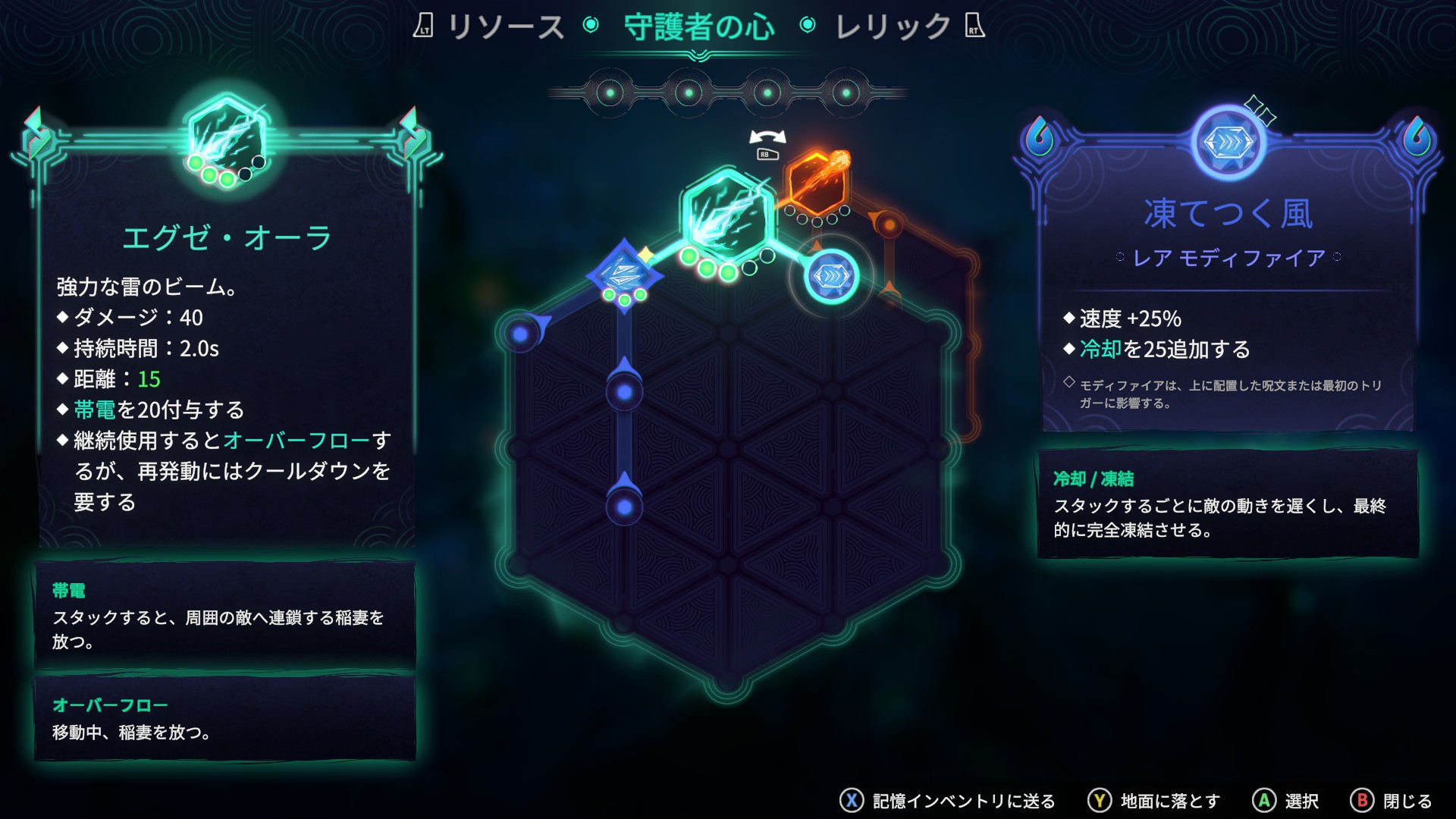
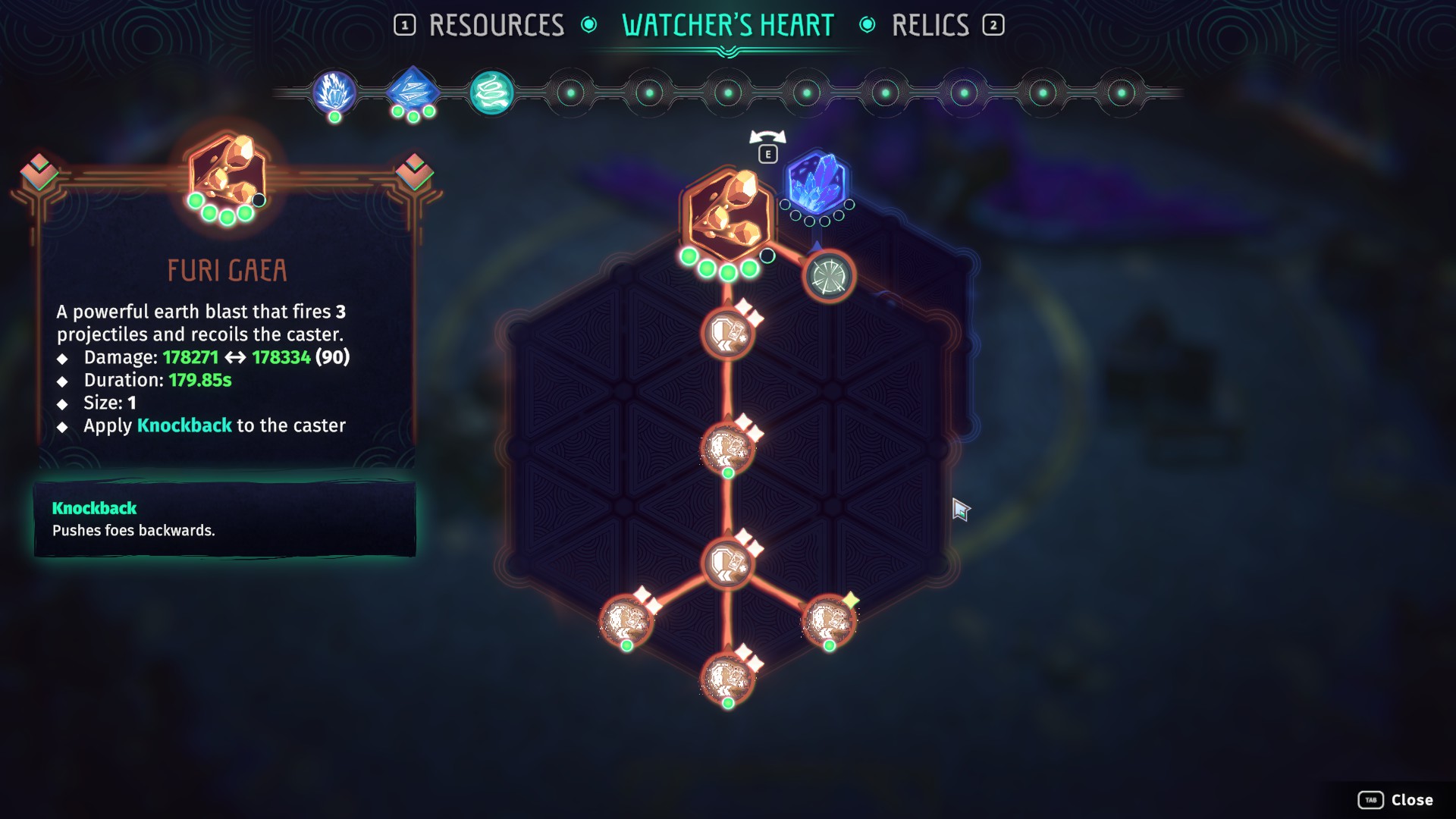
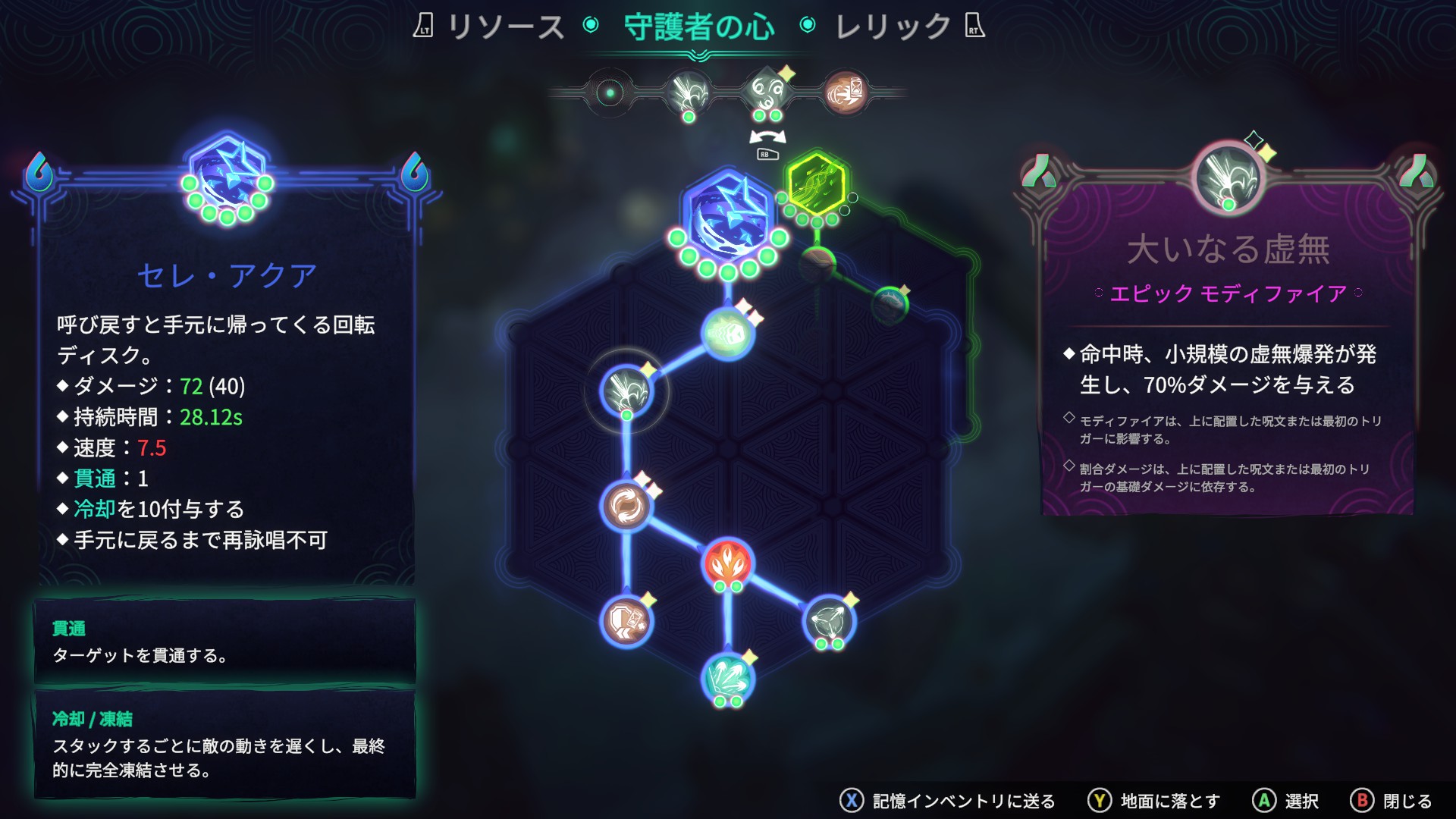
The headline act here is the spellcrafting system, and it’s genuinely good. You start with a handful of base spells—a fireball, a lightning bolt, an ice shard, a wind blade—and then you layer on “memories” (modifiers) that change how they behave. Add homing before splitting? You get two homing projectiles. Add a trigger-on-hit that spawns a boulder? Suddenly your rapid-fire lightning spell is also dropping rocks. The system is intuitive: you drag and drop memories onto a canvas, and the order matters. It’s like programming a spell, and it scratches the same itch as the original Mages of Mystralia or even Noita’s wand crafting, but more accessible.
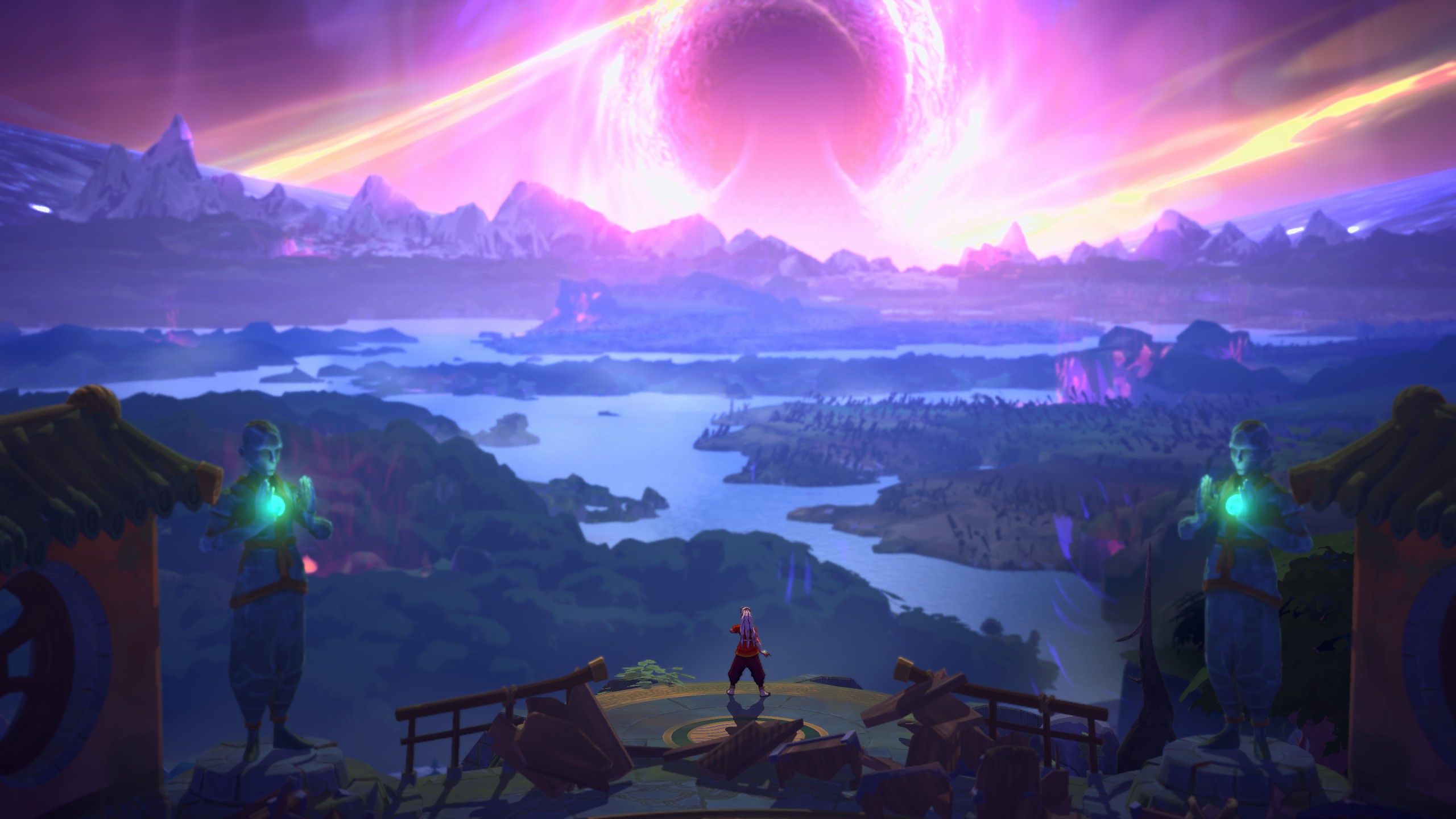
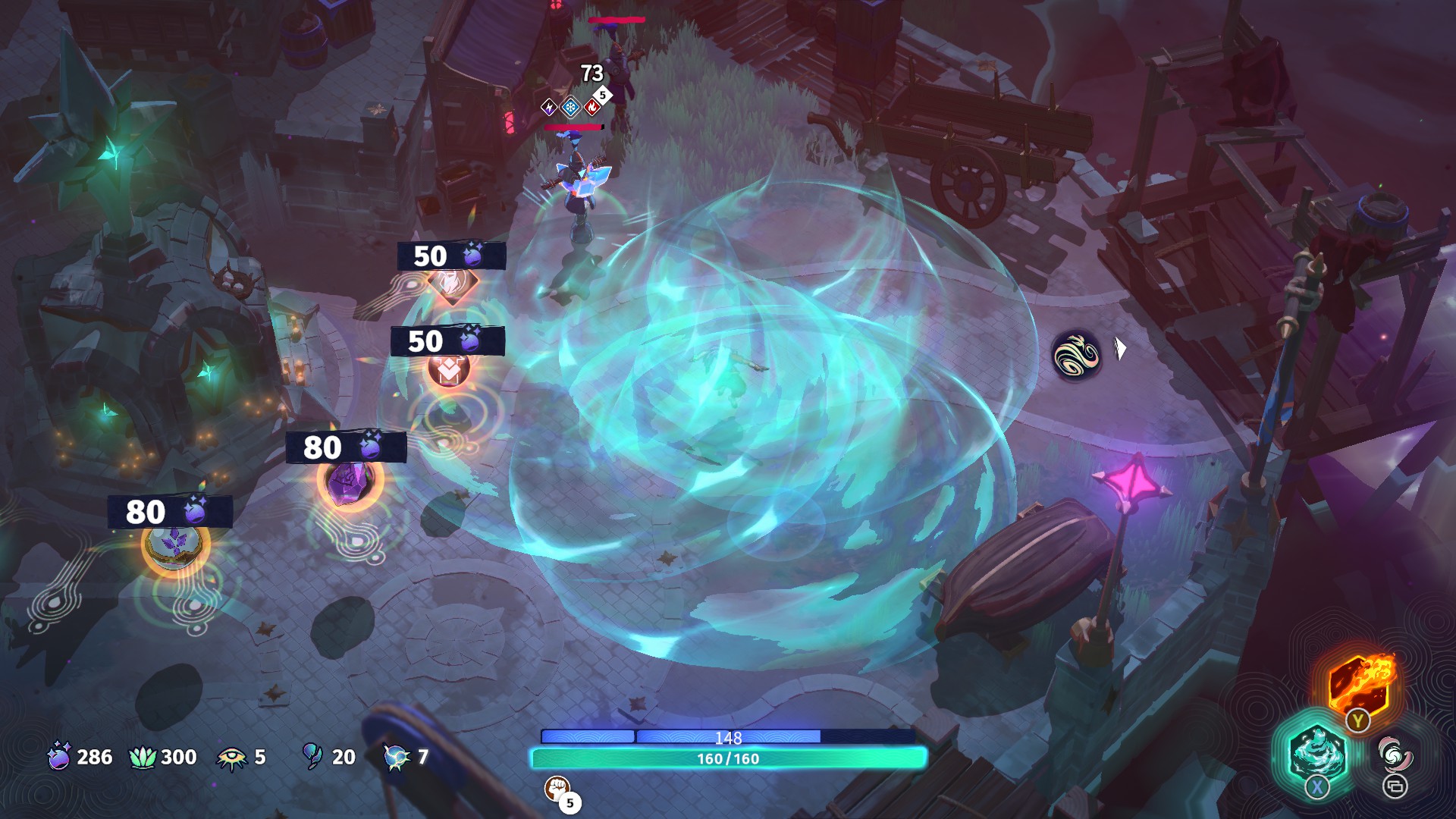
The variety is staggering. I’ve made a self-replicating DPS shield, a volley of ice that leaves a freezing field, and a lightning storm that orbits me like a personal thundercloud. Every run feels like a new experiment, and the game encourages you to swap memories mid-combat. That’s rare and wonderful. The smoothness of combat when your build clicks is a joy—enemies melt, the screen fills with particle effects, and you feel like a proper archmage. The music, especially the Gamelan-inspired boss themes, is fantastic.
But then the cracks start to show. The difficulty curve is a brick wall disguised as a gentle slope. Early runs are brutal: healing is scarce, enemies hit for half your health bar, and you’re expected to dodge with a cooldown that feels tighter than Hades. The first mini-boss can kill you in ten seconds if you’re not frame-perfect. Many players (and I share this frustration) feel that the game punishes you before you’ve had a chance to enjoy the spellcrafting. You’re forced to grind meta-progression—unlocking Lotus upgrades, new spells, and passive bonuses—just to survive the second zone. That grind is slow. Upgrades feel incremental: “+1% life recovered per room” when you take 50 damage per hit. It’s like patching a leaky boat with chewing gum.
There’s also a balance issue with spell types. Rapid-fire spells (like the lightning bolt) are vastly superior to slow, heavy-hitting ones. Memories that trigger “on hit” or “on cast” favor fast spam, while charge-up spells leave you vulnerable and underperform. I’ve had runs where my boomerang spell with +2 bounces and homing whiffed against a crowd because the projectiles bounced off into empty space. Meanwhile, a friend using the same memories on a rapid-fire spell cleared rooms in seconds. The game heavily favors one playstyle, which undermines the promise of “craft your own way.”
Visual clutter is another persistent issue. When your spells fill 60% of the screen with explosions and particles, enemy attack indicators become invisible. I’ve died more times because I couldn’t see the red circle under my feet than because I mistimed a dodge. The developers have improved some enemy AOE cues since the demo, but it’s still not enough. I shouldn’t have to choose between a powerful build and being able to see what’s killing me.
Technically, the game runs smoothly on my mid-range PC—no crashes, no stutters—until you stack too many projectiles, then the framerate tanks. The UI is clearly designed for a controller, and mouse-and-keyboard players will notice some awkwardness: cursor bugs, unclear debuff icons, and a lack of a codex for status effects. The saving system is also odd: it only saves when you load a new area, including the hub. If you buy an upgrade and quit without starting a run, you lose it. That’s a baffling oversight in 2026.
Content-wise, Echoes of Mystralia is in early access with three main bosses (one per act) and a handful of minibosses. The story is serviceable—a world trapped in memories, a Watcher tasked with saving the Cycle—but it’s thin. The voice acting is good, but the protagonist is a bit of a Mary-Sue, and the dialogue often feels forced. The home base (Azimuth Temple) is a bit empty, lacking the interactive depth of, say, Hades’ House. There’s no New Game+ or escalating difficulty, so once you beat the final boss (which some players do in their second or third run), there’s little reason to continue unless you enjoy experimenting with builds for its own sake.
That said, the core loop is addictive. When I got a build that worked—a freezing tornado that also spawned seeking ice bolts—I couldn’t stop playing. The spellcrafting system is deep without being overwhelming, and the developers are clearly listening to feedback. The negative reviews, while often valid, sometimes stem from a misunderstanding of the genre (yes, it’s a roguelite; yes, you will die and grind). But the criticisms about healing, balance, and visual clarity are real and need addressing.
So where does that leave us? Echoes of Mystralia is a 7/10 in its current state. It has a brilliant, creative core that sets it apart from the Hades clones, but it’s held back by frustrating difficulty spikes, uneven spell balance, and technical rough edges. If you’re a patient player who loves tinkering with builds and doesn’t mind dying a lot, there’s a gem here. If you’re looking for a polished, well-paced roguelite, wait for a few more updates. I’ll be keeping an eye on it—and I hope the developers smooth out those cracks, because the foundation is solid.
—Gregor Vane