Far Far West: A Promising Six-Shooter That Needs More Bullets in the Chamber
Let me tell you something, and I don’t say this lightly: when a game reminds me of the sheer, unadulterated fun I had plugging away at Team Fortress 2 and Quake back when my knees didn’t make sounds, that’s a high bar. Far Far West clears it—mostly. It’s a chaotic, fast-paced co-op horde shooter with the bones of something truly special. But, and you knew a “but” was coming, it’s also an Early Access game that stumbles over the same hurdles that have tripped up so many before it: grind, repetition, and a handful of enemy designs that feel less like challenge and more like harassment. After sinking a good dozen hours into this robotic cowboy fantasy, I’m cautiously optimistic, but I’ve also got my hand hovering over the “wait for a sale” button for the less patient among you.
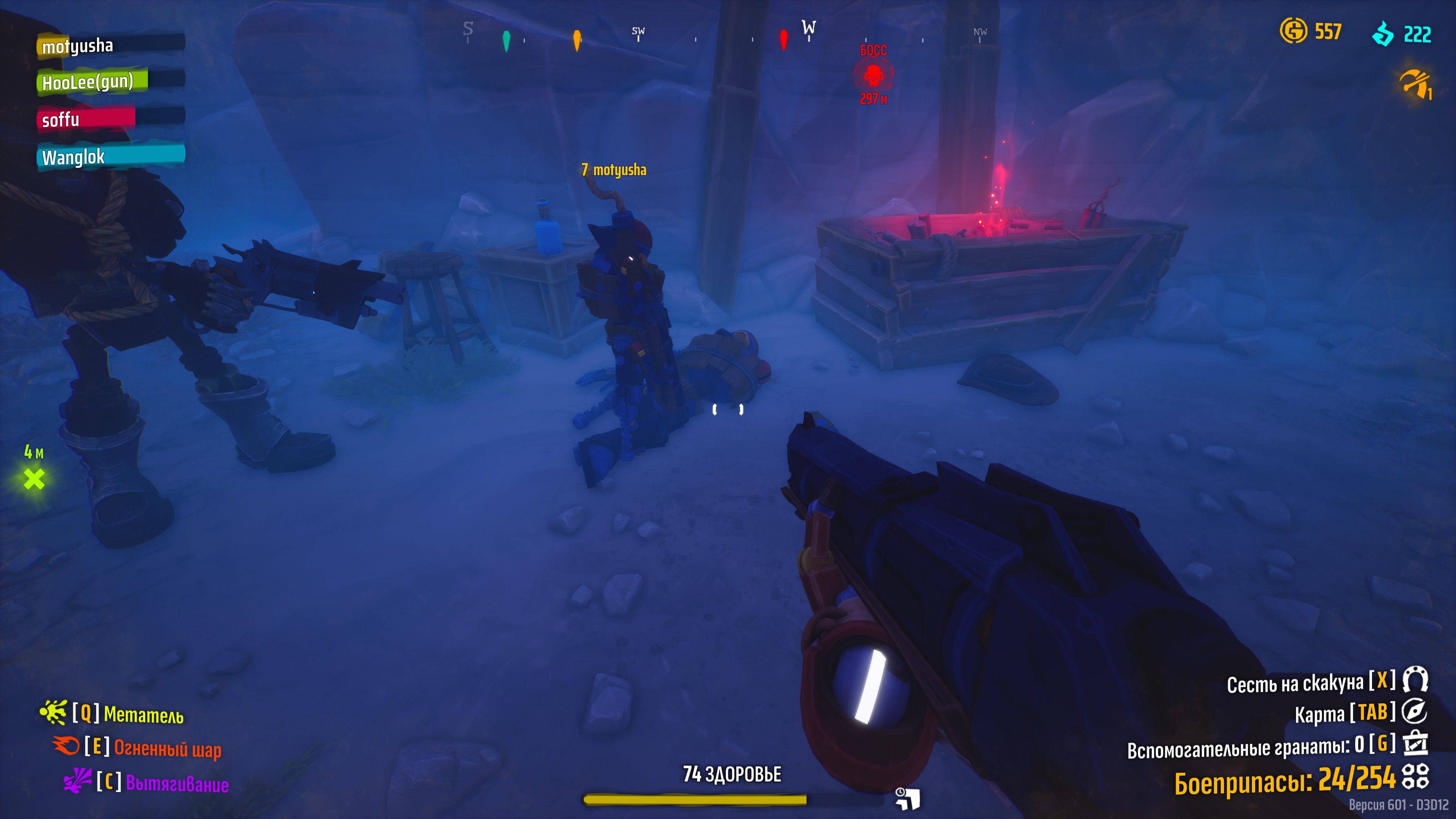
Let’s start with what works, because when Far Far West hits, it hits hard. The moment-to-moment combat is a genuine joy. You’re a robot bounty hunter in a weird West, wielding six-shooters and fireballs with equal aplomb. The movement system is the star here—fluid, bouncy, and delightfully absurd. You can chain dashes and bunny hops across open plains, vault over rocks, and generally make a mockery of the terrain. The gunplay is punchy; each weapon has a distinct feel. The lever-action rifle sounds like it means business, and the minigun turns you into a walking storm of lead. Throw in a spell system that lets you mix elements—lightning and poison cause a chain explosion, fire and acid create a death geyser—and you have the makings of a shooter that respects your time and your reflexes.
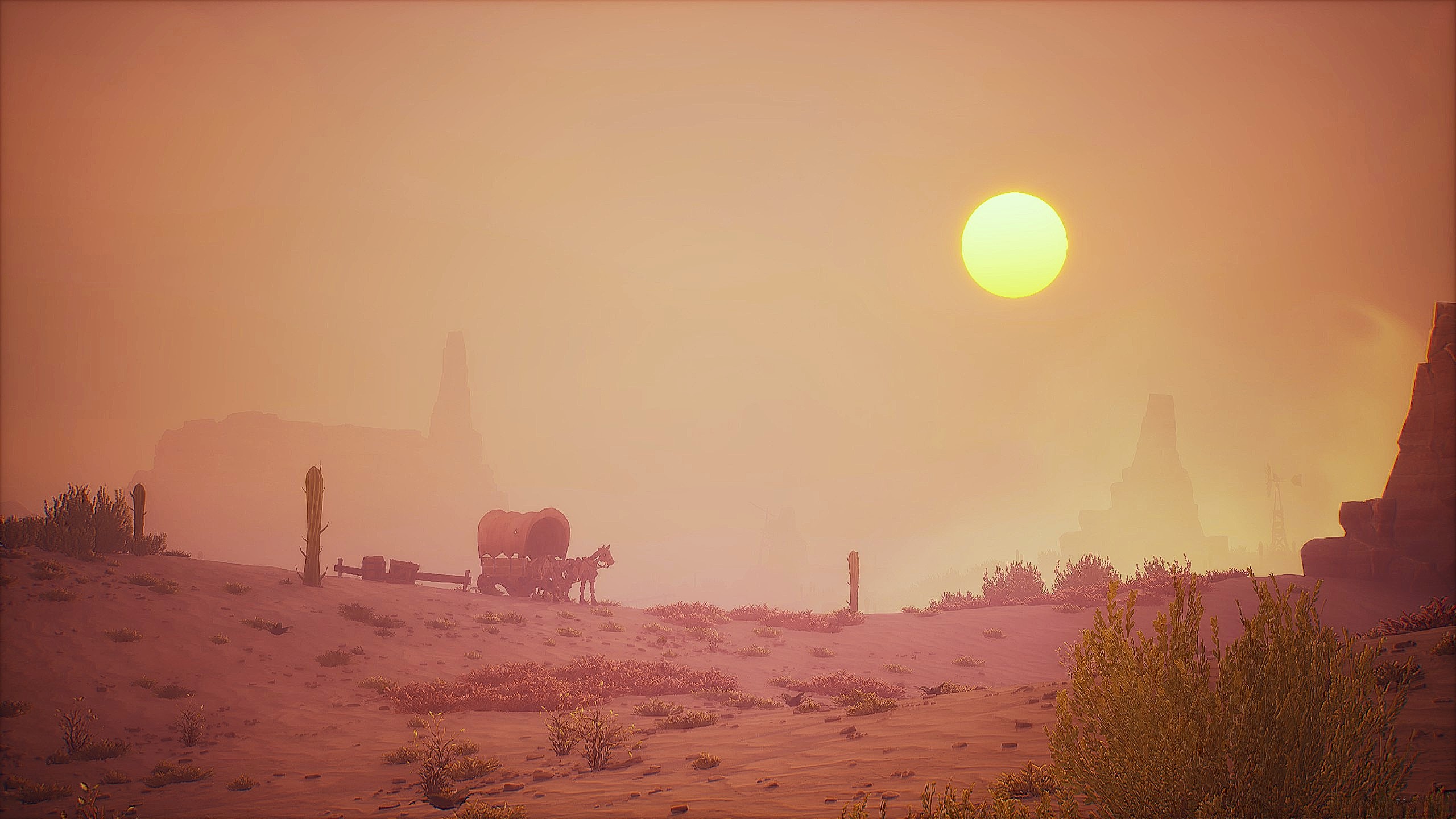
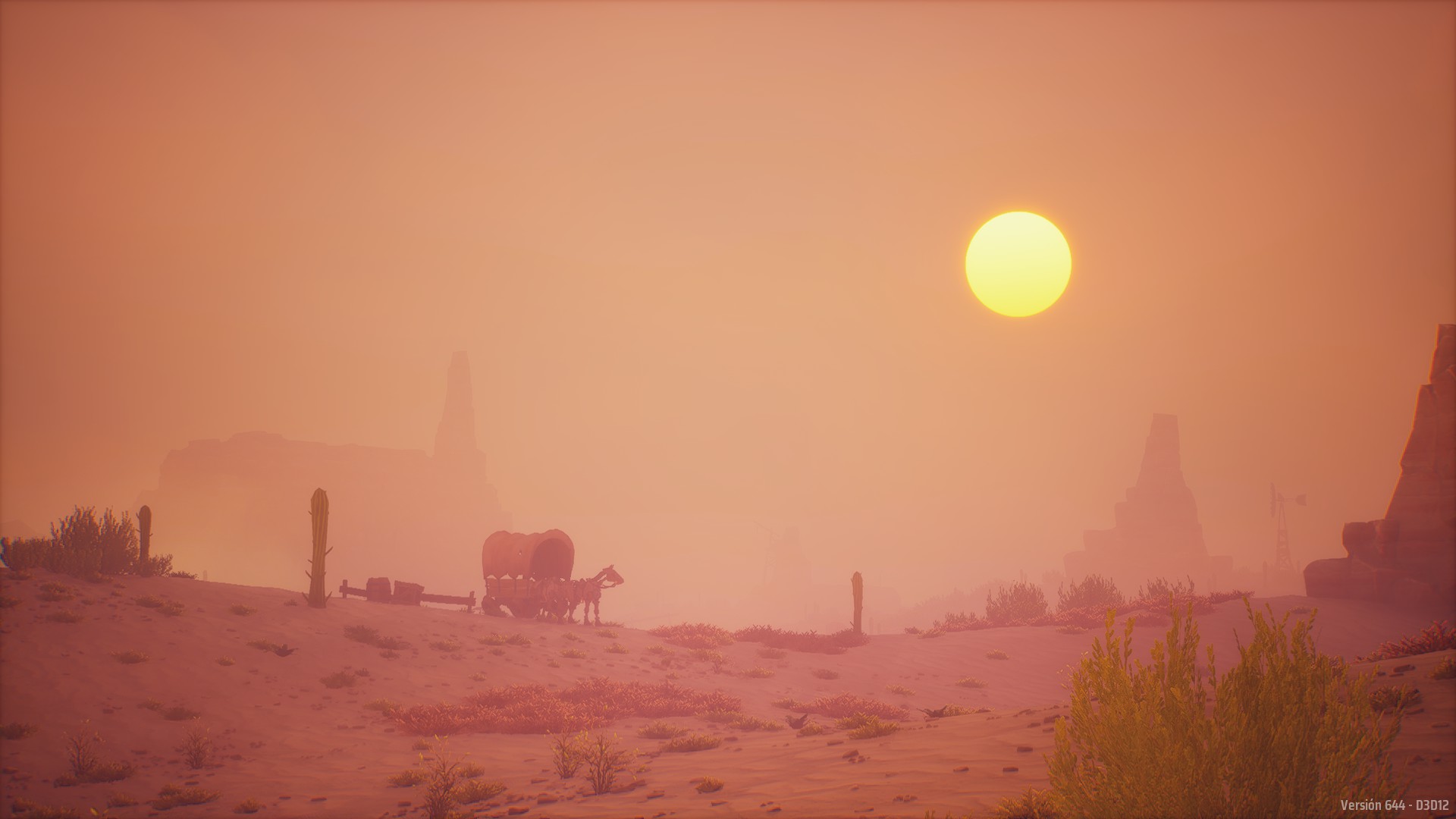
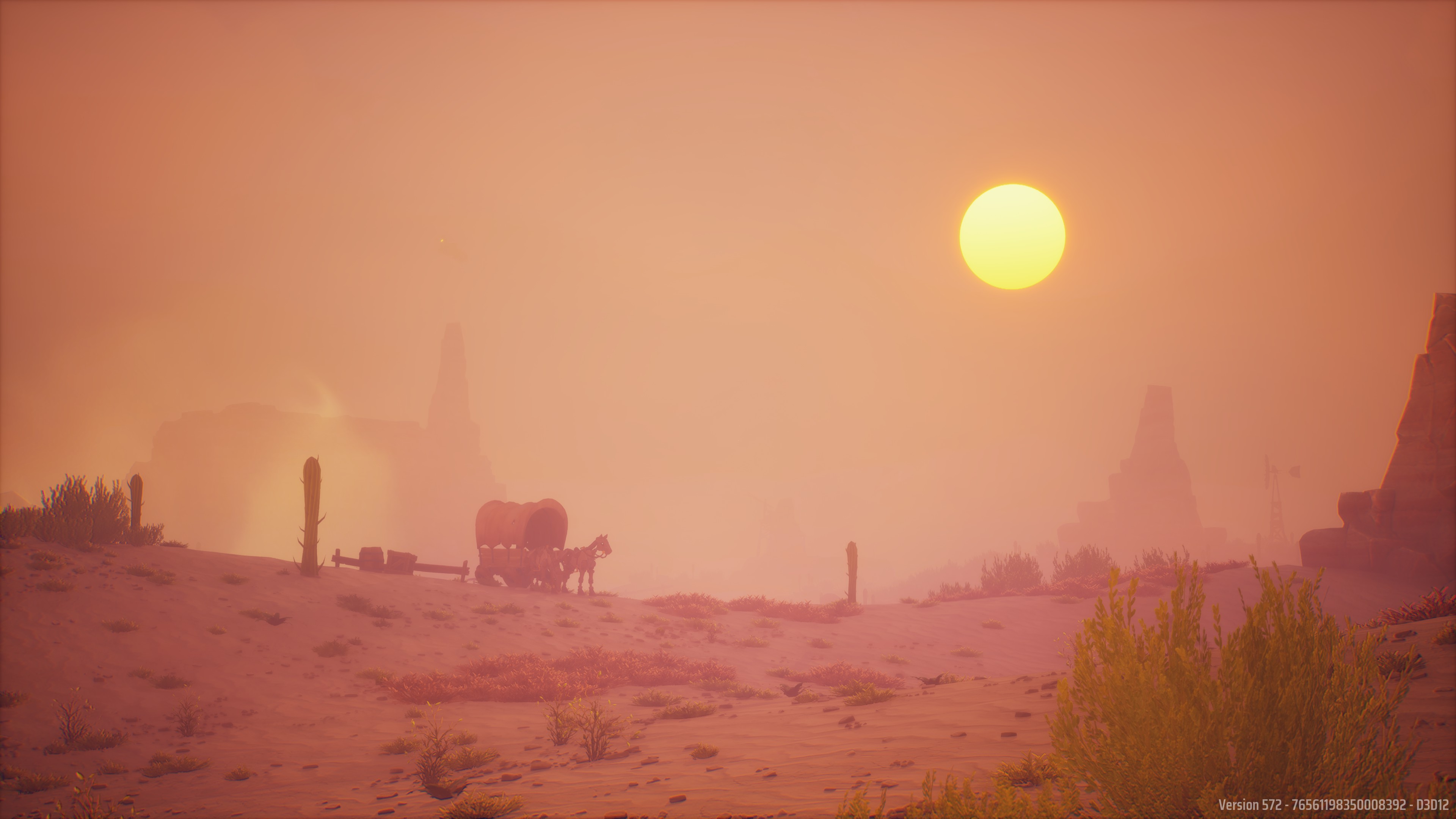
The hub world, a dusty saloon town called the Far Far West, is oozing with character. There are mini-games, a gambling machine, and plenty of NPCs to chat with. The art style is charming—cartoonish yet grim, like a Saturday morning cartoon rendered by a fan of The Good, the Bad and the Ugly. The soundtrack is a fantastic blend of twangy guitars and electronic beats that actually gets the blood pumping. It’s clear the eight-person team at Evil Raptor poured their hearts into this world.
But then the cracks start to show. The biggest one? The grind. Oh, the grind. Far Far West is a game that asks you to invest hours before you see the good stuff. Weapons and spells level up individually, but only when you use them. So you’re stuck trudging through missions with a pea-shooter shotgun that feels like it’s firing confetti, just to make it viable ten levels later. The progression system is borderline punishing. After four hours, I had unlocked three out of twenty spells, and one alternative weapon. That’s not rewarding; that’s homework.
And the missions themselves? They get old fast. The maps are beautiful but static. You load in, run around collecting upgrade cards called Jokers, do a few side quests that are either “kill this wave” or “press this button and wait,” then kill a boss and extract. The loop is tight, but the content pool is shallow. After a few hours, you’ve seen essentially everything the game has to offer. The four bosses, while visually interesting, quickly become bullet-spongy slogs, especially the Monster House with its arbitrary invulnerability phases. The enemies are similarly repetitive: skeletal snipers that clip you through movement, kamikaze bombers with audio cues that arrive too late, and snakes that latch onto you for an annoying few seconds. The joy of discovery evaporates, and you’re left with a checklist of chores.
I’ve read better worldbuilding in a second-hand paperback. The narrative is thin; you’re a robot cowboy taking contracts from the Sheriff, and the supernatural threats are there because… well, they’re cool. That’s fine for a horde shooter, but the game seems to want to be more than that. The Joker system—perks you find in missions and can keep by gambling with souls—is a mixed bag. Some are genuinely fun and build-defining (like getting lifesteal or increased speed), but many are just cosmetic fluff (making you quack when you walk). The rarity of a Joker rarely correlates with its usefulness, which means you’re often gambling on garbage.
Another irritation: friendly fire. It’s on by default, and in a game where you’re constantly dashing and spinning around with area-of-effect spells, you’ll inevitably dome your teammate with a stray bullet or a well-placed fireball. It fits the chaotic theme, but it also means that every lobby is one accidental team-kill away from a toxic spat. And speaking of lobbies: the host can kick you at any time, and you lose all your rewards from that run. That’s an unhinged amount of power to put in the hands of a stranger named “xX_CowboySlayer69_Xx.” A vote-to-kick system would be a welcome improvement.
Performance, at least on my decade-old rig, is surprisingly good. The game runs at a stable frame rate, though it does churn some heat. I’ve encountered only minor bugs, mostly audio hiccups and the rare geometry snag. For an Early Access title, it’s polished. The dev team is clearly engaged with the community and pushing out regular updates. That earns them a lot of goodwill.
So where does that leave us? Far Far West is a game of two halves. The core combat and movement are top-tier, among the best I’ve felt in a co-op shooter since the heyday of Deep Rock Galactic. The aesthetic is delightful, and when you’re stringing together a perfect chain of spells and headshots, you feel like the deadliest robot in the West. But the grind and repetition sour the well. It’s a mile wide and an inch deep, and once the honeymoon phase ends—around the ten-hour mark for me—you’re left asking, “Is this it?”
I want to recommend it. I really do. The potential is enormous. But right now, I’d tell you to keep an eye on it. If you have a dedicated group of friends and you’re looking for a fun weekend of chaotic gunplay, this will scratch that itch. If you’re a solo player or someone who values long-term progression and deep build variety, you’ll likely bounce off the grind. Wait for a sale, or wait for more updates. This could be the next great co-op shooter, but it’s not there yet.
Score: 8/10