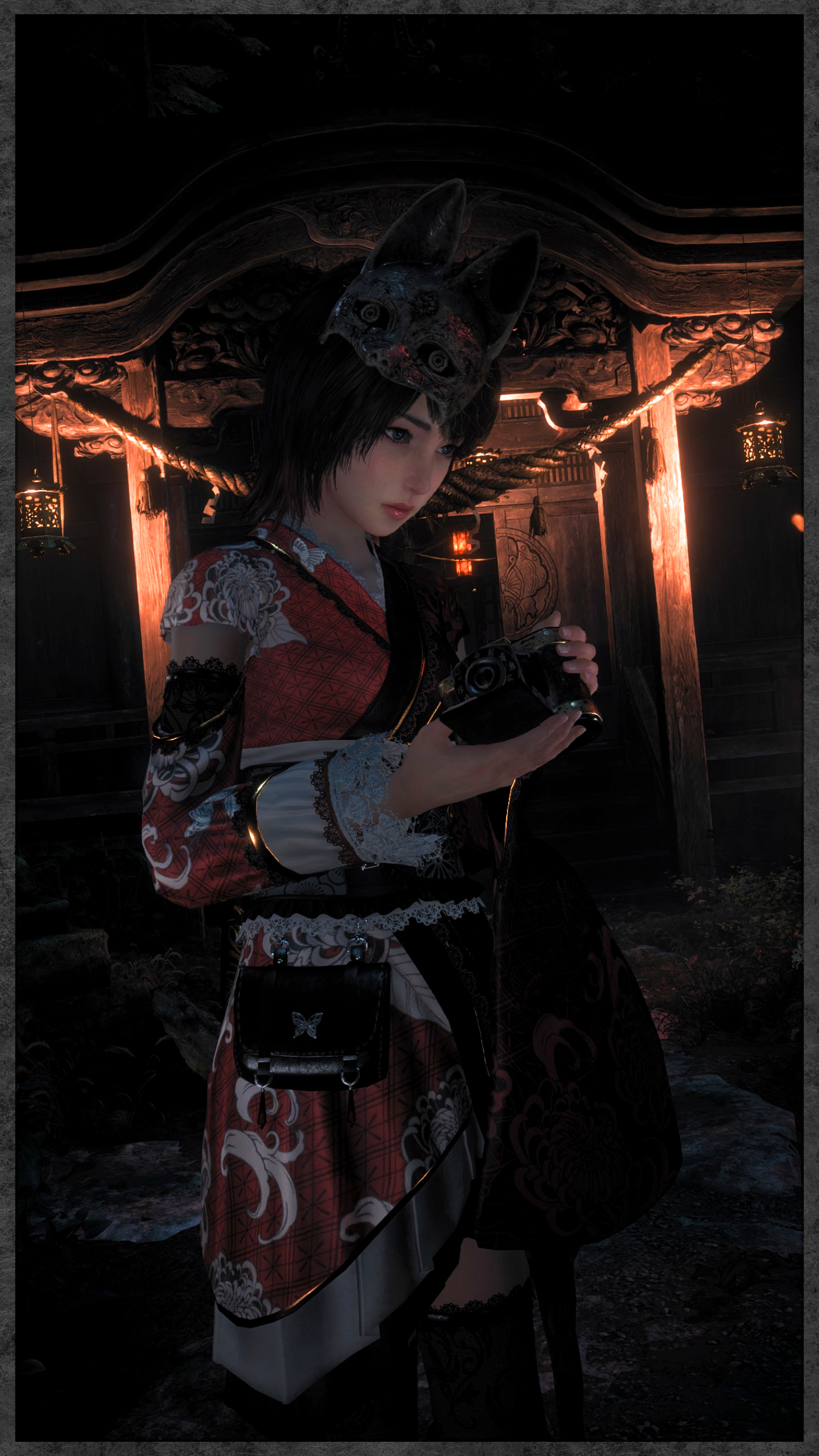
Fatal Frame II: Crimson Butterfly REMAKE – A Beautiful Ghost That Still Needs Exorcising
I’ve been playing survival horror since the PS1 days, back when tank controls weren’t a joke—they were a way of life. So when Koei Tecmo announced a full remake of the game many still call the series’ finest hour, I felt that familiar twitch in my trigger finger. And after a dozen hours with the twins in Minakami Village, I’m left with a feeling I know all too well: admiration for the craft, frustration with the execution, and a deep sigh for what could have been.
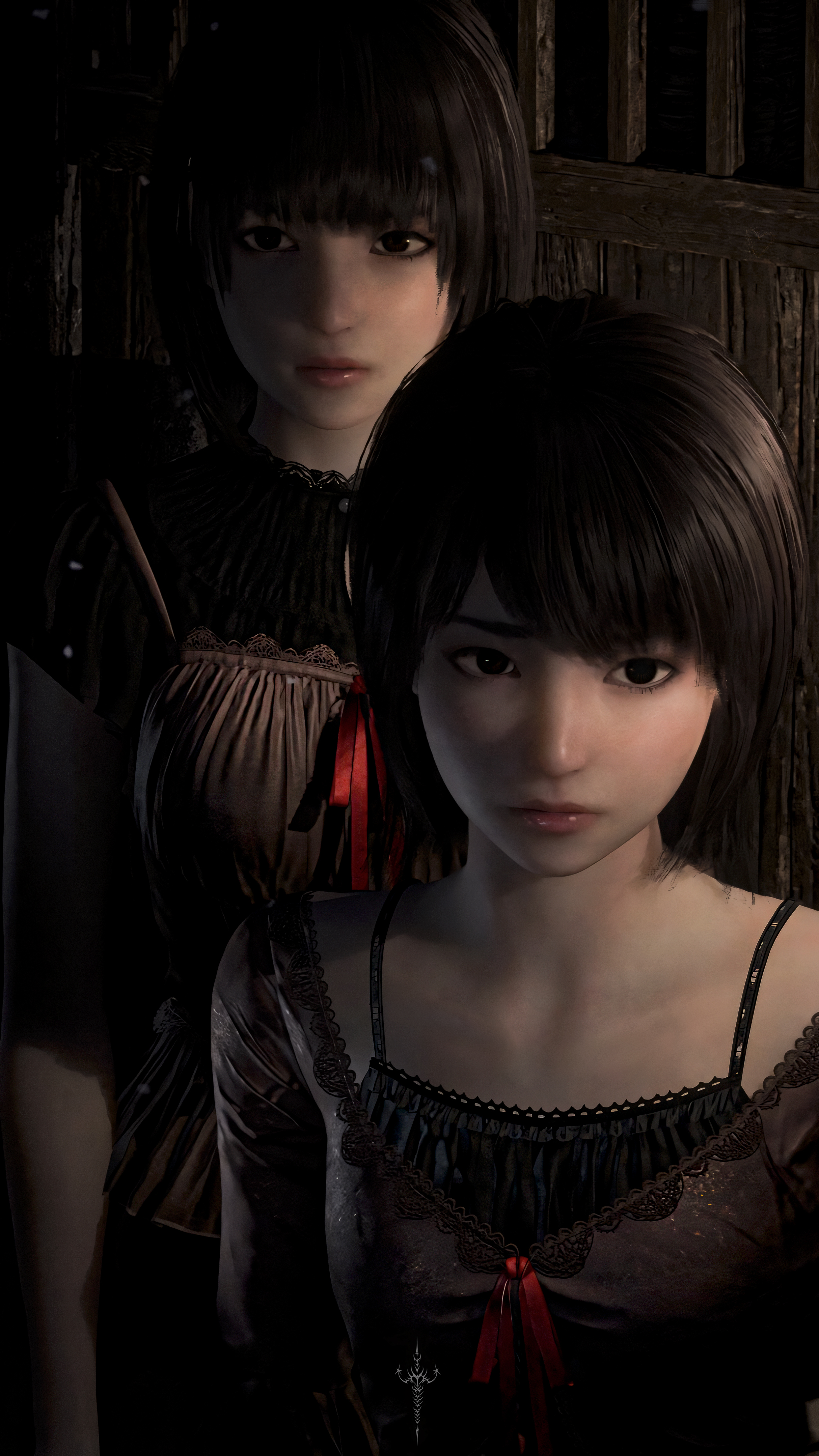
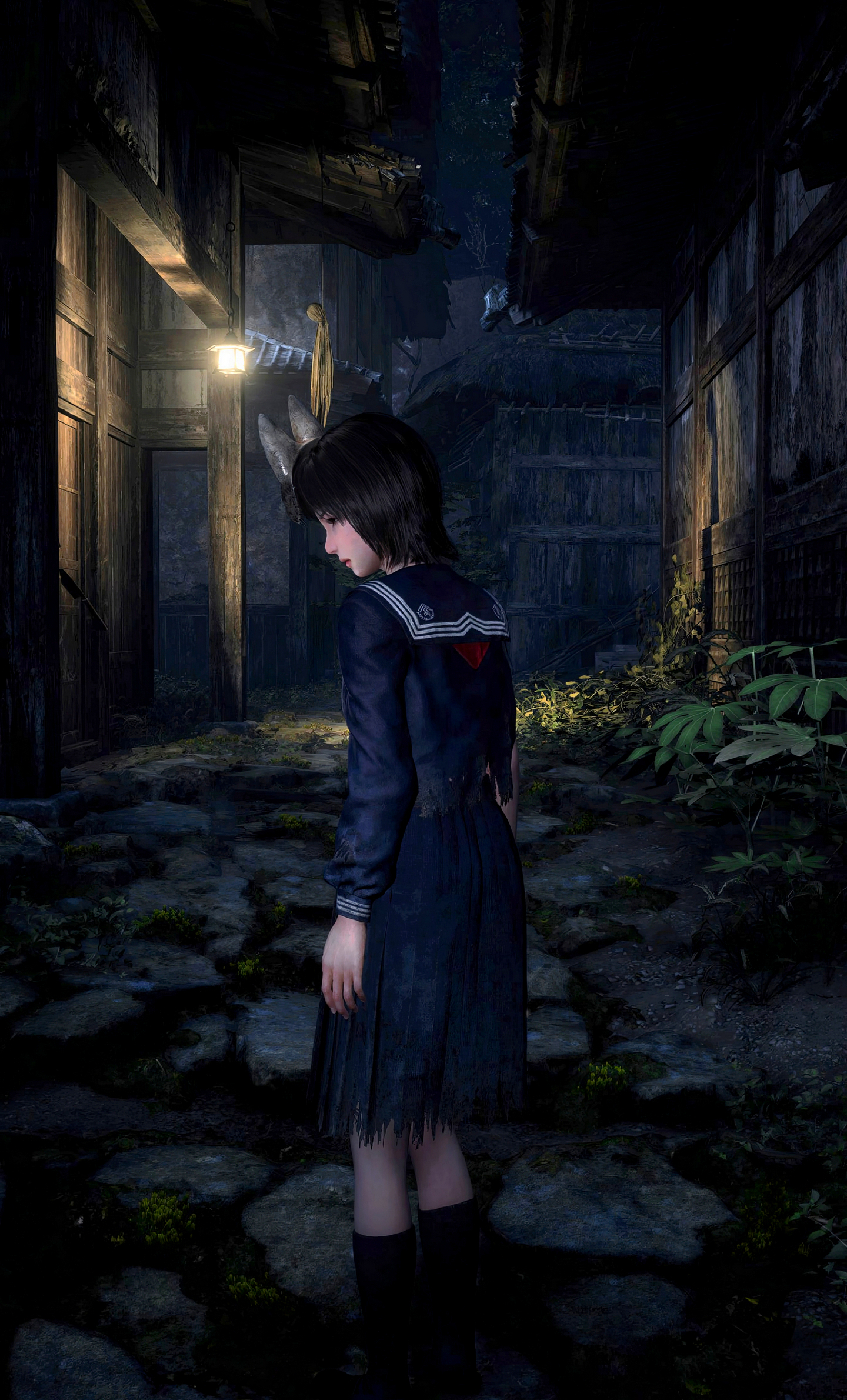
Let’s start with what works, because plenty does. This game is gorgeous. The remade village is a feast of decaying wood, drifting mist, and moonlight that cuts through darkness like a blade. Character models—especially the twins—are detailed, though they have a wax-doll gloss that some reviewers called “uncanny.” I’d say it fits the Japanese horror aesthetic. The sound design is stellar: creaking floors, distant whispers, and the sudden shriek of a ghost behind a door. Playing with headphones is the only way to go. It’s the kind of atmosphere that made the original a classic, and here it’s amplified to near-perfection.
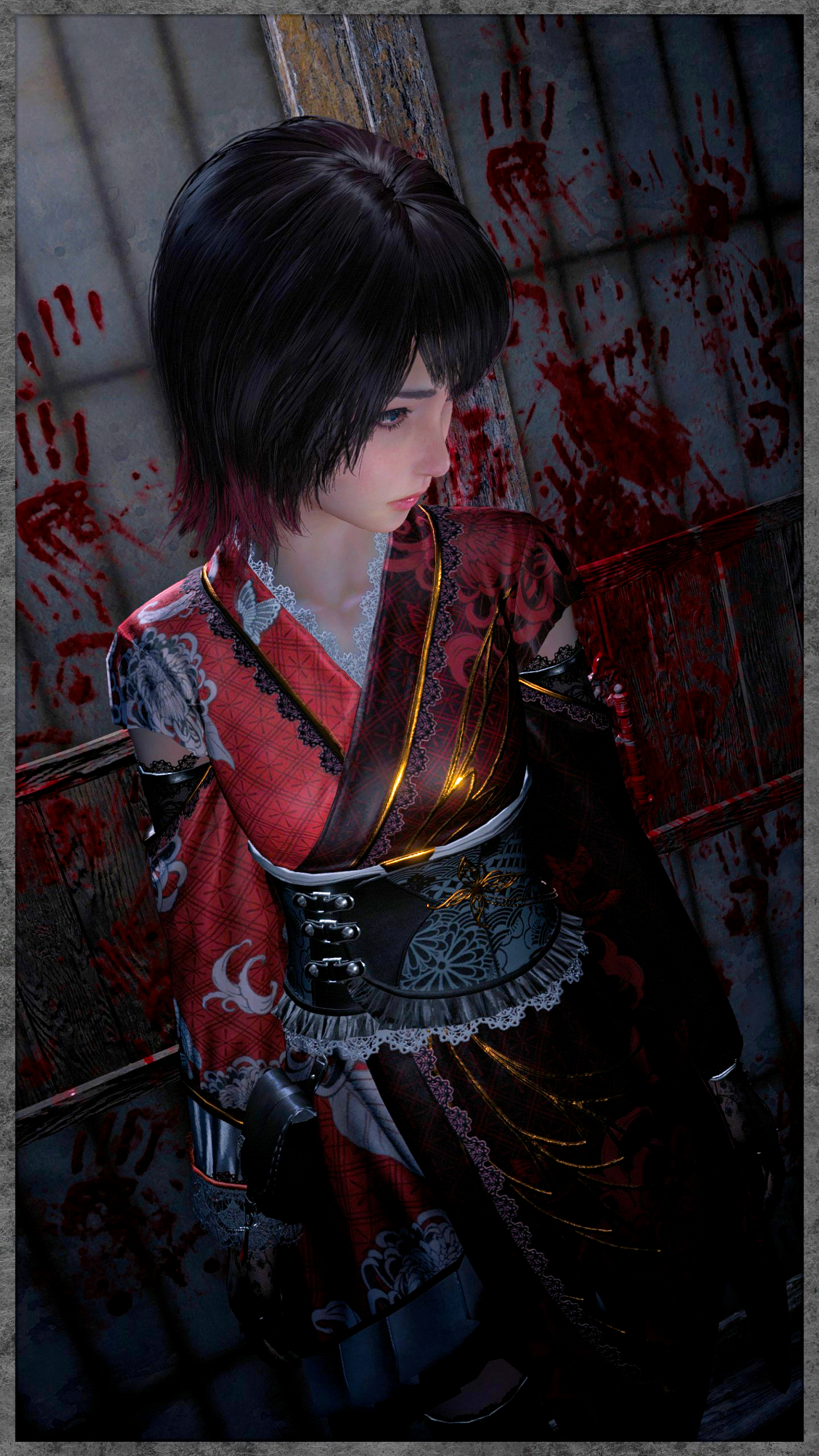
Story-wise, we’re still following Mio and Mayu—twin sisters lost in a cursed village where a ritual demands a sacrifice of twins. The narrative is told mostly through found documents and flashbacks. It’s tragic, a little predictable if you know Japanese folklore, but it lands. The new side-stories flesh out the village’s history, and the multiple endings (six this time) give you reason to replay. One veteran reviewer called the new “Crimson Butterfly” ending “nothing short of incredible.” I agree. It’s a rare moment where the remake improves on the original’s emotional punch.
But then we get to the gameplay. And here, the remake stumbles.
The Camera Obscura has been rebuilt from the ground up. You now have filters that replace old lenses: Radiant for close-range power, Exposure for rapid fire, Perceptual for sniping through walls. You can zoom, focus, and switch film on the fly. In theory, this is rich. In practice, it’s overwhelming. The first few hours are a tutorial nightmare—the game throws you into combat without explaining the systems, then gives you a pop-up after you’ve already figured it out. The controls are fidgety: one reviewer counted six buttons just to take a picture (trigger, zoom, filter swap, etc.). I’ll add that Mio moves like she’s wading through molasses. In a game where ghosts teleport and spawn constantly, that slowness turns tension into tedium.
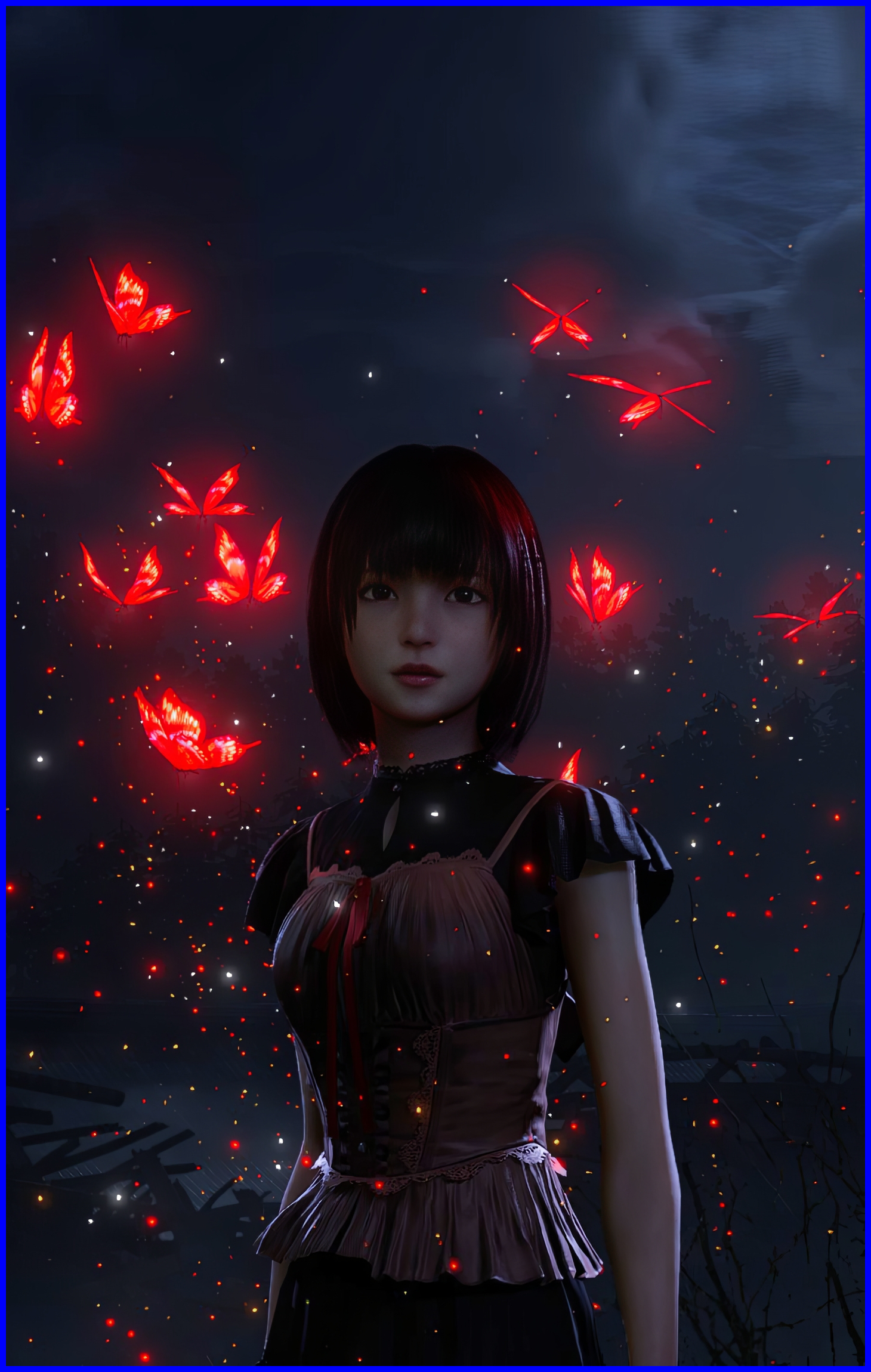
And oh, the spawns. After chapter 5, the village becomes a ghost-filled theme park. Random wraiths appear every few steps, sometimes three at a time. They’re tanky, too—especially the “aggravated” ones that regenerate health. The intent is to keep you on edge, but it backfires. Instead of fear, I felt annoyance. “Oh, you again,” I’d mutter, snap a few photos, and move on. The stealth sections with one-hit-kill Kusabi are a nice idea, but Mayu’s AI is erratic—she sometimes stands still during chase sequences, earning you a game over. The hand-holding mechanic is sweet but clunky; she teleports into position like a glitched marionette.
There’s also the notorious Kurosawa Patriarch fight in Chapter 9. He leaps into the rafters and becomes nearly unhittable unless you’ve upgraded Zoom. I didn’t. I spent over an hour circling, unable to land a shot. One player uninstalled at this point. I eventually scraped through, but it felt less like a skill check and more like a buggy design oversight. The boss’s multiple phases drag on, and the final confrontation with Kusabi is anticlimactic—easier than a random hallway ghost.
The game also has a pacing problem. The original was tight, a ghost story that respected your time. Here, side-stories and collectibles double the playtime, and backtracking across the same areas (now infested with extra ghosts) wears thin. Want all achievements? Prepare for multiple playthroughs and a grind for photo points. Costumes cost millions of points. One reviewer noted they’d played seven times and still weren’t done. Back in my day, a game shipped complete with unlockables you could earn in a reasonable playthrough. Here, it feels like padding to mask length.
Performance-wise, the game is a mixed bag. It caps at 60 FPS (cutscenes at 30), which is fine for a console port, but it’s poorly optimized on AMD GPUs—stuttering and low frame rates even on strong hardware. Nvidia users fare better. HDR is essential; without it, blacks look washed out. There are also bugs: Mayu getting stuck in geometry, achievements not unlocking. Not game-breaking, but they add to the frustration.
Now, I’ve read the reviews. Newcomers love the atmosphere and story. Veterans are split—some praise the expanded combat depth, others miss the simpler, scarier original. There’s a consensus that this is a 7 or 8 out of 10 game. I’m leaning toward 7. It’s beautiful. It has moments of genuine dread. The new content adds lore that rewards exploration. But the combat is overcomplicated, the enemy density is exhausting, and the pacing sags. It’s like meeting an old friend who’s had too much plastic surgery: you recognize the soul, but the face is strange.
Is it worth playing? If you’re new to the series, absolutely—just know that the first few chapters are a hurdle. If you’re a veteran, you’ll enjoy revisiting Minakami, but you’ll likely sigh more than you shriek. For horror purists, the original PS2 version still holds that crown of pure dread. This remake is a good game, but not a great one. And after 54 years of this hobby, I know the difference.