Forza Horizon 6: Same Festival, Different Postcode
You know that feeling when you crack open a book you’ve read a dozen times before? Same dog-eared pages, same worn-out plot, but a fresh cover. That’s Forza Horizon 6 in a nutshell. A beautiful, technically competent, and ultimately hollow re-skin of a game that peaked three entries ago. Japan is finally here, and credit where it’s due—the map is a triumph. Tokyo’s neon arteries pulse with life, the mountain passes of Hakone demand respect, and the rural sprawl from Okinawa-style beaches to Hokkaido snowfields is the most varied and engaging open world the series has ever produced. But wrap that gorgeous map in the same tired progression, the same predatory economy, and the same toothless AI, and you’re left wondering if Playground Games spent five years just picking a location and then copying and pasting Forza Horizon 5’s code.
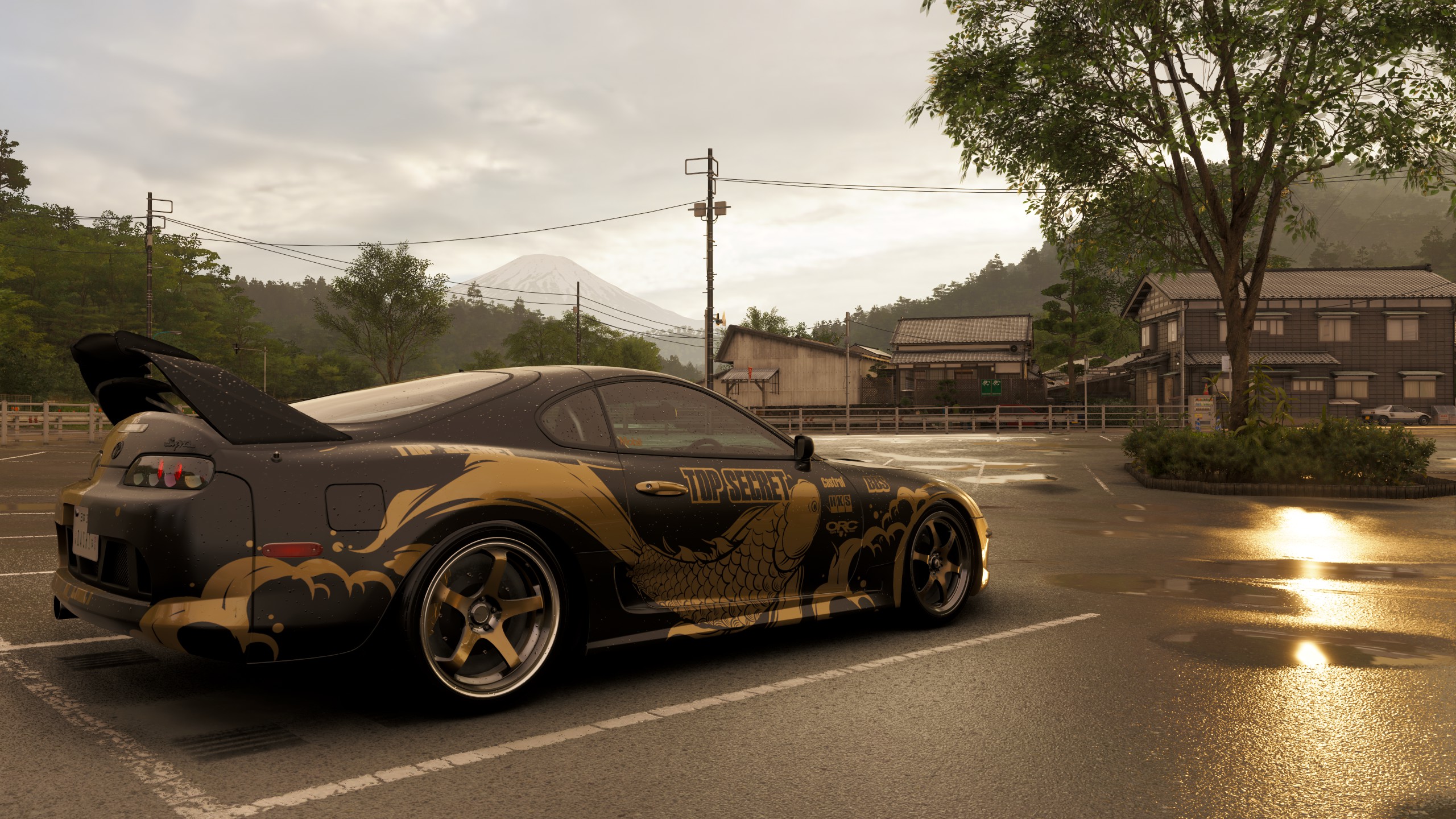
The first few hours are magical. You’re a tourist—literally—and the game hands you a wristband and a set of keys. The qualifying races, the Horizon Invitational, the promise of Legend Island… it all feels fresh. The handling is that familiar, addictive simcade sweet spot that Horizon has perfected. Cars feel weighty but forgiving, drifting is a joy, and the new steering animations (540 degrees of wheel rotation!) are a nice touch for us wheel users. The audio team deserves a raise—engine notes have real presence now, with a growl and reverb that makes you want to just cruise. And cruise you will, because the map is an absolute stunner. Every road feels hand-placed, every vista a potential desktop wallpaper. The sense of verticality, the way Tokyo’s skyscrapers loom as you climb a mountain pass, the cherry blossom tunnels—it’s the best-looking racer on PC, bar none, and it actually runs well on sensible hardware. No stutter, no crashes (for most). That alone is a minor miracle in 2026.
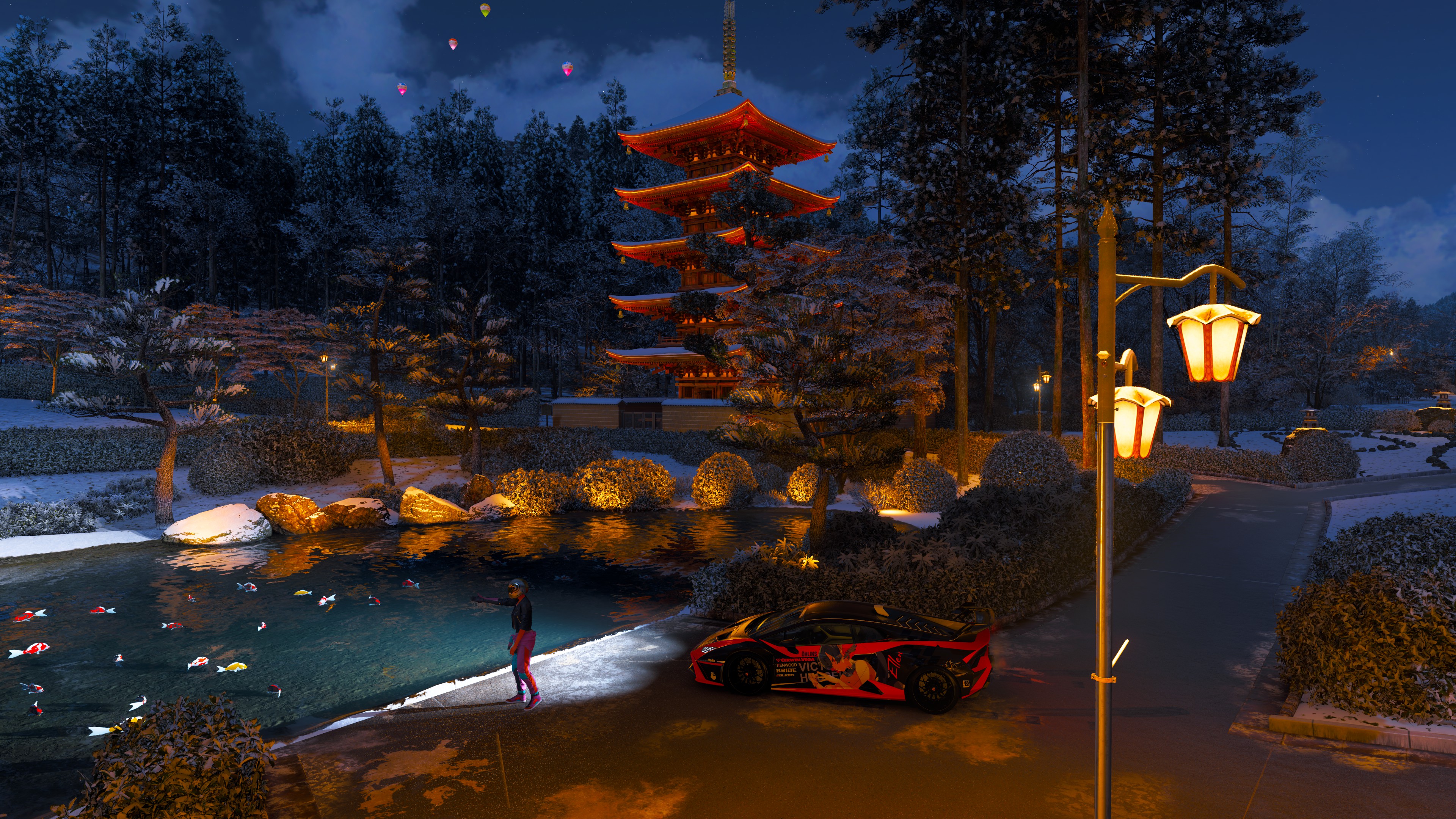
But then the honeymoon ends. You get your Gold Wristband. You unlock Legend Island—which, by the way, is about as legendary as a half-empty car park behind a strip mall. And then you’re left with… the Festival Playlist. The same FOMO-driven weekly chores that have defined the series since Horizon 4. Complete this race, earn that car, do it all again next week. Only this time, the economy has been deliberately crippled. Wheelspins are scarce and mostly give you 5,000 credits or a t-shirt. Race payouts are a pittance. The auction house is a scalper’s paradise and the devs have nerfed every legitimate credit-farming method faster than you can say “microtransaction voucher.” You’re left with a choice: grind for hours to buy that 20-million-credit classic, or whip out your wallet. It’s not just cynical—it’s insulting. I’ve read more generous economic systems in the back of a bargain-bin paperback.
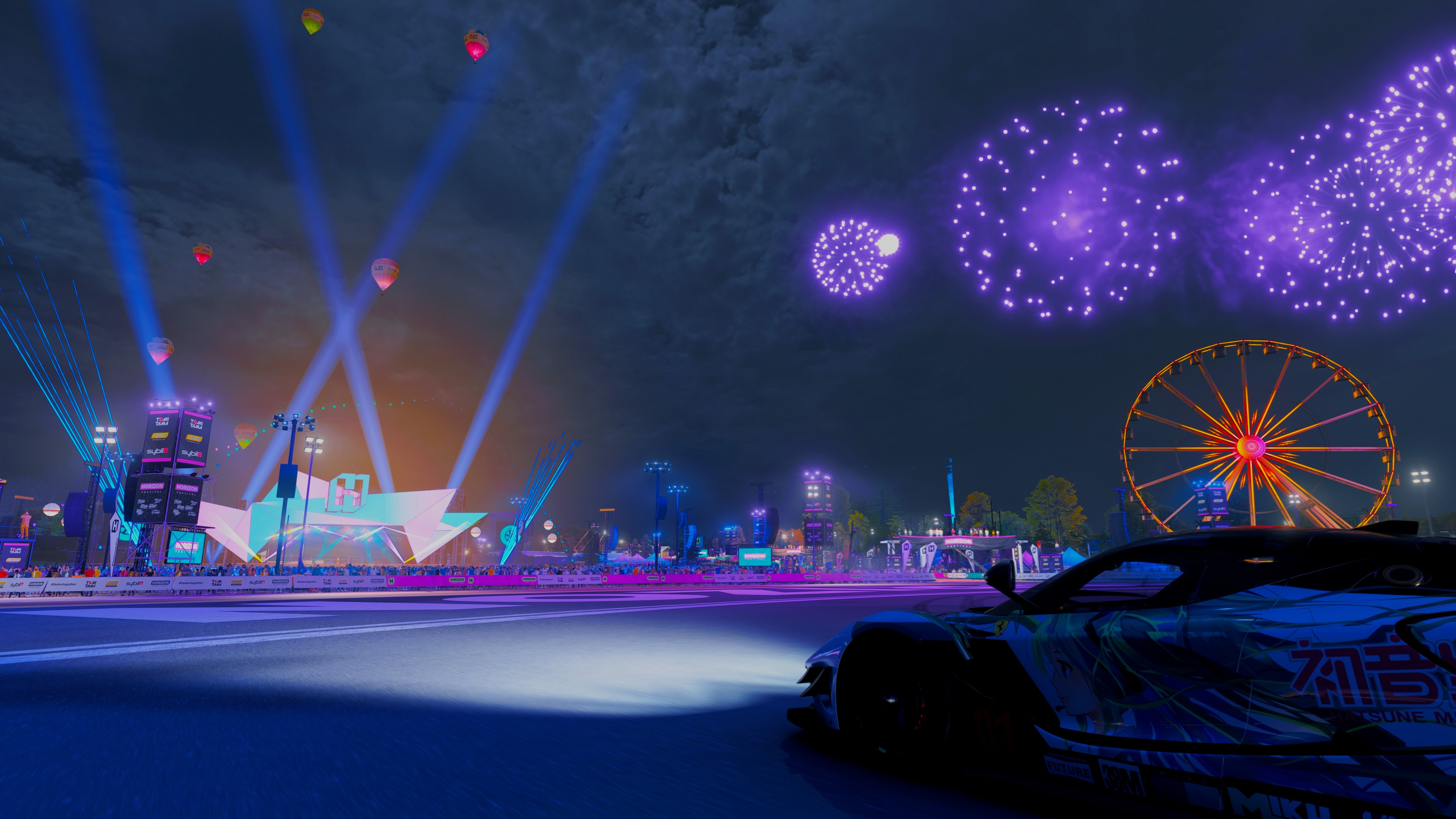
The AI is another step backward. On lower difficulties, you’re racing alone after the first corner. On higher difficulties, the Drivatars cheat mercilessly—they take corners at impossible speeds, they brake check you into walls, they have rubber-band acceleration that would shame a superhero. And in co-op, the AI falls so far behind that the challenge evaporates. The result is a game that can’t decide if it wants to be a chill driving sandbox or a competitive racer, and fails at both. The online mode is a ram-fest. Ghosting is inconsistent, penalties are a joke, and cheaters run rampant with impunity. The only saving grace is Spec Racing, where everyone drives the same stock car—finally, a mode where skill matters more than meta-hunting. But it’s not enough to sustain the game.
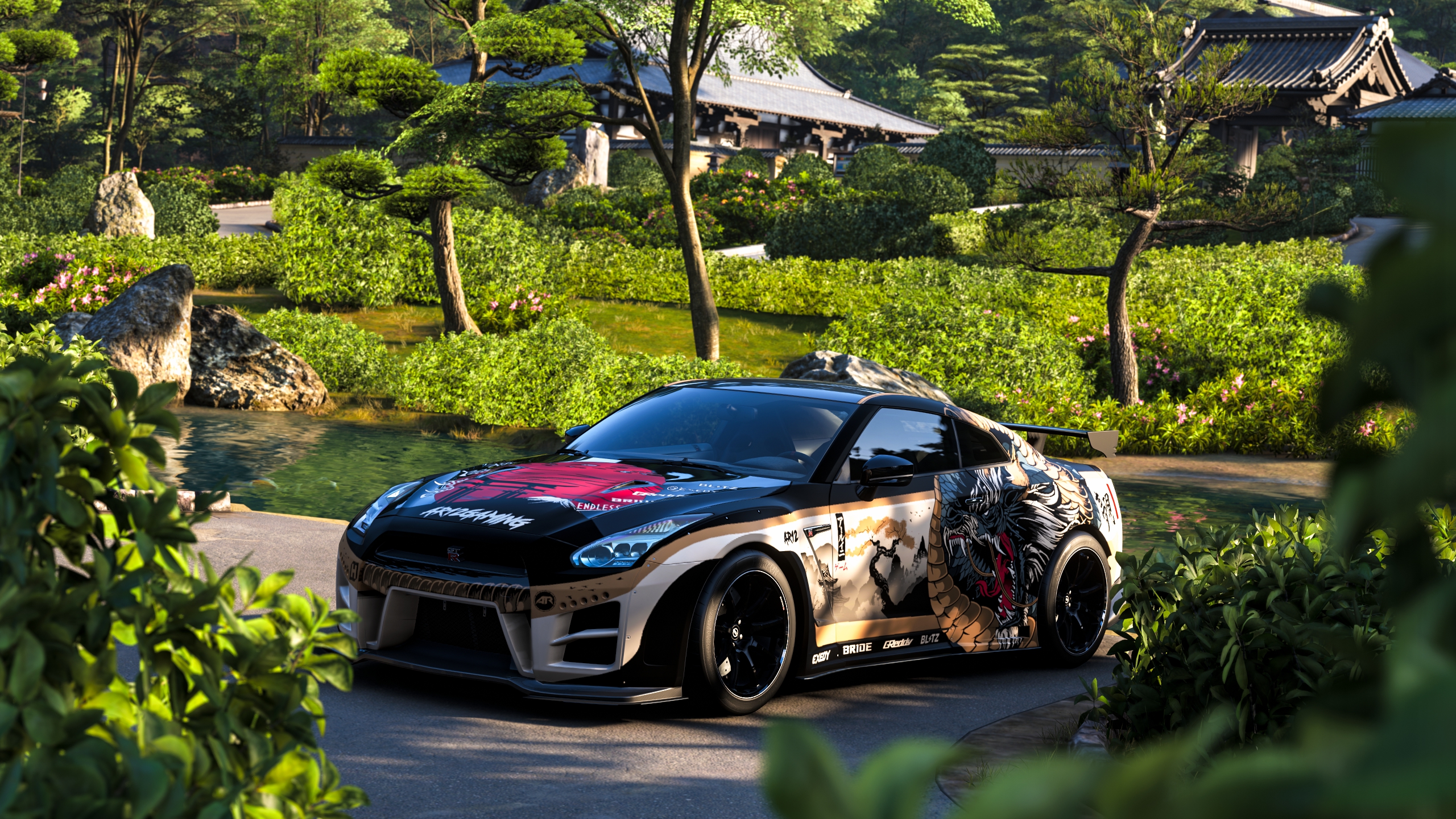
Customization remains stuck in 2012. You get one ugly Forza aero wing per car, a handful of wheels, and that’s it. In Japan—the home of bosozoku, itasha, and legendary tuner culture—you can’t even add underglow or change exhaust tips. The vinyl editor is still clunky, and half the cars are recycled models from Motorsport 7. The “story” is a cringe-fest of unskippable cutscenes featuring characters so bland they make cardboard look charismatic. I turned off the voices after the first hour and never looked back. The radio stations are decent—Gacha City Radio is a fun addition—but the lack of Japanese-language stations is a missed opportunity. And why natural? Street races are locked to night time, so you can barely see the beautiful city you’re supposed to be enjoying.
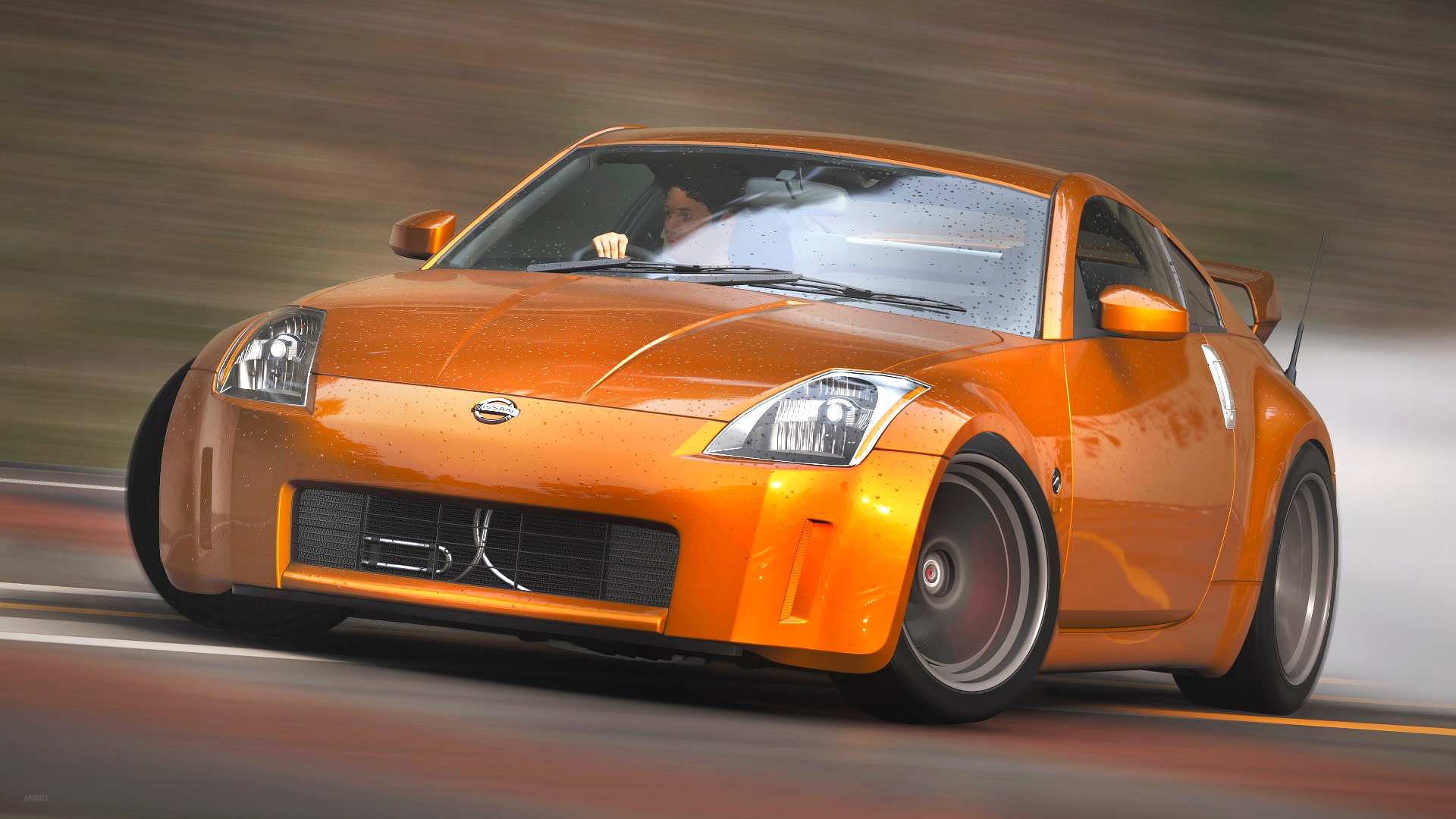
Let’s talk about the elephant in the room: this is a live-service game that launched with less content than Horizon 5 had at the end of its cycle. The car count is lower (550 vs 900), the event list is shorter, and the post-launch updates have been anemic—mostly recycled cars from previous games dressed up as “new.” The much-hyped Car Meets are ghost towns because the social features are nonexistent. No in-game voice chat, no clubs, no real reason to congregate. It’s a single-player game masquerading as a multiplayer one.
So where does that leave us? Forza Horizon 6 is a paradox. It’s the best-looking, best-sounding, best-driving arcade racer on the market. The map alone is worth the price of admission for newcomers. But for veterans who’ve been around since Horizon 3—who remember when the series had soul, when progression felt earned, when the festival actually felt like a festival—this is a cynical, complacent product. It’s the Call of Duty of racing games: same formula, new coat of paint, and a storefront shoved in your face every five minutes.
I’ll keep playing. The map is too good to abandon entirely. But I’ll be playing in spite of the game, not because of it. If you’re new to the series, grab it on sale and enjoy 60 hours of pure driving bliss. If you’ve been here before… lower your expectations. Way, way down.
Verdict: A beautiful, broken symphony of missed potential. The best map in the series, shackled to the worst economy and the most uninspired design decisions since Horizon 5. Japan deserves better. So do you.