Gamblers Table: A Coin-Flipping Curio That Runs Out of Flip
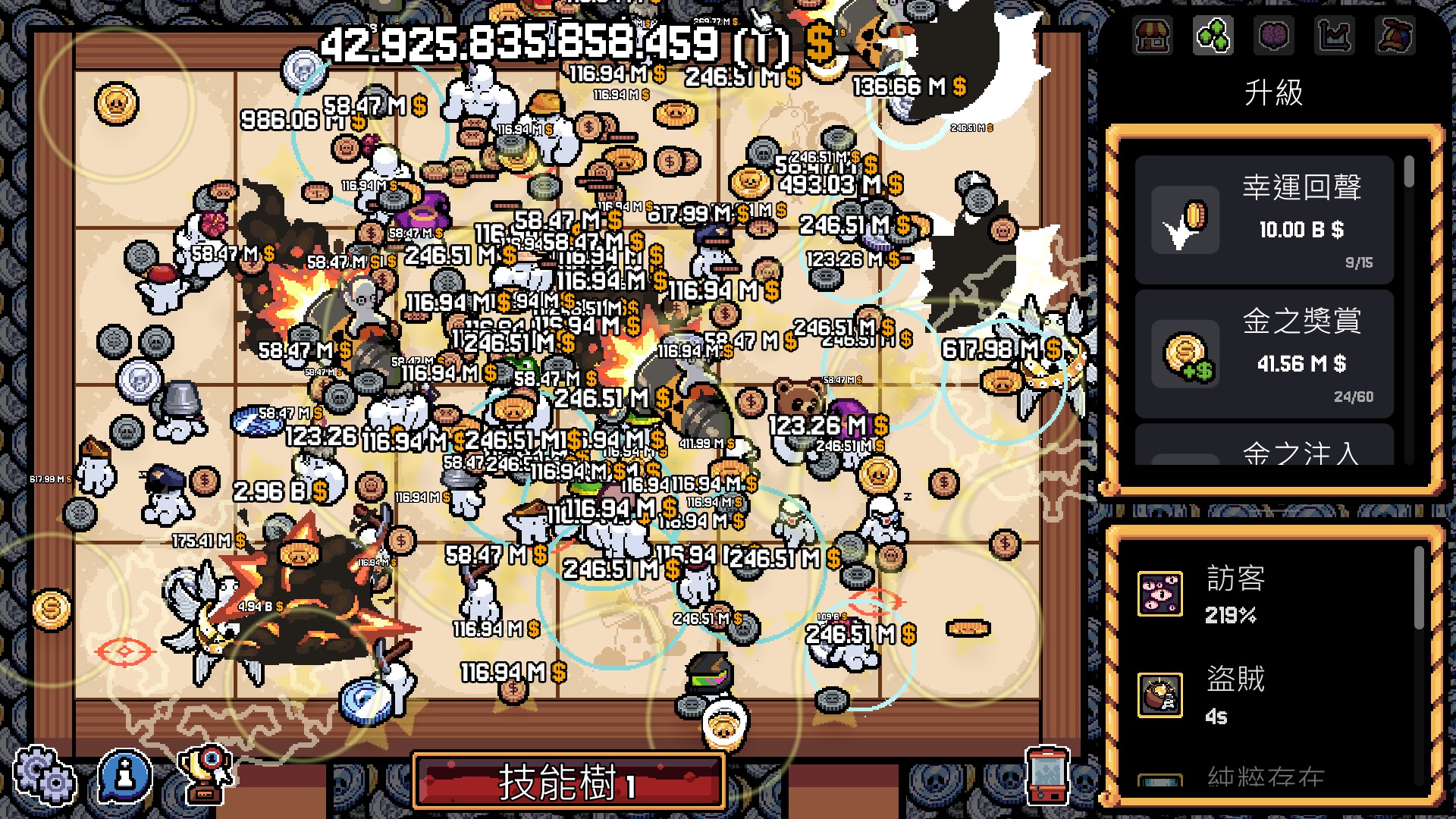
I’ve been playing incremental games since before they were called that. Back when you had to manually click a button in a Flash game and call it a day. So when I saw Gamblers Table—a pixel-art coin-flipping simulator where you buy bigger coins, hire little helpers, and watch numbers climb—I felt a familiar tug. A comfortable itch. The promise of a few quiet evenings watching virtual wealth accumulate. And for the first hour or two, it delivers exactly that. You click coins, they land on heads or tails, you earn cash, you buy more coins, you hire a little man in a propeller hat to flip for you. Your grandmother would approve. One player actually got their grandma laughing for an hour and a half at the sight of those tiny coin-flipping workers, and I can see why. There’s a genuine charm here, a warmth in its modest pixel art and the absurdity of hiring an army of miniature employees to do your flipping for you.
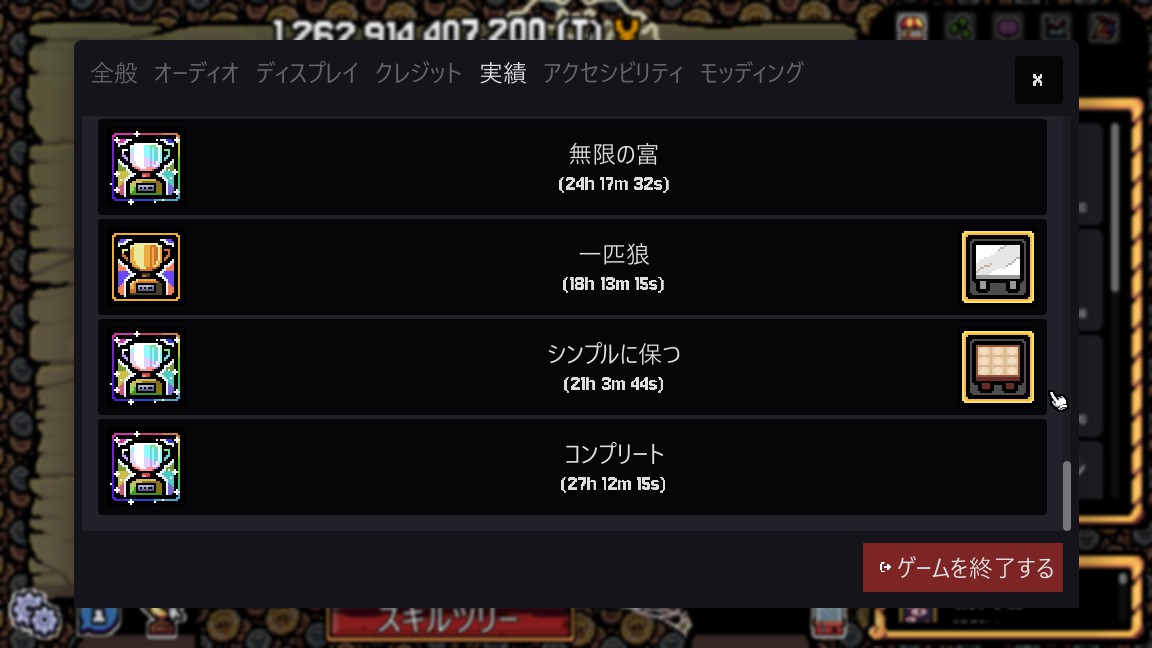
But here’s the thing about incremental games: they live or die on pacing. The best ones—the Cookie Clickers, the Reactor Idles, the Antimatter Dimensions—make you feel like you’re always on the verge of a breakthrough. Each upgrade cascades into the next, and the dopamine hits come in waves. Gamblers Table starts strong, but about three hours in, the wave breaks. You hit a wall. Not a clever, strategic wall that asks you to rethink your approach. Just a wall of waiting. The skill tree, which initially seemed promising with its branching paths, quickly reveals itself to be shallow. There’s one dominant synergy that outperforms everything else, and once you spot it, there’s no reason to experiment. You follow the obvious path, and then you wait. And wait. And wait.
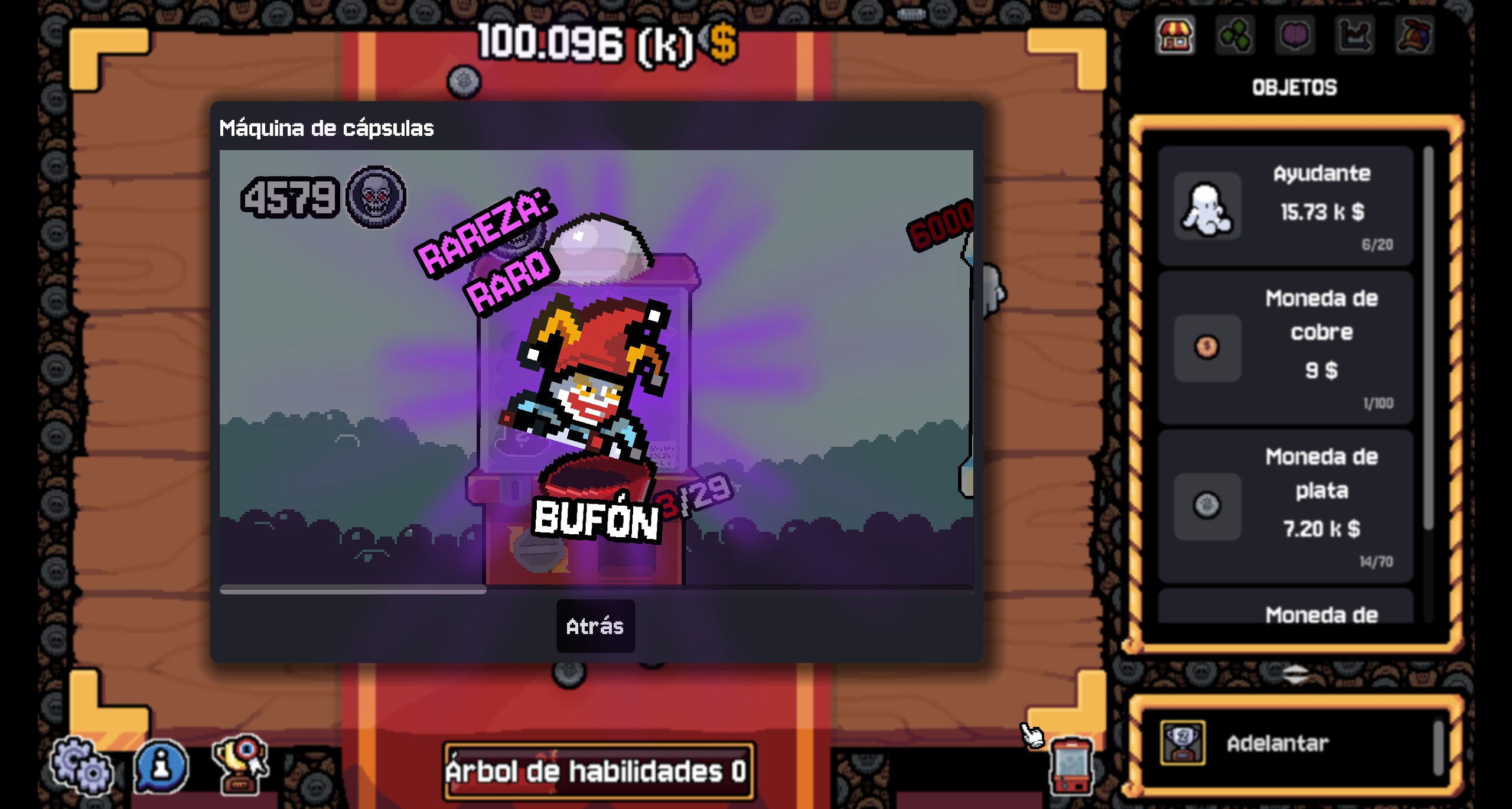
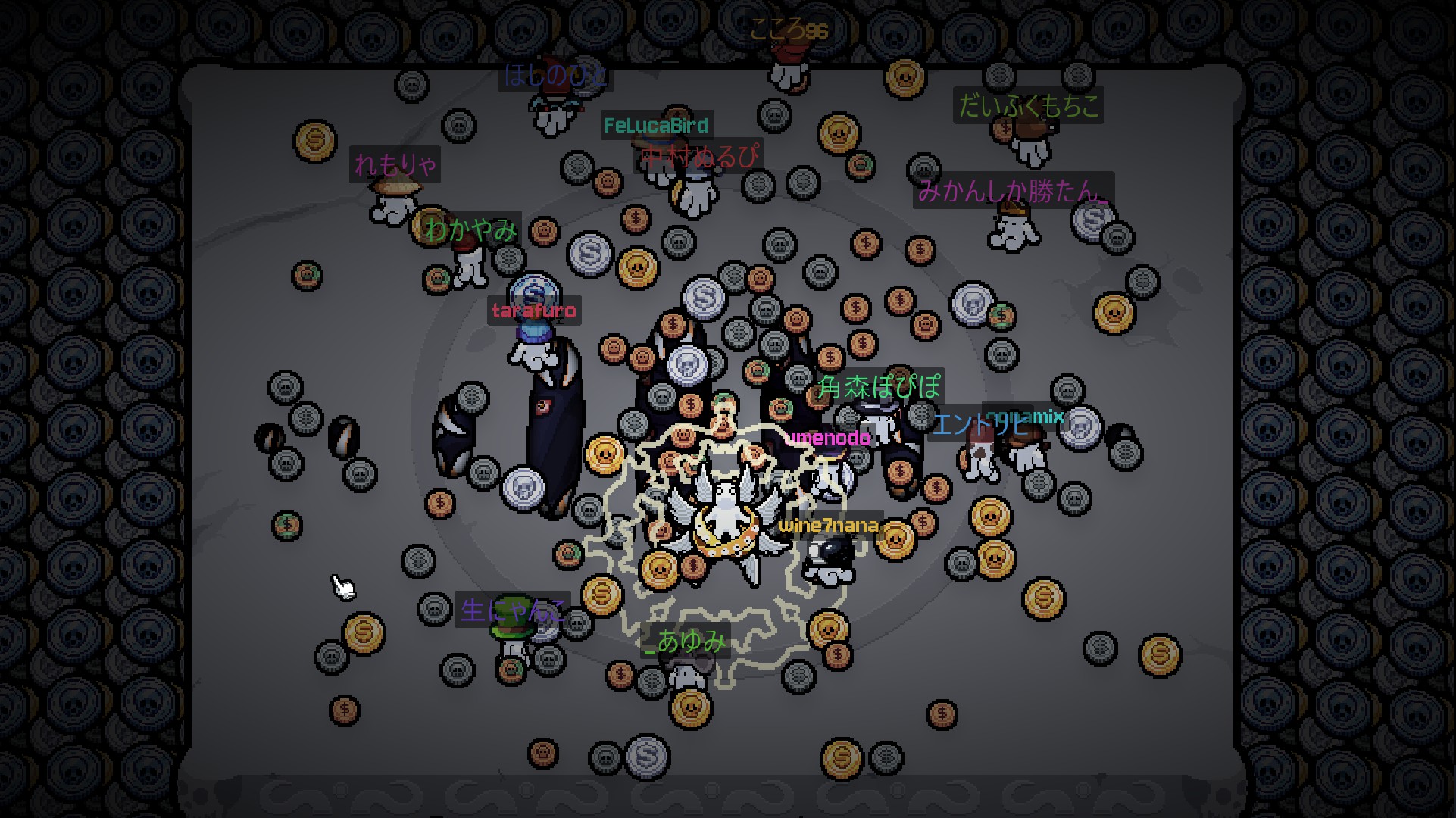
It’s a shame, because the core loop is satisfying. Flipping coins feels tactile, the sound effects are crisp, and the visual chaos of dozens of coins bouncing across the table is genuinely hypnotic. The helpers are adorable, and the hat system—where you can dress them in sombreros, buckets, eggs, and propeller hats—is a delight. The capsule machine that dispenses these hats using skull tokens (earned from tails flips) is a clever way to add a collectible layer. But the hats are purely cosmetic. They do nothing. Hundreds of models, one player pointed out, and they’re all useless. Achievements also grant no permanent buffs. The prestige system, called “sacrificing,” resets your progress for skill points, but the curve is brutal. One reviewer described it as going from fun for two hours, to grinding for thirty hours, to beating the game in five. That’s not a satisfying arc; that’s a poorly tuned difficulty ramp.
There are also technical quirks that grate. The cursor becomes nearly invisible at mid-game when the screen fills with flipping coins. Accessibility options exist—you can change cursor size and color—but they’re not obvious until you dig into the menus. The moving background can cause motion sickness, and there’s no toggle for it. The capsule machine animations are fun the first ten times, but by the fiftieth, you’re begging for a skip button. Coins can stack awkwardly on the left side of the table when using certain abilities, and the “oxidation” skill prevents you from clicking coins for a period, which feels like the game punishing you for playing it. These aren’t game-breakers, but they accumulate like dust on a neglected shelf.
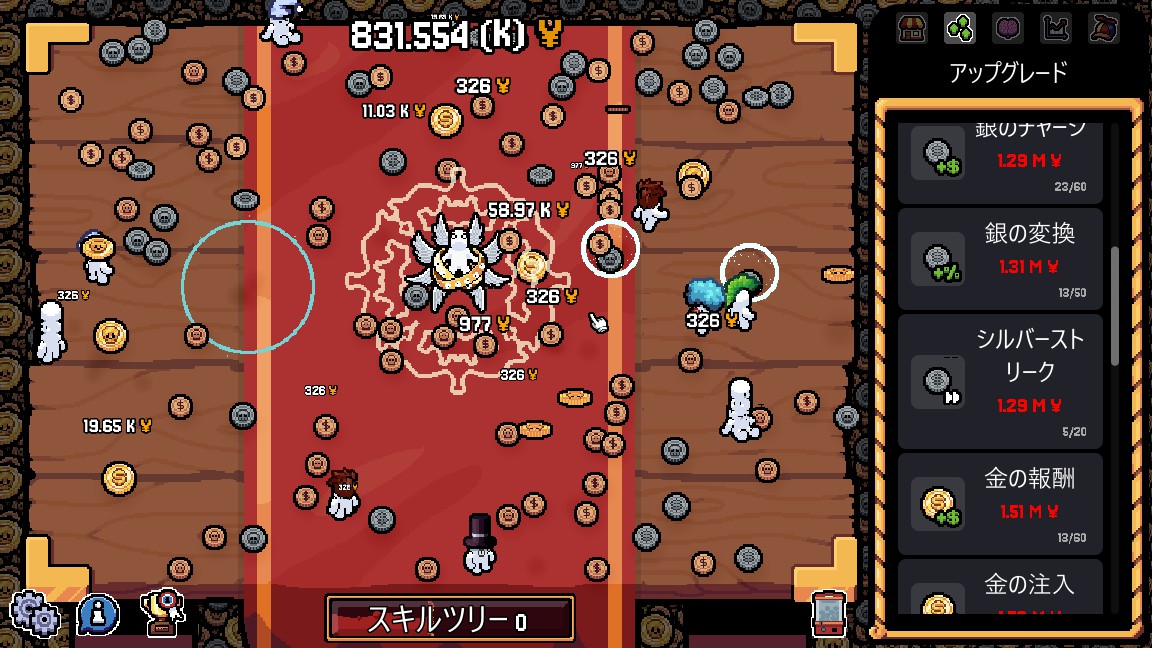
That said, not everyone hated it. A handful of players praised the game for being actively engaging from start to finish, with no need to idle. They finished it in two sittings, around seven hours, and felt satisfied with the price. The developer is actively patching—one recent update expanded the skill tree, and another player noted that the new version is “much better.” The game is cheap. Four to seven dollars, depending on sales. For that price, you get a polished, if shallow, experience that will scratch an itch for a weekend. It runs well, has no major bugs, and the workshop supports mods. If you’re the kind of person who can enjoy a short, cozy clicker without expecting hundreds of hours of depth, Gamblers Table might be exactly what you need.
But I can’t ignore the consensus. The majority of players describe an experience that starts promising and then runs out of steam. The skill tree is too short, the prestige grind is too steep, and the endgame content feels unfinished. The hats are cute but meaningless. The helpers are adorable but useless in early game. The pacing is a seesaw: too fast at first, then too slow, then suddenly over. One player called it “a waiting game, not an incremental game,” and I think that’s the crux of it. A good incremental game makes you feel like you’re always making progress, even when you’re idle. Gamblers Table makes you feel like you’re waiting for the game to let you have fun again.
There’s a kernel of something special here. The art style is charming, the concept is simple and effective, and the developers are clearly listening to feedback. The fact that they’re still patching months after release is a good sign. But as it stands right now, Gamblers Table is a game for die-hard incremental fans on a discount, or for someone who wants a cozy, low-stakes distraction for an afternoon. It’s not a game that will hold your attention for weeks. It’s not a game that will make you rethink the genre. It’s a coin on a table. You flip it, you watch it spin, and eventually it lands. The question is whether the result is worth the time you spent waiting for it to fall.
I’ve read better worldbuilding in a second-hand paperback, and I’ve played better incrementals on a web browser from 2007. But I’ve also played worse. If you’re patient, if you don’t mind a few rough edges, and if you have a grandmother who needs a laugh, you could do worse than Gamblers Table. Just don’t expect it to become your new obsession. It’s a pleasant diversion, not a magnum opus. And sometimes, that’s enough.