Gambonanza: A Chess Roguelike That Stumbles Over Its Own Pawns
I’ve been playing games since the Atari 2600, back when a ‘roguelike’ meant you died and started over with the same eight-bit dungeon. I’ve seen trends come and go—and right now, the trend is ‘Balatro but with [X].’ Gambonanza wants to be Balatro with chess. The ambition is there, the pixel art is crisp, and the music has a fairground charm. But after a dozen runs and a lot of sighing into my coffee, I have to say: this game is deeply, fundamentally flawed. It’s not broken beyond repair, but it’s not ready for prime time either.
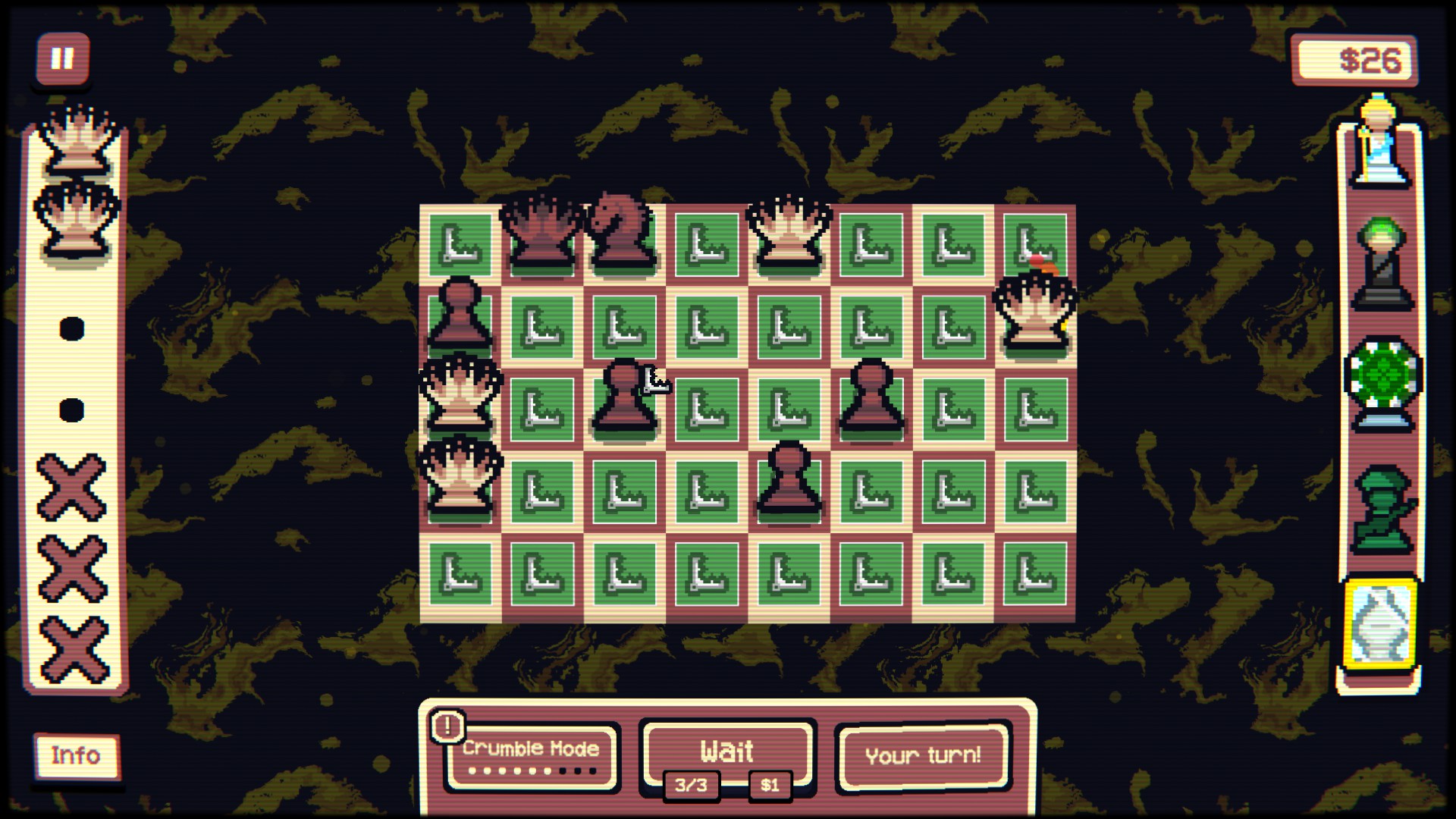
Let’s start with what works. The presentation is slick. The retro CRT filter, the chunky pixel pieces, and the playful animations—they all scream ‘we studied Balatro’s homework.’ And that’s fine. The game has its own identity in the mechanics, even if the visual style is borrowed. The gambits (this game’s equivalent of jokers) are numerous—over 150—and some of them genuinely change how you play. You can turn bishops into money-printing machines, make pawns move like knights, or skip enemy turns with a well-placed capture. When a combo clicks, it feels great. I had one run where I was generating phantom queens, turning them into real pieces with gold tiles, and basically printing an army. That was fun. That was the dopamine hit I chase in any roguelike.
But the problems start piling up faster than a collapsing board in the mid-game. The core issue is permanent piece loss. In chess, trading material is a fundamental part of strategy. You sacrifice a pawn to open lines, or a knight to force a favorable endgame. In Gambonanza, losing any piece means it’s gone for the rest of the run. That single change warps everything. You’re actively punished for making any capture that leaves your piece exposed—even if you win the trade materially. The AI, bless its simple heart, will happily trade a queen for your pawn because it doesn’t care about long-term consequences. But you do. So the optimal strategy becomes: don’t do anything. Wait for the AI to blunder. And it will blunder, because the AI is terrible. It moves randomly when no capture is available. It walks pieces into traps. It ignores forks and pins. The game essentially forces you to stall, hoping the opponent makes a mistake, because any proactive move risks losing a piece you’ll never get back.
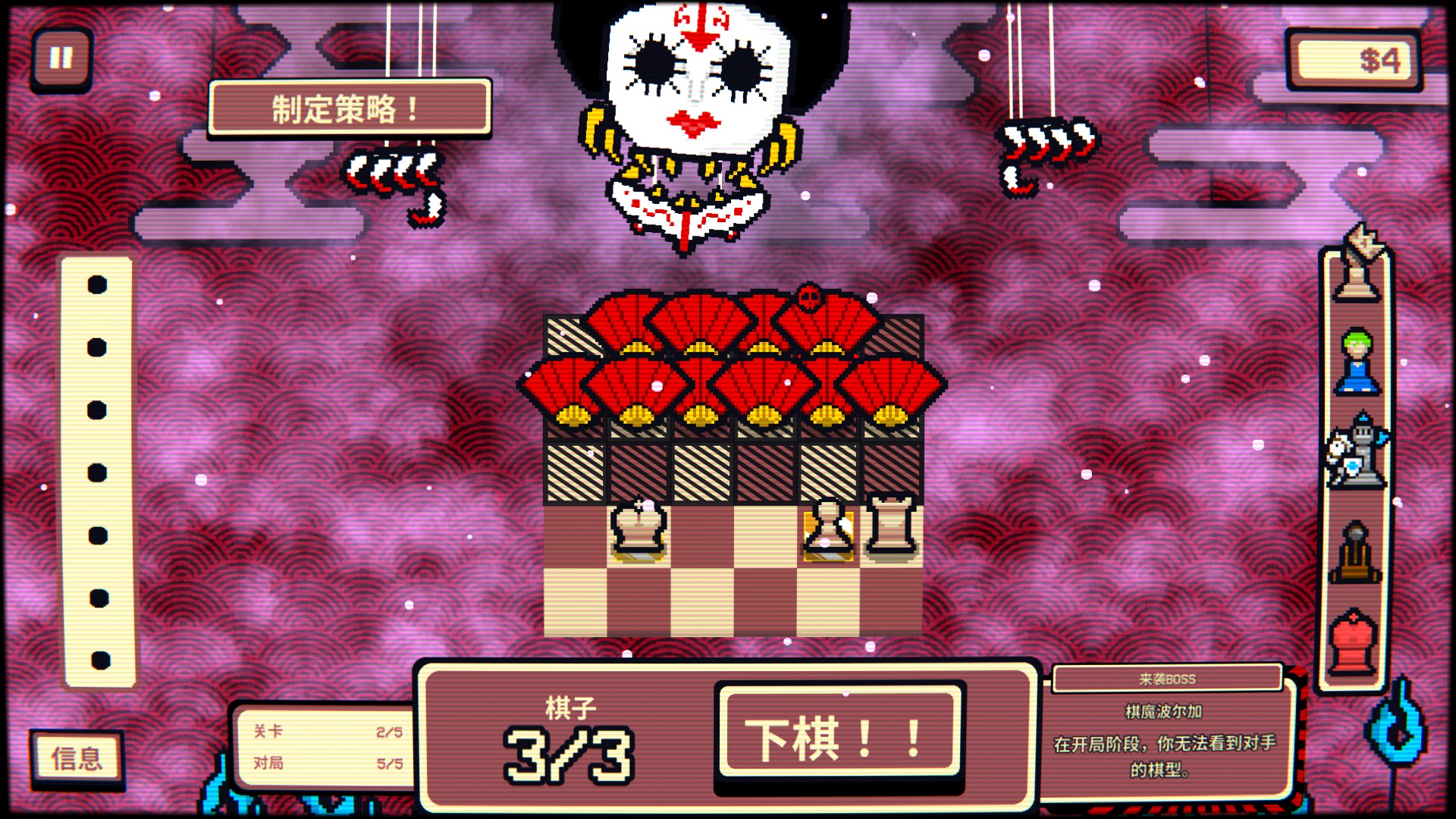
This leads to a gameplay loop that feels less like chess and more like a waiting game. You shuffle your pieces, pass turns, and pray the AI hangs a queen. The board crumble mechanic—where tiles randomly fall away, destroying any piece on them—is supposed to prevent infinite stalling. But it’s just another layer of frustration. Sometimes the crumble takes out an enemy piece you couldn’t reach, which feels cheap. Sometimes it takes out your last rook, which feels worse. It’s a band-aid over a design that doesn’t know what it wants to be.
The economy is another mess. You earn money by winning matches and holding interest. But you need to spend that money on new pieces (because you keep losing them), on board capacity upgrades (because you start with a tiny board and the AI has three times your pieces by stage 2), and on gambits (which are the only way to break the stalemate). The prices scale aggressively on higher difficulties, and many gambits are useless—either too situational, too random (1/3 chance to do something minor), or tied to pieces you can’t reliably acquire. You end up buying the same few reliable gambits every run: economy generators and piece spawners. The variety promised by 150+ gambits evaporates when 80% of them are not worth the pixels they’re rendered on.
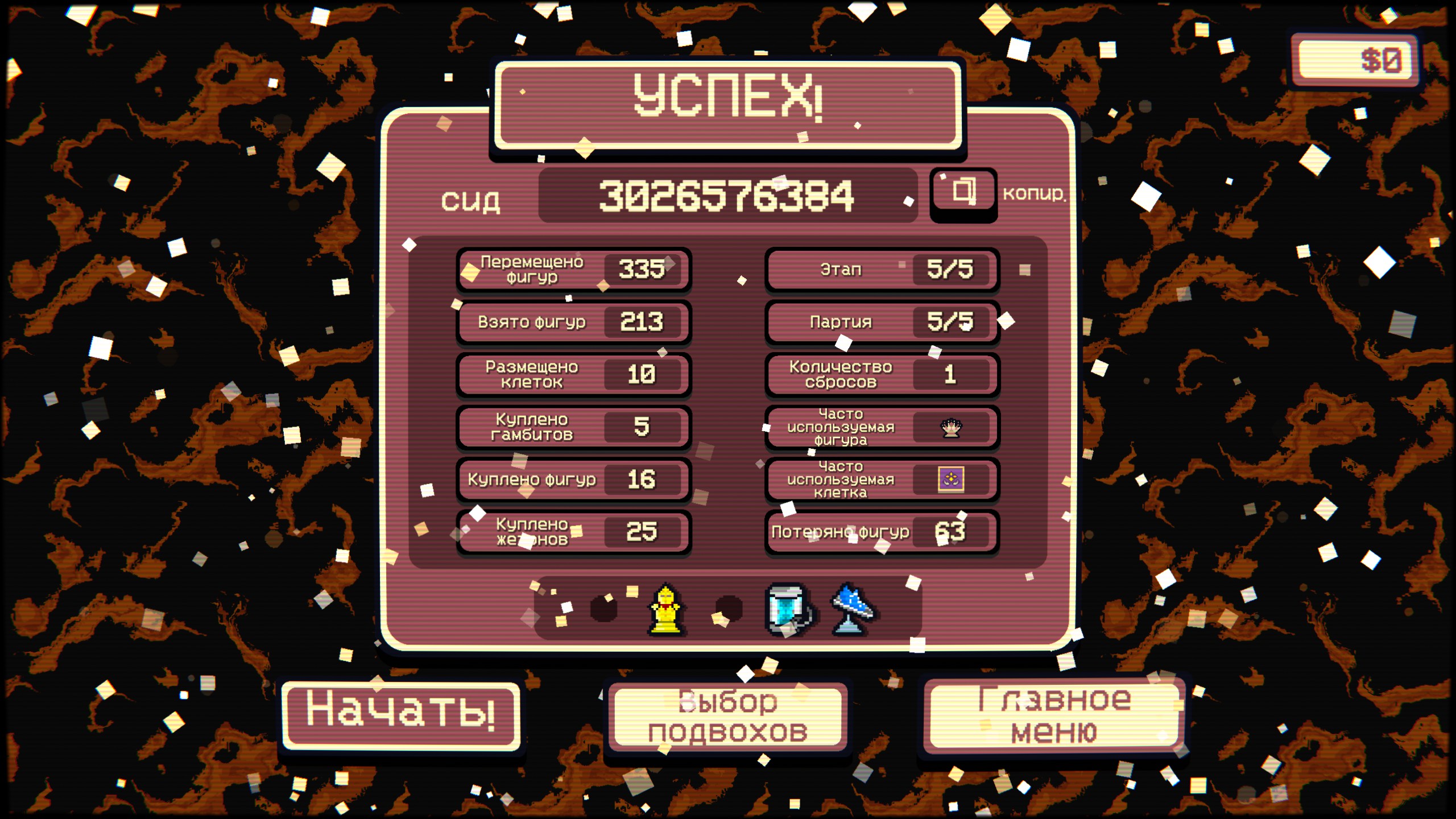
And then there’s the pacing. Unskippable animations everywhere. The boss cutscenes are cute the first time, but by the fifth run you’re mashing every key hoping to skip them. The gacha-style tile packs require a plinko minigame that adds nothing but time. The board preparation phase is slow. There’s no speed-up option, no ‘fast forward’ like Balatro has. For a game that’s supposed to be ‘snackable,’ it takes forever to get through a run. I’ve had runs last over two hours, and not because of deep strategy—because I was waiting for the AI to make a move.
The bosses themselves are clever references to chess grandmasters—Hikaru, Magnus, Tal. Their abilities are thematic, but some are outright punishing. One boss makes it so capturing any piece crumbles a random tile. Another makes half of your captures fail. These mechanics remove agency and turn the game into a lottery. The final boss on the hardest difficulty is, by all accounts, absurdly overpowered. I haven’t reached it yet—I got bored after unlocking Queen difficulty and realizing the game expects you to grind through the same early stages over and over.
I want to be clear: there is a good game in here. I’ve read reviews from chess players who love it, who have beaten the highest difficulty and praise the depth. I see the potential. The phantom tile + gold tile combo is genuinely clever. Some gambits create wonderful synergies. The developers clearly put love into this. But as it stands, Gambonanza is an unbalanced, RNG-heavy experience that punishes you for playing chess the way it was meant to be played. It’s priced higher than Balatro in some regions, which is frankly absurd given the polish gap.
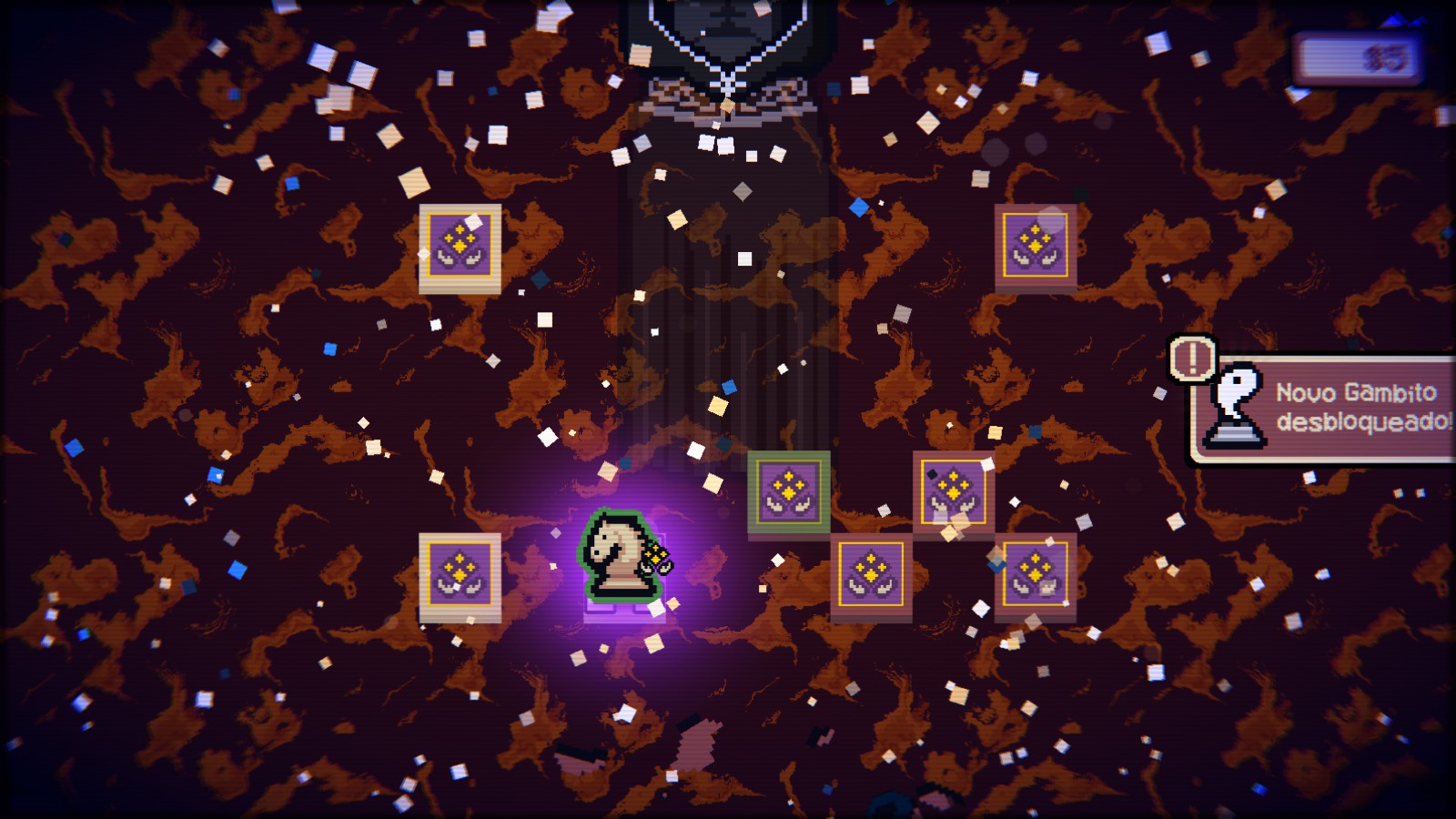
I’ve played worse. I’ve played better. I’ve played games that cost less and delivered more. Gambonanza is a solid 5/10 for me. It’s not a waste of money—you’ll get a few hours of fun before the cracks show. But I cannot recommend it at full price in its current state. Wait for a sale, wait for updates, wait for the developers to address the fundamental issues. There’s a diamond here, but it needs a lot more cutting and polishing before it shines.
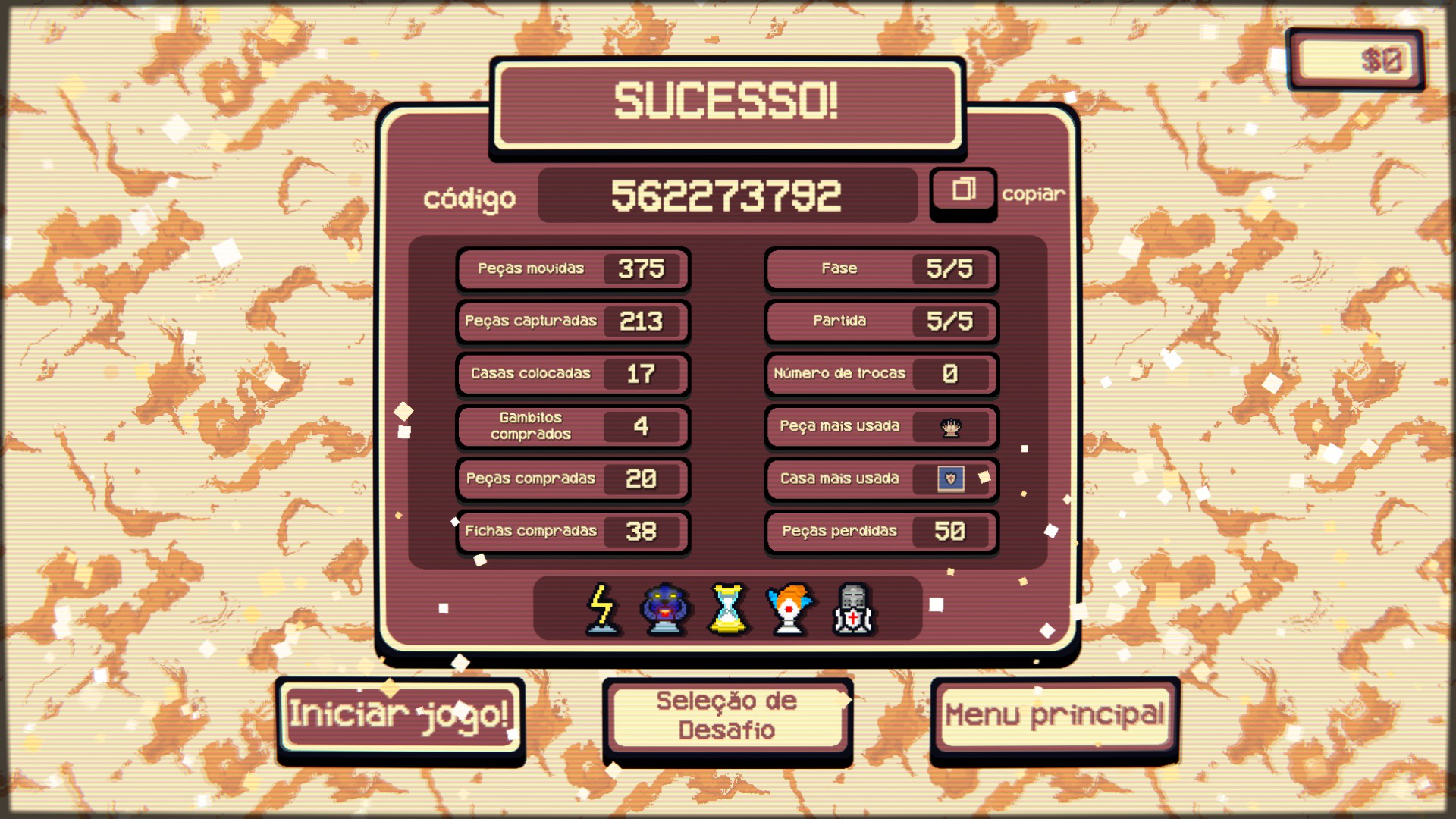
Score: 5