Haste: A blur of brilliance tangled in its own shoelaces.
Back in my day, if you wanted to go fast in a video game, you learned the levels. You memorized every pixel, every ramp, every enemy spawn, until you could run through it with your eyes closed. That was the trade-off for speed—mastery through repetition. Landfall’s Haste throws that old contract out the window and replaces it with procedural generation, item builds, and a collapsing universe that’s eating itself alive. The result is a game that feels like a shot of adrenaline straight to the heart, but one that keeps tripping over its own feet just when you hit your stride.
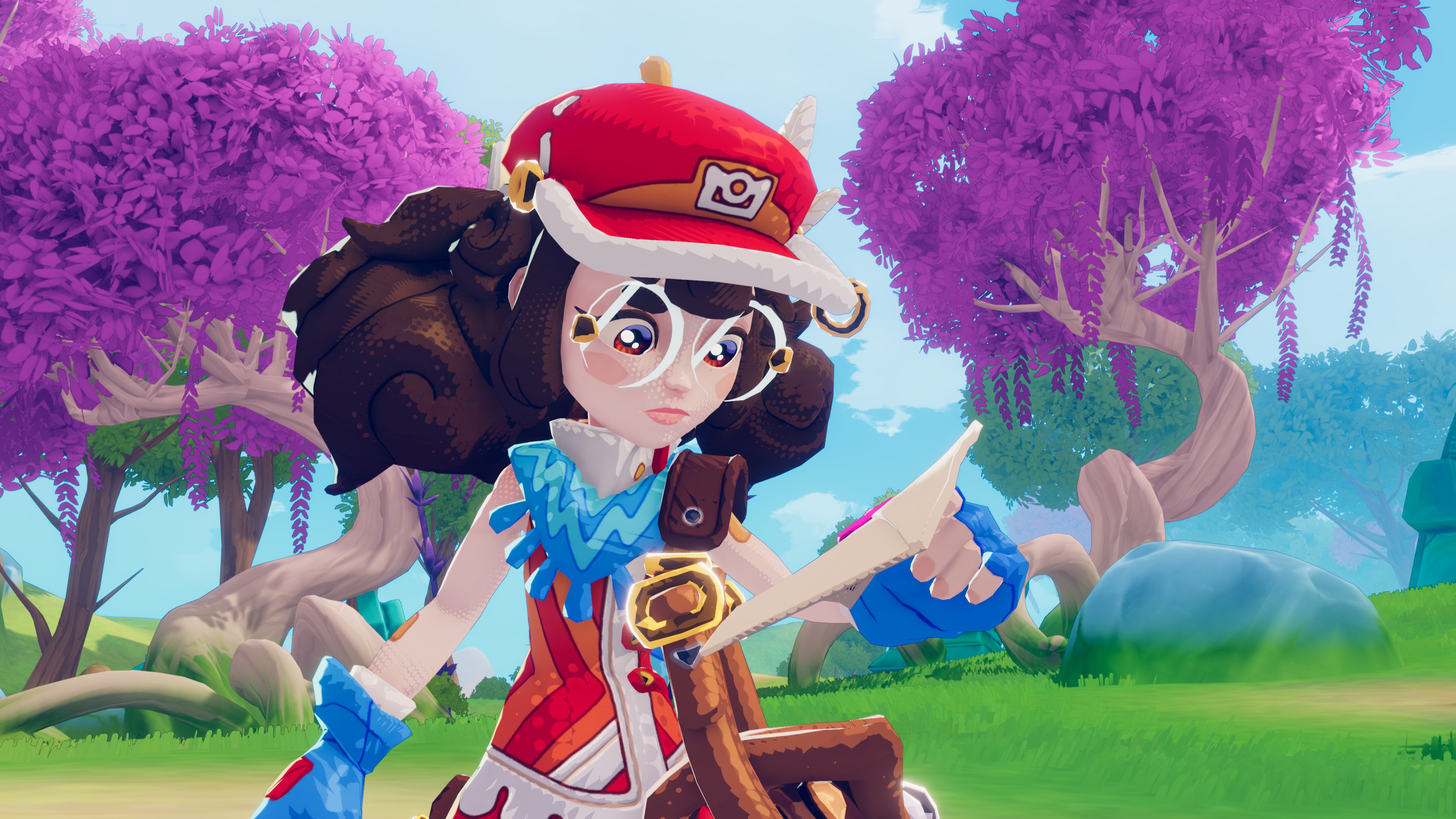
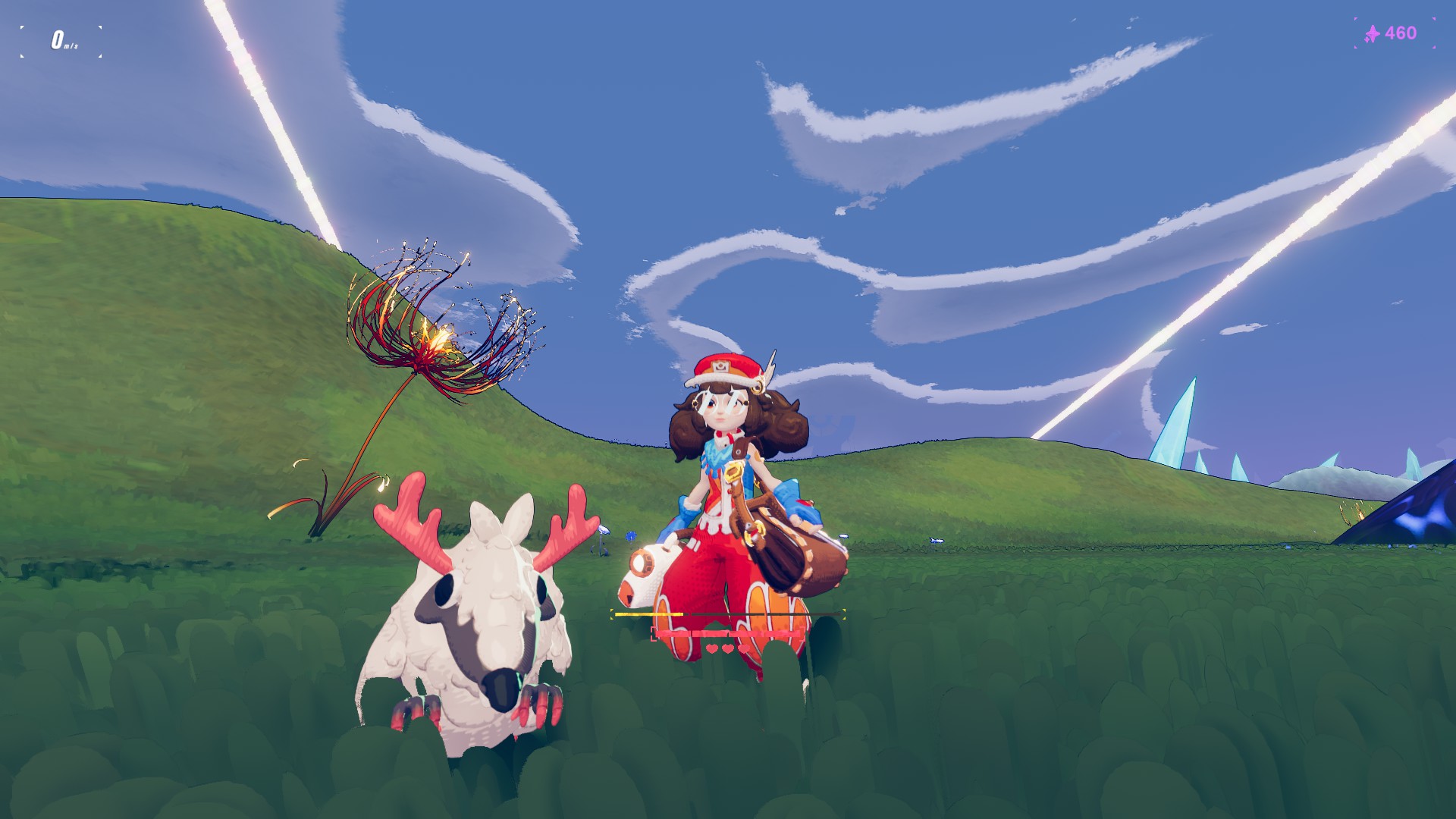
Let’s start with what works, because when Haste works, it works like a finely tuned engine. The core loop is deceptively simple: you run, you jump, you land at the right angle to maintain speed, and you dodge obstacles that appear from the void. The sense of velocity is intoxicating. The terrain shaders that show you the angle of slopes are a brilliant touch—no guesswork, just pure instinct and reaction. You can feel the game’s DNA borrowing from Tiny Wings and the better 3D Sonic titles, but it forges its own identity by making every landing a tiny gamble. Hit it right, and you soar. Hit it wrong, and you’re eating rock. That risk-reward loop is addictive enough that I found myself saying “just one more run” at 2 AM more times than I care to admit.
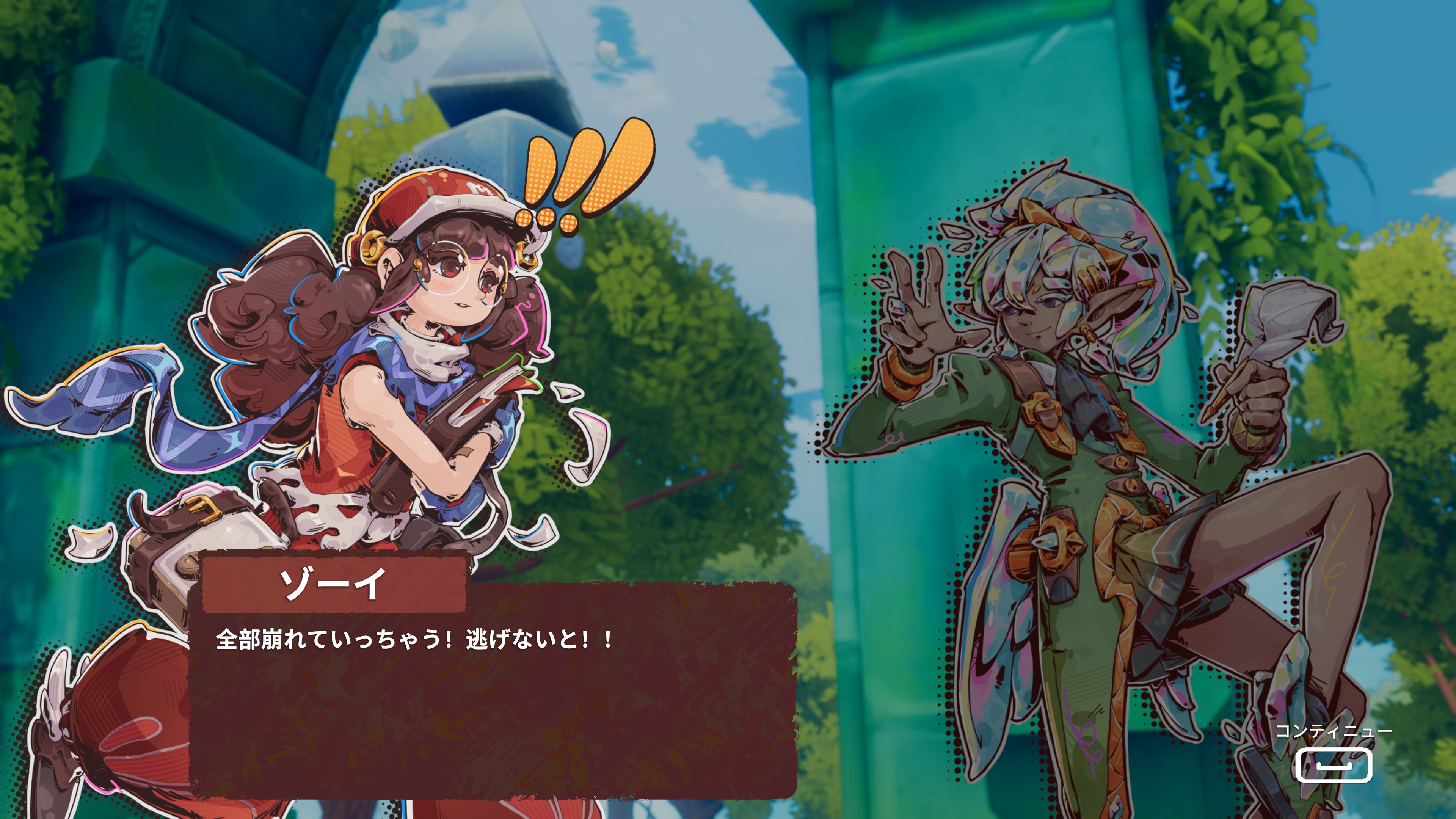
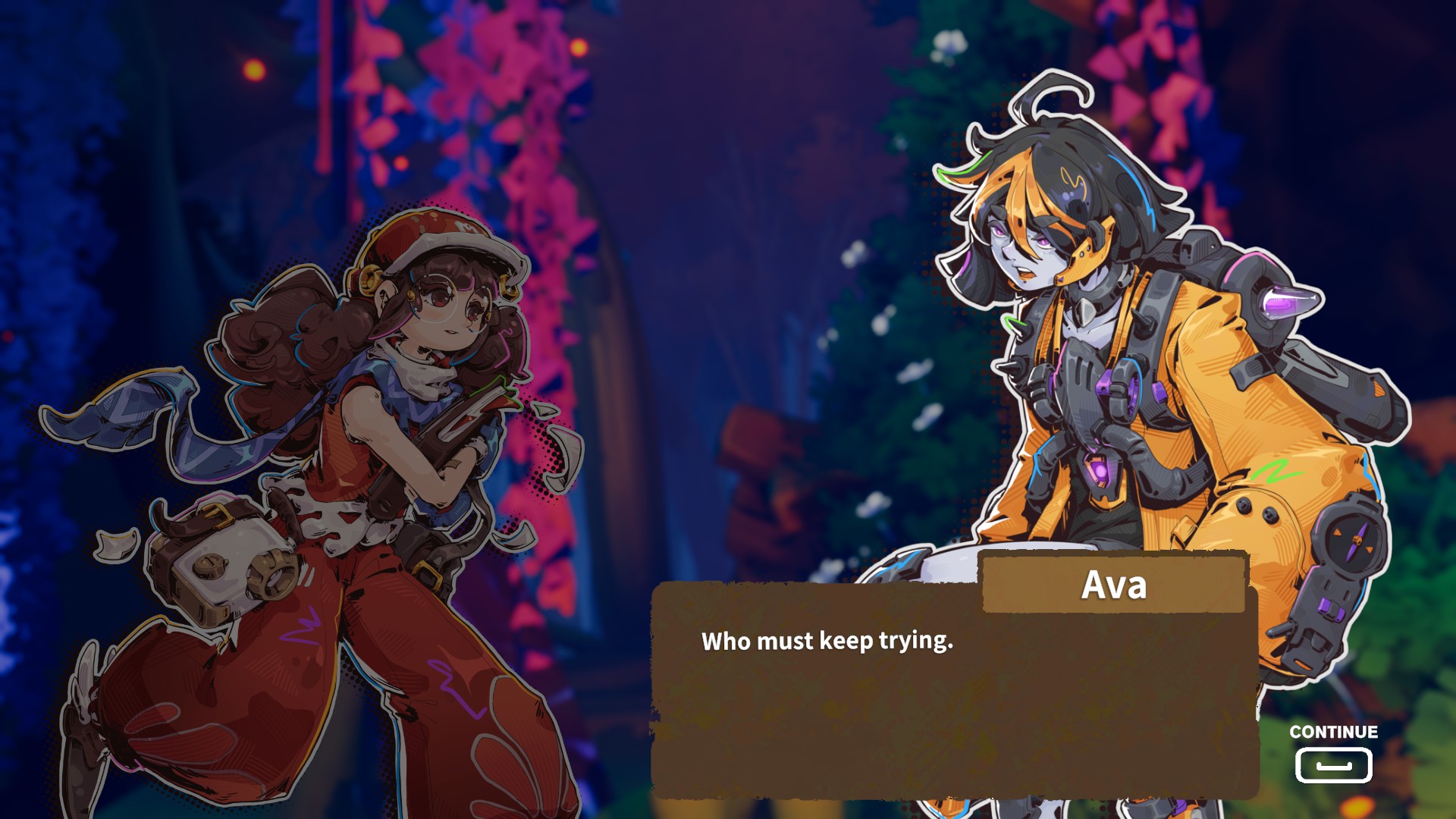
The visual presentation is genuinely stellar. The worlds are vibrant and full of life even as they’re consumed by a black-purple corruption that looks like something out of Super Mario Sunshine’s worst nightmares. The character portraits have a hand-drawn charm that wouldn’t look out of place in a Hades sequel. The music—EDM, drum and bass, hardcore—pounds along perfectly with the action. On a technical level, the game runs smoothly on mid-range hardware, which is more than I can say for half the AAA titles that drop these days. I’ll give credit where it’s due: the developers knew exactly what feeling they wanted to capture, and in the moment-to-moment gameplay, they nailed it.
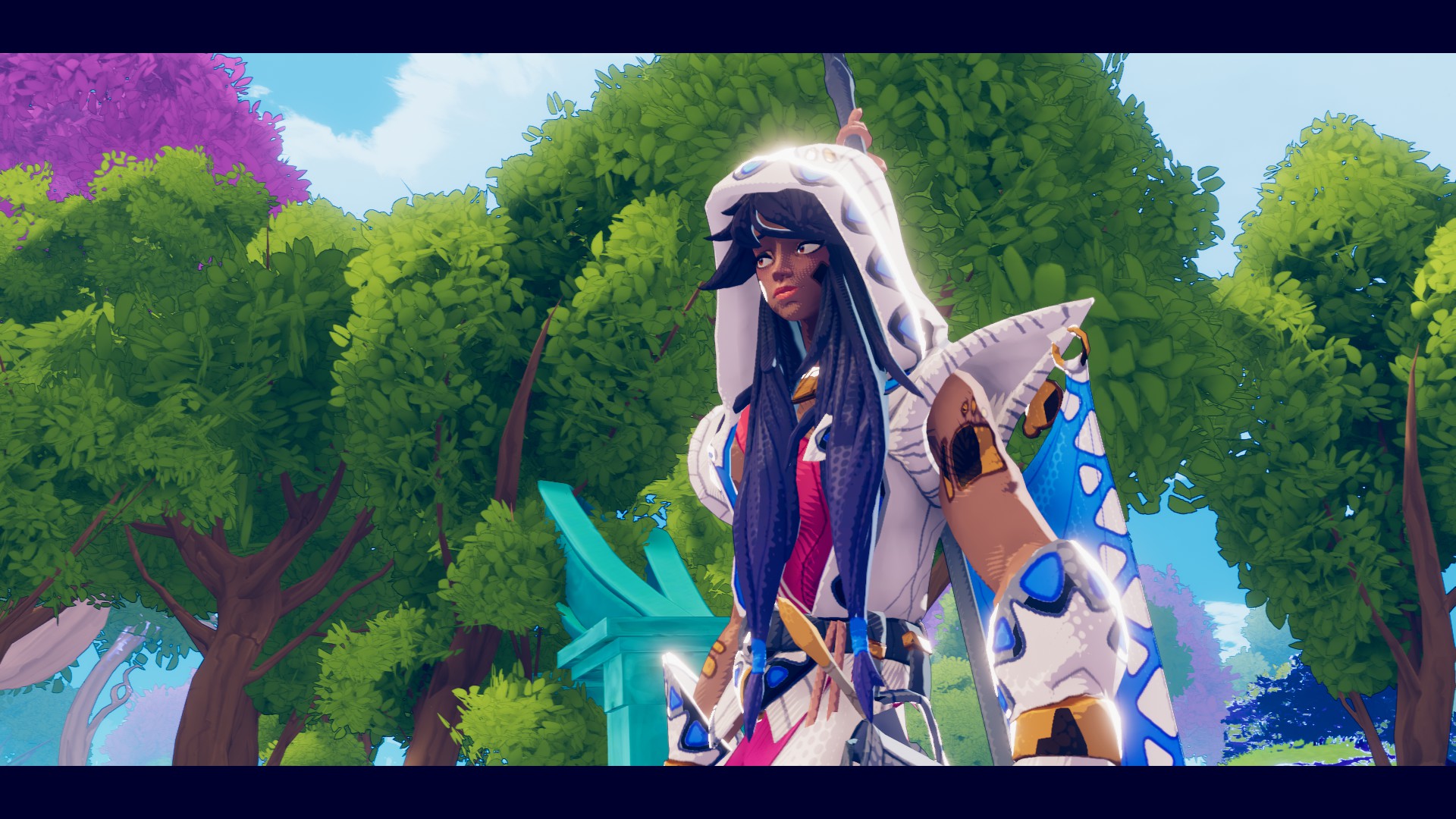
But here’s where my coffee turns cold. Haste is a game at war with itself. It wants to be a roguelite, with procedural levels and item builds that change how you play. It wants to be a story-driven adventure, with a cast of characters and a narrative about the end of the universe. And it wants to be a pure speed-running arcade experience, where mastery of movement is its own reward. The problem is that these three identities constantly elbow each other out of the spotlight, and the result is a game that never fully commits to any of them.
The procedural generation is the biggest offender. I’ve read better worldbuilding on a bar napkin, but at least the levels in a well-designed game have flow. Here, the random terrain often feels like it was assembled by a drunk architect. Boost rings and spark trails will lead you directly into a wall. Obstacles spawn too close together to react to. The difficulty curve is a mess—the first three shards are a gentle tutorial that lulls you into complacency, and then shard 7 onward turns into a gauntlet of unfair geometry where clean landings feel like luck rather than skill. The final boss of shard 10 has been universally panned by players, and for good reason: it’s a RNG-dependent slog that feels like it was never properly playtested. I’ve seen arcade machines from the 80s with more fairness.
The roguelite elements feel tacked on. You can ignore items entirely and still get S ranks on the hardest difficulty. The item pool is bloated with redundant variants—why are there ten different versions of the same speed boost, most of which are strictly worse than the base version? The permanent upgrades you unlock between runs barely affect the skill ceiling, and the meta progression undermines any sense of “I got better at the game.” You’re never sure if you won because you improved or because the RNG gods smiled on you. That’s not good design. That’s a slot machine with a platformer skin.
And then there’s the story. Look, I’m a fantasy literature lover. I’ve got Tolkien, Le Guin, and Erikson on my shelf. I can appreciate a good tale about the end of the world and found family. But Haste’s narrative is an anchor tied to the game’s ankles. The dialogue is forced and interrupts the flow at the worst possible moments—right after a failed run, when you’re itching to get back in, you’re trapped in a conversation where characters say nothing of substance. The shopkeeper automatically talks to you when you approach, killing any sense of speed. The characters are colorful but shallow, and they rarely interact with each other in meaningful ways. The story tries to channel Supergiant Games’ energy but lands somewhere closer to a Saturday morning cartoon with delusions of grandeur. I ended up skipping most of it, and I don’t feel like I missed anything.
The bosses are a mixed bag at best. There are only four of them, and they repeat across the ten shards with minor variations—more lasers here, a slightly harder attack pattern there. It’s lazy. The final boss is especially egregious, as multiple players have noted. It’s not a test of skill; it’s a test of patience and luck. The kind of fight that makes you wonder if anyone actually played it before shipping the game.
Still, I keep coming back to the core truth: when you’re in the zone, Haste is a joy. The endless mode, stripped of story and shop interruptions, is where the game finally shines. You can customize difficulty, pick your hazards, and just run. No dialogue, no grinding for currency, no forced character interactions. Just you, the terrain, and the thumping soundtrack. It’s the game I wanted from the start.
So where does that leave us? Haste is a game of immense potential that trips over itself on almost every peripheral detail. The core movement is fantastic, the presentation is gorgeous, and the music is a banger. But the procedural generation is unreliable, the roguelite elements feel half-baked, the story is a distraction, and the bosses range from mediocre to infuriating. It’s the kind of game that makes you sigh, not rage. A tired veteran’s sigh, the kind that says “I’ve seen this before—a great idea held back by poor execution.”
If you go in expecting a pure, fast-paced arcade experience and ignore everything else, you’ll have a good time. If you’re looking for a polished roguelite or a compelling narrative, you’ll be disappointed. Haste is a game that begs for a sequel or a modding community to realize its full potential. As it stands, it’s a bittersweet thumbs-up—a game I want to love but can only recommend with reservations. Buy it on sale, turn off the story, and let yourself get lost in the blur. Just don’t expect it to stick the landing.