Little Nightmares III: A Hollow Echo in the Nowhere
I remember the first time I played the original Little Nightmares. It was like discovering a forgotten Ursula K. Le Guin novella—every shadow had weight, every creak in the hull told a story about hunger and desperation. The sequel doubled down, weaving a nightmare about escapism that would make Robin Hobb nod in recognition. So when Supermassive Games took the reins from Tarsier, I wanted to believe. I really did. But after spending time with Low and Alone in the Spiral, I feel like I’ve wandered through a theme park version of the Nowhere. It looks the part, but the bones are all wrong.
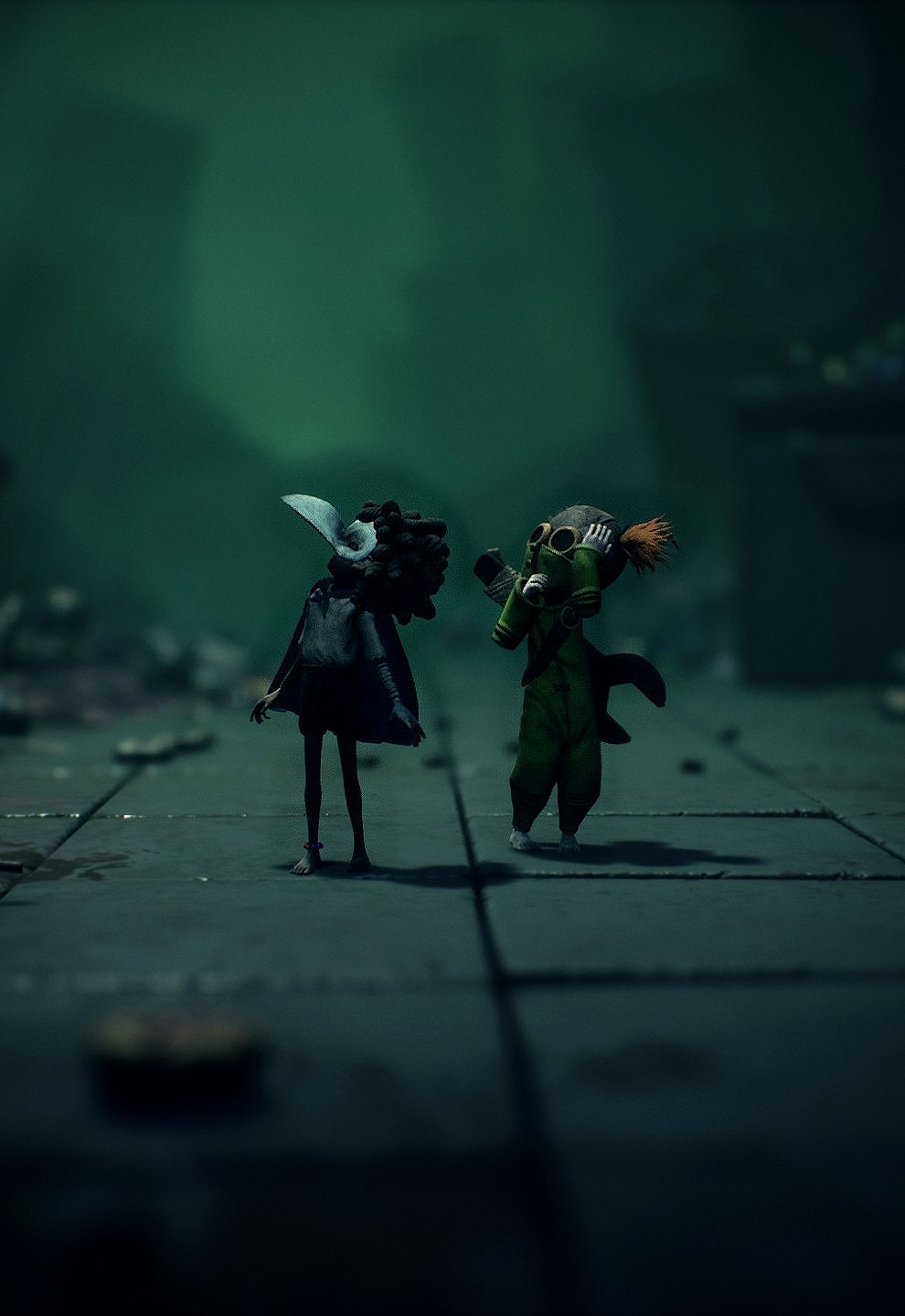
Let’s start with what works, because there is genuine effort here. The visual team has painstakingly recreated the series’ iconic art style. The Necropolis’s sandy ruins, the cloying Candy Factory, the rain-slicked funfair—each area has moments of striking desolation. The character designs for Low and Alone are charming, their friendship conveyed through small gestures and shared drawings. And when the game clicks, particularly in the Carnival chapter, you can feel a flicker of the old magic. The enemy designs, like the Stalker mother in the Candy Factory, are genuinely unsettling. There’s craft in the clay, even if the potter’s hands are unsure.
But a beautiful corpse is still a corpse. And this game, for all its polish, is a hollow thing.
The first and most glaring wound is technical. I played this months after launch, hoping patches would have smoothed the rough edges. They haven’t. Doors vanish into invisible barriers. Mirrors glitch the camera outside the world. Co-op connections drop like flies in winter—one player reported spending more time in lobby screens than in the actual game. On solo play, the AI companion is a liability, lagging behind and getting you killed during chase sequences. I encountered a game-breaking bug where death sent me back to a checkpoint before a puzzle I’d already solved, leaving the key object permanently absent. I had to restart the entire chapter. Back in my day, a game shipped complete. This runs like a three-legged horse, and it’s an insult to charge full price for it.
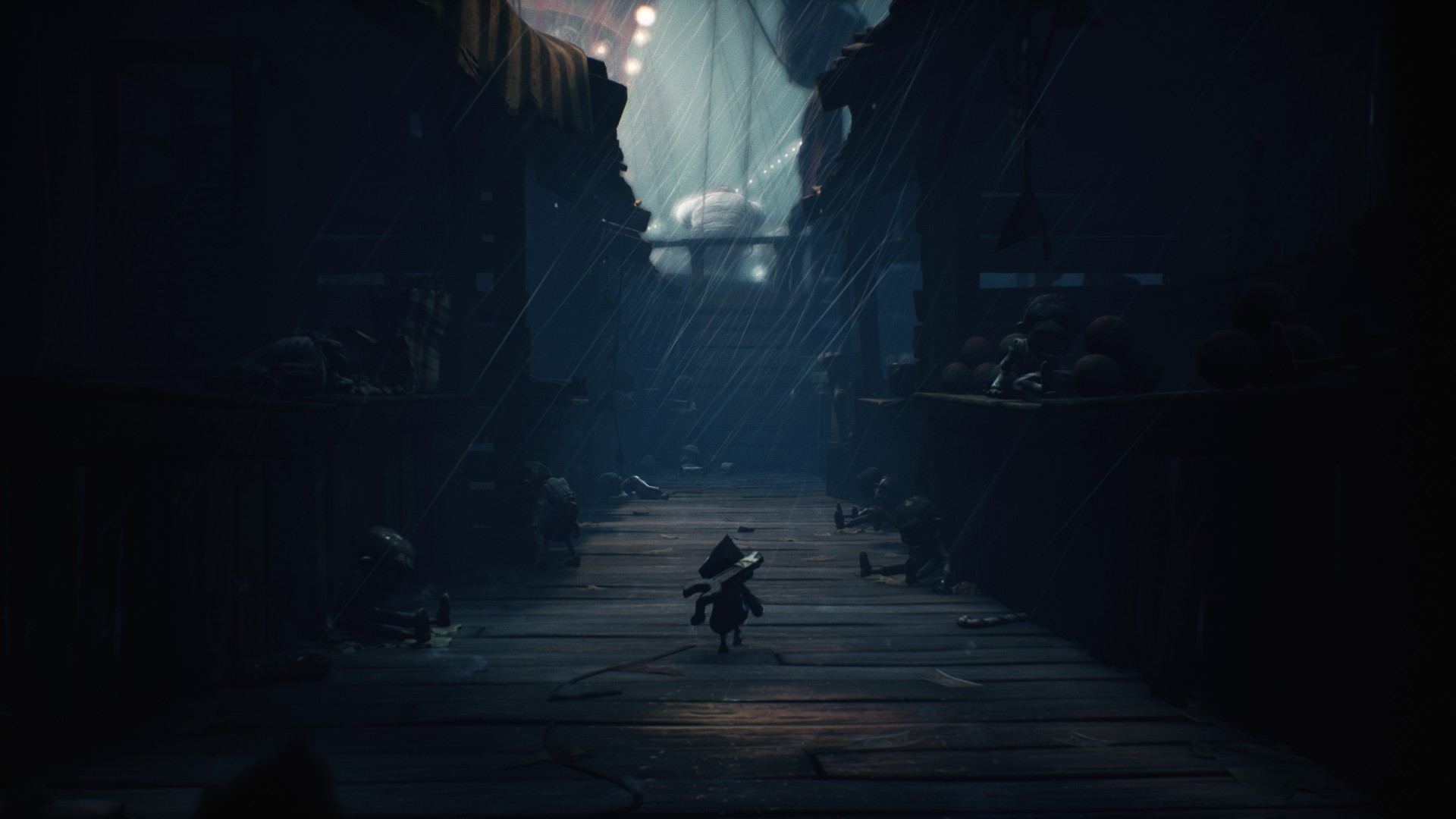
But bugs can be fixed. The deeper sickness is in the design. Tarsier’s Little Nightmares games were masterclasses in environmental storytelling. Every room had a purpose—a box to drag, a switch to reach, a precarious balance across rafters. The world felt lived in, dangerous, and mysterious. Here, too many rooms are empty walkways. The puzzles, when they exist, are one-note: Low shoots an arrow at a gong while Alone smashes a wall with her wrench. It’s less a puzzle and more a chore list. Where is the shopping cart from LN2? Where is the desperate improvisation of using a pipe to fight bullies your own size? The tools are permanent and boring, reducing the tension to pressing a button while your partner presses another. I’ve read better worldbuilding on a bar napkin.
The monsters, too, have lost their teeth. The Giant Baby from the trailers is a memorable set piece, but it’s more spectacle than threat—it just wanders off. The Supervisor feels like a watered-down Teacher from LN2. The final boss, a bespectacled man from the Sounds of Nightmares podcast, appears out of nowhere and is dispatched with anticlimactic ease. Compare this to the Lady, who haunted the Maw with her singing and broken mirrors, or the Thin Man, whose TV-traveling ability foreshadowed Mono’s own fate. Those were antagonists you felt in your bones. Here, the monsters are just big obstacles to run past. There’s no sense of a world shaped by their obsessions.
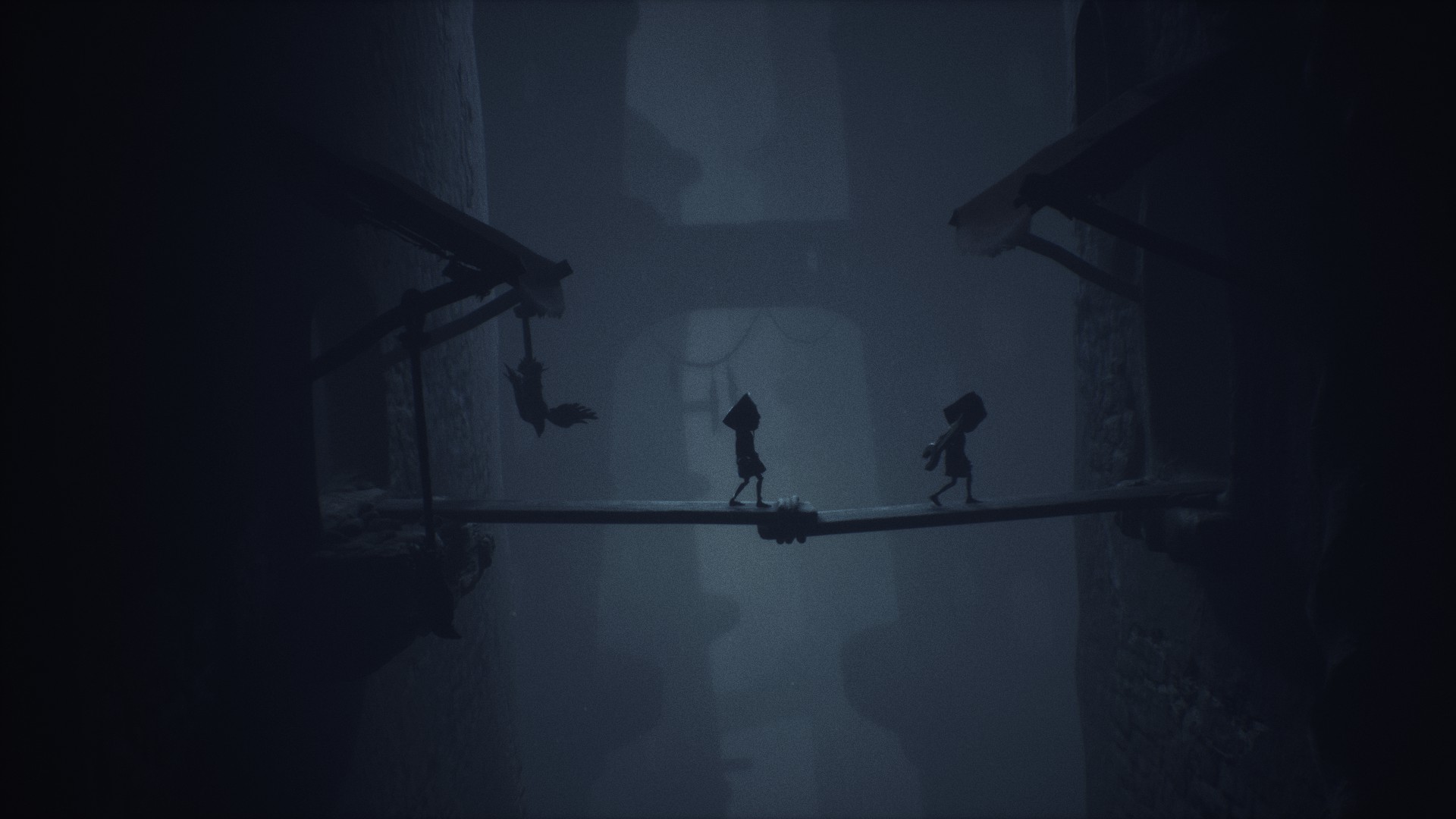
And then there’s the story, or lack thereof. The first game was about hunger; the second about escapism. This game? It’s about… two kids following a paper through mirrors? The narrative is so thin it’s almost transparent. Worse, the game expects you to have listened to the tie-in podcast The Sounds of Nightmares to understand the plot. That’s not storytelling; that’s homework. I shouldn’t need a second source to grasp why Low and Alone are doing what they’re doing. In the previous games, the mystery was part of the appeal—you pieced together the lore from environment and implication. Here, the game hands you an explanation via a podcast character, and it feels clumsy and inorganic. The ending is abrupt and unsatisfying, a sudden stop rather than a crescendo. I kept waiting for the real ending, only to realize the game had already finished.
Let’s talk about the co-op. Online-only, no couch co-op—despite fans begging for it since day one. The developers have said it’s “not part of their vision,” which is a polite way of saying they don’t care. The co-op is functional when it works, but the forced separation of players during key moments destroys any tension. You’re not escaping together; you’re watching a scripted sequence where one player waits. And the AI partner for solo play is so incompetent that I actually felt insulted. In a game where timing is everything, having an AI that wanders into danger is a death sentence.
The monetization leaves a sour taste. Cosmetics are all paid DLC—no earnable in-game rewards. Story DLC was announced before the base game even launched, and months later, it’s still not fully released. The base game costs $40 for a four-hour experience with no replay value. It’s shorter than LN2, less interesting than LN1, and more expensive than both. They’re selling nostalgia in a franchise that didn’t need to be franchised. Tarsier moved on to create Reanimal, a game that genuinely captures the spirit of the originals. Supermassive is left trying to copy a recipe they don’t understand.
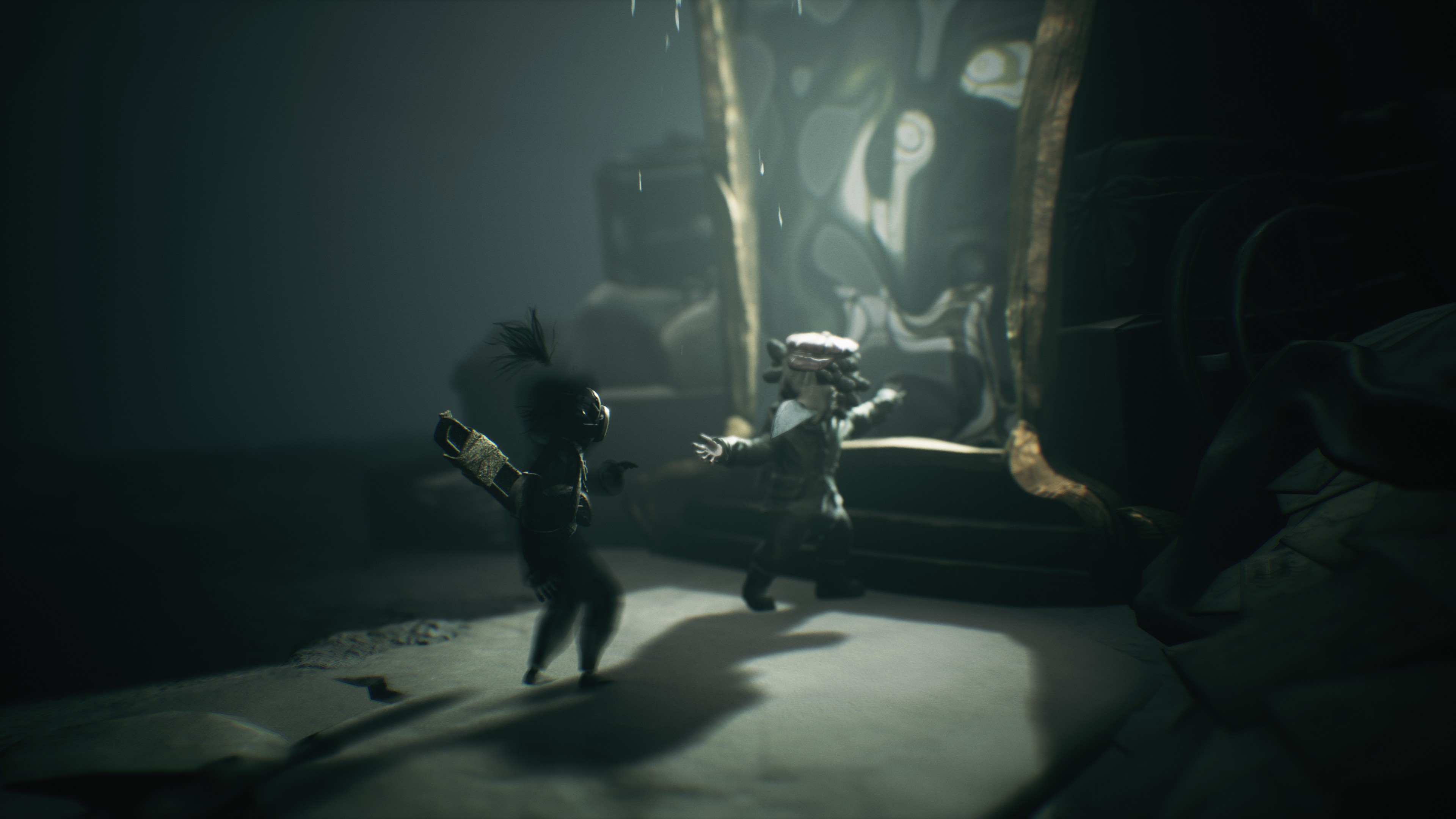
Look, I don’t want to be cruel. I can see the effort. The artists worked hard. There are moments—a stretch of the Carnival, a chase through the factory—where I felt a whisper of the old dread. But a game is more than its visuals. It’s about pacing, puzzle design, environmental cohesion, and narrative weight. Little Nightmares III fails on almost every level that mattered in its predecessors. It’s a 6/10 experience dressed in 9/10 clothes. If you have a friend with the game, play it through the friend pass. If you’re a newcomer, go play LN1 and LN2. They’re cheaper, better, and they actually understand what made this series special. I wanted to love this game. I really did. But the Nowhere deserves better than a hollow imitation.