Lost Records: Bloom & Rage: A Polaroid Worth Developing, If You Have the Patience

Look, I’ve been playing narrative adventures since the days of text parsers and floppy disks. I’ve seen the genre evolve from Monkey Island’s witty repartee to the emotional gut-punches of games like The Walking Dead. So when DON’T NOD—yes, the Life is Strange folks—release a new IP built around summer memories and repressed trauma, I sat up. And now, after spending a good fifteen hours switching between 1995 and 2022 in the small town of Velvet Cove, I’ve got feelings. Some warm and fuzzy. Some cold and frustrated. Let’s talk.
First, the good stuff. The atmosphere is thick as August humidity. The game absolutely nails the 90s—the clunky camcorders, the punk mixtapes, the awkward teenage energy that feels both universal and painfully specific. You play as Swann, a shy sixteen-year-old who finds her tribe in three other misfits: the fiery Nora, the quiet Kat, and the steady Autumn. The way they talk, the way they bicker and support each other, it feels… real. I’ve read better worldbuilding in a second-hand paperback, but the character writing here is genuine. These are teenagers who feel like actual people, not archetypes. The voice acting is solid, and the facial animations capture that weird intimacy of being a dorky kid with a camera.
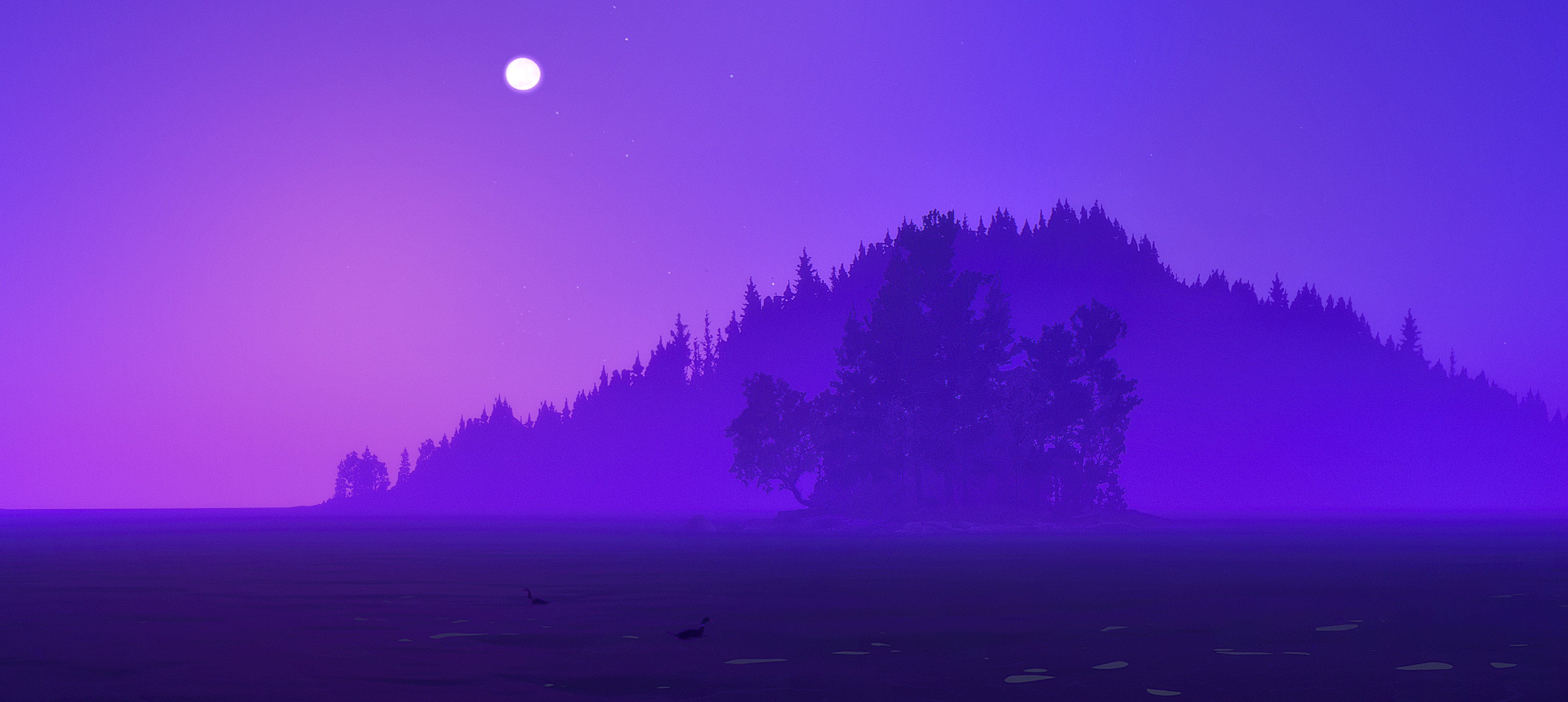
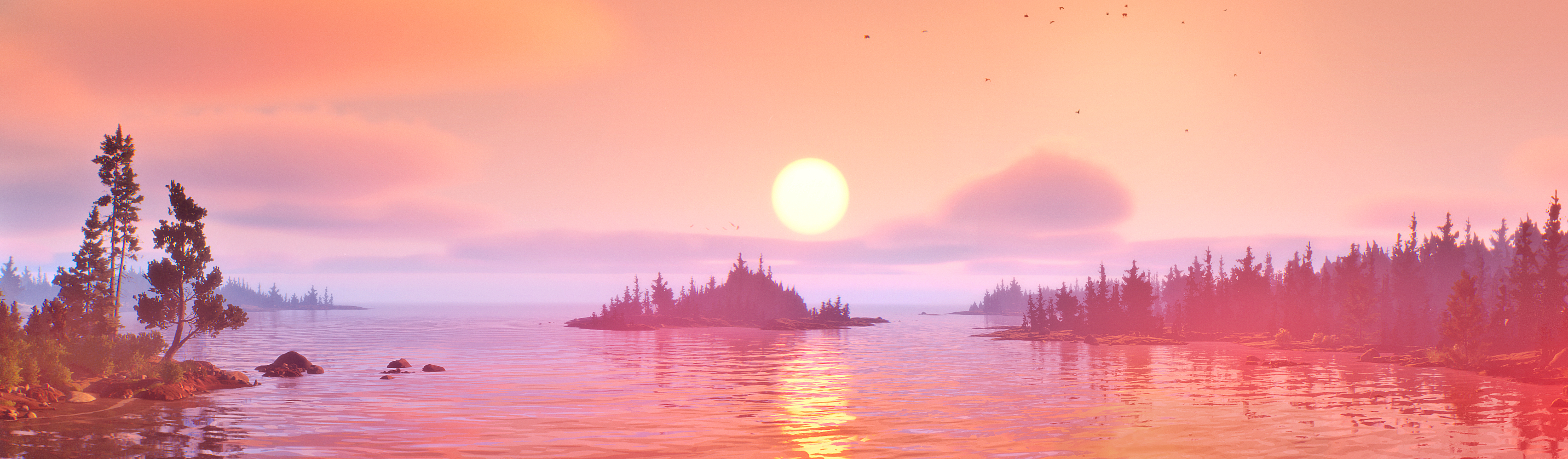
And that’s the core mechanic: the camcorder. You film everything. Your friends, the woods, a weird raven that might be Odin’s messenger doing a cameo. The recordings become a diorama of that fateful summer, and at key moments the game plays back your footage, stitching it into a melancholy montage. It’s a clever way to make you care about the environment. I admit, I spent way too long trying to frame the perfect shot of a sunset over the lake. The soundtrack is also top-tier—songs that hit you right in the chest, especially during the finale. When the credits rolled, I sat there staring at the screen, feeling that hollow ache that only a well-told story can deliver.
But here’s where the three-legged horse stumbles. The pacing is a mess. Tape 1 is a slow burn that teases a delicious mystery—a promise made, a secret abyss in the woods, hints of the supernatural. You wander, you film, you listen to long conversations. For some players, that’s the appeal. For me? I felt like I was watching paint dry between the interesting bits. Then Tape 2 arrives and suddenly the plot accelerates, throwing revelations and drama at you like a freight train. The imbalance is jarring. It’s like the developers ran out of time and crammed the third act into the final stretch. The ending, while emotionally potent for some, left me with a “that’s it?” aftertaste. The supernatural element feels undercooked—like a promise that never quite pays off. I’ve read deeper mystery in a Stephen King short story.
And can we talk about the technical side? This runs like a three-legged horse. On a decent rig, I still saw stutters and frame drops during simple walking segments. The game is demanding for what it offers—beautiful but not groundbreaking graphics. The save system is an insult. No manual saves, and checkpoints can be thirty minutes apart. Combine that with unskippable dialogue—even on replay—and you’ve got a recipe for frustration. I had to replay a chunk because a bug made a character model glitch out and I couldn’t progress. In 2025, that’s amateur hour. Back in my day, a game shipped complete.
The characters are the game’s saving grace. Swann is relatable, an introvert with a creative streak. The friendship dynamics feel authentic, with choices that genuinely affect relationships—though don’t expect Detroit: Become Human levels of branching. Your decisions tweak the details, not the grand story. That’s fine for this genre, but younger players expecting huge consequences might be disappointed. And there’s a romance system that feels natural, not forced. I appreciate that you can stay friends with everyone without triggering a love triangle.
But the narrative stumbles on its own ambition. The framing device—present-day Swann reuniting with her old friends to uncover why they stopped talking—works, but the central mystery of “The Abyss” and the supernatural elements feel bolted on. The game would have been stronger as a pure drama about friendship and memory. Instead, it tries to be a little spooky, a little magical, and ends up not fully delivering on either. The antagonist (a slimy older dude) is cartoonishly one-note. The final act introduces ideas that go nowhere. I felt like I’d read a book with pages torn out.

So where does that leave us? Lost Records: Bloom & Rage is a game of strong moments trapped in a meandering structure. If you’re a fan of slow-burn character studies, you’ll likely adore the first tape. The nostalgia is lovingly crafted, the soundtrack will live in your head, and the emotional peaks are earned. But if you need tighter pacing, a coherent supernatural plot, or a save system that respects your time, you’ll walk away frustrated. It’s worth playing on sale, especially for those who miss the Life is Strange vibe but want something new. Just don’t expect another LiS. This is its own thing—flawed, beautiful, and a little bit broken.
Final verdict: I’ll remember Swann and her friends. I’ll recommend it to patient souls who can overlook technical jank. But I won’t pretend it’s a masterpiece. More like a well-kept journal found in a dusty attic—lovely to leaf through, but you might wish some pages were better written.
Score: 7/10