Lunar Remastered Collection: A Beloved Classic, Warts and All
Let’s get this out of the way: I didn’t play the original Lunar games back in the ’90s. I was busy with Suikoden and Final Fantasy Tactics, and the Sega CD was a peripheral I never owned. So when I booted up this remastered collection, I came in with fresh eyes and a healthy dose of skepticism. Thirty years of hype is a heavy burden, and I’ve seen plenty of sacred cows get gored by modern scrutiny.
And you know what? The hype is mostly deserved. But it’s complicated.
First, the good news. Lunar: Silver Star Story and Lunar 2: Eternal Blue are foundational JRPGs. They were among the first to use full-motion anime cutscenes and voice acting, and they told stories that felt cinematic in an era when most RPGs were still text boxes and chibi sprites. The influence on later classics like Skies of Arcadia is unmistakable. The soundtrack by Noriyuki Iwadare is a masterclass in upbeat adventure themes, and the turn-based combat, while simple, has a satisfying rhythm. The remastered mode offers widescreen, cleaned-up sprites, and adjustable battle speed—all welcome additions. You can toggle between remastered and classic modes, complete with CRT filters, which is exactly the kind of preservationist thinking I appreciate. Back in my day, a game shipped complete, and this collection does that.
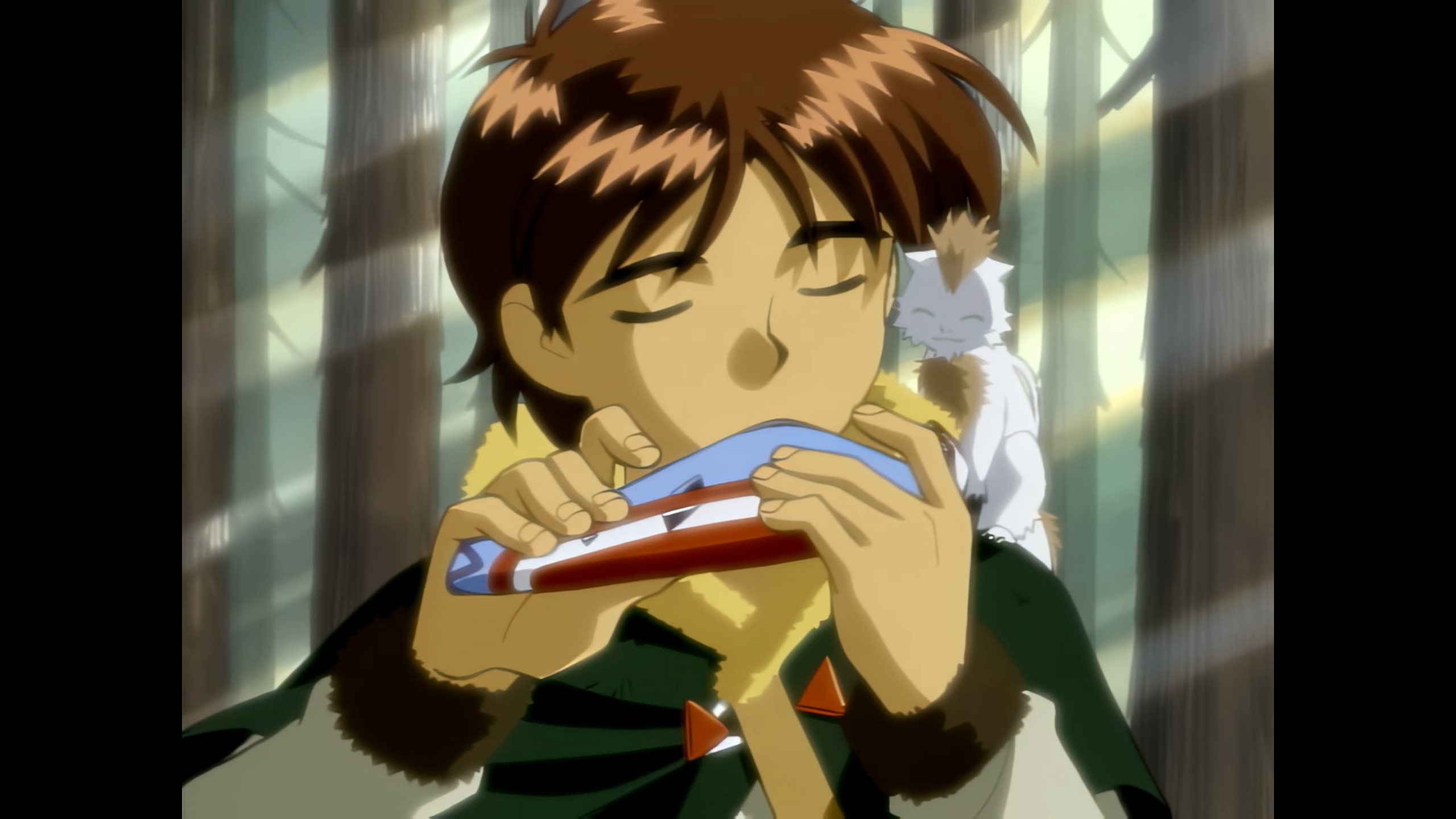
But let’s talk about the elephant in the room: these games are old. And not just in pixels. The storytelling, for all its ambition, is steeped in early-90s anime tropes. Characters bicker constantly. The humor leans heavily on pratfalls and exaggerated reactions. There’s a certain… let’s call it “period-appropriate” gender dynamic that will make modern players wince. The script has been touched up, but you can’t polish a turd of outdated gender roles. It’s charming to some, tiresome to others. I fall somewhere in the middle—I’ve read better worldbuilding in a second-hand paperback, but I’ve also seen worse.
And then there’s the combat. It’s functional. That’s the kindest word I can use. You equip the newest gear, you mash attack, you heal when needed. By the end of the first game, I had auto-battle on for 90% of encounters. The Crest System in Eternal Blue adds a little depth, but don’t expect the tactical nuance of Final Fantasy VI or the job system of a good Dragon Quest. This is a game you play for the story and the characters, not the strategic challenge.
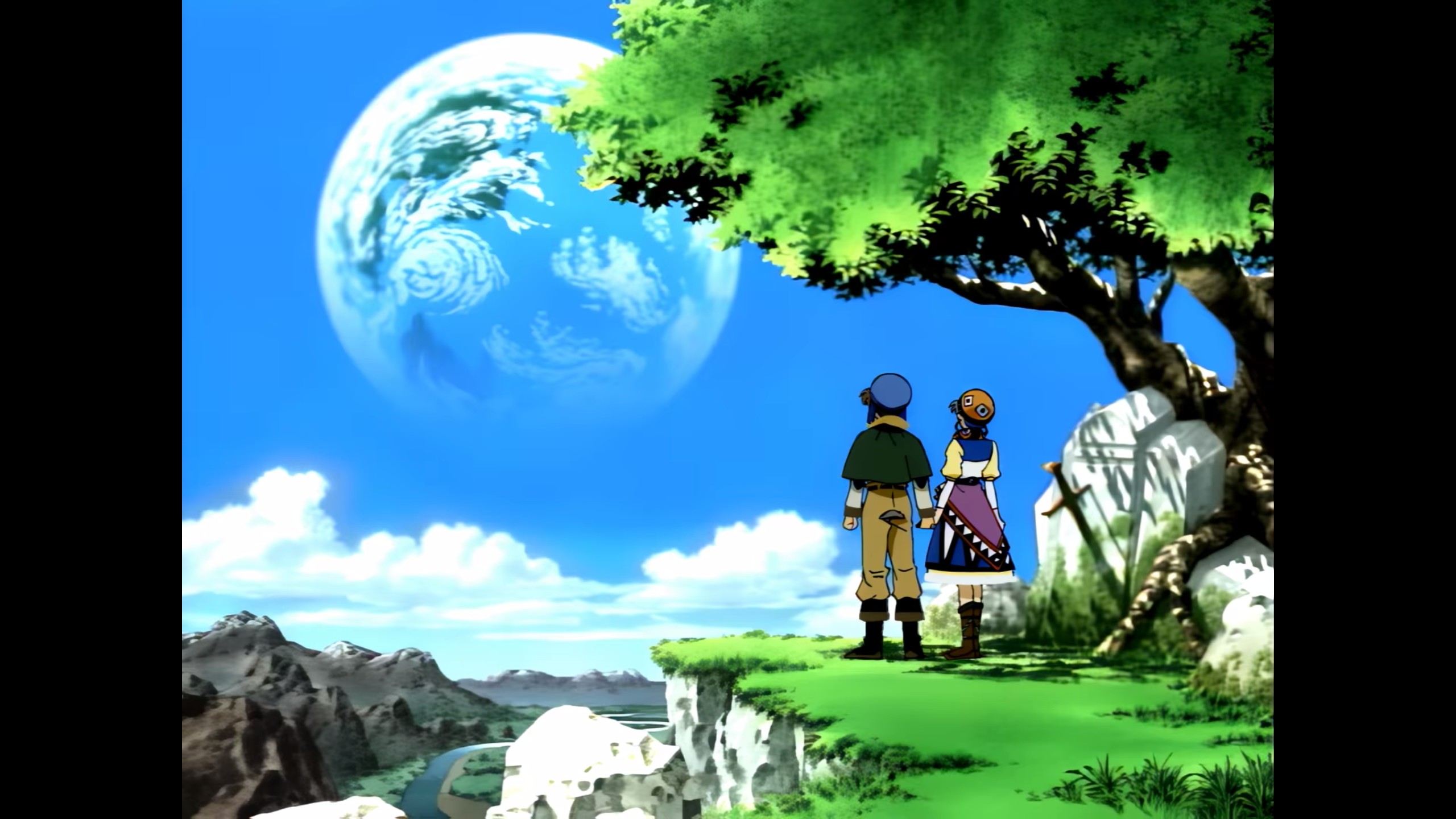
Which brings me to the real star: Eternal Blue. If Silver Star Story is a solid pilot episode, Eternal Blue is the series finale that makes you forget the filler. The pacing is tighter, the characters have more dimension—Lemina and Ruby are genuine highlights—and the plot builds to a genuinely affecting conclusion. It’s the kind of game that reminds you why you fell in love with the genre. One player called it the best JRPG they’ve ever played, and while I wouldn’t go that far (I’m still waiting for something to dethrone Chrono Trigger), I understand the sentiment. It’s a gem.
But here’s the rub: the game can be rude. You can save at a point of no return with an underleveled party. Characters leave and take your best equipment with them. There’s no warning, no mercy. This isn’t a bug—it’s a feature of the era. But it’s a feature that will frustrate anyone who doesn’t keep multiple save files. The remaster doesn’t fix this, and I wish it had added a gentle nudge: “Are you sure you want to proceed? You might be stuck.” That’s the kind of quality-of-life improvement that would have elevated this collection from “faithful” to “definitive.”
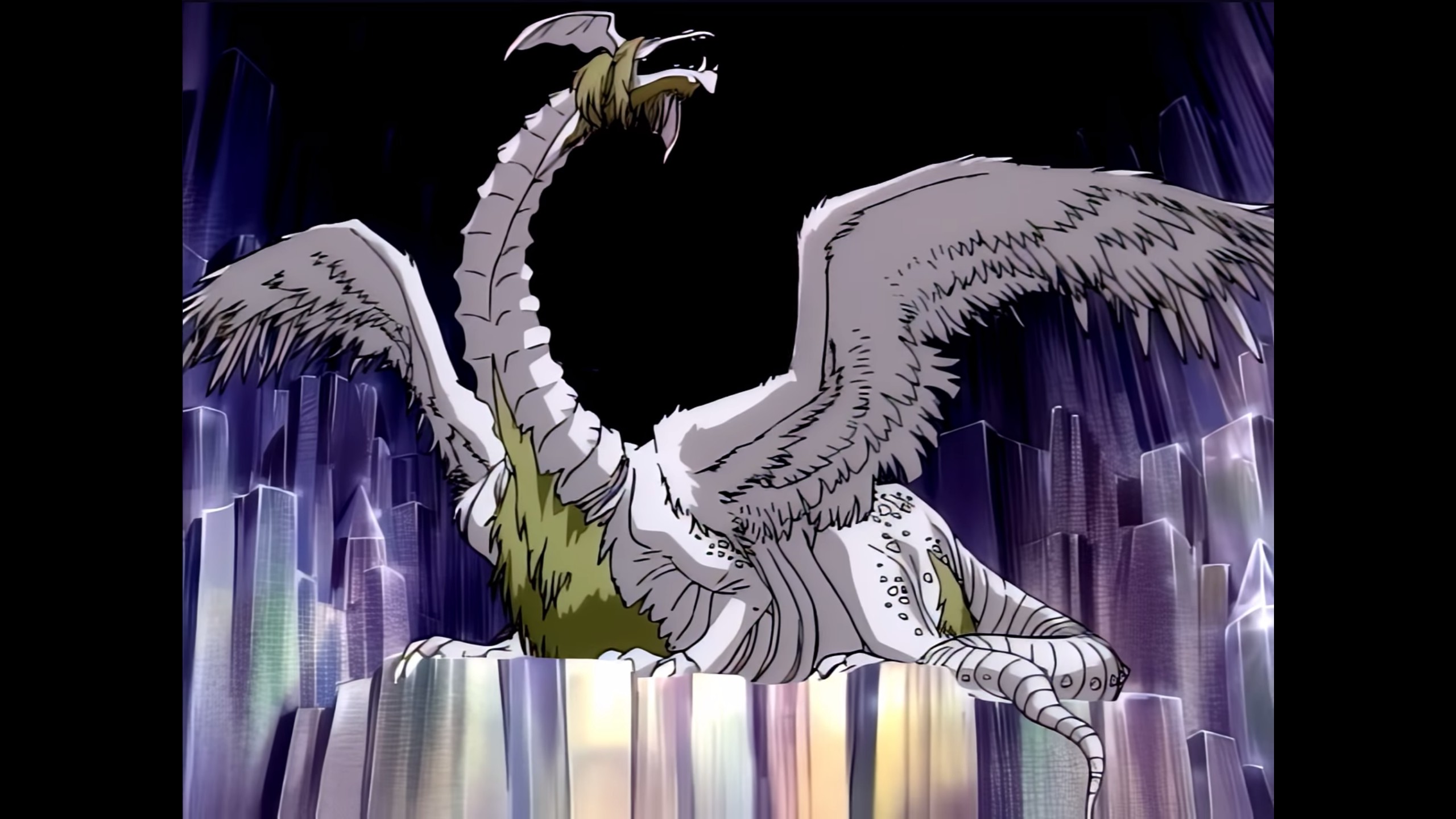
Performance-wise, the collection runs smoothly on PC. No stutter, no crashes. The remastered audio is crisp, the animated cutscenes look as good as they ever did. It’s a technically sound package. I can’t complain about optimization here—it’s the opposite of the broken launches we see too often. Finally. Something good.
So who is this collection for? If you’re a veteran who missed these games the first time, you’ll find two historically important JRPGs with earnest storytelling and a ton of heart. If you’re a newcomer expecting modern pacing and deep mechanics, you might bounce off. And if you’re sensitive to dated tropes, prepare to roll your eyes more than a few times.

For me, the collection earns its keep. It’s a time capsule, warts and all. I appreciate its ambition, I admire its influence, and I enjoyed my time with it—especially Eternal Blue. But I can’t pretend it’s a flawless masterpiece. It’s a beloved classic, and that’s different. It’s a game you love despite its flaws, not because of its perfection.
If you want to see where modern cinematic JRPGs came from, this is your ticket. Just bring your patience, a few save slots, and a tolerance for 90s anime shenanigans.