Meccha Chameleon: Paint Yourself Into a Corner (or a Masterpiece)
There’s a moment in every round of Meccha Chameleon where you forget you’re playing a video game. You’re hunched over your keyboard, squinting at a patch of wallpaper, trying to match the exact shade of beige that will make you invisible. Your heart is pounding. You hear footsteps. You hold your breath. Then the seeker walks right past you, and you feel like a genius. Thirty seconds later, they turn around, stare at you for a full five seconds, and you realize your shadow gave you away. You are not a genius. You are a slightly-off-color idiot with a paintbrush.
That’s the magic of Meccha Chameleon. It’s a hide-and-seek game where you literally paint your white, featureless body to blend into the environment. The concept is stupid simple: seekers hunt, hiders hide. But the hiding part is where this game turns into a sweaty, existential crisis about whether that radiator is actually a person. It’s brilliant, it’s hilarious, and it’s held together with the kind of duct tape and hope that would make a Bethesda game blush.
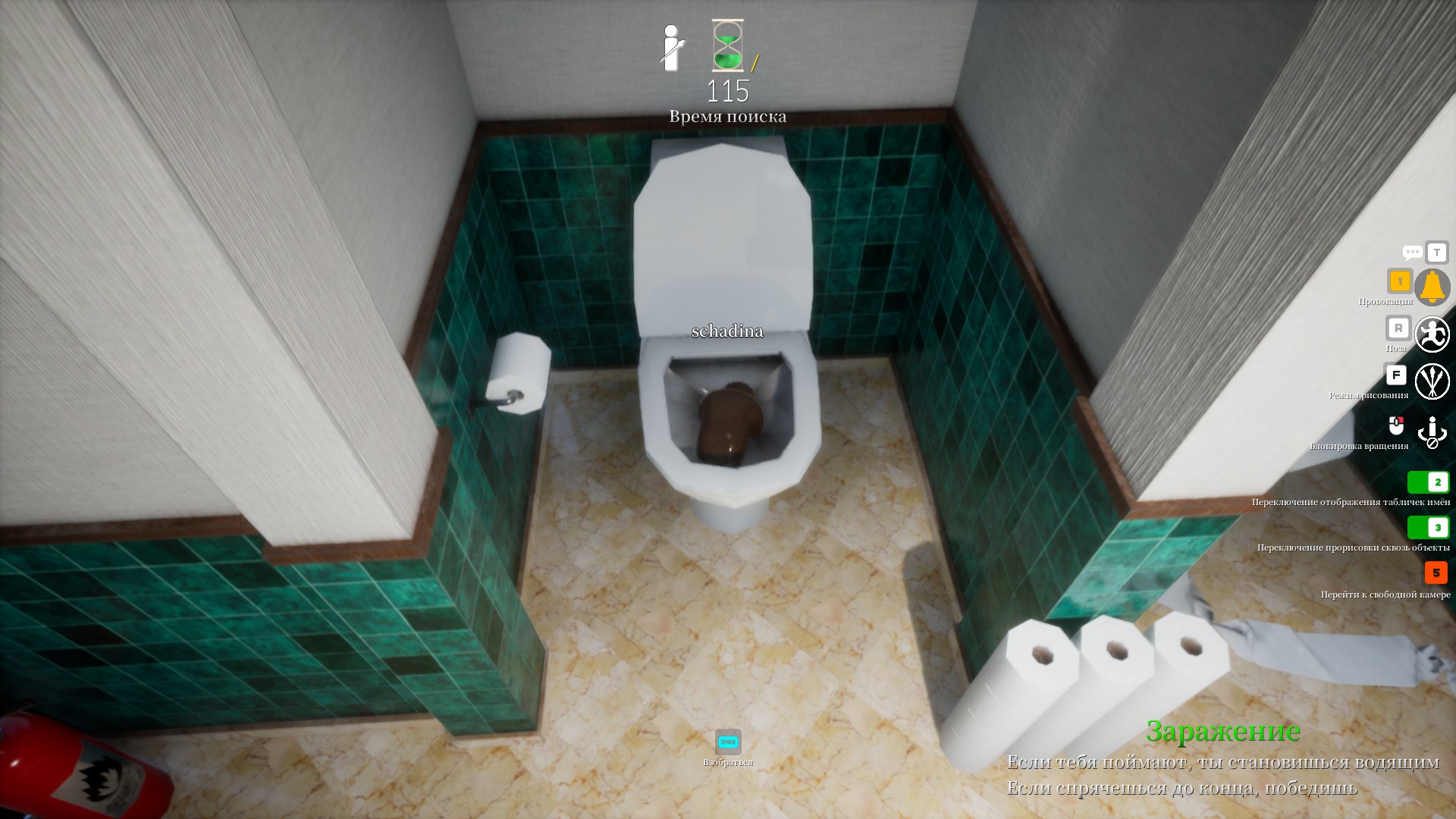
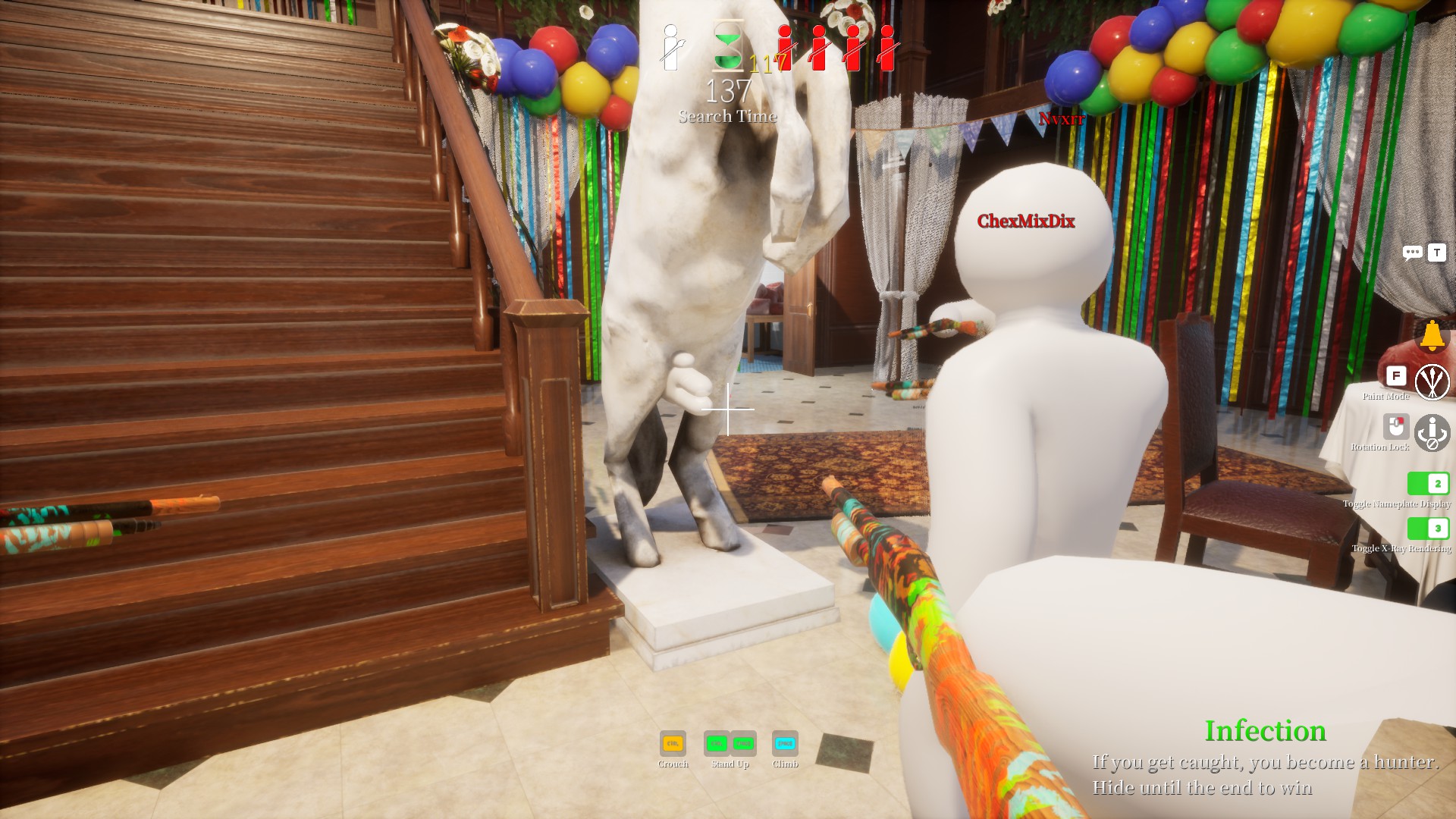
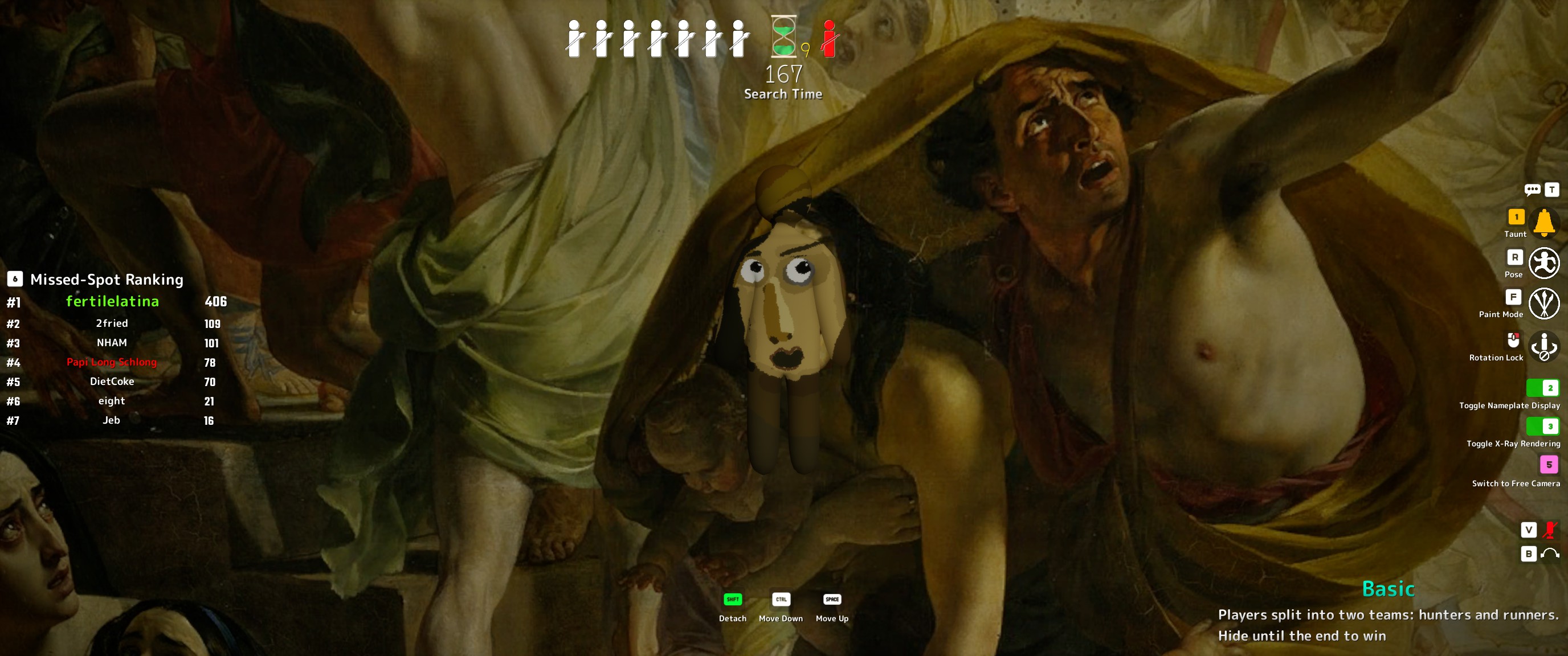
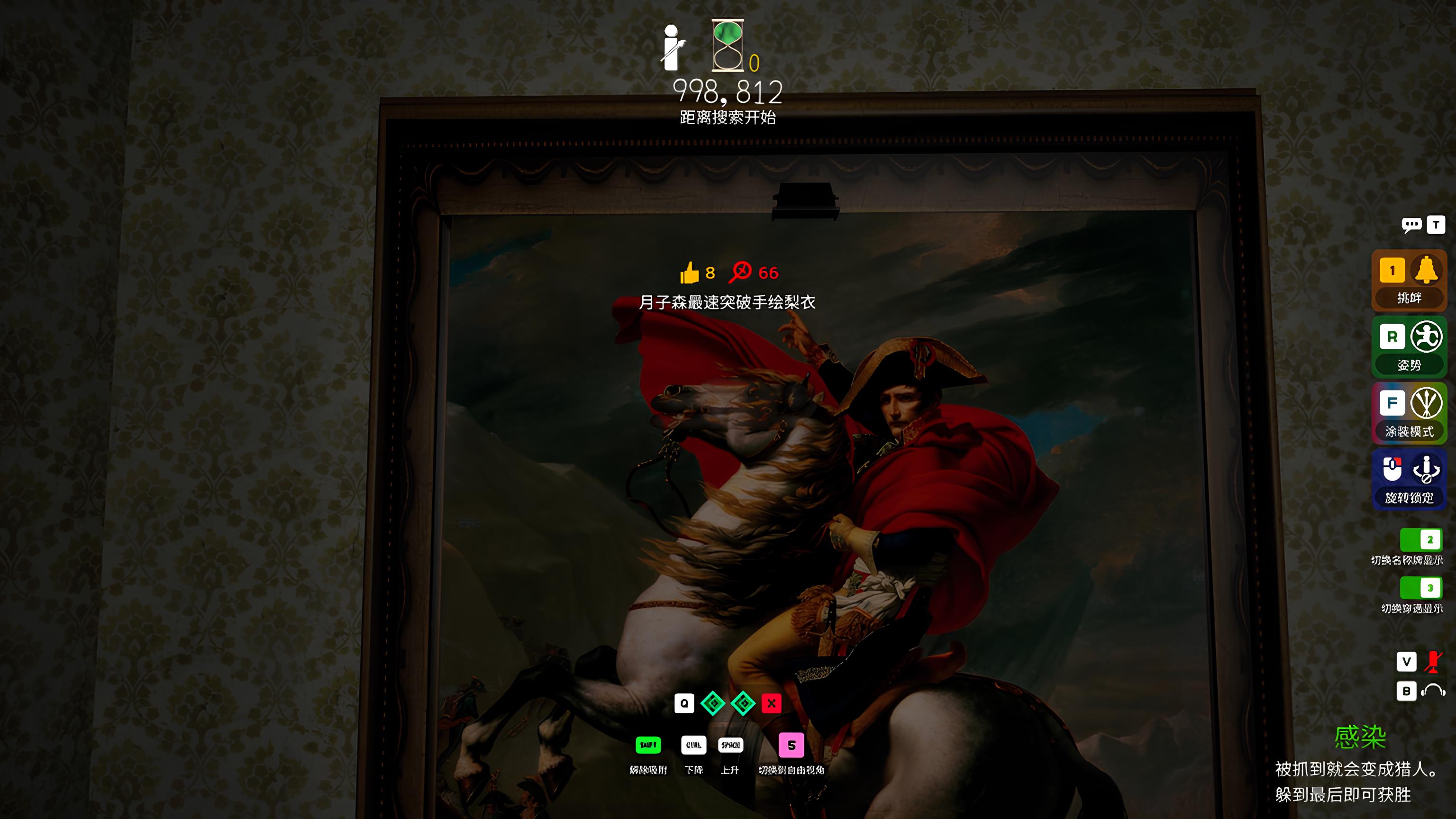
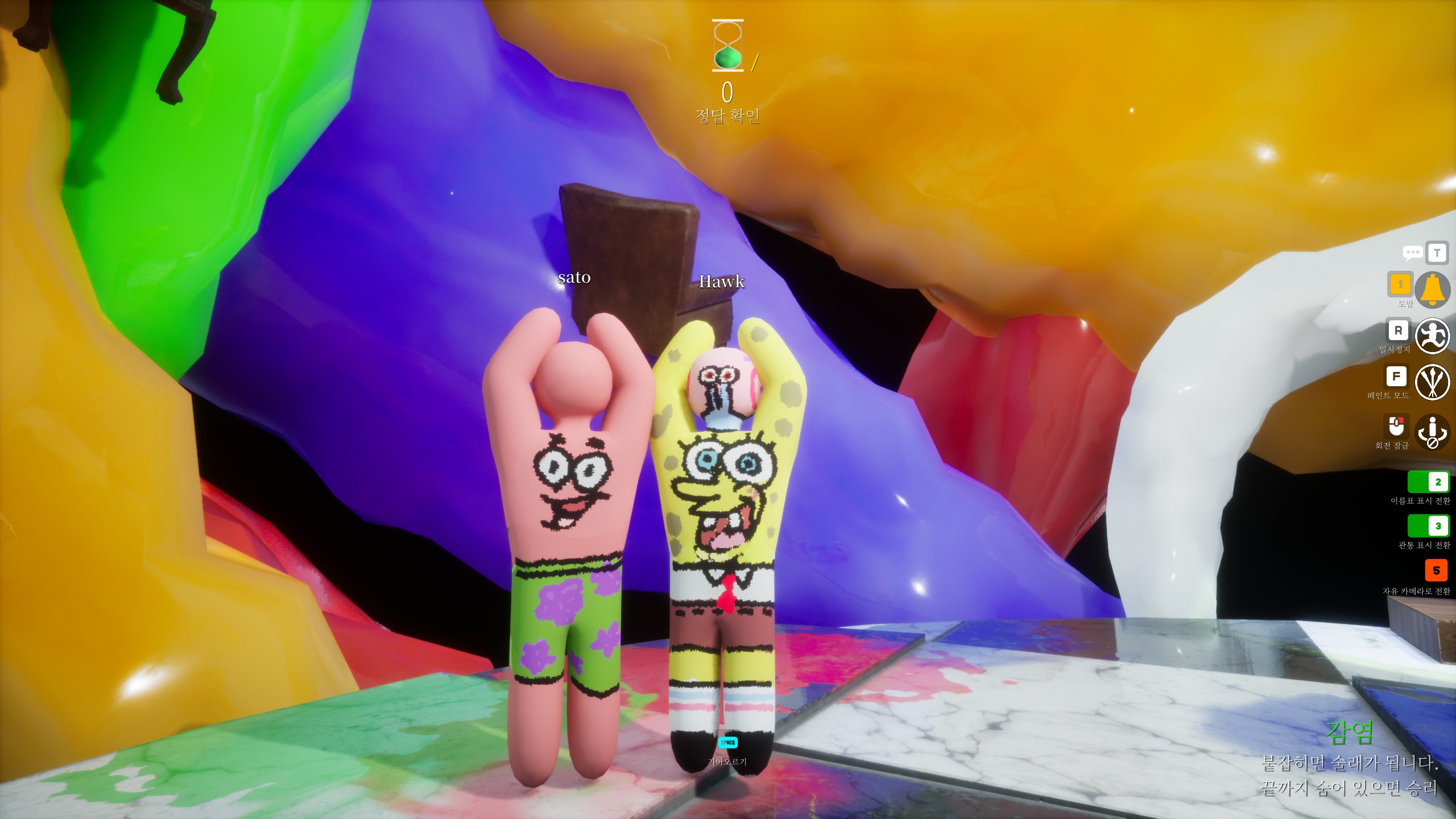
Let’s start with the good, because there’s a lot of it. The core loop is pure genius. You spawn as a blank canvas, and you have a limited time to paint yourself to match your surroundings. You can strike poses—crouch, lean, stretch—to fit into corners, under desks, or on top of shelves. Then the hunters come out, and you pray they don’t notice the slightly-too-smooth patch of wall that is actually your face. The game rewards creativity in a way few multiplayer games do. I’ve seen players turn themselves into convincing paintings, disguise themselves as part of a vending machine, or just paint a giant middle finger on their chest and run at the hunter screaming. All valid strategies.
The best moments come from the sheer absurdity of it. One round, I spent two minutes meticulously matching the color of a carpet, only to be found in four seconds because I forgot my shadow existed. Another round, I accidentally painted myself bright pink and just stood in the middle of the room, hoping the hunters would mistake me for modern art. They did not. But the laughter from my friends was worth more than any win. This is a game that turns grown adults into giggling children, and that’s not nothing.
Playing with friends is where this game truly shines. It’s the kind of experience that makes you forget about the jank, the clunky UI, and the occasional bug, because you’re too busy screaming at your friend who spent five minutes on a masterpiece camouflage job and then got spotted because they picked the wrong wall. The betrayal, the panic, the sheer joy of watching someone else fail—it’s all there. If you have a group of four to ten people, this is one of the best party games you can buy for the price of a fast-food meal.
But here’s where I have to put down my coffee and sigh. Because Meccha Chameleon is also a mess. A beautiful, creative, frustrating mess. The game is riddled with technical issues that would be unacceptable in a AAA title, and only slightly more forgivable in a $5 indie. The color picker—the entire foundation of the game—is unreliable. It frequently picks the wrong shade, the eyedropper tool is janky, and the whole thing can break after an update. And the updates? The devs push daily builds as if they’re hotfixes, and every other patch seems to break something that was working fine. They removed the ability to lock your rotation while moving, a feature that was genuinely useful, and replaced it with a subpar rotate-in-place. No rebindable keys, either. In 2026, that’s indefensible.
The UI is another offender. Whoever designed the menus should be forced to navigate them for a living. There’s no close button on the settings menu—just a “Return to Title” button that will happily kick you out of an active match if you’re not careful. My friends and I have accidentally clicked that button hundreds of times. The server browser is a nightmare: filters don’t work, lobbies show up in progress even when you’ve filtered them out, and hosts are often AFK or quit mid-game, kicking everyone. I’ve spent more time waiting in lobbies than actually playing. The game desperately needs an auto-join feature, a map voting system, and a way to see who’s actually in a server before you join.
And then there’s the performance. I’ve got a mid-range PC, and this game still stutters and drops frames like it’s running on a toaster. The frame times are all over the place, and the graphics are a smeary Unreal Engine 5 mess—even at max settings, things look soft and blurry. I’ve seen people with high-end rigs complain about the same issues, so it’s not just me. This game should run like butter on a potato, but it runs like a three-legged horse on a good day.
Now, let’s talk about the community, because this is where things get ugly. Public lobbies are a mixed bag, and sometimes that bag is filled with garbage. The game’s official Discord server is a nightmare—95,000 members, no human moderators, just a bot that doesn’t work. It’s full of scam bots, explicit content, and hate speech. The in-game community isn’t much better. I’ve seen players drawing swastikas, using slurs, and creating server names that would make a sailor blush. There’s no reporting system, no way to mute specific players easily, and no age segregation. If you’re a parent, do not let your kids play this game in public lobbies. It’s a bright, colorful mask over a dark underbelly.
That said, if you play with friends, you can avoid most of that. Private lobbies are the way to go. And the modding community is one of the best things about this game—the Steam Workshop integration is seamless, with hot-downloading maps and a huge library of creative maps, from art museums to Kakariko Village. It keeps the game fresh, even if the official maps get stale after a few hours.
But here’s the thing that really bugs me: this game feels like it was released a year too early. It should be in Early Access, not full release. The devs are clearly passionate—they’re constantly updating, adding new maps and features—but they’re also clearly overwhelmed. The game went viral, sold millions of copies, and they’re still a two-person team. That’s impressive, but it’s also a recipe for disaster. Security issues, like the remote code execution exploits and the Discord hack, are serious red flags. I don’t trust this game with my personal data, and I definitely don’t trust it with my kids.
So what’s the verdict? Meccha Chameleon is a game of contradictions. It’s a brilliant concept executed with sloppy, rushed engineering. It’s the most fun I’ve had with friends in years, and also the most frustrated I’ve been with a UI in a decade. It’s a $5 game that’s worth every penny, and a $5 game that feels like it should be free in a Roblox beta. The core loop is so good that I keep coming back, despite the bugs, the stutters, and the toxic lobbies. I’ve spent hours painting myself into corners, laughing with friends, and screaming at my screen when the color picker betrays me. And I’ll probably keep playing, because when it works, it’s magic.
But I can’t recommend it to everyone. If you have a group of friends who are willing to overlook the jank, buy it. You’ll have a blast. If you’re a solo player, or if you’re looking for a polished, polished experience, wait. Wait until the devs fix the servers, the UI, the performance, and the community. Wait until they hire a security team. Wait until they stop pushing daily builds and start polishing what they have. Because right now, Meccha Chameleon is a beautiful, broken masterpiece that’s one good patch away from greatness.
Back in my day, a game shipped complete. But I also remember when hide-and-seek was just hiding under a bed, and you didn’t need to paint yourself to look like a radiator. So maybe I’m just old. Still, I’ll keep playing, because every once in a while, I find the perfect spot, and I feel like a chameleon god. And that feeling—that rare, glorious feeling—is worth the frustration.
Score: 6/10. It’s a game you’ll love and hate in equal measure, but you’ll remember it either way.