Mina the Hollower: A Beautiful, Brutal, and Baffling Excavation
Yacht Club Games made a name for itself by perfecting the retro throwback with Shovel Knight. That game was a love letter to the NES era that sanded off the rough edges, offering tight controls, fair challenge, and a generous heart. With Mina the Hollower, they’ve attempted something more ambitious and, frankly, more difficult to love. They’ve taken the top-down, Game Boy Color aesthetic of Link’s Awakening and married it to the unforgiving, stamina-tickling ethos of Dark Souls and Bloodborne. The result is a game that is often brilliant, occasionally maddening, and perpetually at war with itself. It’s a game I respect deeply, but one I cannot recommend with a clear conscience to anyone but a very specific kind of masochist.
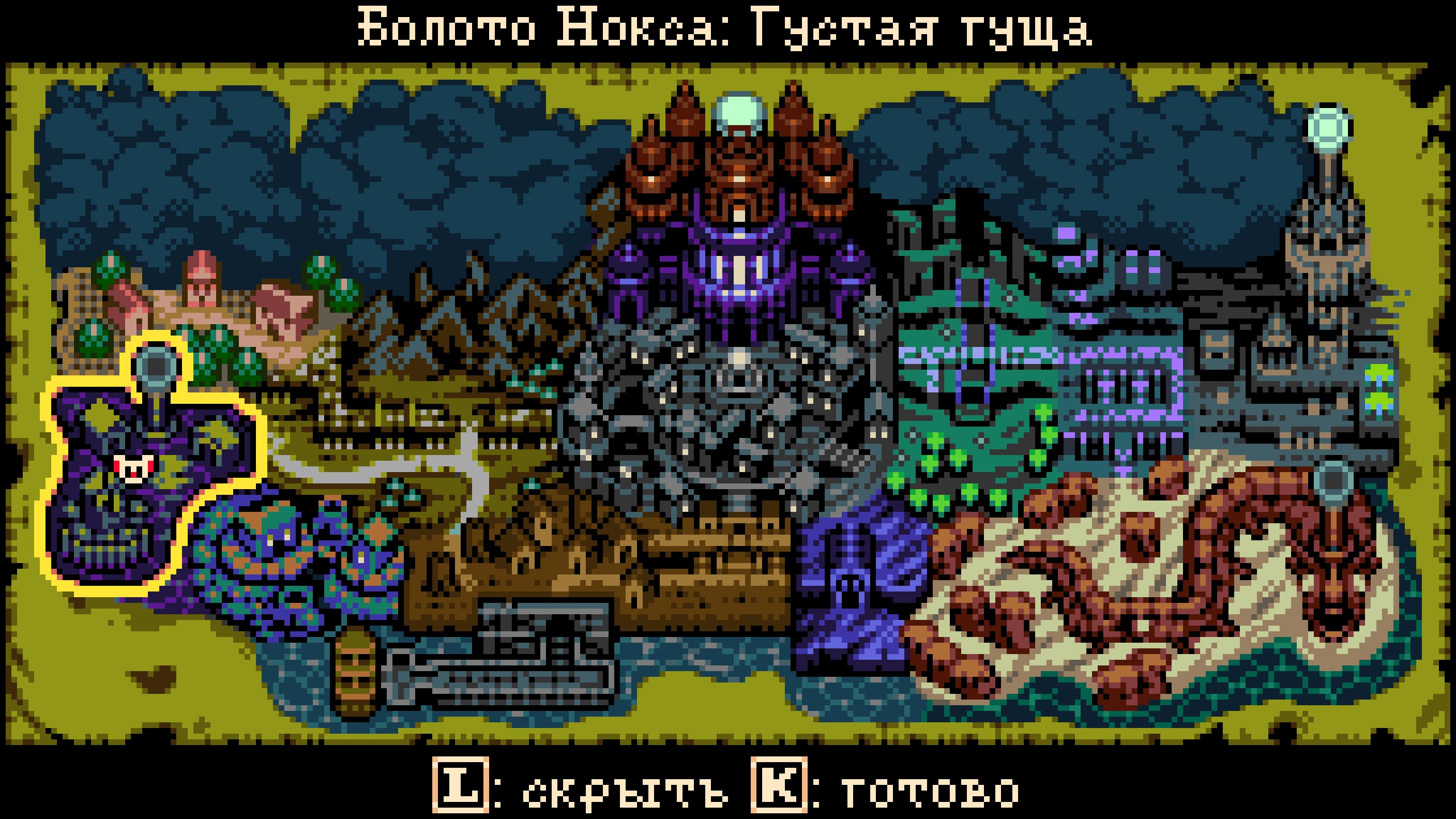
Let’s start with what works, because when Mina the Hollower clicks, it really clicks. The presentation is, without hyperbole, a masterclass in pixel art and chiptune composition. The world of Tenebrous Isle is rendered in a limited, nostalgic palette that somehow feels both authentically retro and crisply modern. Every area—from the gothic spires of Septemburg to the claustrophobic swamps of the Backwater Bayou—has its own distinct visual identity. The character sprites are full of personality, and the subtle animations (Mina’s ears twitching, the way she adjusts her hat) breathe life into the 8-bit limitations. Jake Kaufman’s soundtrack is a triumph, with tracks like “A Sinking Feeling” that burrow into your skull and refuse to leave. The music is moody, energetic, and perfectly matches the game’s Victorian horror aesthetic. If you have even a passing fondness for the Game Boy Color era, this game is a feast for the eyes and ears.
Exploration is where the game truly shines. The map is a sprawling, interconnected web of secrets, shortcuts, and hidden paths. There are no hand-holding markers; you discover things by paying attention to the environment—a suspicious crack in a wall, a gap that looks just a little too wide, an NPC who mutters a cryptic clue. Finding a new trinket or a hidden upgrade feels genuinely rewarding. The game is packed with content: five wildly different main weapons, over a dozen sidearms, and 60 trinkets that can radically alter your playstyle. You can build a tanky bruiser, a nimble glass cannon, or something in between. The moment-to-moment loop of exploring a new area, finding a secret, and being rewarded for your curiosity is, for long stretches, pure joy.

But then you have to fight something. And here, the game’s identity crisis becomes a chasm. The combat system is built around a core of frustrating design choices that feel less like “challenging” and more like “deliberately antagonistic.” Your primary dodge is the burrow mechanic, which requires you to jump first, then hold the button to dig underground. This has a significant wind-up. Many enemies telegraph attacks with a fraction of a second’s notice. The result is that you often have to predict attacks a full second before they land, which feels less like skill and more like clairvoyance. Meanwhile, you can only attack in the four cardinal directions, while enemies move, attack, and fire projectiles from every angle, including diagonals. This mismatch is the source of countless cheap deaths. You’ll swing your whip at an enemy, only for it to sidestep a pixel to the left and hit you. You’ll try to burrow away from a charging foe, only to be caught in the startup animation. The game’s hitboxes are also notoriously generous—for enemies. Your sprite can brush against a foe’s and take contact damage, which is especially punishing when combined with the knockback that so often sends you tumbling into a pit, dealing double damage.
The healing system, borrowed from Bloodborne’s vials, is another point of contention. You need to fill a “plasma” gauge by hitting enemies before you can use a healing vial. The act of healing leaves you rooted in place for a long, vulnerable animation. In a game where enemies are fast and relentless, this often feels like a death sentence. You’re forced to choose between taking a risky heal or fighting with a sliver of health. Many players, including myself, found themselves rarely bothering to heal during boss fights, instead relying on brute force and luck. The game’s difficulty curve is also profoundly lopsided. The first few hours are brutally punishing, as you have minimal health, weak attacks, and no access to the trinkets that ease the pain. Then, once you find a few key upgrades, the middle third of the game becomes a cakewalk, with many bosses falling on the first or second attempt. Then, in the final stretch, the difficulty spikes back up to infuriating levels, with gauntlets of enemies and platforming sections that feel designed to waste your time.
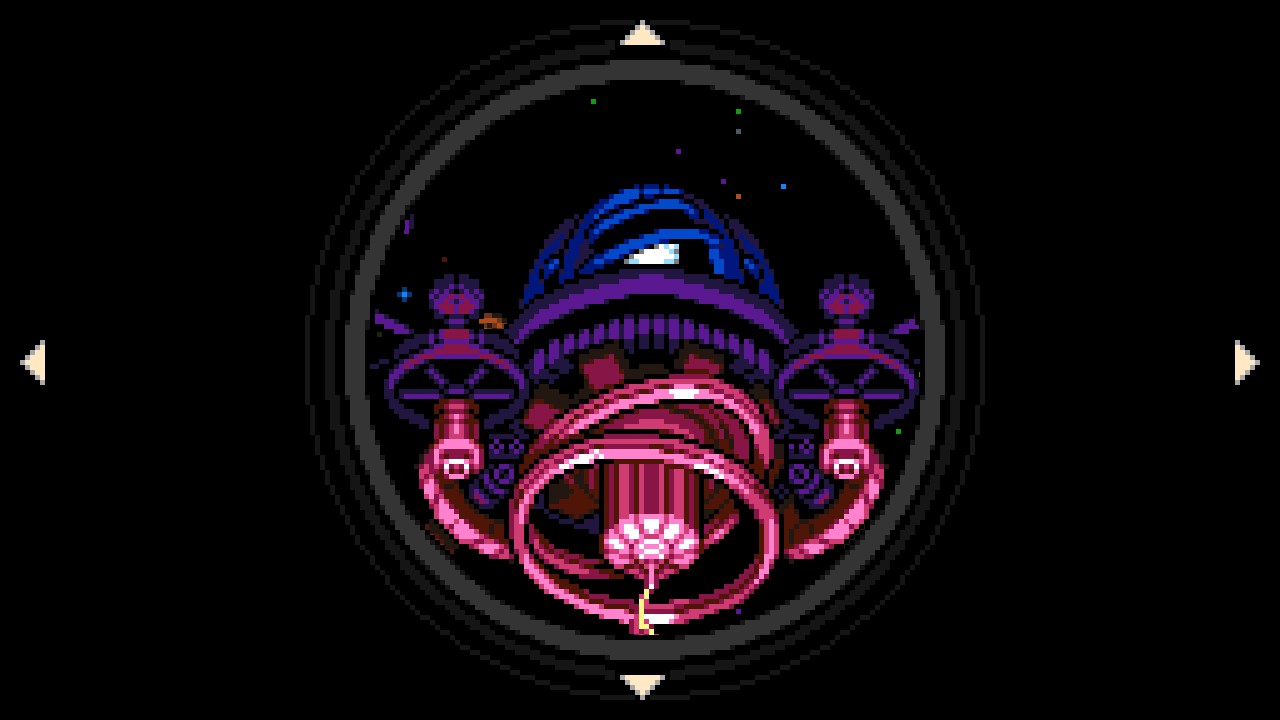
The platforming is a particular sore spot. Top-down platforming is almost always a clunky affair, and Mina the Hollower does not defy the trend. The game often demands pixel-perfect jumps over bottomless pits, while enemies and projectiles knock you around. The burrow mechanic, which is also used for platforming, is not precise enough for these demands. There are auto-scrolling sections that are exercises in pure frustration, and the respawn points are often placed cruelly far from where you died, forcing you to trudge through the same rooms full of respawned enemies over and over. The “corpse run” mechanic, where you lose your currency if you die without a spare “spark,” feels like an anachronism in a game that already has so many other punishing systems. FromSoft themselves have moved away from this design, and for good reason—it doesn’t add tension, it adds tedium.
To the game’s credit, it includes a massive suite of “modifiers” that let you tweak the difficulty to your liking. You can turn off pit damage, increase your health, slow down enemies, and even make yourself invincible. This is a commendable feature for accessibility. However, and this is a significant “however,” enabling these modifiers permanently disables achievements on that save file. This decision feels punitive, especially for players who might need these options due to a disability. It creates a perverse incentive: either suffer through the game’s more frustrating elements, or give up on the sense of accomplishment that achievements provide. It feels like the developers are saying, “We know our game is unbalanced, but we’re going to make you feel bad for fixing it.”
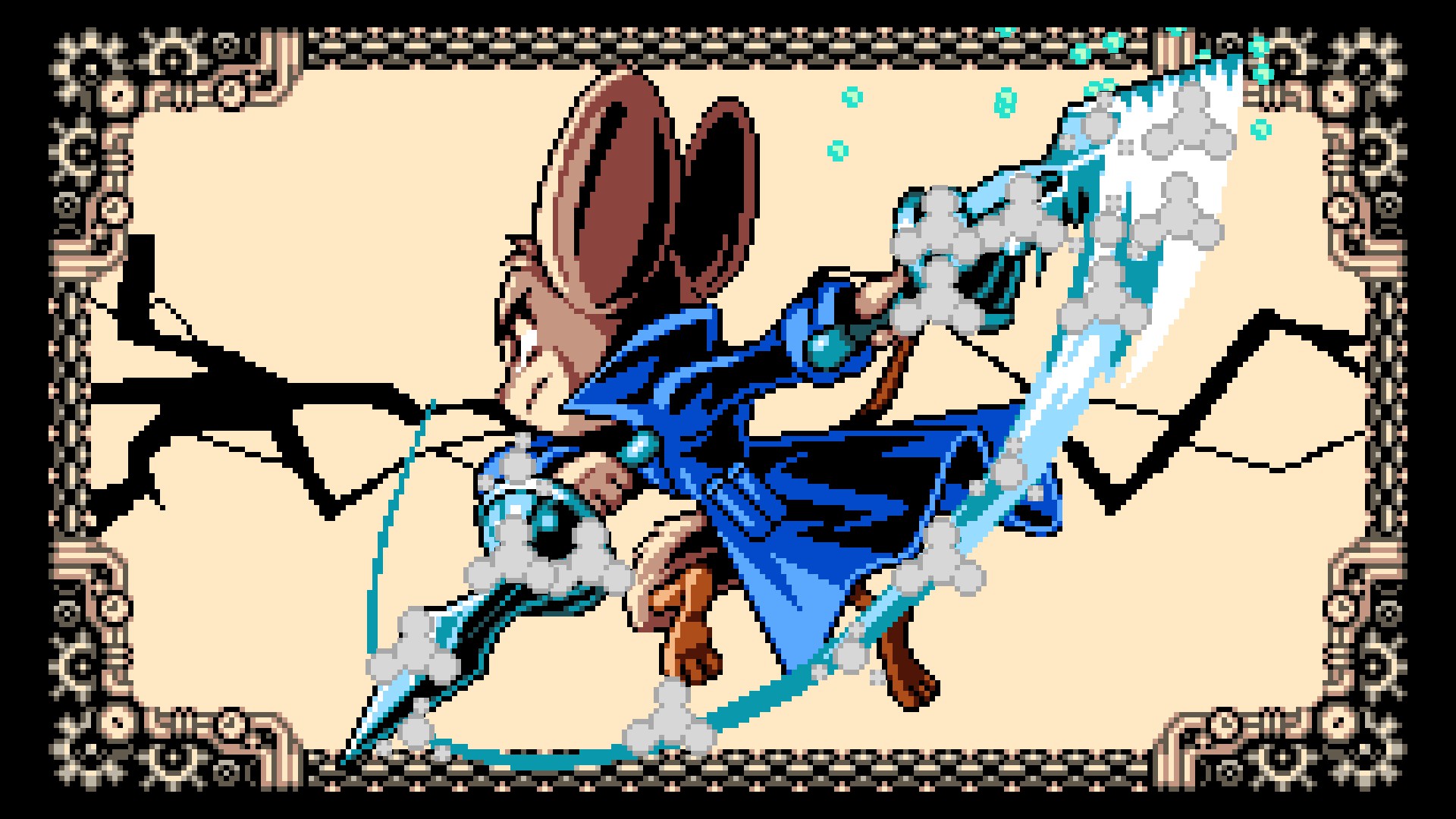
The story is another mixed bag. The gothic Victorian atmosphere is wonderful, and there are moments of genuine pathos and chilling lore. The characters are charming, and the dialogue is often witty. But the main plot is thin and predictable, with a “twist” that is telegraphed from the opening cutscene. Mina herself is a bit of a blank slate, rarely reacting to the increasingly obvious evidence piling up around her. It’s a functional story that gets you from point A to point B, but it doesn’t elevate the experience. The ending, while thematically appropriate, left a bitter taste in my mouth, feeling more like a downer than a satisfying conclusion.
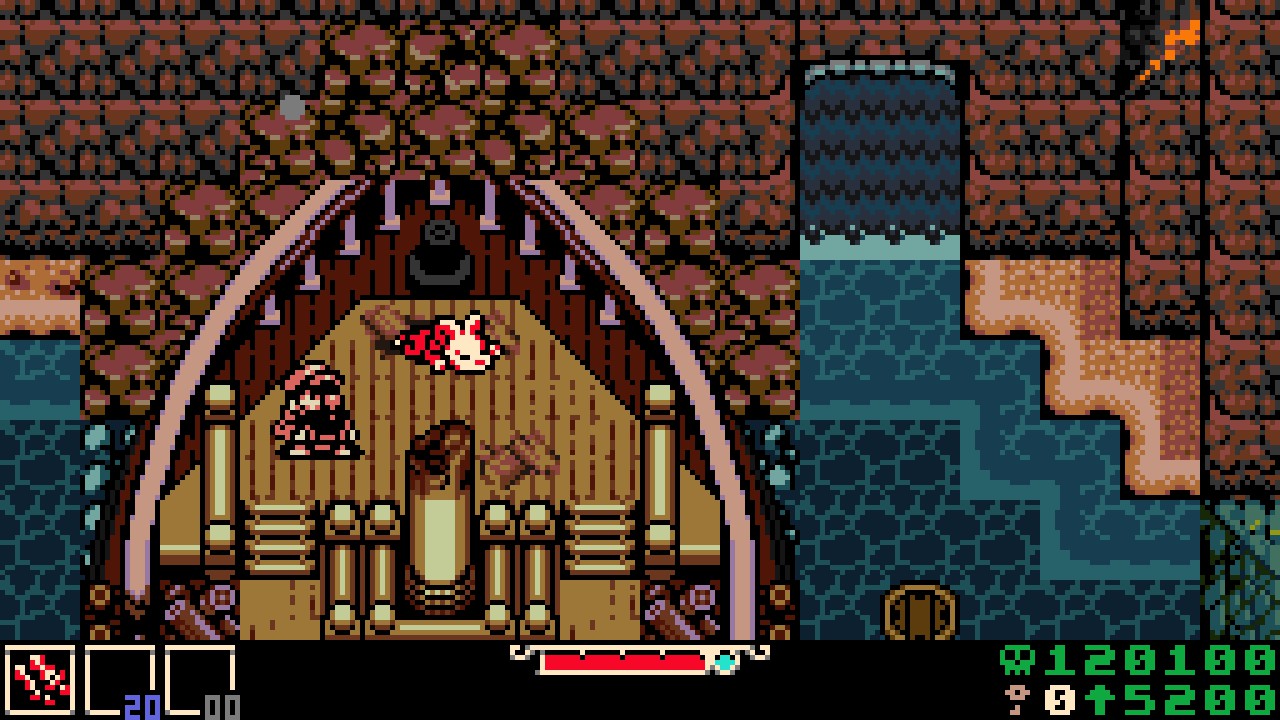
So where does that leave us? Mina the Hollower is a game of peaks and valleys. The exploration, art, and music are world-class. The core combat idea—the burrow—is unique and has potential. But the execution is muddied by a host of questionable design decisions that prioritize frustration over fun. The game feels like it’s constantly fighting against itself, and by extension, fighting against you. I finished the game, and I’m glad I did, but I can’t say I enjoyed large portions of the journey. It’s a game I admire more than I like. If you are a hardened veteran of Souls-likes, if you have the patience of a saint, and if you are willing to meticulously explore every corner to find the upgrades that make the game bearable, then you might find a gem here. For everyone else? Shovel Knight is still waiting, and it’s a much happier place to be.