MIO: Memories in Orbit — A Beautiful Mess That Tests Your Patience
I’ve been playing games since the Atari 2600, back when you could buy a cart, plug it in, and it just worked. No day-one patches, no five-hour tutorial, no “lore-justified permanent health reduction” that makes you feel like you’re being slowly pickpocketed. MIO: Memories in Orbit is a game that almost gets it right—and then, with the kind of determination you’d expect from a goldfish in a maze, it finds ways to make you sigh, restart, and wonder if you’d be happier replaying Super Metroid for the hundredth time.
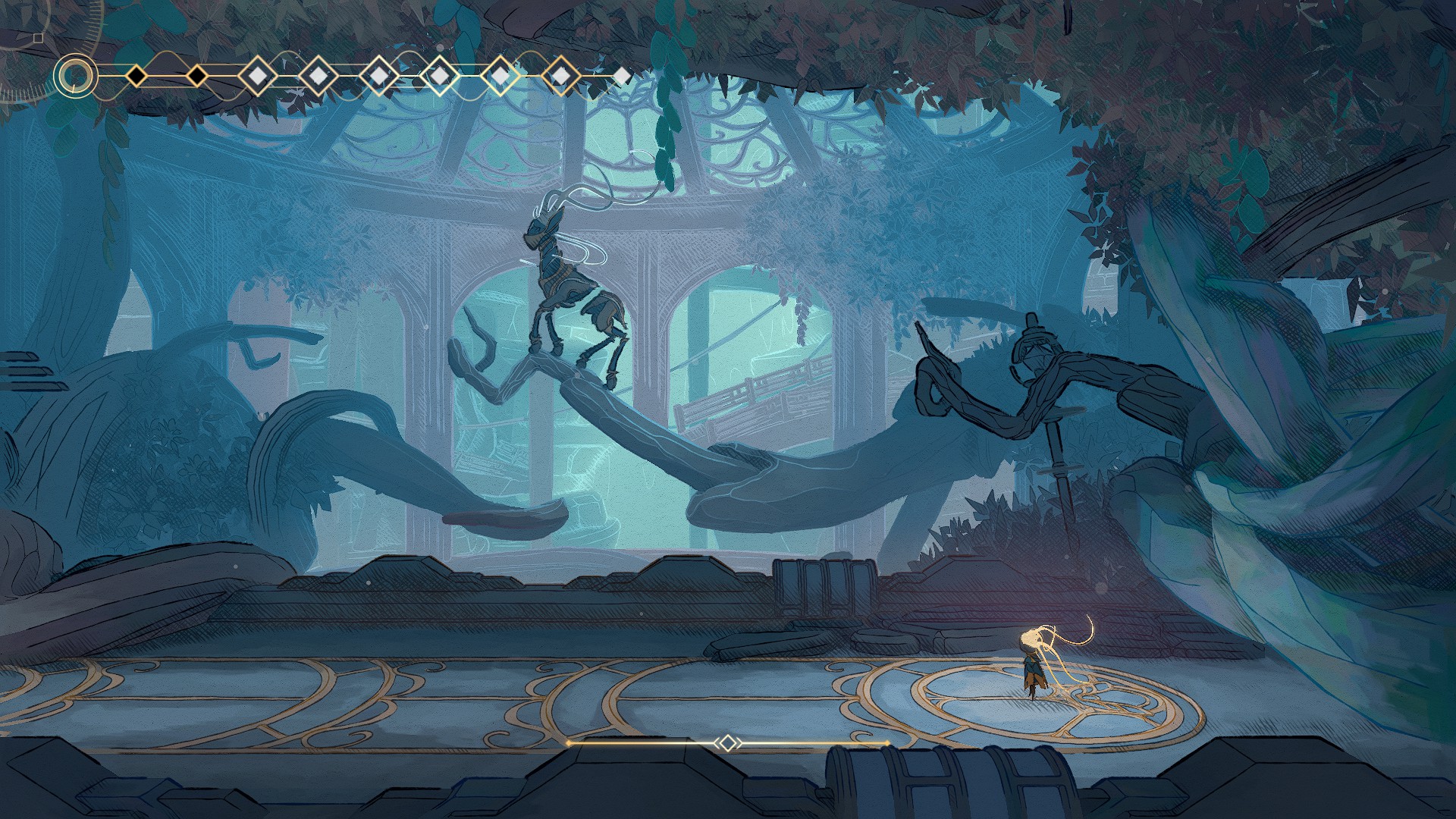
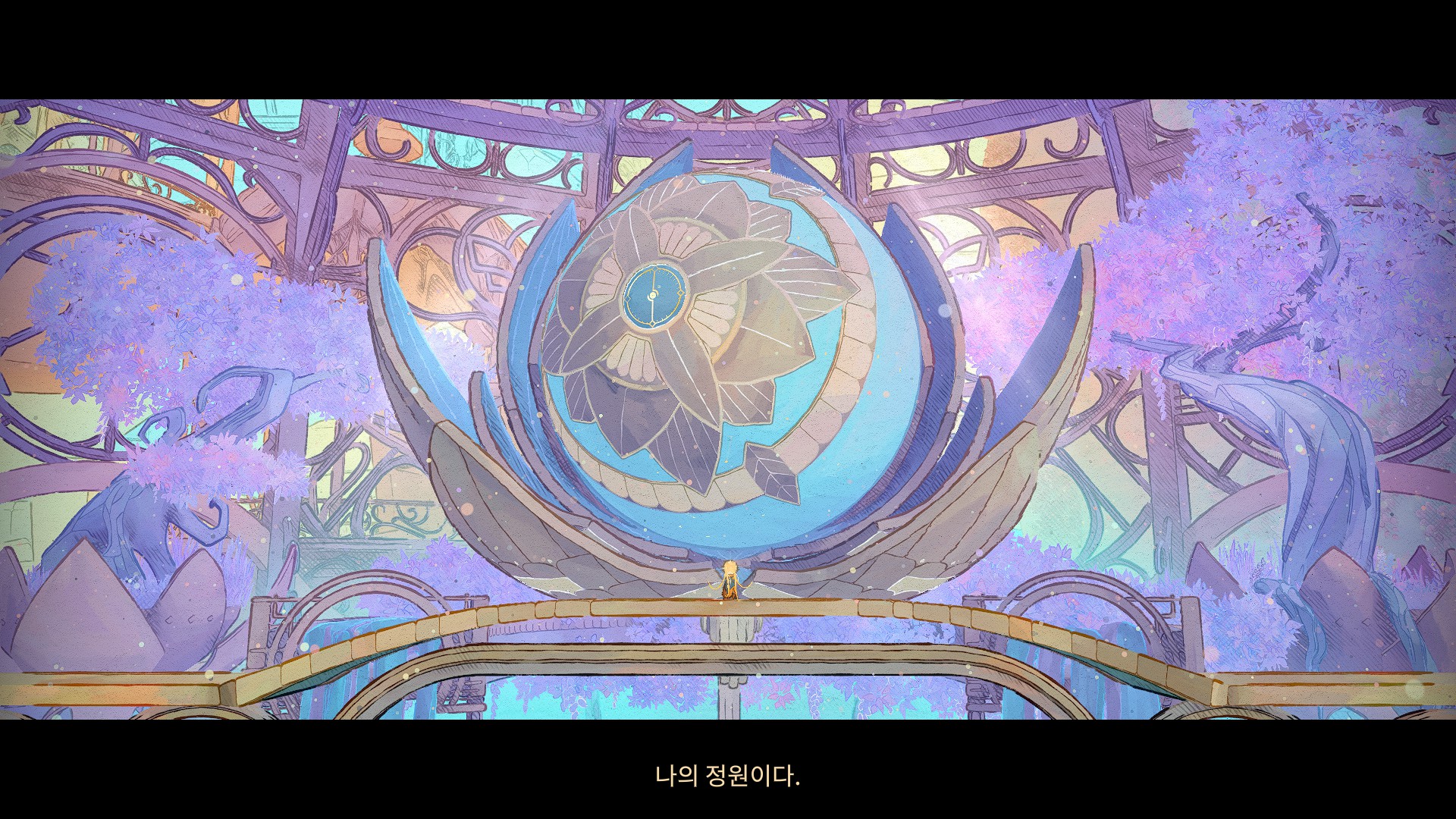
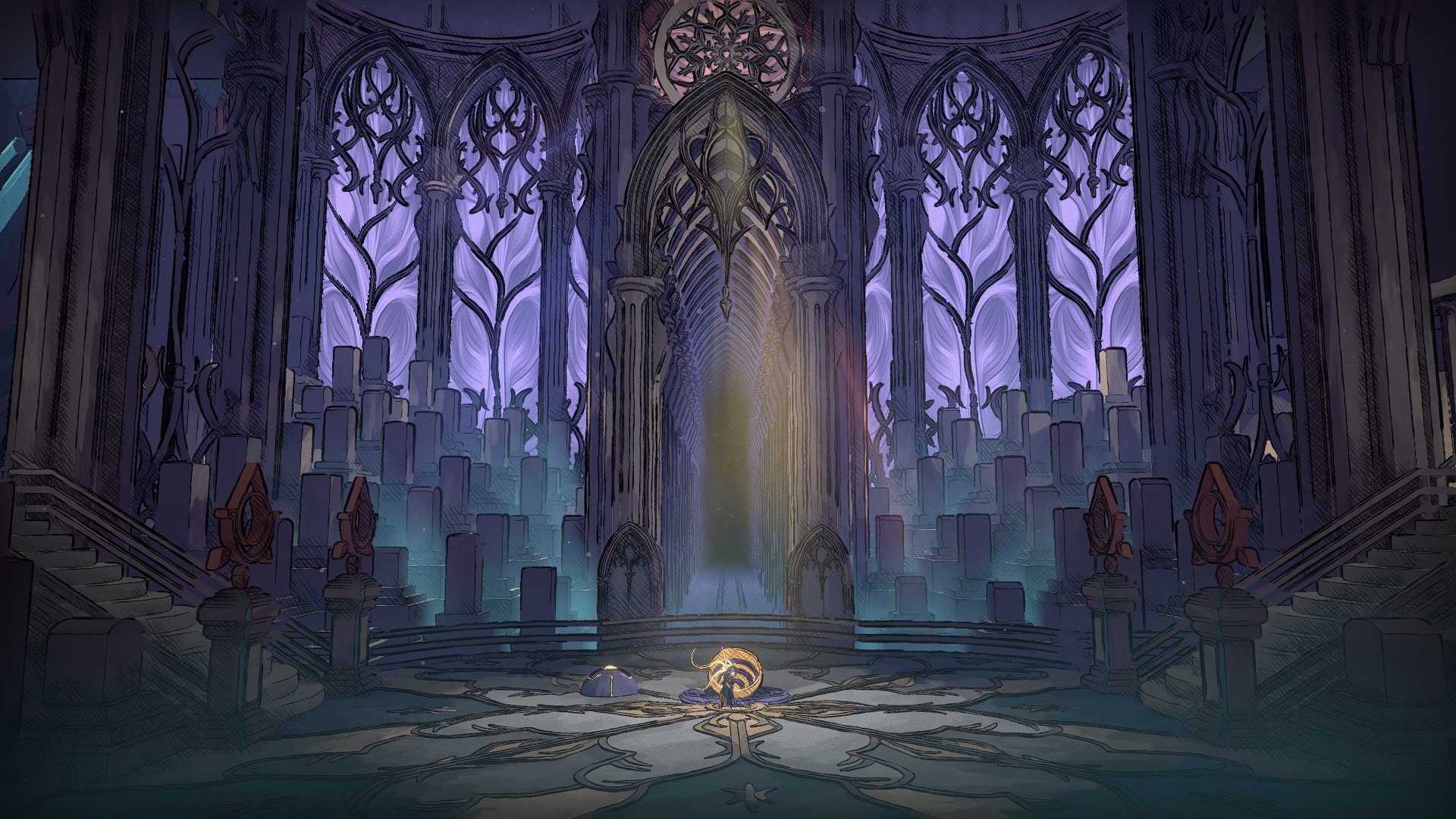
Let’s start with what works, because there’s plenty. The art style is breathtaking. Watercolor backgrounds, hand-painted animation, a world that feels both ancient and alive—the Vessel is one of the most gorgeous settings I’ve seen in a 2.5D game. Every area has its own personality: icy metropolises, overgrown ruins, places where nature and machine have become one. I caught myself just staring at the backgrounds more than once. The soundtrack, a mix of lo-fi beats and choral melodies, fits the melancholic atmosphere like a glove. It’s the kind of music that makes you want to explore, even when the game punishes you for doing so.
The story, too, is worth digging into. You play as MIO, a nimble robot waking up on a dying spaceship. The narrative unfolds through environmental clues, short dialogue, and the occasional journal entry. It’s a story about memory, loss, and hope—or the lack thereof. If you’re into sci-fi with a soul (think Nier: Automata or the better parts of Hollow Knight), you’ll find something to latch onto. The characters, especially the fellow robots you repair and befriend, are genuinely charming. One moment you’re laughing at a goofy bot, the next you’re reading a note that reminds you the whole place is falling apart. It’s effective.
Now, the gameplay: MIO is a metroidvania with a heavy focus on platforming. You start with a double-jump and a three-hit combo, then unlock a grapple, a glide, a dodge, and a wall-climb. The movement system is fluid when it works—chaining air attacks to stay aloft, using the grapple to swing across gaps, and combining abilities in tight sequences feels wonderful. The best platforming sections are like a dance, and when you nail them, you feel like a god. The problem is that the game is determined to make you feel like a mortal with a broken ankle far too often.
The first major issue is the permanent health loss. The game calls them “tremors”—scripted events that yank away one of your hard-earned health pips. And it doesn’t stop: you’ll lose several over the course of the game. The justification is that the ship is dying, and you’re dying with it. Fine. But in practice, it means you’re punished for progressing. You find a health upgrade? Great, you’ll lose it in an hour. It’s the kind of design that feels less like thematic resonance and more like a middle finger. “Oh, you beat that boss? Here, have a heart attack.” I’ve read better worldbuilding in a second-hand paperback, and that paperback didn’t reduce my HP.
Then there’s the backtracking. Metroidvanias are built on backtracking, but MIO takes it to absurd lengths. Checkpoints are spaced far apart, fast-travel is limited and only connects major regions, and you’ll spend minutes just holding left or right through empty corridors to get back to a boss you died to. And die you will. Bosses have large health pools, often two phases, and you can’t heal during the fight. Learn their patterns? Sure—but good luck when a single mistake costs you half your health and you have to run back through two elevators and a room of respawning enemies. The walk-back can take over a minute, and if you’re on attempt #10, that starts to feel like the game doesn’t respect your time.
The combat itself is simple but serviceable. A three-hit combo, a dodge that acts like a parry, and modifiers that change how abilities work. But the modifiers are a puzzle of their own: you have limited slots, and many upgrades are locked behind high costs, forcing you to choose between minor damage boosts and essential survivability. The economy feels unbalanced—you’ll stick with the same few mods throughout because experimenting costs too much. And the game occasionally gives you modifiers for an ability you haven’t even found yet. That’s just poor pacing.
Platforming in the late game becomes brutal. The “Crucible” sections are optional but required for the true ending, and they demand pixel-perfect input chains over long distances with instant-death hazards. There’s no checkpoint in these gauntlets—fail and you start over. The controls, while usually responsive, sometimes fail to register a downward attack or a grapple, especially during rapid directional changes. I had the same issue many players report: the grapple won’t go where you point if you’re not perfectly still. That’s not skill—that’s a control issue.
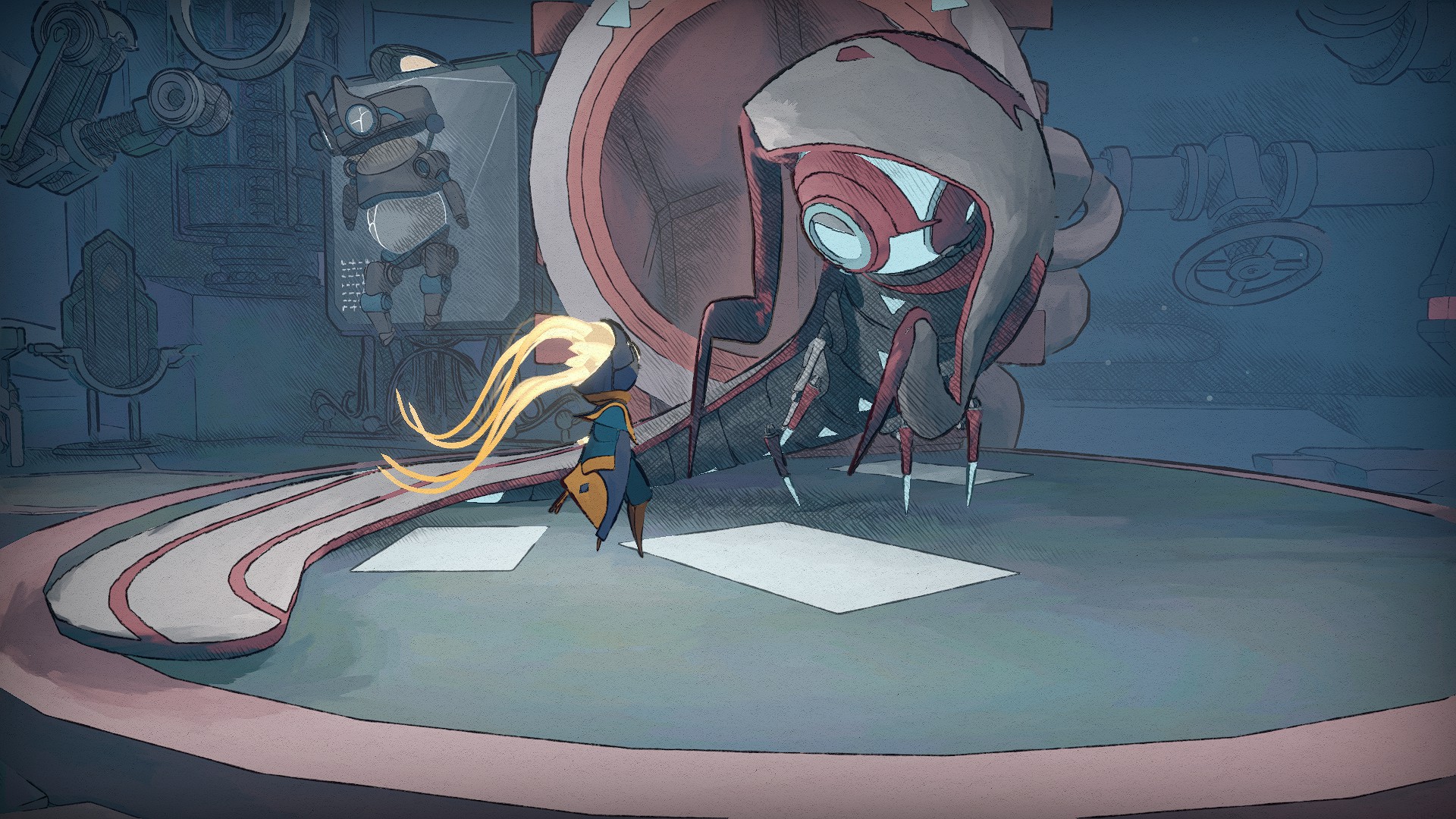
The boss design is a mixed bag. Most are visually interesting and have unique mechanics. But a few stand out for all the wrong reasons: the “Sol and Vin” boss fight is a notorious difficulty spike where you can be two-shot, and the runback is lengthy. It’s the kind of fight that makes you wonder if the developers playtested it with anything less than a speedrunner’s reflexes. And the aforementioned health loss makes these fights even more punishing—you’ll have fewer hits to learn with, making a hard boss harder for no good reason.
Despite all this, there’s a good game buried under these design choices. The exploration is genuinely rewarding when you’re not being forced to retread the same paths. The sense of discovery, the hidden rooms, the lore pieces that flesh out the Vessel’s tragedy—it all creates a compelling atmosphere. The true ending, if you can endure the gauntlet, pays off emotionally. I’ve seen a lot of players call it a masterpiece, and I understand why the art and story resonate. But for me, the frustration outweighed the wonder.
I finished the main campaign, but I couldn’t bring myself to chase the true ending. I simply ran out of patience. And that’s a shame, because there’s a 9/10 game in here—if only the developers had added a few more checkpoints, made teleportation less restrictive, and maybe, just maybe, cut the permanent health loss. As it stands, MIO: Memories in Orbit is a game I’d recommend with a long list of caveats. If you have the reflexes of a Jedi and the patience of a saint, go for it. Otherwise, you might want to wait for a sale—or replay Hollow Knight again. I know I will.
Final verdict: A gorgeous, ambitious metroidvania that shoots itself in the foot with needless friction. The art, music, and world are top-tier. The gameplay is a frustrating rollercoaster. Approach with caution.