No, I’m Not a Human: The Door is a Liar
I’ve been playing games since before most of you were born. I remember when horror meant a flickering candle in a dungeon crawl, not a scripted jump scare every thirty seconds. So when a game comes along that actually understands dread—the slow, creeping kind that settles in your bones—I take notice. No, I’m Not a Human is that game, for better and for worse.
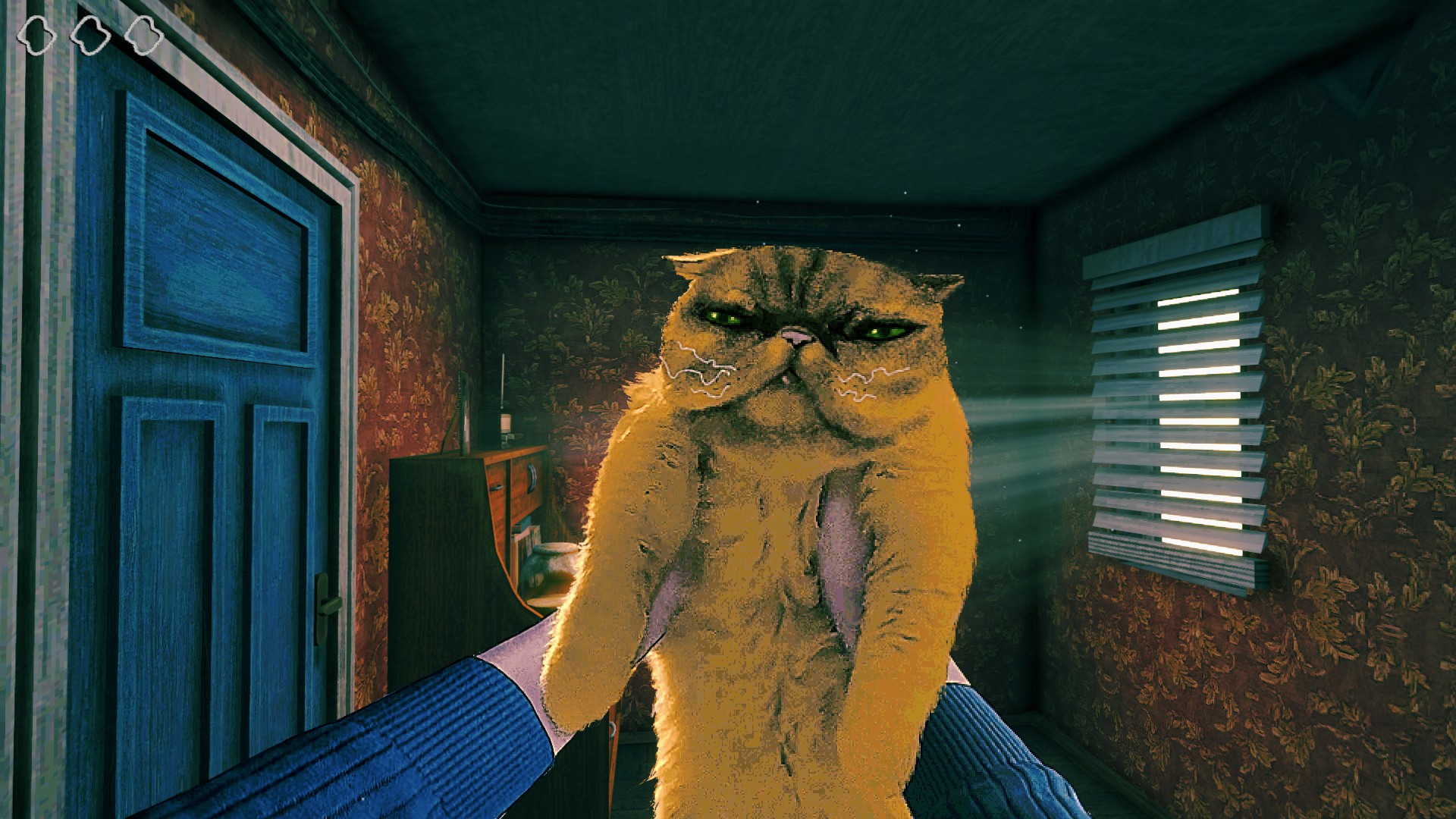
The setup is deceptively simple. The sun has turned the world into an oven. Daytime is lethal. Night belongs to the Visitors—things that look human, talk human, smell human, but aren’t. Your job: survive fourteen nights in your home. Let people in for shelter, because isolation kills you faster than any Visitor. But some of those people are monsters. And you have to figure out which ones before they gut you or, worse, the ones you care about.
Let me tell you about that first playthrough. I was up past midnight, coffee gone cold, the only light in the room from my monitor. A knock at the door. A woman, hysterical, begging for refuge. I let her in. She seemed fine. Then I found a body in the hallway the next morning. No blood. Just… gone. That feeling—that sickening twist in your gut when you realize you made a mistake—that’s the core of this game. And it’s brilliant.
The art style is the first thing that grabs you. It’s lo-fi, grainy, almost like an old VHS tape that’s been played too many times. The colors are washed out, sickly yellows and browns. Every character looks wrong—gaunt, stretched, with eyes that don’t quite focus. The Pale Visitor, in particular, is a masterpiece of uncanny design. I’ve seen a lot of monsters in my time, from the pixelated horrors of Alone in the Dark to the grotesqueries of Dead Space. The Pale Visitor, smiling that wet, knowing smile from outside your window at 3 AM, is up there with the best of them. 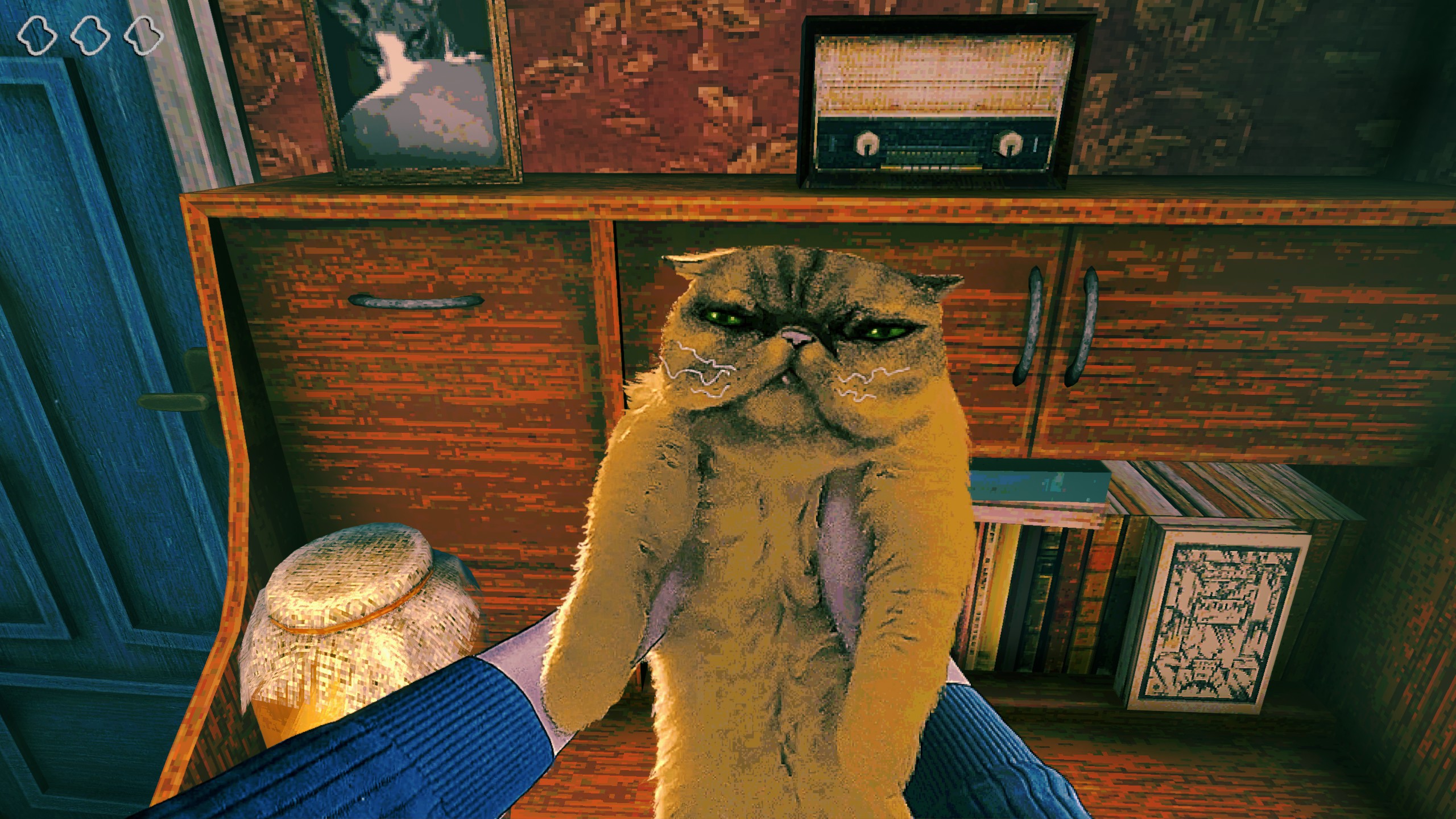
The sound design deserves equal praise. The soundtrack uses distorted, slowed-down versions of old songs you almost recognize, which is more unsettling than any original score. The creak of floorboards, the muffled conversations from the rooms where you’ve stashed your guests, the frantic knocking at the door—it all builds an atmosphere of constant, low-grade paranoia. You never feel safe. That’s the point.
But here’s where I have to put down my coffee and sigh. Because No, I’m Not a Human is a game of two halves, and the second half is where it starts to fray.
The first run is magic. The second run is still good. By the third, you’ve figured out the pattern. The gameplay loop is this: wake up, check the radio, talk to your guests, perform tests, manage your energy, go to sleep, check the door, repeat. It doesn’t evolve. The tension evaporates once you realize that Visitors almost never kill you. They kill other people in your house, sure, but you? The protagonist is apparently the chosen one. The Pale One only comes for you if you’re completely alone. So the game’s central threat—the thing that’s supposed to keep you on edge—is easily neutralized. Just never be alone. That’s it. The entire survival strategy in a nutshell.
And that’s a problem. Because the identification system, which should be the heart of the game, is deeply flawed. You can’t tell if someone’s a Visitor just by talking to them. You have to perform tests—checking their aura photo, examining their body for signs. But these tests aren’t reliable. False positives and false negatives abound. So you’re left guessing, and guessing wrong too often. The game wants you to feel paranoid, but instead it just feels arbitrary. I’ve read better worldbuilding in a second-hand paperback. The lore is intriguing at first—something about an AI, about FEMA overreach, about a cosmic horror wearing human skin—but it never coheres. By the mid-game, the story starts contradicting its own rules. Why do Visitors want you to have people in your house if they’re just going to kill them? Why does the Pale One care about your dialogue choices? It feels like the developers had a great concept but couldn’t quite land the plane. 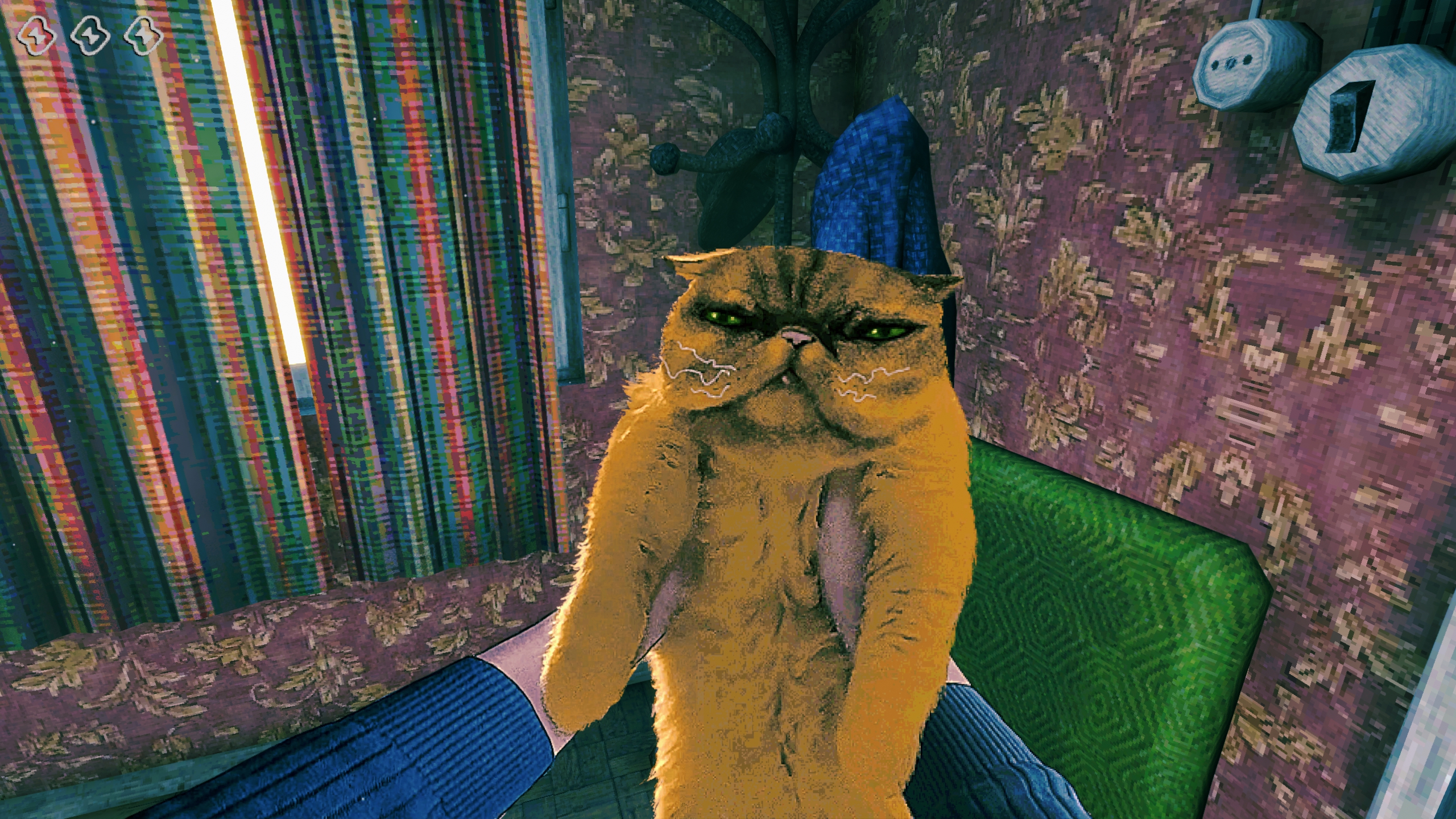
The characters, at least, are a highlight. There are over forty unique NPCs, each with their own backstory, personality, and dialogue. Some are heartbreaking—a little girl who lost her parents, a miner with a tragic tale. Others are genuinely funny, like the guy in the Among Us shirt (yes, really). The writing is sharp, and the dialogue choices, while not always consequential, add flavor. I found myself genuinely invested in some of these people’s fates, which made the moments when I had to kill a suspected Visitor—or, worse, when I let one in by mistake—hurt all the more.
But the replayability is a double-edged sword. The game has 11 endings and encourages multiple playthroughs. But after 3-4 runs, the repetition sets in hard. You know the script. You know when certain characters show up. The RNG for visitors becomes a grind, especially if you’re going for 100% achievements. I spent over an hour reloading saves just to get one specific character to appear at my door. That’s not engaging gameplay; that’s a chore. The developers have added updates to address this—the “Usual Suspects” update helped—but it’s still a pain.
Performance-wise, the game runs like a dream. It’s a 2D point-and-click adventure, so any potato PC can handle it. No stutter, no crashes (mostly—I did encounter one bug that softlocked a run, which was frustrating). The developers seem committed to patching and adding content, which I respect. Back in my day, a game shipped complete and that was that. So kudos to Trioskaz and CRITICAL REFLEX for supporting the game post-launch.
So where does that leave us? No, I’m Not a Human is a game I want to love. Its atmosphere, art, and writing are genuinely top-tier. That first playthrough is one of the best horror experiences I’ve had in years. It’s the kind of game that gets under your skin and stays there, making you question every knock at your own front door. But the repetitive loop, the inconsistent identification mechanics, and the narrative that loses its thread keep it from greatness. It’s a solid 7.5 out of 10 for me. If you’re a fan of psychological horror, of games like Papers, Please that rely on moral ambiguity and tension, you should play this. But go in knowing that the magic fades. And for the love of all that is good, never be alone in that house. 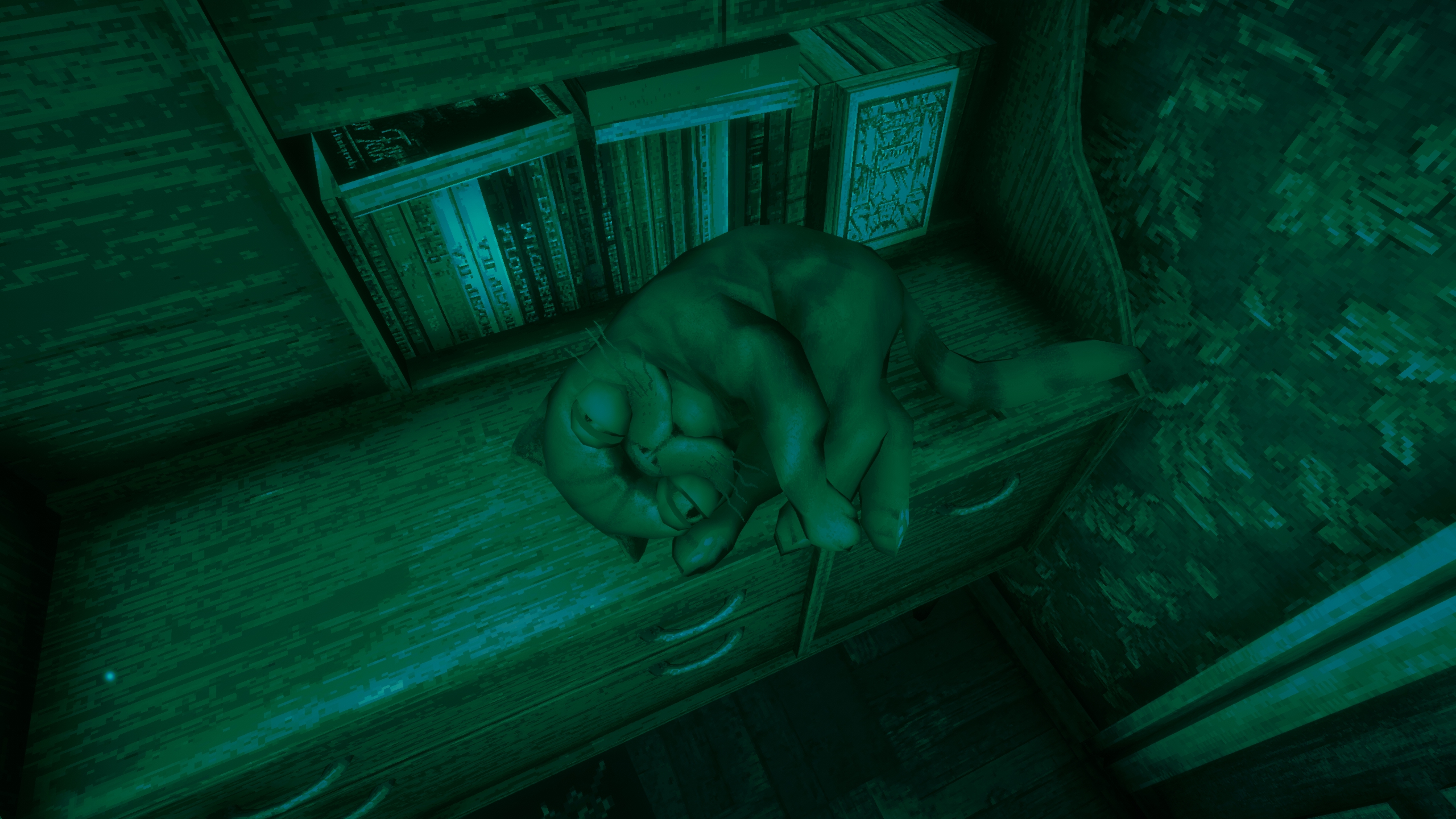
Gregor Vane keeps his shotgun loaded and his coffee black. He’s been reviewing games since 1998 and has yet to meet a Visitor he trusts.