Pax Augusta: A Roman City Builder Left to Rot
I remember when city builders shipped complete. You’d put the disc in, install, and play a finished game. No patches, no promises, no dev vanishing six months later. Pax Augusta is a textbook example of why I’ve grown weary of the modern era. It had potential. It really did. But as I write this, the last update was October 2025, and the developer has gone silent. The community is rightfully furious. So let me save you the price of entry: unless you enjoy unfinished, buggy simulations that feel like an early access release masquerading as 1.0, steer clear.
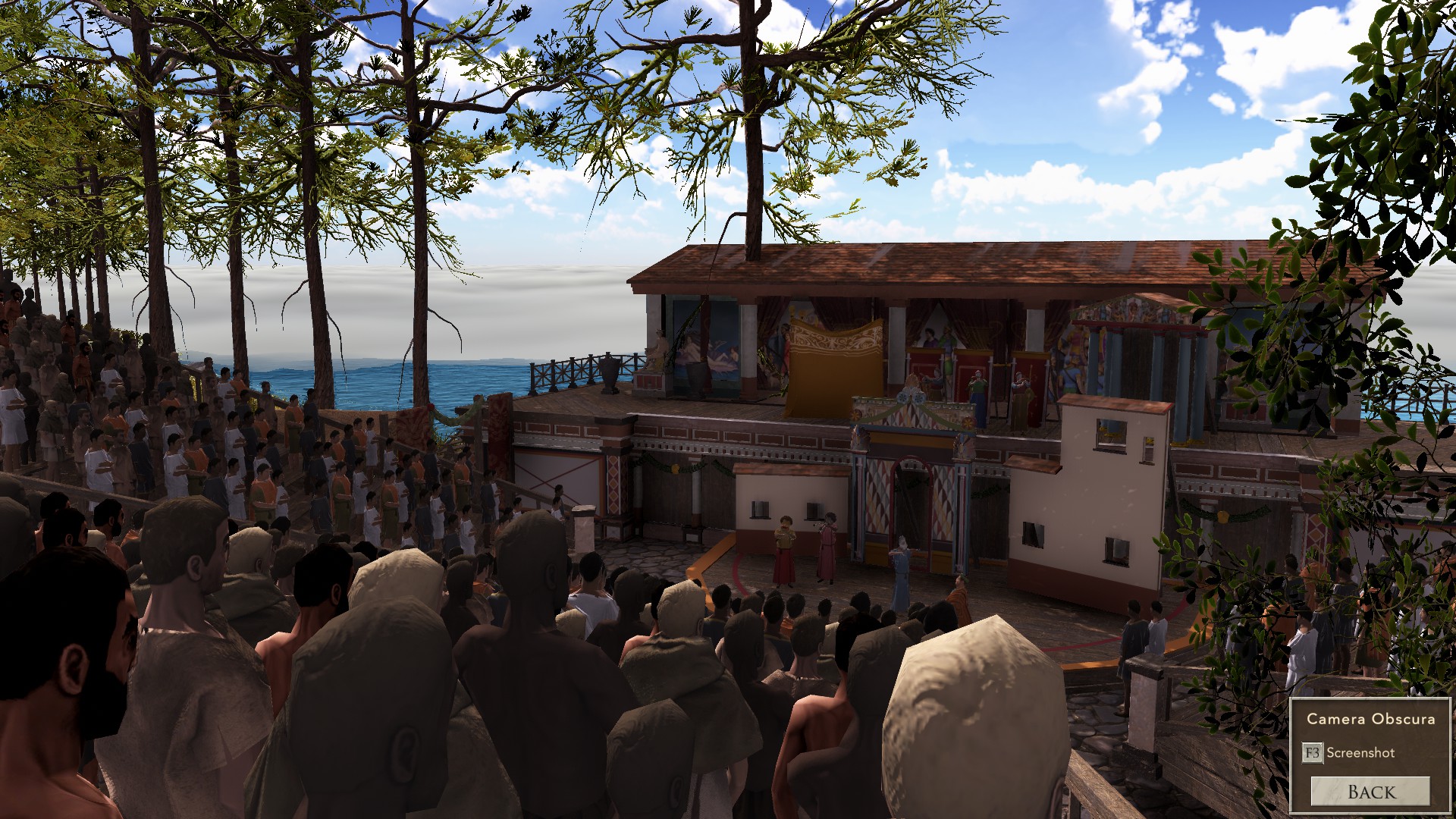
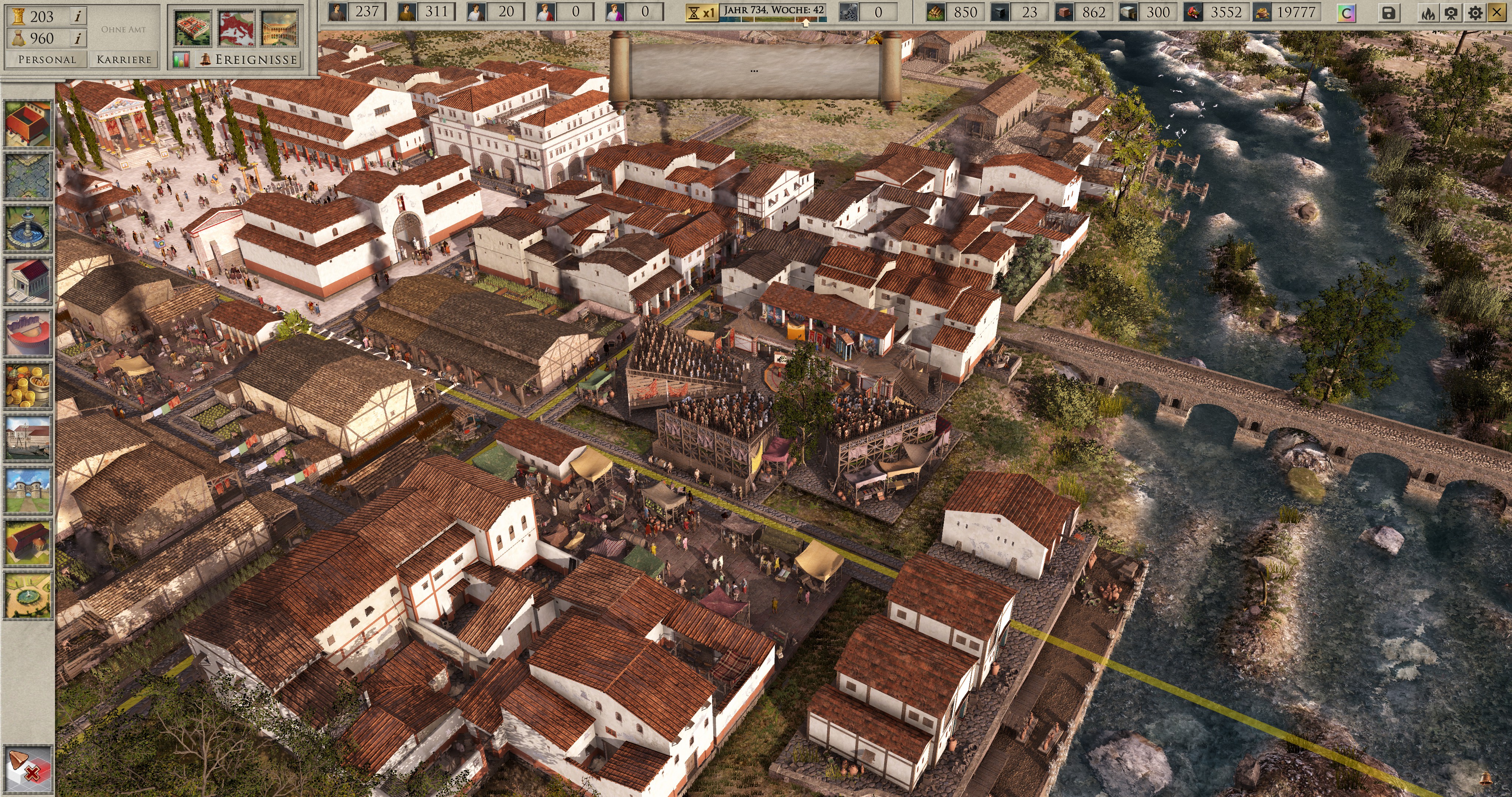
Let’s start with what’s good, because there is a flicker of something here. The game attempts to simulate Roman city management with a decent level of authenticity. Buildings are modeled after real ruins, and the architectural detail is appreciated. The economy is reasonably complex—you juggle coin, forum administration points, reputation, and multiple resources. Instead of a tech tree, progress is gated by population class thresholds, which is an interesting twist. You need enough plebeians before you can unlock fishermen, enough equestrians for a theater, and so on. It forces you to think about social structure in a way most city builders ignore. There’s also a multi-layered system of city, region, and empire interactions, plus you have to recruit gladiators and actors from other settlements. That’s neat.
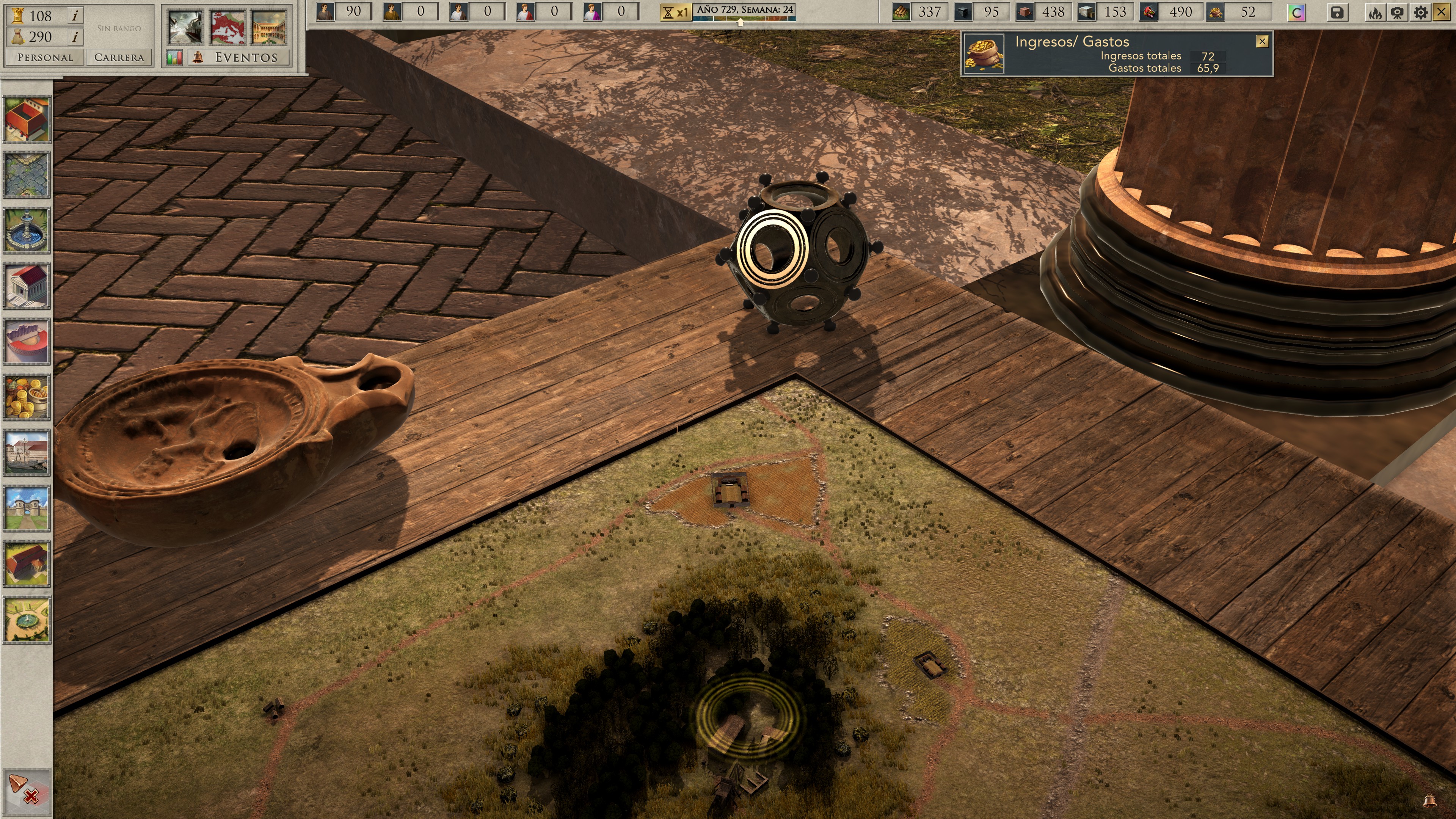
But then the cracks start to show. The maps are absurdly small. You’re supposed to build a thriving Roman metropolis, but you’re given a plot of land that would barely fit a medium-sized forum and a few insulae. Want to build an arena? Good luck. You’ll have to demolish half your city. The designer calls it a challenge; I call it artificial constraint. I’ve played Caesar III on a Pentium II with more breathing room. The tiny maps make the whole exercise feel claustrophobic and frustrating.
Then there’s the lack of feedback. Your citizens’ satisfaction can plummet from 100% to zero with no warning. No gradual decline, no tooltip saying “Hey, you’re running low on grain.” Just a sudden revolt. You either babysit every resource meter like a hawk or accept the chaos. That’s not difficulty—that’s poor design. And some production buildings are finicky beyond reason. I had to delete and rebuild a brickworks three times before it started operating. The game never told me why it wasn’t working. I’ve read better documentation on a cereal box.
And now the elephant in the room: abandonment. The game launched in April 2025. By October, the developer stopped updating. No bug fixes, no quality-of-life improvements, no communication. The store page still promises features like “political power games” and “natural disasters,” but many of those systems feel half-implemented. Corruption is a stat that does… something? The tutorial doesn’t explain it. The “whims of the emperor” amount to occasional pop-up demands. It’s shallow. The player reviews scream “scam,” and I can’t disagree. This is a game that was released too early, patched for six months, and then left to die. Back in my day, a game like this would have been pulled from shelves until it was finished. Now it sits on Steam, taking money from unsuspecting Romans.
I want to be fair. One reviewer gave it an 8/10, calling it a “relaxing Roman city builder.” They appreciated the unique features and the economic depth. And I can see that—if you’re willing to grind through the bugs and the tiny maps, there’s a decent simulation underneath. But that reviewer also noted the same problems I did: finicky buildings, sudden satisfaction drops, unclear mechanics. They just found it charming enough to overlook. I don’t have that patience. Not when the game is effectively abandoned. Every hour I spend is an hour that could be spent on something that works.
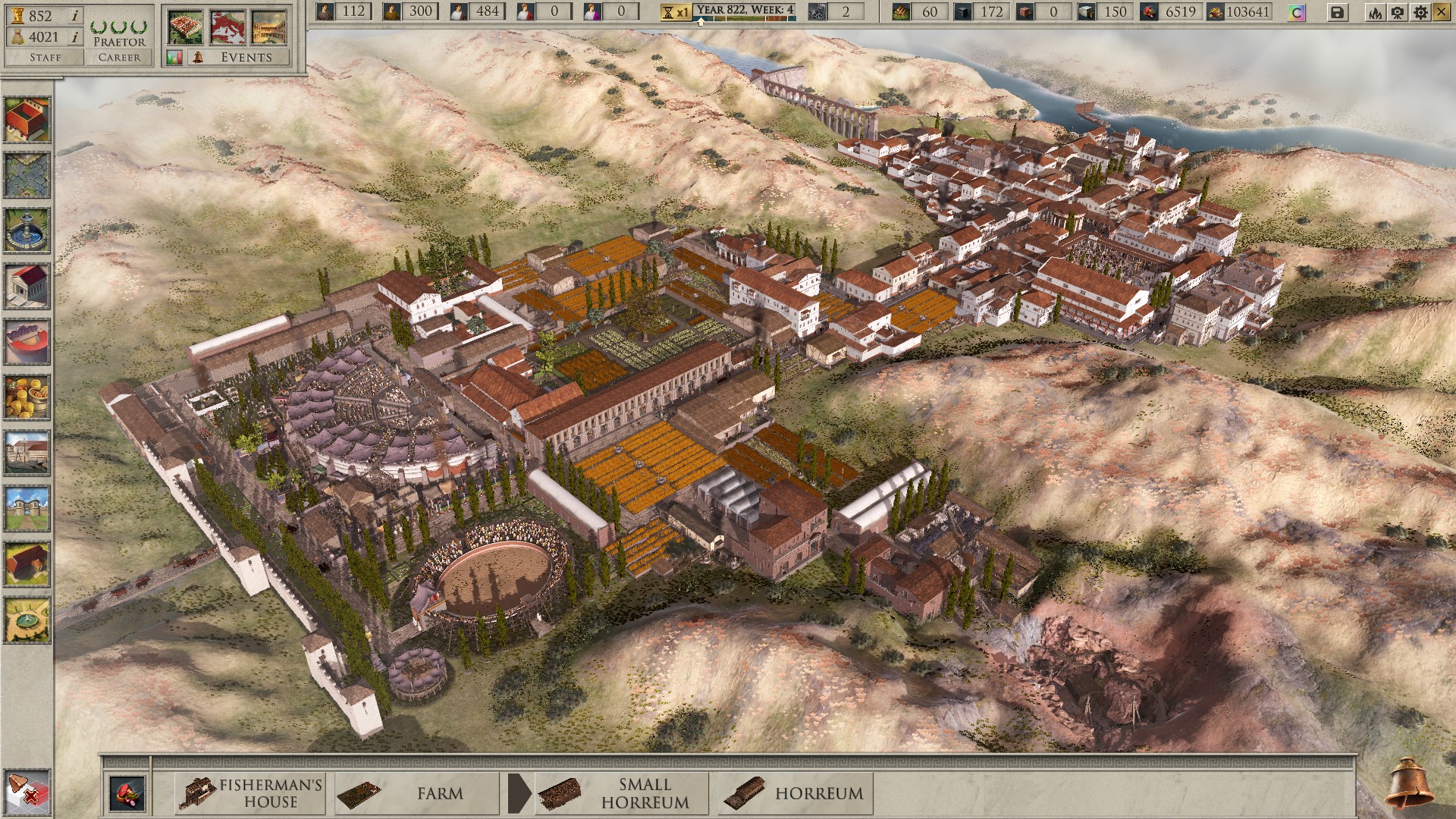
Technically, the game runs without major stutter on my machine, but that’s faint praise. The UI is clunky, and the tutorial leaves you guessing about half the systems. I’ve read better worldbuilding in a second-hand paperback. The narrative is thin—there’s a story mode, but I didn’t get far before the bugs soured me. The lack of military content doesn’t bother me, but your mileage may vary.
Ultimately, Pax Augusta is a tragedy. It had the bones of a solid game: authentic architecture, clever population-based progression, and a multi-layered economy. But it was released too early, supported too briefly, and abandoned too soon. I cannot recommend it in good conscience. If you’re desperate for a Roman city builder, go play Caesar III or even the old Impressions games. They’re complete. They work. They don’t disappear on you.
Score: 4/10. Potential squandered. Buyer beware.