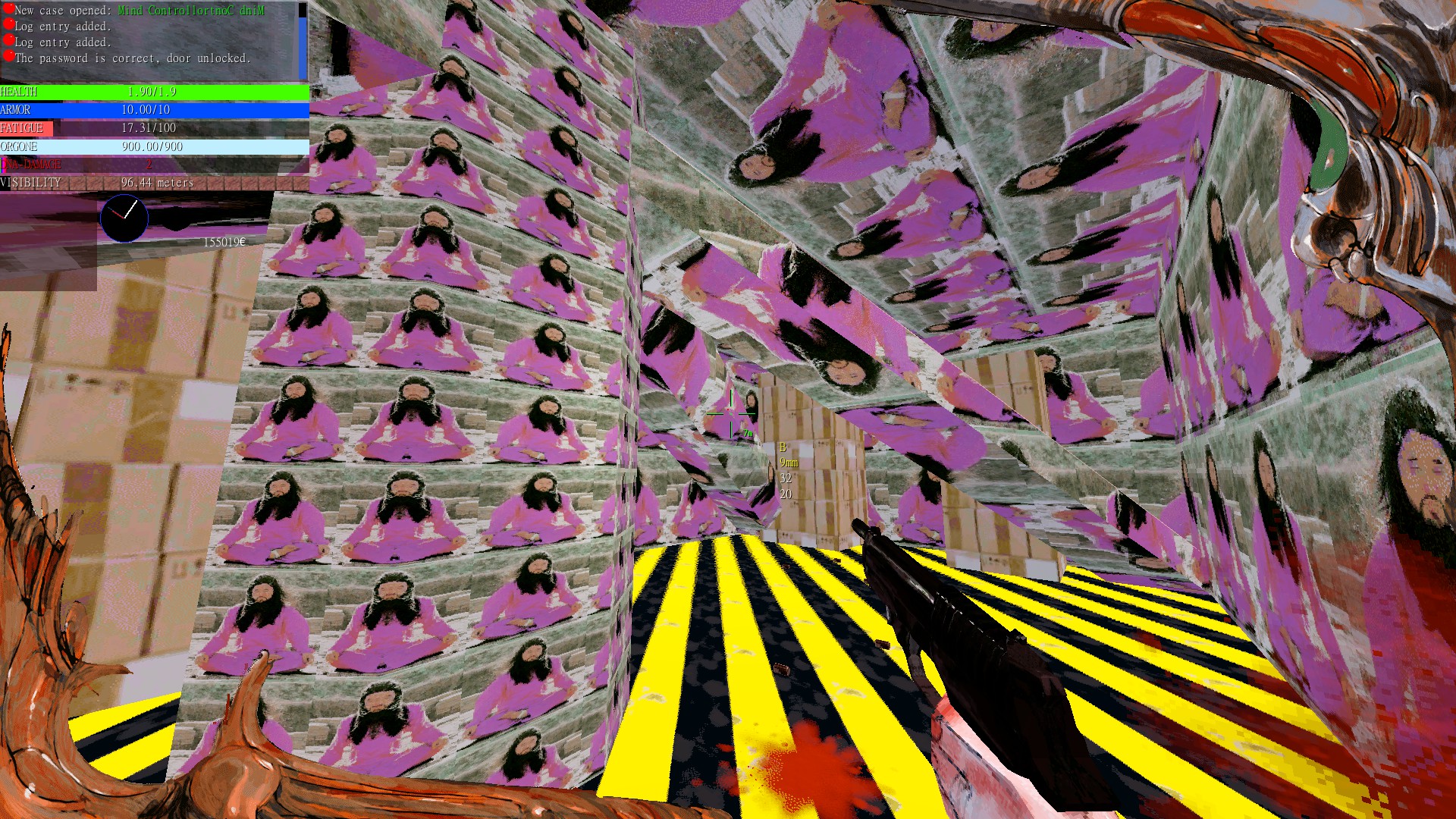
Psycho Patrol R: A Beautiful, Broken Brain Scan
I’ve been playing games since the Atari 2600 was the hot new thing in town. I’ve seen trends come and go like seasonal allergies. And I’ve watched with a weary eye as the industry decides that “early access” means “sell the public an unfinished promise for full price.” So when I booted up Psycho Patrol R, Ville Kallio’s follow-up to the deranged masterpiece Cruelty Squad, I braced for the worst. What I got instead is a game that feels like it was beamed in from a parallel dimension where design docs are written in hieroglyphs and gameplay loops are measured in pure, unfiltered ambition. It’s brilliant. It’s busted. It’s absolutely worth your time if you have the patience of a saint and a taste for the avant-garde.
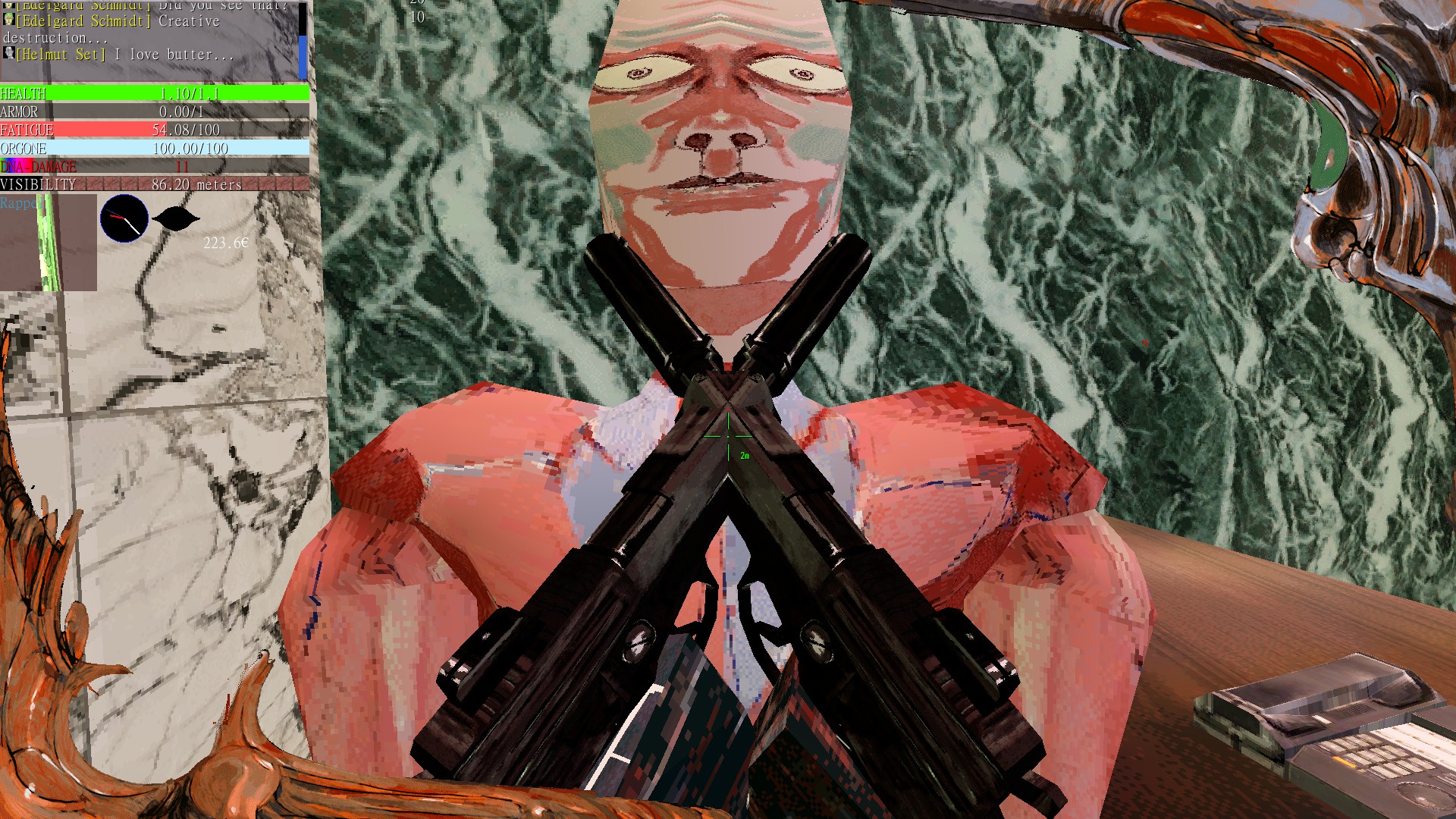
Let’s get the obvious out of the way: if you’re coming from Cruelty Squad expecting more of the same—mutant cyborg assassinations, drifting gun barrels, a soundtrack that sounds like a dial-up modem having a seizure—you’ll be disoriented. Psycho Patrol R shares the same DNA, the same uncomfortable art style, the same love of surreal bureaucracy. But where Cruelty Squad was an action-shooter with a level focus, Psycho Patrol R is an open-world RPG built around detection, deduction, and a heavy dose of immersive sim logic. You are not a superhuman killing machine. You are a police officer in the decaying Pan-Europa, piloting a V-Stalker mecha, trying to solve the mystery of the Orgone while the soul of the planet teeters on collapse. Your chances, the game tells you, are 0.001%. That’s a pretty good hook.
The moment-to-moment gameplay is a strange, seductive beast. The case system is the heart of the thing. Over a dozen quests, most optional, all connected to the main mystery without forcing you down a rail. Want to ignore the Horse Case? Fine. But you might miss one of the most emotionally affecting moments I’ve had in a game this year—yes, almost made this jaded old reviewer cry. The dialogue is sharp, weird, and filled with characters that feel like they wandered out of a Le Guin novel after a fire. Unique NPCs are marked with yellow names, and the writing rewards every conversation. You’ll find yourself talking to everyone, exploring every alley, because you never know what thread will unravel the next lead.
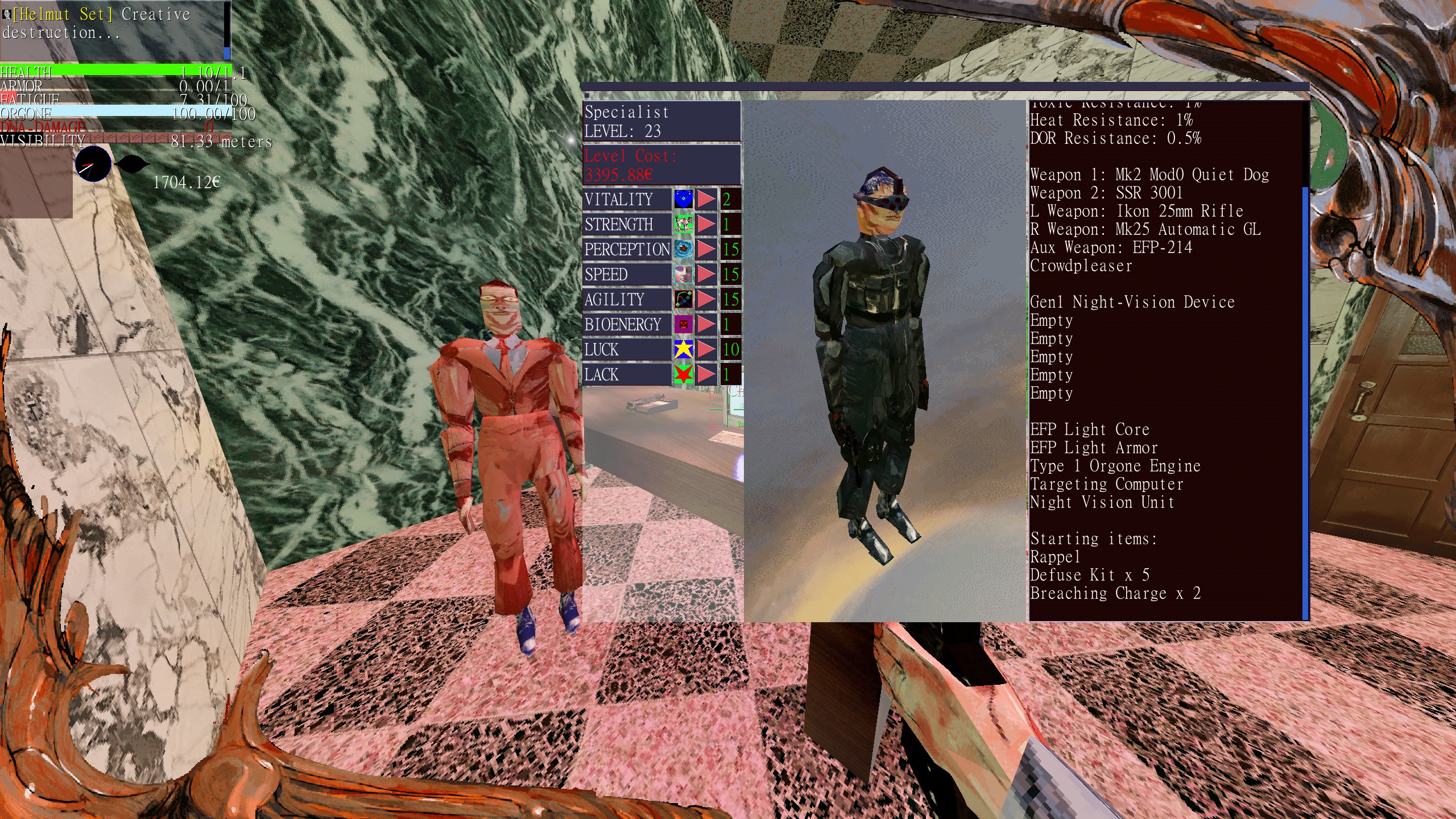
And the emergent problem-solving? That’s where Kallio’s genius shines. Take one early-game area: Versten Residential. There’s a mansion guarded by two mechs. I tried the front door—dead in seconds. I tried skirting the hedges—nothing. I looked for gaps in the walls, tried climbing rooftops, even scoped out the sewers (too dark without night vision). After multiple deaths, the day-night cycle kicked in, and I had an idea: could I shoot out the street lamps? A few silenced pistol shots later, the gate was bathed in darkness, my Visibility meter dropped to four meters, and I slipped past the guards like a ghost. That moment, that “aha!” born from experimentation, is worth the price of admission alone. The game is littered with such moments. It expects you to think, to fail, to try something stupid and discover it works.
But let’s talk about the mech combat, because that’s where the community’s sighs get loudest. And they’re not wrong. The mech feels like a glass cannon wrapped in paper armor. Enemies shred you in seconds, so armor choices feel meaningless. You’re left dodging and spraying, hoping the RNG gods smile upon you. Ammunition is expensive, and the paycheck system means you’re often in the red after a slugfest. The game wants you to treat mech combat as a puzzle to be solved with trial and error, but the trial part can get punishing. Some areas—Abandoned Highway, Bitter Gorge, Bridge of the Sovereign—are notorious for this. I found myself avoiding mech fights whenever possible, which is a bit of a problem when your game is called Psycho Patrol R and you pilot a mecha. The later-game auto-targeting module helps, but it shouldn’t take that long to feel viable.
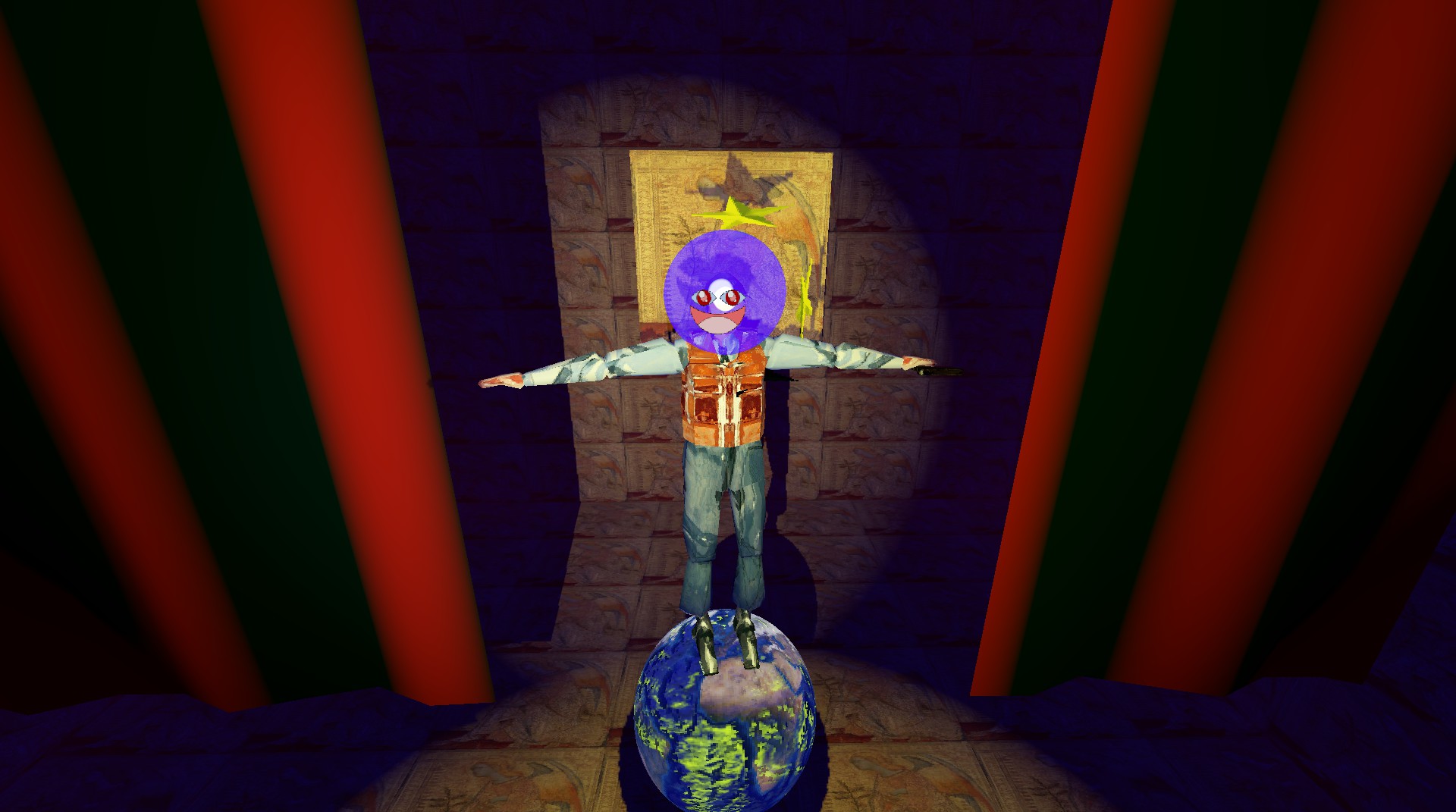
Performance-wise, I’m happy to report that even in Early Access, the game runs surprisingly smooth on my aging rig. No stutter, no crashes. That’s more than I can say for many AAA launches these days. The controls take some getting used to—the reload mechanic, for instance, involves a drag-down motion that feels alien at first but becomes second nature. The instruction manual is sparse; you’ll need to actually read the notes tab in the MY COMPUTER interface to understand half the systems. It took me hours to find the shop terminal, which is, you know, kind of important. But Kallio has a philosophy: don’t handhold, let the player discover. I respect that, even as it frustrates me.
The worldbuilding is where Psycho Patrol R truly excels. Pan-Europa feels like a place that existed before you arrived and will continue after you leave. I’ve read better lore in a second-hand paperback—no, wait, that’s not true. This is genuinely compelling stuff. The fusion of cyberpunk, police procedural, and metaphysical horror is more evocative than most fantasy novels I’ve picked up lately. It doesn’t explain everything, and that’s fine. The mystery is the point.
Now, the elephant in the room: this is Early Access, and it shows. Chapter 1 is substantial and gripping. Chapter 2 is… thin. Disappointing, even. The quests lose their luster, and the big reveal—the identity of Jesus—drew a dry snort from me. The game essentially ends at Chapter 1 for most players. Some reviews cite a six-hour playtime, which for forty euros is a tough sell. But I’d argue that’s not the whole story. The replayability comes from trying different approaches, from the sheer density of the world. I spent twenty hours on Chapter 1 alone, just poking at corners and talking to every yellow-named NPC I could find.
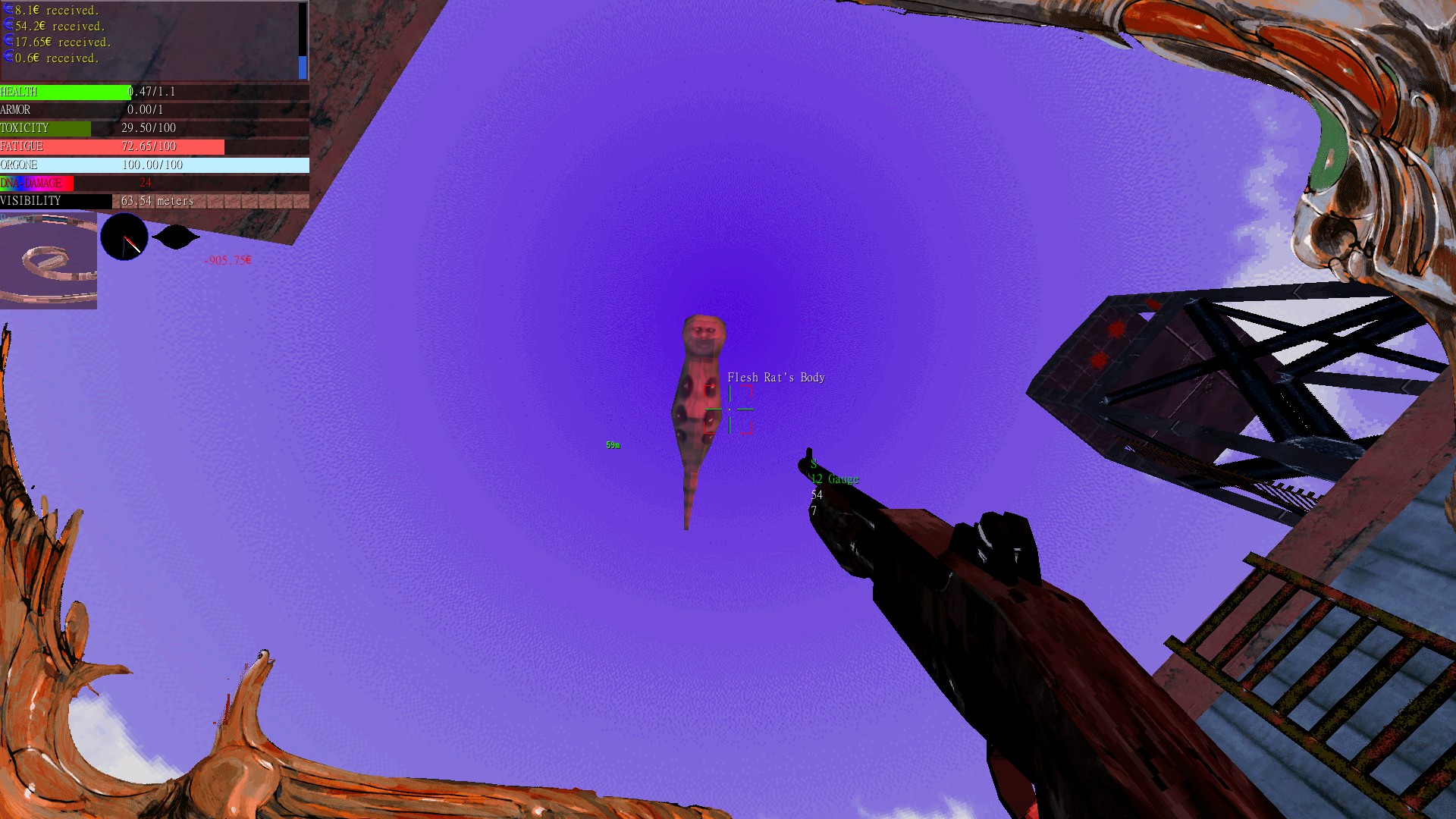
So where does that leave us? Psycho Patrol R is not for everyone. If you need clear objectives, balanced combat, and a tight narrative arc, look elsewhere. If you want a game that respects your intelligence, rewards creativity, and occasionally makes you feel like a genius for shooting out a street lamp, then this is your V-Stalker, officer. It’s a hidden masterpiece in the rough, a game that I suspect will be talked about in the same breath as Cruelty Squad and other cult classics ten years from now. Just be prepared to save-scum through mech fights and accept that the second chapter is a placeholder for what could be something great. I’m giving it a 7. And that’s high praise from a man who’s seen it all and still remembers when games came complete on a cartridge.