Scale the Depths: A Lovely Catch Undone by a Crucial Design Flaw
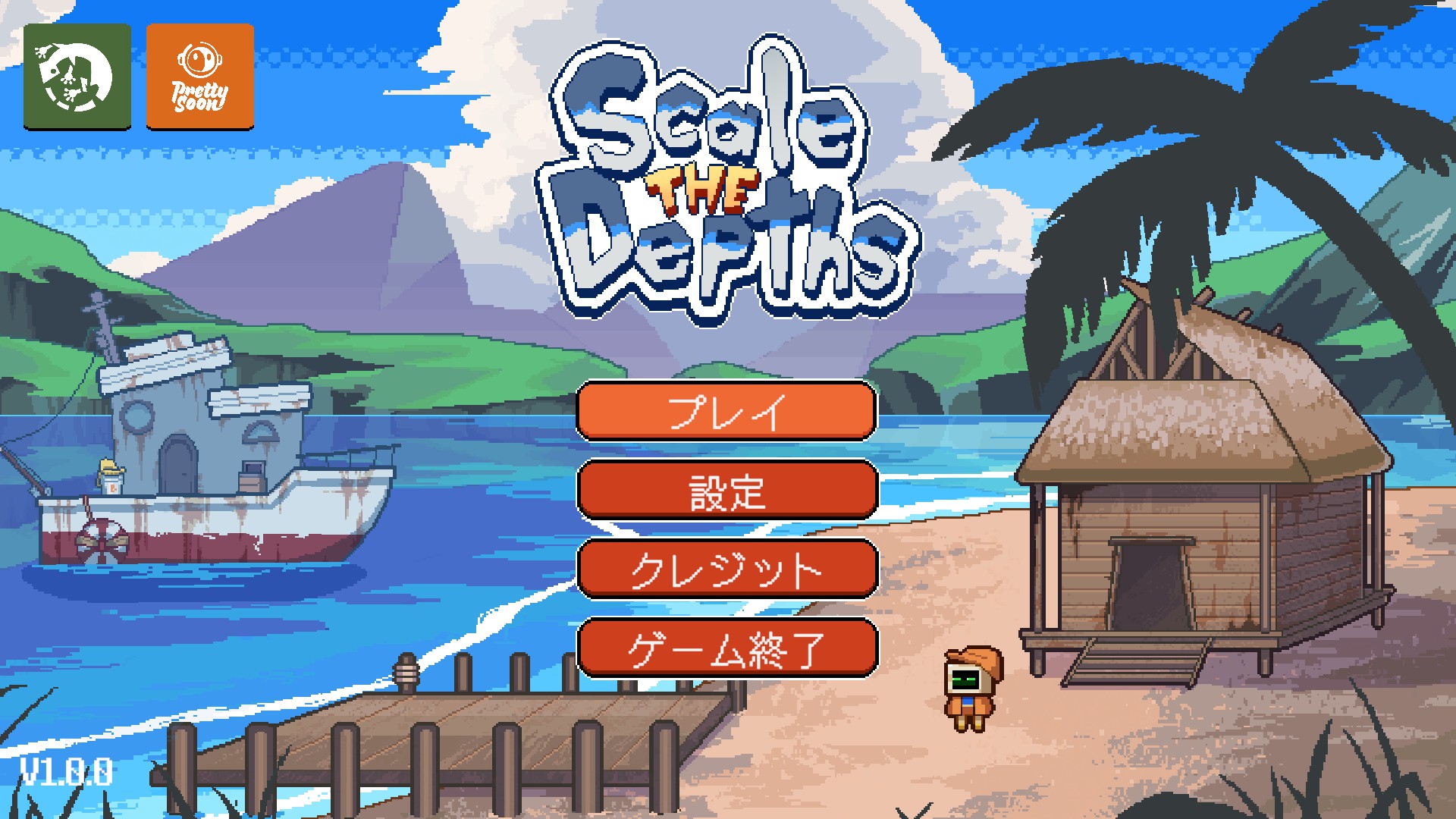
I’ve been playing fishing games since the days of Black Bass on the NES, and I’ve seen the genre evolve from simple “cast and wait” simulators to more involved systems. Scale the Depths by Glass Gecko Games falls somewhere in the middle. It’s a pixel-art fishing sim with an active hook-and-line control system, a satisfying preparation minigame, and a charmingly weird cast of mythic customers. And for the first few hours, I was genuinely having a good time.
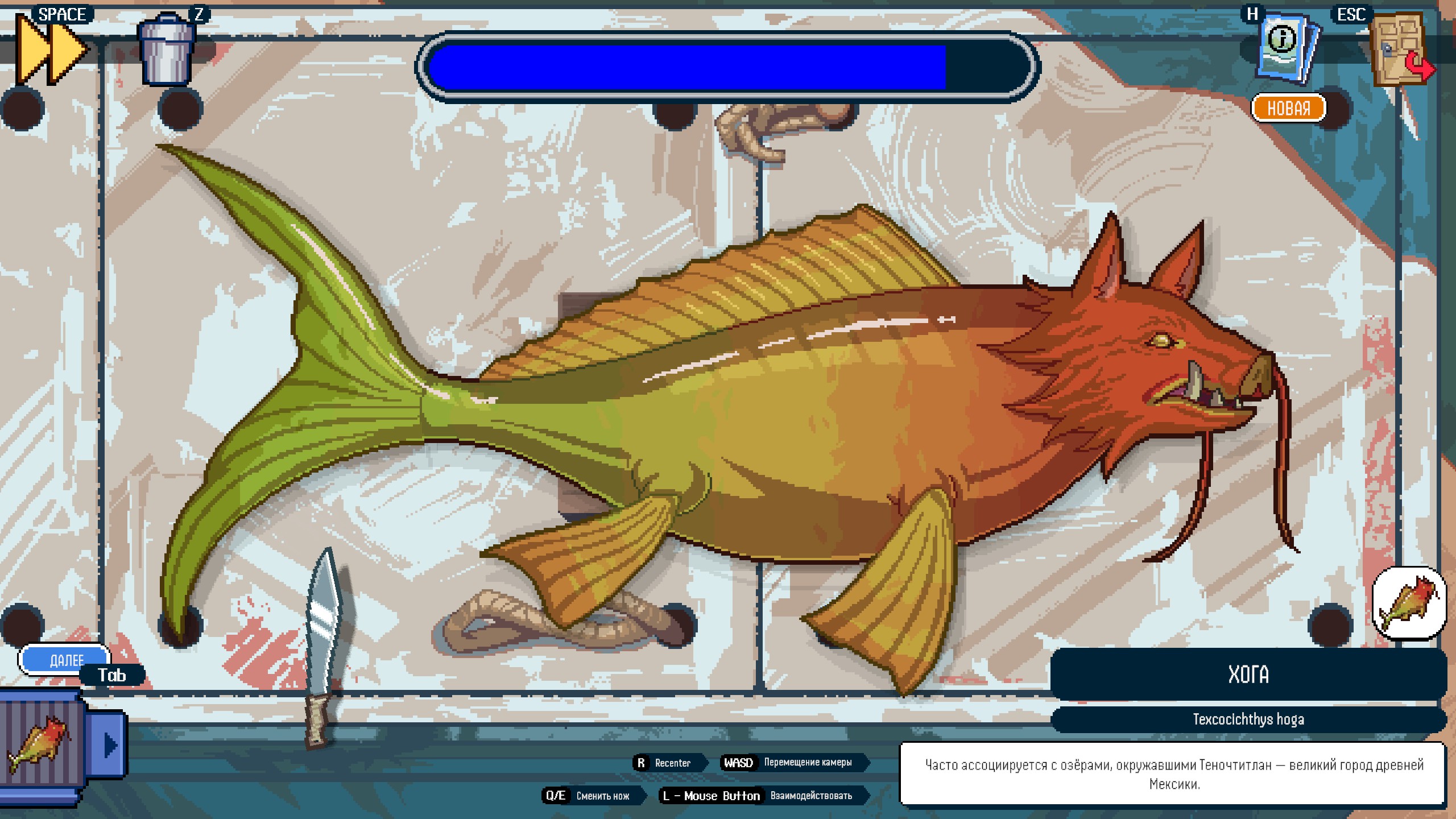
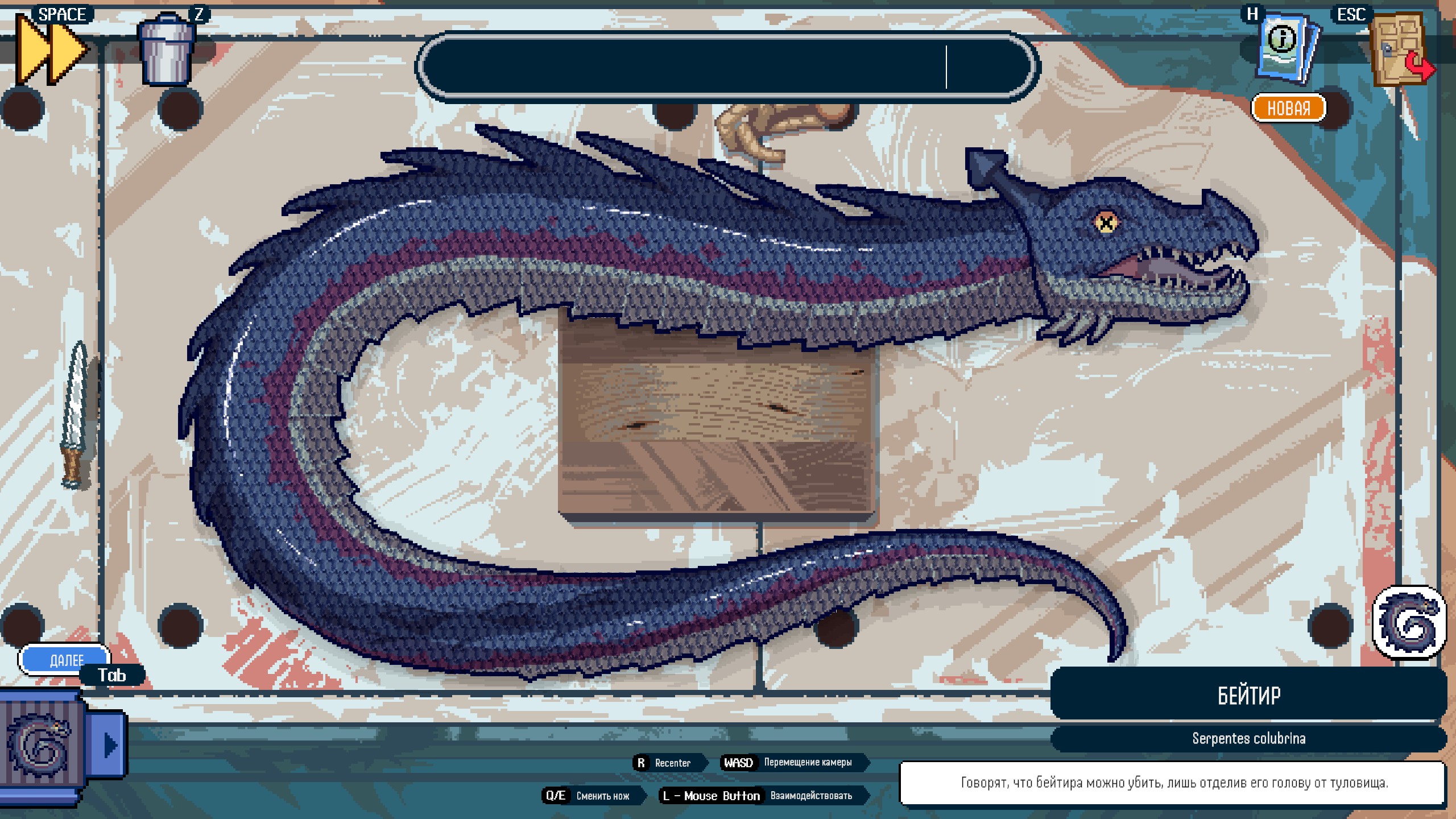
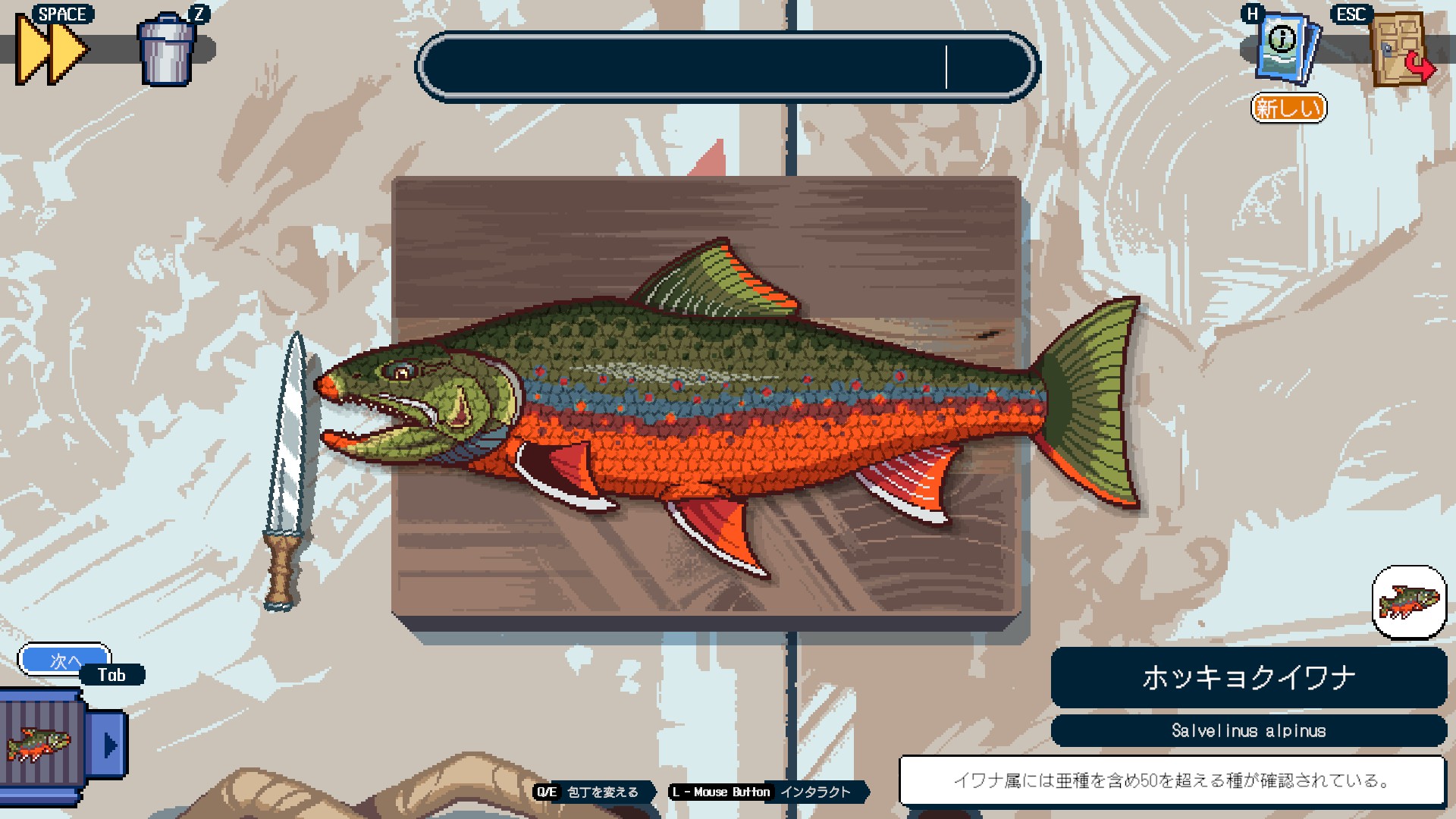
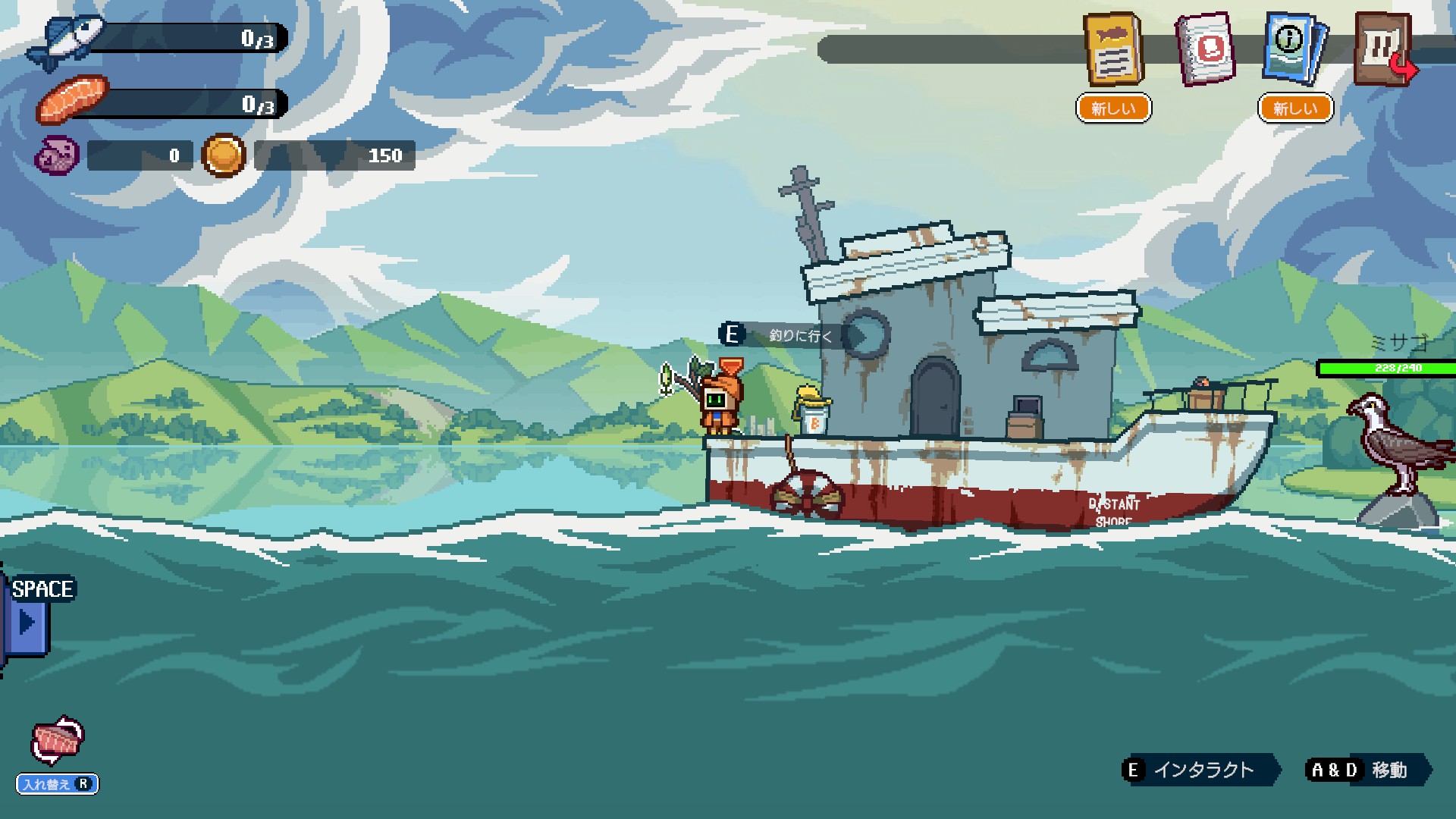
The core loop is simple: you steer your fishing line through 2D underwater environments, picking which fish to snag. Then you bring them aboard, scale them, chop them, and serve them to a parade of otters, axolotls, kelpies, and other creatures. The scaling and chopping minigames are surprisingly tactile. There’s a real rhythm to scraping off scales, popping barnacles, and slapping fillets onto the cutting board. It’s the kind of hands-on busywork that makes you feel like an actual fishmonger rather than just a menu-clicker. The pixel art is vibrant, each location (from Loch Ness to Point Nemo) feels distinct, and the soundtrack is the kind of low-key chill that pairs well with a late-night session.
So far, so good. But then I reached the second zone.
Herein lies the problem that sends this game from “cozy classic in waiting” to “frustrating grind” for a significant number of players, myself included. When you travel to a new area, almost all your upgrades reset. Your rod, your line strength, your knife, your hooks—gone. The money you earned in the previous zone is worthless because each region uses its own local currency. You go from a confident fisher who can snag legendary creatures with ease back to a helpless robot struggling to catch minnows. The only things that carry over are a few global items like the repellent and the bait bucket.
This design choice is baffling. It turns progression into a series of separate, shallow grinds rather than a satisfying upward climb. I’ve read better worldbuilding on a bar napkin, and I’ve seen progression systems in mobile games that respect your time more than this. The developers clearly wanted each zone to feel like a fresh start, but what it actually feels like is a punishment. You spend hours mastering Loch Ness, only to be told, “Okay, now do it all again, but slower, with worse gear.”
Some players don’t mind this. They appreciate the routine, the sense of starting over with new fish and new puzzles. But for me, and for many others in the player reviews, it sapped the will to continue. One reviewer said, “Beating the game gave me zero satisfaction,” and I understand that completely. Why invest in upgrading my gear in Zone A when it won’t matter in Zone B? The game’s own internal lore—about exploring deeper, stranger waters—suggests a journey, not a series of disconnected day trips.
The irony is that the moment-to-moment gameplay is otherwise excellent. The active fishing system—where you control the hook’s movement rather than waiting for a bite—is a breath of fresh air. The scaling and cleaning minigames are genuinely satisfying, especially with the crunching sound effects. The customers are quirky and memorable. There’s a turtle that only wants minnows, a selkie with particular tastes, and a Kelpie that might eat you if you serve it wrong (probably). The underwater exploration is full of secrets, treasure, and environmental puzzles that reward curiosity.
But the progression system is the anchor dragging the whole thing down. It’s a shame because the foundation is rock solid. The game is polished. The few performance hiccups (some frame drops when zooming in on legendary fish) are minor. The UI has some odd quirks—different buttons to close different menus, a manual that requires too many clicks to check customer preferences—but nothing game-breaking. The “Prototypus Incompletus” fish in the final area, a template with a comically low spawn rate that blocks achievements, feels like a cruel joke rather than a fun Easter egg.
There’s a free demo, and I encourage anyone curious to try it. That first zone, Loch Ness, is genuinely fun. It’s a compact, satisfying loop that shows you what the game could be if it trusted its own mechanics. If the progression system were reworked to allow gear or currency to carry over (even at a reduced rate), or if each new zone offered meaningful new abilities rather than a fresh reset, this would be an easy recommendation.
For its price point (about $10), you’re getting roughly six hours of content if you mainline the story, or more if you chase every fish and puzzle. That’s fair. But the journey is punctuated by a frustrating reset that makes those hours feel less valuable than they should. The art, music, and core gameplay are all above average. The worldbuilding is intriguing, with hints of a deeper mystery involving the robot protagonist and the mythical beings. But the execution of the progression system undermines the whole experience.
I wanted to love Scale the Depths. I still think it has enormous potential, and I hope the developers continue to update it. But as it stands, it’s a game that shoots itself in the hook. If you can tolerate the zone resets, you’ll find a charming, relaxing fishing sim beneath the surface. If not, you’ll be left with the feeling of a good catch that was thrown back too soon.
Back in my day, a game shipped complete and respected your time. This one has a gem of an idea buried under a design choice that feels like it was made to pad playtime rather than enhance fun. Try the demo. See if the reset bothers you. For me, it was the difference between “one more trip” and “I think I’m done.”