Seafarer: The Ship Sim – A Promising Voyage That’s Still Stuck in the Doldrums
I’ve been playing ship sims since the days of ASCII art and floppy disks. Back when the biggest danger was a corrupted save file. So when I heard about Seafarer: The Ship Sim – a modern, Unreal Engine 5-powered nautical sandbox with career paths, dynamic weather, and a fleet of vessels – I felt a flicker of hope. We’ve been starving for a proper maritime sim that captures the slow, meditative rhythm of life on the water, something to rival the truck sims that have dominated the genre. But after a dozen hours at the helm, I can tell you: this ship isn’t ready to leave port. It’s an Early Access title with a beautiful surface and a shallow keel. It runs like a three-legged horse, and its soul is caught between arcade fun and sim fidelity, satisfying neither camp fully.
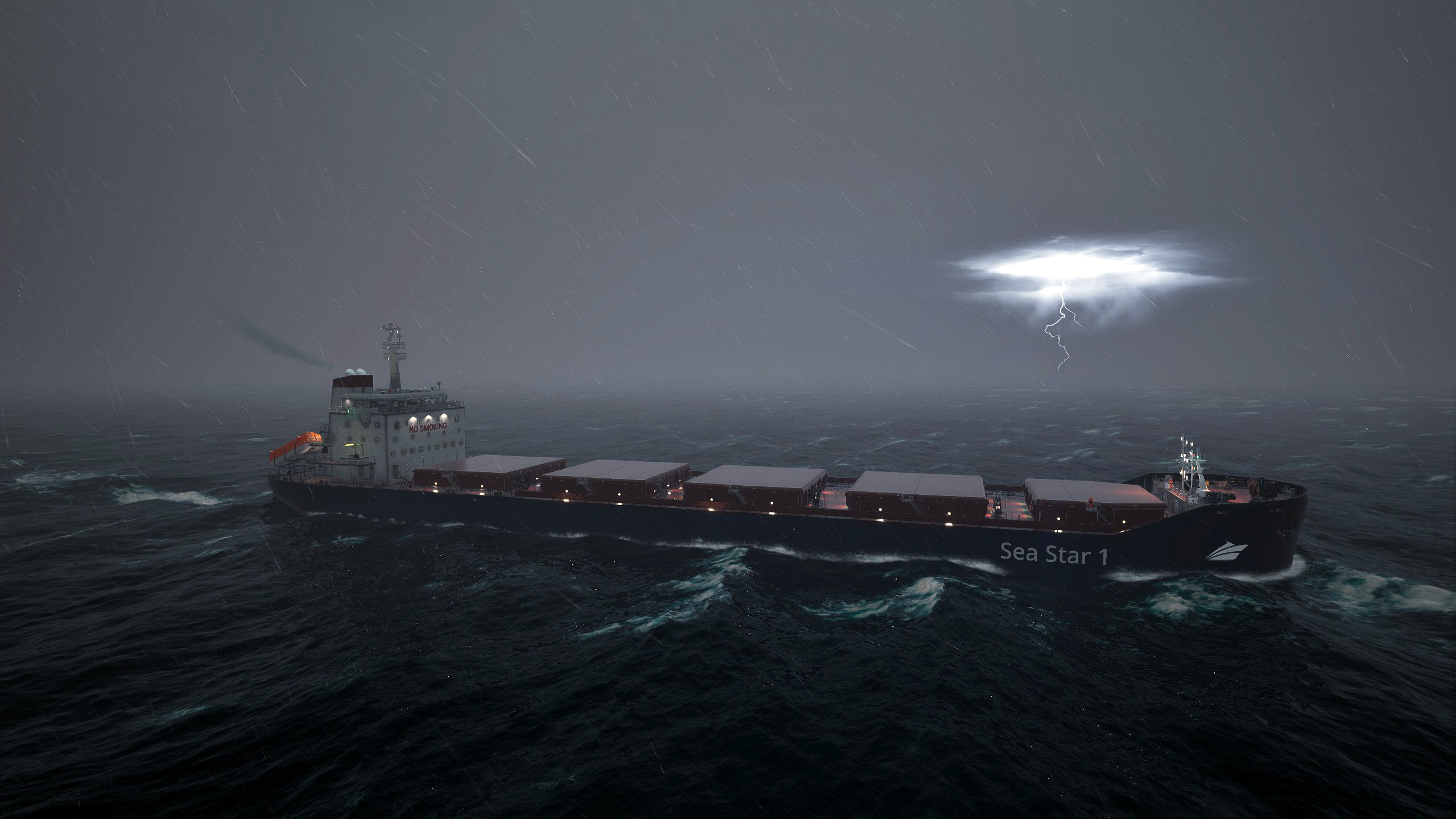
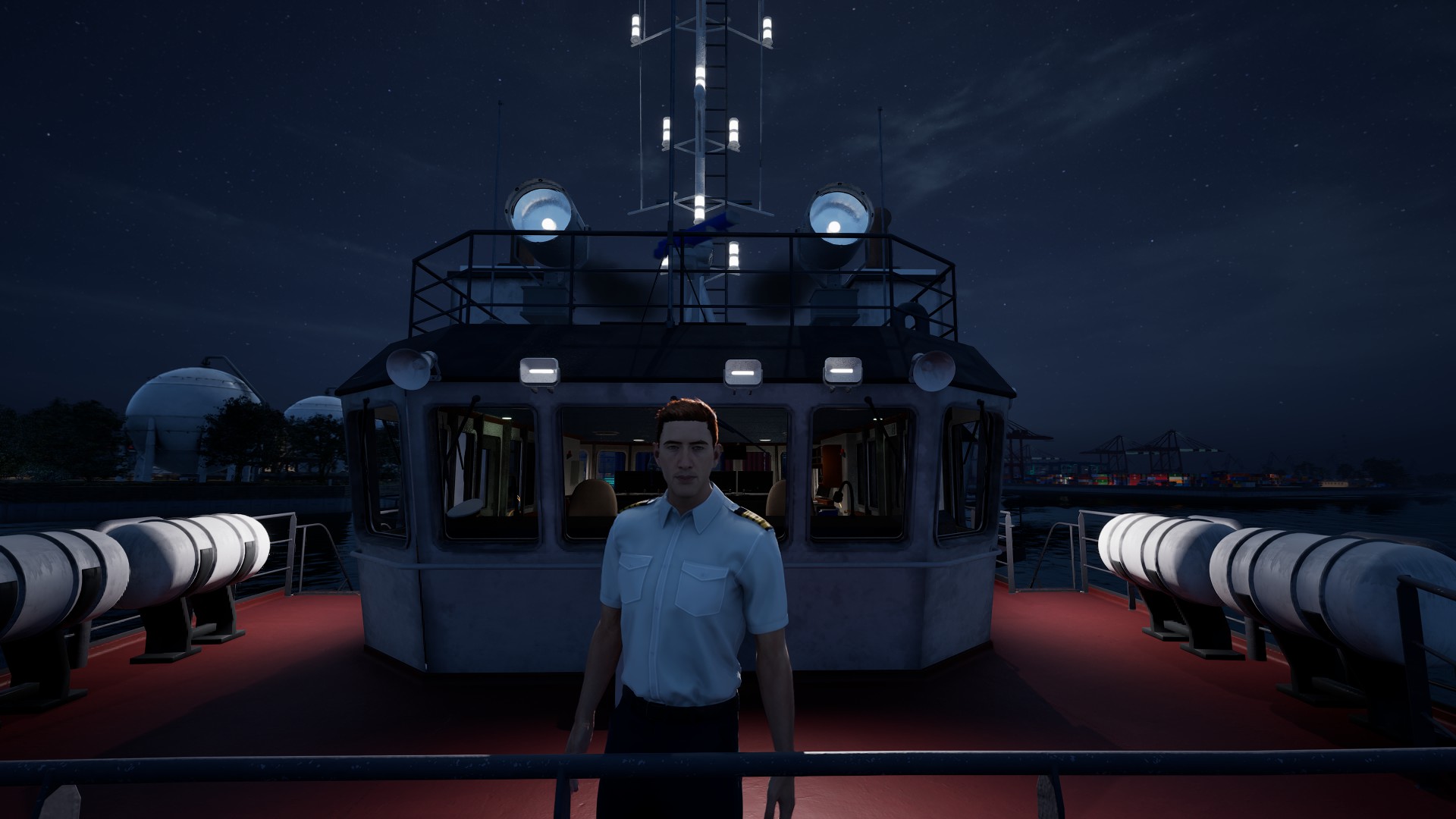
Let’s start with what works, because the game does have genuine strengths – and I want to be fair. The visual presentation is striking when the engine isn’t chugging. The water, powered by NVIDIA WaveWorks, looks genuinely alive. Sunrises over calm seas, rain pelting the bridge windows, waves that roll with convincing weight – these moments are cinema. The tugboat handling, according to a real officer of the watch, feels close to the real thing. The weather system, when it kicks in, can be absolutely gripping. I took a firefighting mission in a storm, waves slamming my boat, rain blurring the view, and for a few minutes I forgot I was sitting in my basement with a lukewarm coffee. That kind of immersion is rare. The ship interiors are well-done, too – you can walk from the bridge to the engine room, flip switches, check depth meters. It feels like a ship. The tutorial missions are thorough and even pay you. The career structure, with its factions and paperwork nods to SOLAS regulations, shows that the developers have ambition and respect for the profession.
But ambition alone doesn’t steer a ship. The most common complaint in the player community – and one I share – is that Seafarer calls itself a simulation but plays like an arcade game with a nautical skin. Where is the consequence? You can slam into another vessel at full speed: nothing happens. No damage, no cargo loss, no sinking. Your radar doesn’t show other ships. Storms are a visual spectacle but pose zero threat – just keep full throttle, and you’ll ride through like you’re on a lake. The fast-travel option is baffling in a game that’s supposed to be about the journey. Imagine playing Euro Truck Simulator and skipping the drive. That’s what we have here. For a genre that thrives on risk – fuel management, weather avoidance, cargo integrity – Seafarer feels sanitized. The only real danger is failing a mission objective, which feels like a gamey punishment rather than a natural consequence of your choices.
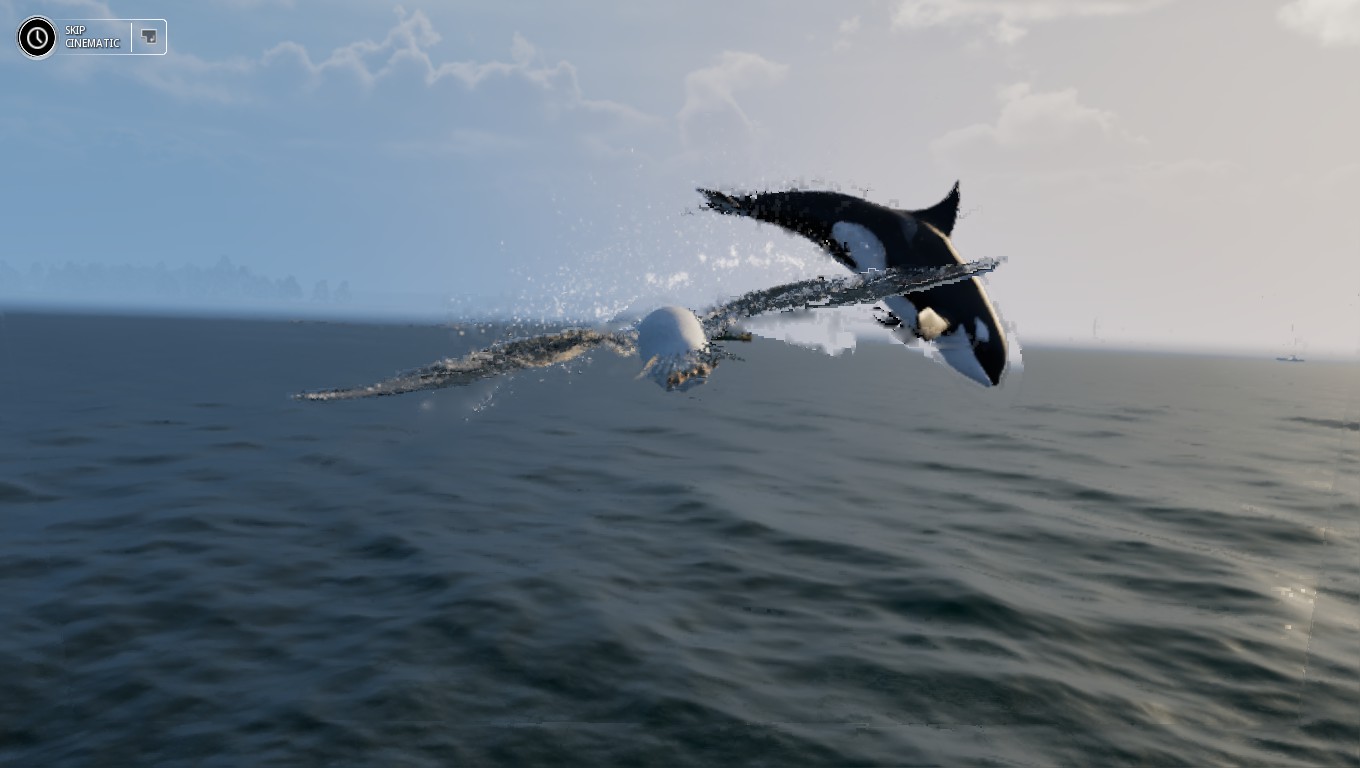
Performance is another anchor dragging this ship down. Even on a modern rig, the game struggles to hold 45 frames per second with frame generation enabled. The developers’ suggested fix is to lower settings – which defeats the point of having a pretty sim in the first place. I’ve seen indie titles run smoother on worse hardware. The Unreal Engine 5 bloat is real here, and it saps the joy out of what should be a meditative experience. Stuttering during docking maneuvers, frame drops when the weather changes – it pulls you right out of the moment. I’ve read better-optimized games on my Commodore 64.
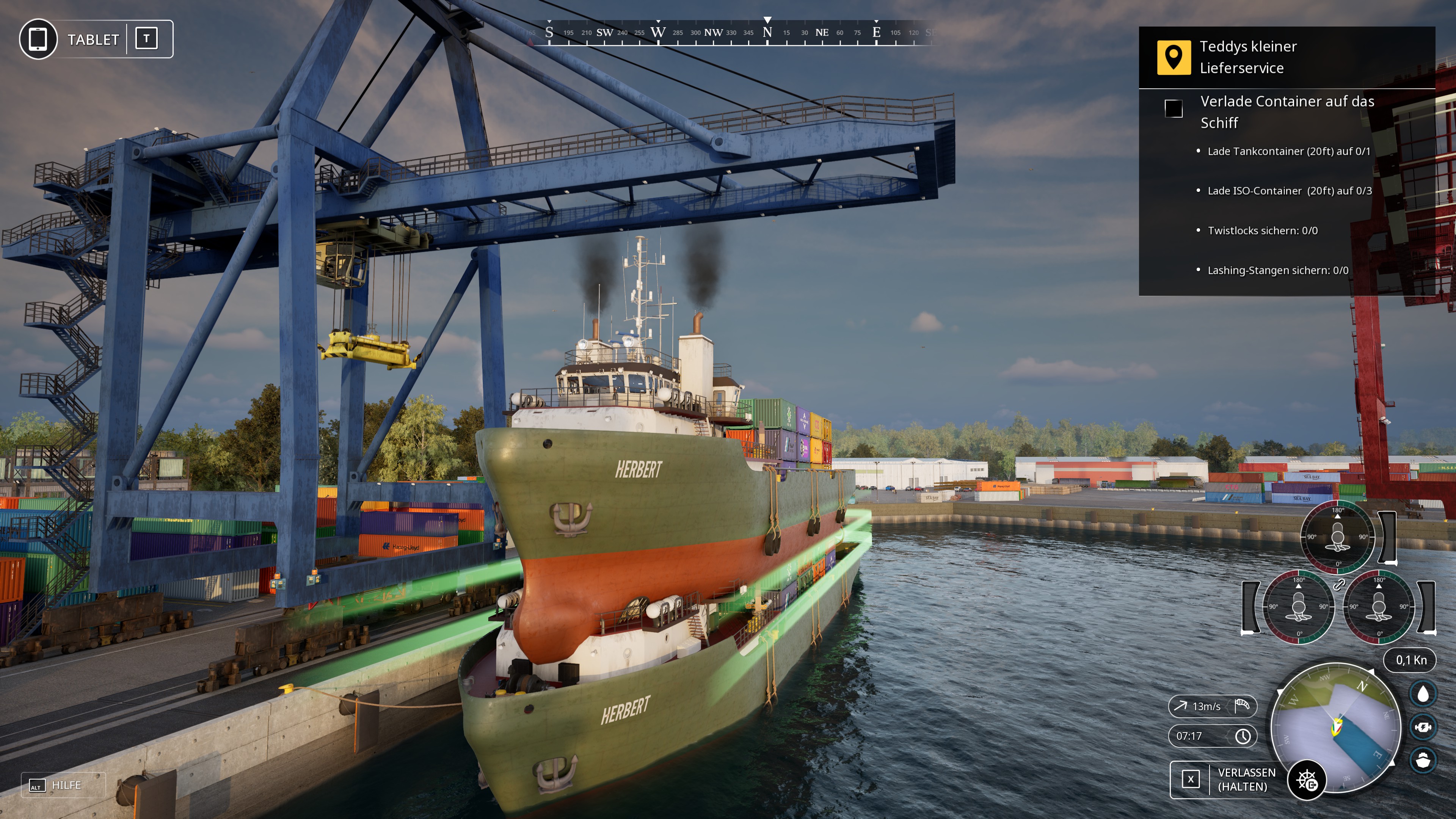
Then there’s the crew. Or rather, the lack thereof. You can hire crew members, but they do almost nothing. They stand around like mannequins. In a simulator about running a ship, the captain should be able to delegate. Why am I, the captain, personally loading every container with a crane that moves way too fast? Why can’t I assign someone to handle the ropes, fuel checks, or cargo securing? Even Assassin’s Creed IV: Black Flag had a crew that felt alive. Here, they’re decorative. The NPCs are irritating overall – the tutorial guide is particularly grating – and the music randomly blares fanfares for no reason. I turned it off after an hour.
The mission structure feels thin and repetitive. Once you’ve done a handful of cargo runs, rescues, and firefighting calls, you’ve seen most of what the game offers. Missions teleport you to new locations rather than letting you organically stumble upon them in the open world. You can’t accept multiple jobs, and your purchased ships come preloaded with “fake” cargo that you can’t remove. The fuel system is actively misleading: the fuel consumption rate is calculated in game-time, not real-time, so a 56-minute real-time journey can leave you stranded because the game’s internal clock ran faster. That’s not simulation; that’s poor design. And it cost me an hour of progress – with no refund, just a penalty for aborting the mission. I nearly threw my keyboard.
I’ve read dozens of player reviews, and the consensus is a tired sigh: “Great potential, but not ready.” Some players enjoy it as a casual, chill experience, comparing it favorably to Euro Truck Simulator 2 – and they have a point. If you approach Seafarer as a relaxed, arcade-ish boat game where you haul cargo and enjoy the scenery, you might be satisfied. The VR crowd gives it high marks for immersion. But the game markets itself as a simulation, and it fails that promise. Real seafarers have pointed out flawed physics – ships that don’t behave correctly in storms, controls that lack weight, and a lack of basic tools like working radar or weather forecasts. The developer, astragon, is actively updating and has a roadmap. That deserves credit. But as of now, this Early Access feels more like a vertical slice than a foundation. I’ve seen early access titles at 80% completion; this feels like 40%.
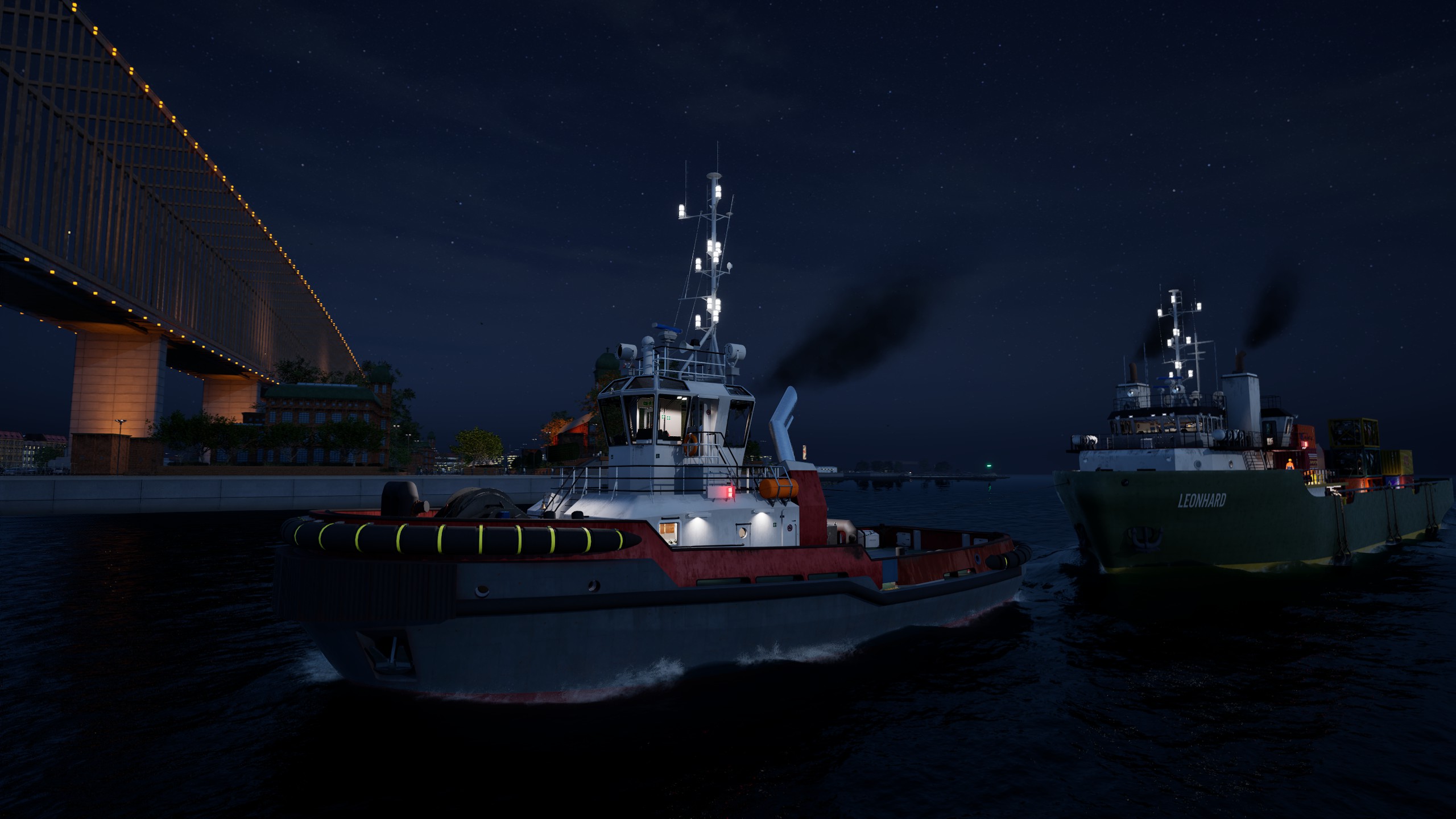
I want to end on a hopeful note, because the maritime sim crowd needs this game to succeed. The bones are there – a gorgeous world, a varied fleet, and a career system that could be special. But right now, it’s a ship with a beautiful hull and no engine. The developers need to fix the performance, add real consequences (sinking, damage, cargo loss), give the crew a purpose, and flesh out the mission variety. If they can steer this project toward deeper simulation waters, it could become the “Truck Sim of the sea.” Until then, I’d advise you to wait. Anchor your wallet for now. I’ll keep an eye on the horizon, but I’m not boarding yet.
Final thought: Back in my day, a game shipped complete. This one shipped half-built. For $15 on sale, you might get a few hours of pretty scenery and simple tasks, but if you want a real simulation experience, keep looking. I’ve read better worldbuilding in a second-hand paperback. Score: 5/10.