Serpent’s Gaze: A Beautiful Sandstorm of Missed Potential
I’ve been playing these games since the Atari 2600, and I’ve seen more promising early access titles than I’ve had hot dinners. Serpent’s Gaze is a curious beast: a co-op soulslike married to a roguelike structure, set in a gorgeous, sun-blasted desert world. It wants to be the lovechild of Dark Souls and Risk of Rain, and in some ways it succeeds. But mostly, it feels like a promising demo that got released a year too early.
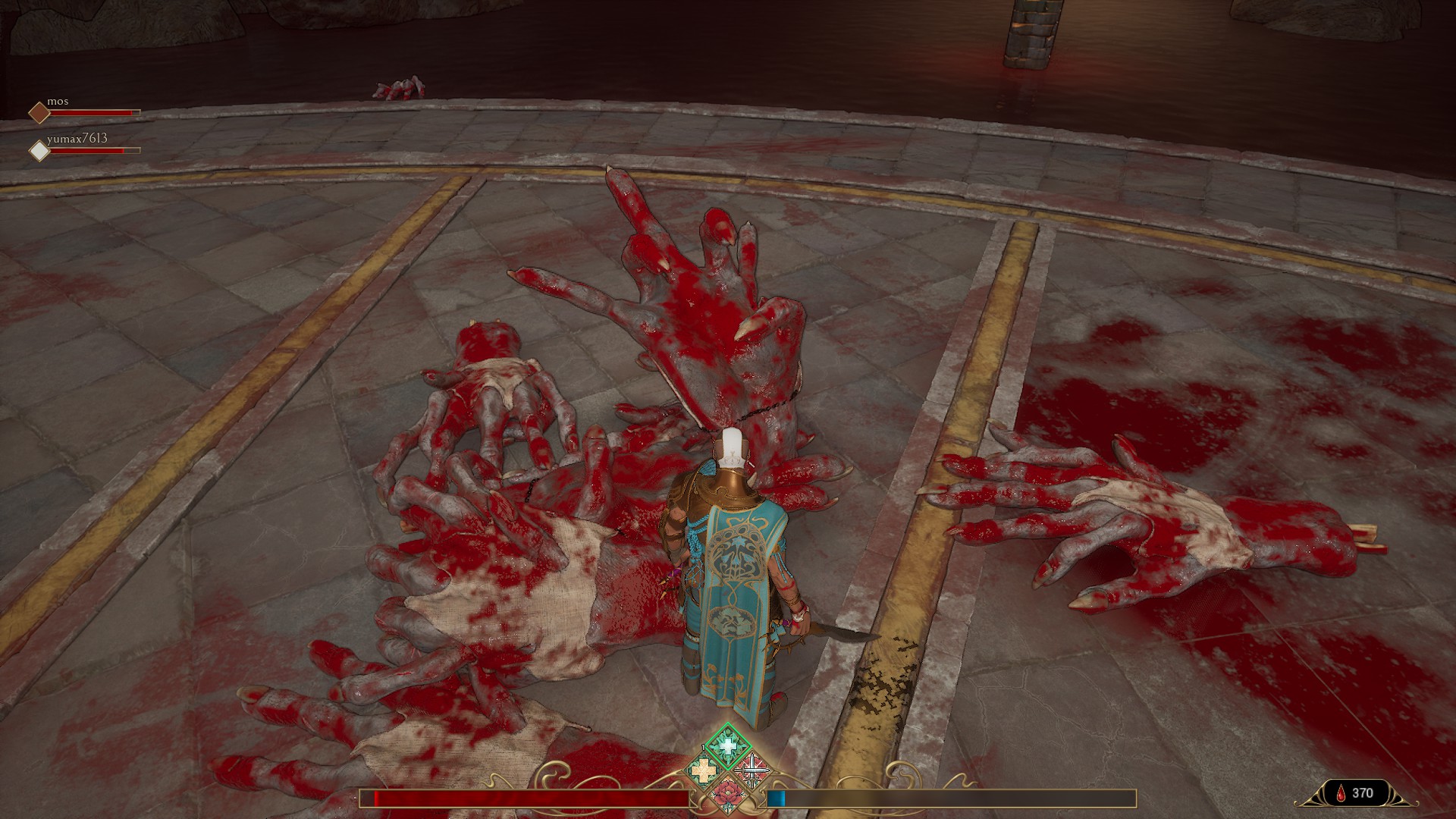
Let’s start with the good. The art direction is genuinely striking. The ancient desert, the ruins, the cathedral cities—they have a sense of scale and melancholy that I usually only get from a good fantasy novel. I’ve read better worldbuilding in a second-hand paperback, but not by much. The environments feel lived-in and deliberate. The UI is clean, the music sets the right tone, and when you’re just standing on a ridge looking out over the dunes, it’s almost worth the price of admission alone. The residual health system—where a portion of lost health can be regained by attacking—is a clever mechanic that rewards aggression without making you invincible. It’s the kind of thoughtful design that makes me root for the devs.
The combat is slow, methodical, and weighty, like the older Souls games. You wait for your opening, roll at the last second, and counter. It works. The game runs smoothly on my rig, and my friends on lower-end hardware report no major issues. The co-op is seamless—join a friend mid-run with no hassle. That’s a rarity and a genuine pleasure.
But here’s where the sandstorm hits the fan. The consensus from the player base is clear, and I have to agree: this game is profoundly unbalanced. Every little thing feels either over- or under-tuned. Level-ups are infrequent and barely noticeable. The seeds (boons/perks) you collect are mostly useless percentage increases. “+2% giggle damage on Tuesdays under the full moon,” as one reviewer put it. The enemy health scaling in later stages is absurd. You’re fighting damage sponges with a wet noodle. It’s a slog, not a challenge.
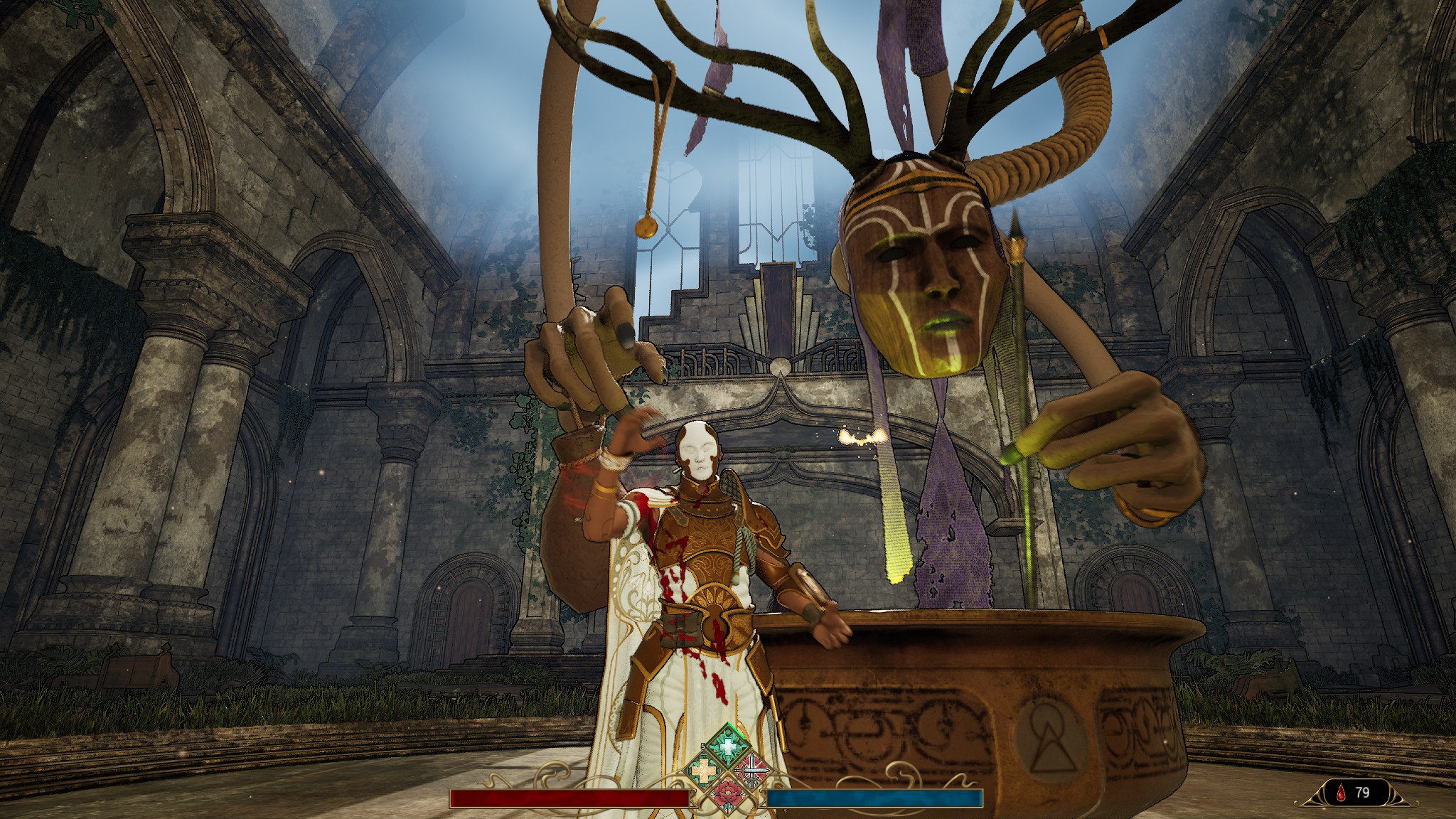
The most damning criticism, and one I’ve confirmed myself, is that the optimal strategy is to ignore almost all enemies. Just sprint past them, grab the seeds and smithing tables, and go straight for the boss. This turns what should be a tense hour-long run into a frantic 25-minute sprint. That’s not a roguelike. That’s a broken design. If the game actively rewards you for skipping its content, something is fundamentally wrong.
The weapon and class balance is equally lopsided. Strength weapons are universally underpowered—too slow to be viable in a game that demands constant movement. Dexterity weapons and on-hit builds (bleed, burn, lifesteal) are the only sensible choices. Many classes feel like they’re just starting with a different stat line and a passive that doesn’t matter. There’s no parry mechanic, making blocking nearly pointless. The lock-on camera is erratic, targeting enemies from left to right instead of the one right in front of you. Some abilities—like summons—simply don’t work. The summons just stand there, looking confused. That’s not a preference issue; that’s a bug.
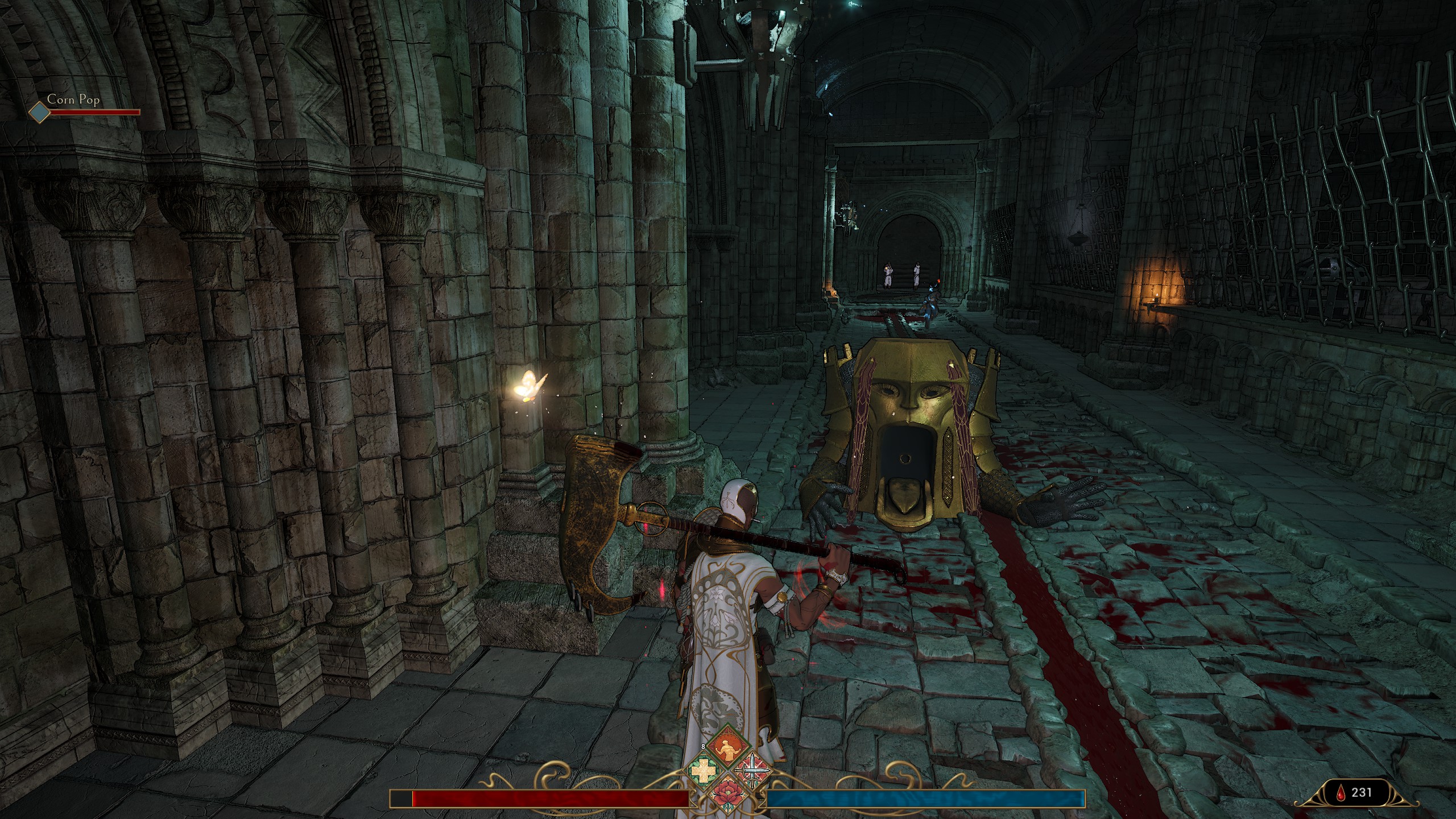
And then there’s the difficulty. I’m no stranger to punishing games. I’ve beaten every Soulsborne title multiple times. But Serpent’s Gaze doesn’t feel hard in a fair way. It feels cheap. Bosses summon adds that have as much health as they do. Enemy attacks have absurdly long wind-ups followed by instant, tracking strikes that punish you for rolling at the wrong time. Mages hit you with invisible projectiles. The healing system (nectar) is limited, and you only get refills between levels. One missed dodge can cost you half your health bar, and attrition is a constant, frustrating threat. This isn’t “learn the patterns.” This is “pray for good RNG.”
Some players have clocked over 40 hours and still enjoy it, and I can see the appeal. When the stars align and you get a lucky build, you feel like a god. But those runs are the exception. Most runs end in frustration. The metaprogression is minimal—you unlock a few classes and weapons, but there’s no talent tree, no meaningful permanent upgrades. You start each run from zero, and the only thing that carries over is your knowledge of which enemies to avoid.
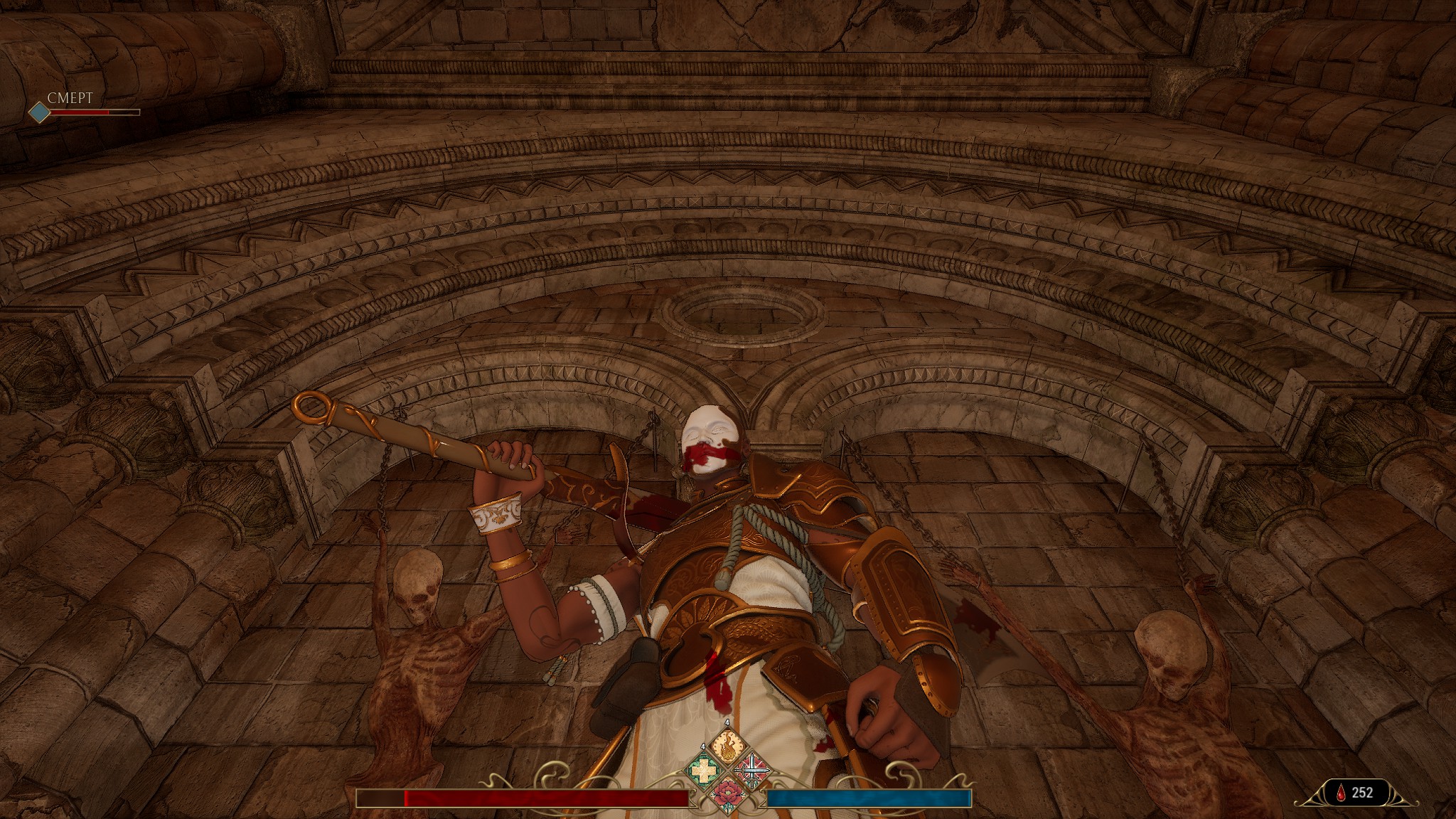
I want to be clear: I don’t hate this game. I hate that I can’t wholeheartedly recommend it. The developers clearly have heart and vision. The game has soul, as one reviewer put it. But it’s like a beautiful painting that’s been left out in the rain. The potential is there, but the execution is raw, unbalanced, and in some places, broken. It’s an excellent proof of concept. It’s not a finished game.
If you’re a die-hard fan of slow, methodical soulslikes and have three friends willing to suffer through the jank with you, it might be worth picking up on sale. The co-op is genuinely fun, and the art direction is worth a look. But for everyone else? Wait. Give it a year. Come back when the balance patches have rolled in and the content is more than two zones with four levels each. As it stands, Serpent’s Gaze is a game I want to love, but can only sigh at.
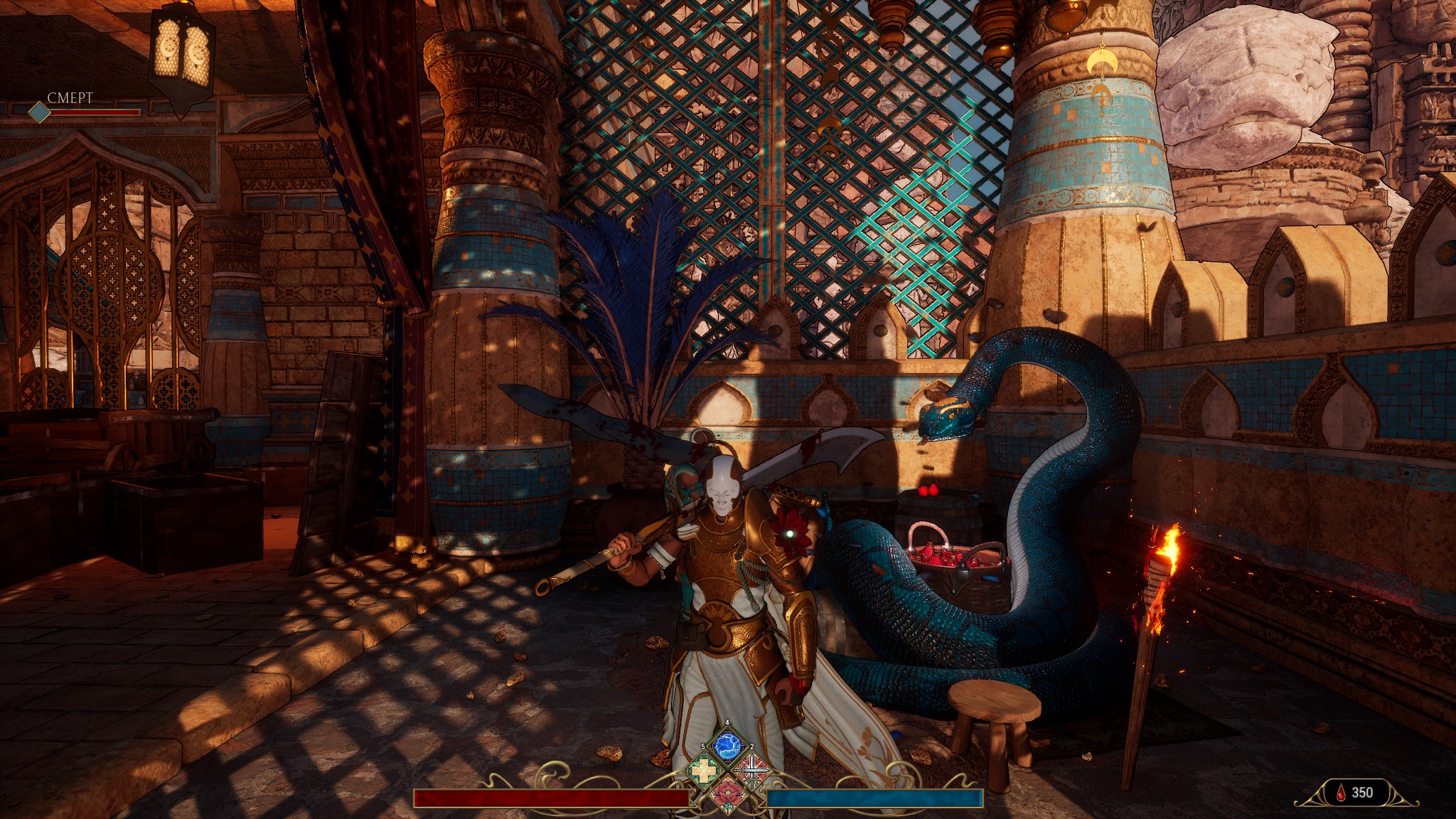
I’ve read better lore on a bar napkin, but I’ve also seen worse games from studios with triple the budget. There’s a gem buried in this sand. It just needs a lot more digging.