Split Fiction: A Co-op Firework That Burns Out Fast
I’ll be honest: when I booted up Split Fiction, Hazelight’s latest forced-cooperation simulator, I had a sinking feeling. The studio that gave us the genuinely touching A Way Out and the wildly inventive It Takes Two was back, and the buzz was deafening. Two writers trapped inside their own stories—one sci-fi, one fantasy—must work together to escape. The premise is a dream for anyone who’s ever cracked a dog-eared copy of Le Guin next to a well-worn Asimov paperback. But somewhere between the first cutscene and the credits, I realized I was watching a game with a spectacular imagination that forgot to bring a decent editor along for the ride.
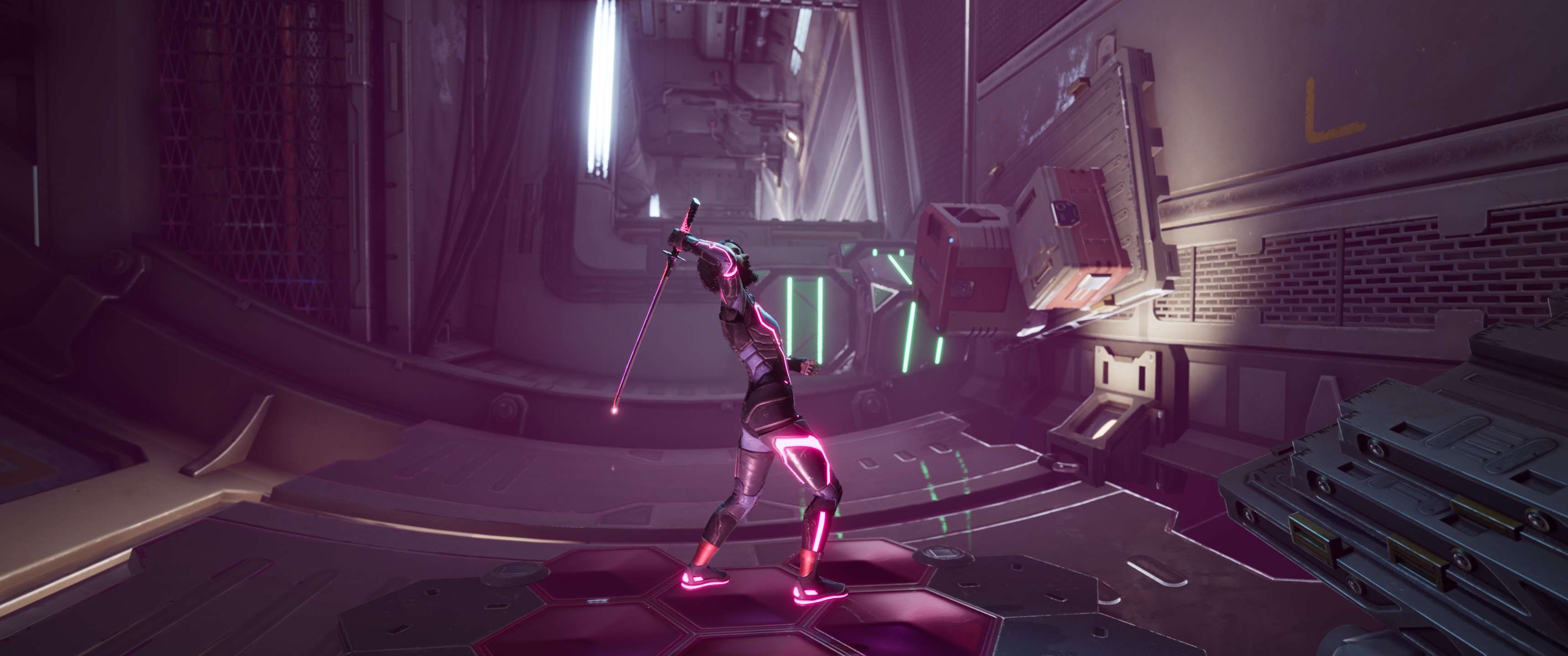
Let’s start with what works, because it’s considerable. The co-op gameplay is, in moments, genuinely magical. Every level introduces a new mechanical toy, and the game never lets you get comfortable. One minute you’re a cyber-ninja dodging laser grids; the next you’re taming a dragon in a sun-dappled fantasy meadow. The sheer variety is staggering—it’s like the developers had a hundred ideas and decided to use all of them, consequences be damned. The side stories, those optional little detours, are often the best part: a five-minute romp as a sentient slice of bread, a bizarre pig-herding sequence that had me cackling with my co-op partner. Those are the moments that remind you why Hazelight is the king of this genre.
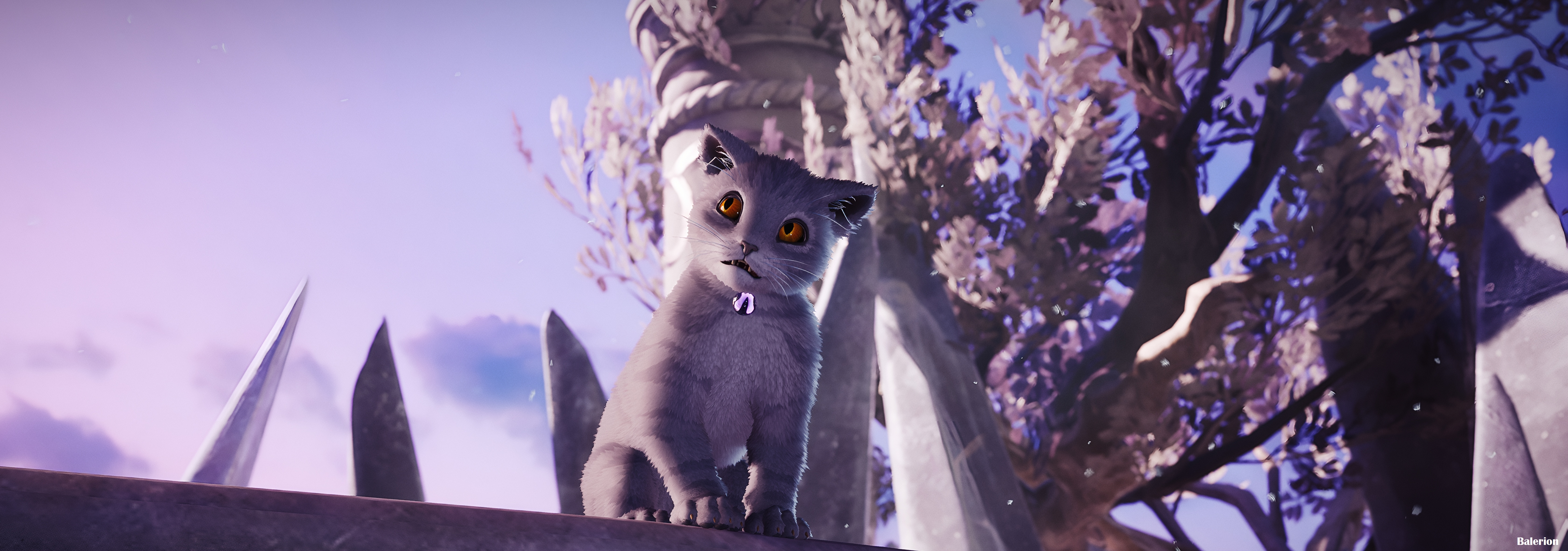
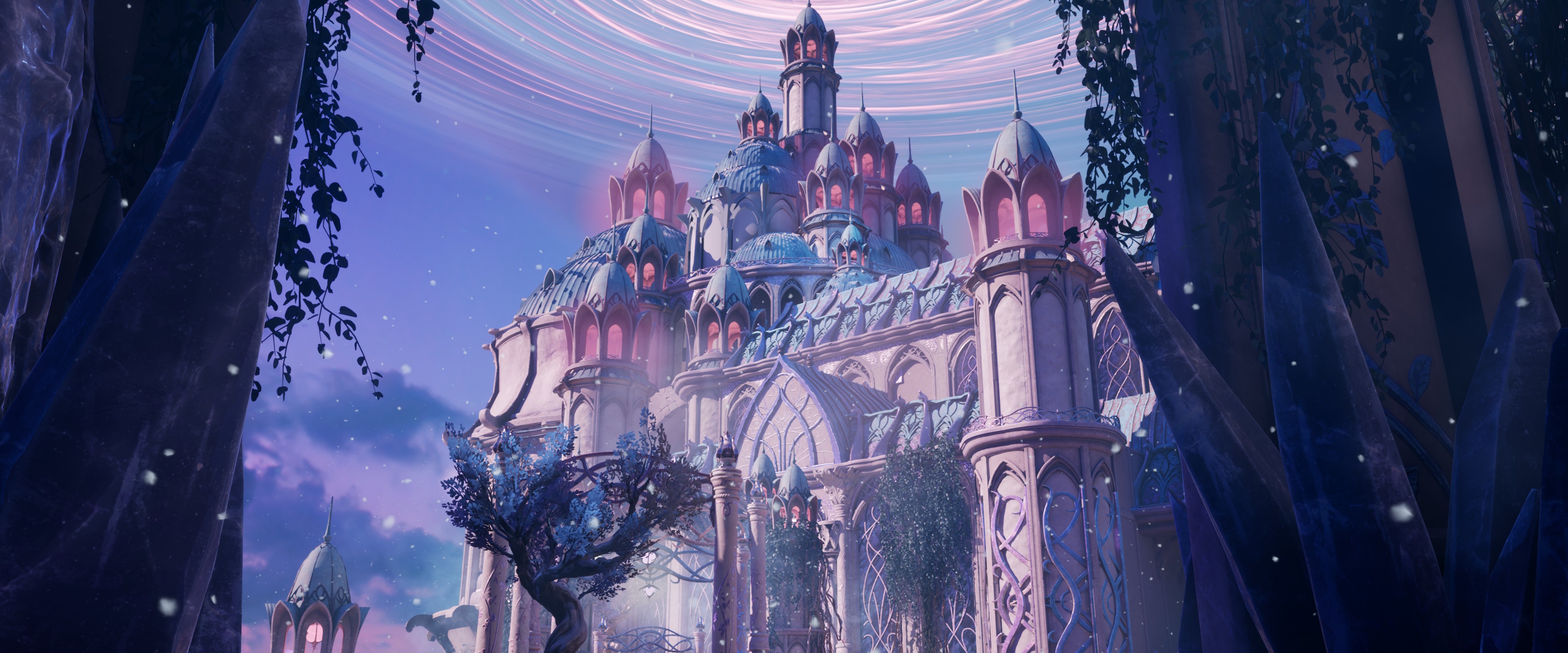
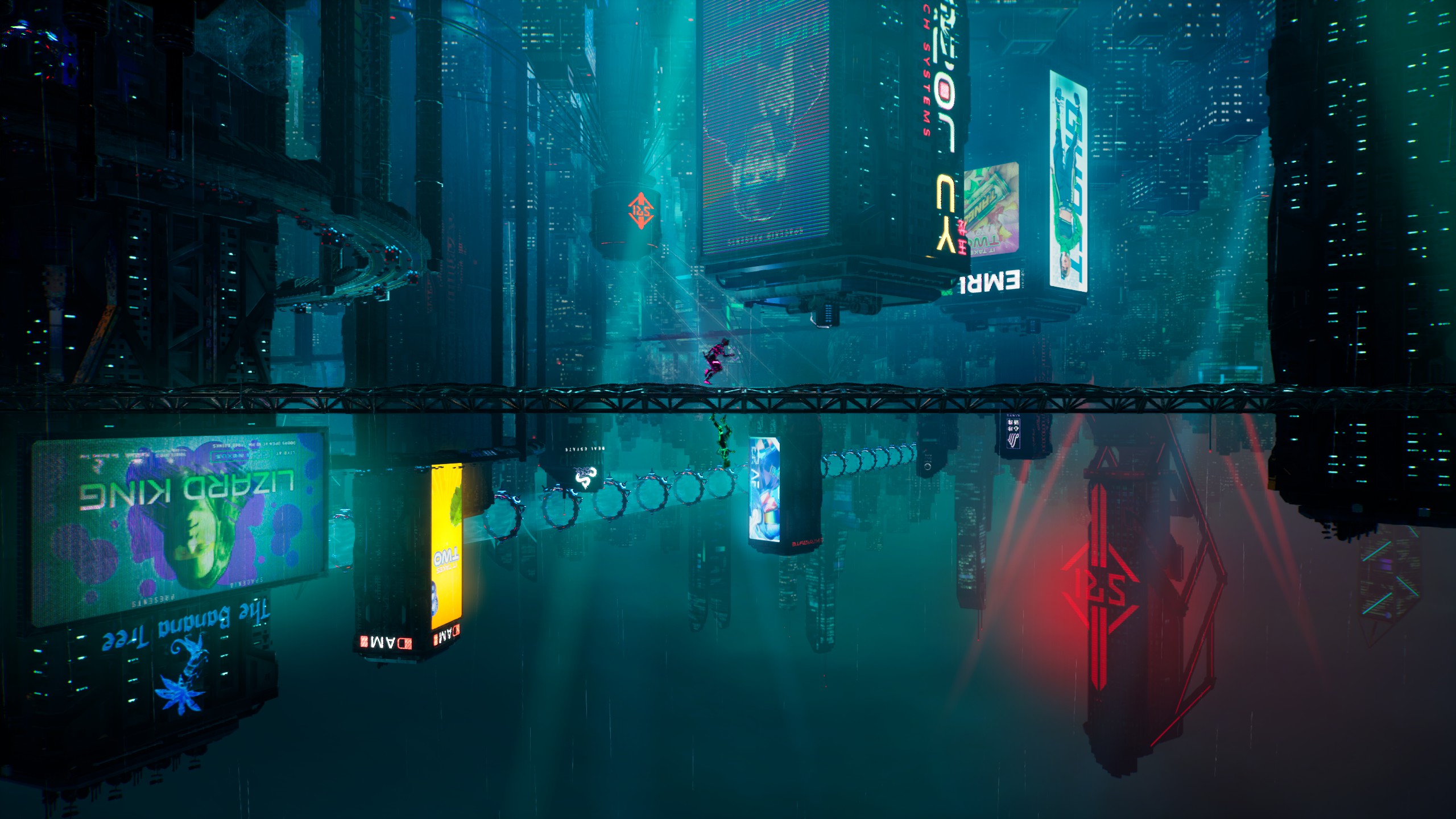
The boss fights, too, are set-piece spectacles that demand real communication. You’re not just pressing buttons next to each other; you’re shouting “Go left! No, your left!” and laughing when you both fall into a pit. The checkpoint system is merciful—you respawn after a few seconds as long as your partner is still alive, so you never feel punished for a clumsy jump. And the graphics are sumptuous, especially in the fantasy worlds. There’s a comfort-food warmth to the enchanted forests and whimsical castles that made me wish I could linger. The sci-fi side, however, leans heavily into sterile corridors and neon-lit space stations that feel a bit… samey. I’ve seen more diverse alien architecture in a 1970s Doctor Who serial.
But here’s where the fiction starts to split, and not in a good way. The story is the biggest disappointment. For a game about writers, the writing is astonishingly lazy. The villain is a cardboard-cutout evil CEO who twirls his mustache and steals ideas because… he’s evil? The dialogue oscillates between cringe-worthy banter and painfully on-the-nose emotional beats. “You can talk to me, I’m here for you,” Zoe chirps for the umpteenth time, while Mio grunts and rolls her eyes. It’s like the script was generated by an AI that had been fed nothing but Hallmark cards and first-draft screenplays. The characters themselves are archetypes—the cynic with a heart of gold, the optimist with hidden trauma—and they never rise above that. I’ve read better character arcs in a discarded Terry Pratchett novel. The emotional payoff that worked so well in A Way Out feels forced here, a series of melodramatic reveals that land with a thud because I stopped caring about these people ten hours ago.
And that’s another problem: the pacing. The game is about 15 hours, but it feels longer. The genre-hopping, while novel at first, eventually becomes exhausting. You’re constantly rushing from one set piece to the next, with little room to breathe or explore. It’s a rollercoaster with no mid-ride scenic overlook. Compare this to It Takes Two, which had charming side activities like a battling squirrel army or a frantic game of chess. Here, the only diversions are the occasional bench you can sit on to hear more flat dialogue. The linearity is stifling. One player review I read lamented that “the game focuses more on genre hopping than actual co-op”—and I felt that. At least half the time, both players are doing the same thing: running forward, pulling the same lever, climbing the same wall. The promised asymmetry is uneven; some players get cool abilities like flight or shapeshifting, while the other gets “climb on green surfaces.” I’m not bitter about which character I got, but my co-op partner certainly was.
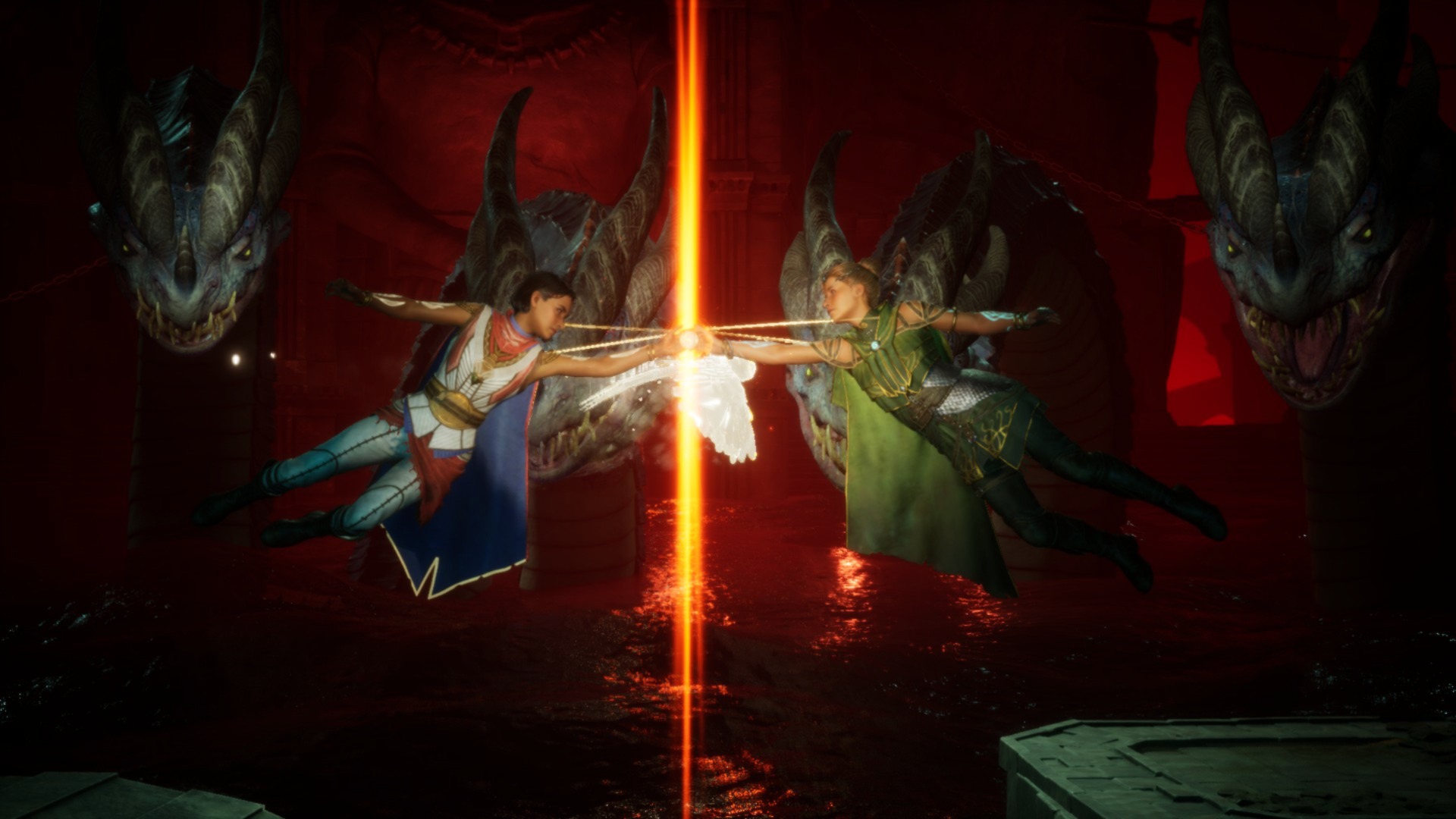
Performance-wise, Split Fiction runs well enough on my aging rig—no major stutters, a few minor texture pop-ins. I’ll give them that. But I’ll never forgive the lack of a proper screenshot mode. The game is gorgeous, but you’re stuck with the static split-screen. Want to capture that beautiful dragon-and-laser-battle crossover? Too bad. It’s a small sin, but it points to a larger lack of polish.
The player reviews I’ve read are sharply divided. Some call it a 10/10 masterpiece, citing the constant novelty and the genuine bonding moments with a partner. One reviewer said, “Every level feels like the developers came up with an entire game idea, spent six months building it, and then said, ‘Nah, let’s use it for 15 minutes.’” I get that. There’s an admirable audacity in throwing so many ideas at the wall. But others, like me, feel it’s a step down from It Takes Two. The gameplay becomes repetitive because the mechanics, while varied, are shallow. You never master anything because the game moves on too quickly. The puzzles are simple—I solved most by accident. And the dialogue… oh, the dialogue. I’ve never wanted to skip cutscenes in a narrative-driven game as much as I did here.
Where does that leave us? Split Fiction is a game you should play, but only with the right partner and only with tempered expectations. If you approach it as a chaotic, playful romp through a theme park of ideas, you’ll have a blast. The side stories, the boss spectacles, the shared laughter when you both fail—those are genuine. But if you’re looking for the emotional depth of A Way Out or the whimsical polish of It Takes Two, you’ll be left holding a half-finished manuscript. The core of this game is a beautiful friendship forged in adversity, but the story surrounding it is a first draft in need of serious revision. I’d buy it on sale, split the cost with your buddy, and remember to play as Mio. She gets the jetpack.
Final verdict: a co-op firework that burns bright and fizzles. I wish I loved it more, because there’s so much raw creativity here. But creativity without craft is just noise. And after 15 hours, my ears were ringing.