Stray Path: A Promising Idea That Trips Over Its Own Cards
There’s a kind of magic in a fresh concept. You see it in the pitch—FreeCell meets roguelike—and you think, “Now that’s clever.” I’ve been playing games since before the NES was a glint in Nintendo’s eye, and I still get that little thrill when a developer tries something genuinely new. Stray Path has that spark. It’s got colorful characters, a randomly generated world, and a combat system built around dragging cards like you’re playing solitaire on your grandma’s coffee table. The retro pixel art is charming, the music is serviceable, and for about an hour, I was having fun.
Then the cracks started showing. And trust me, this game has more cracks than a dried-out riverbed.
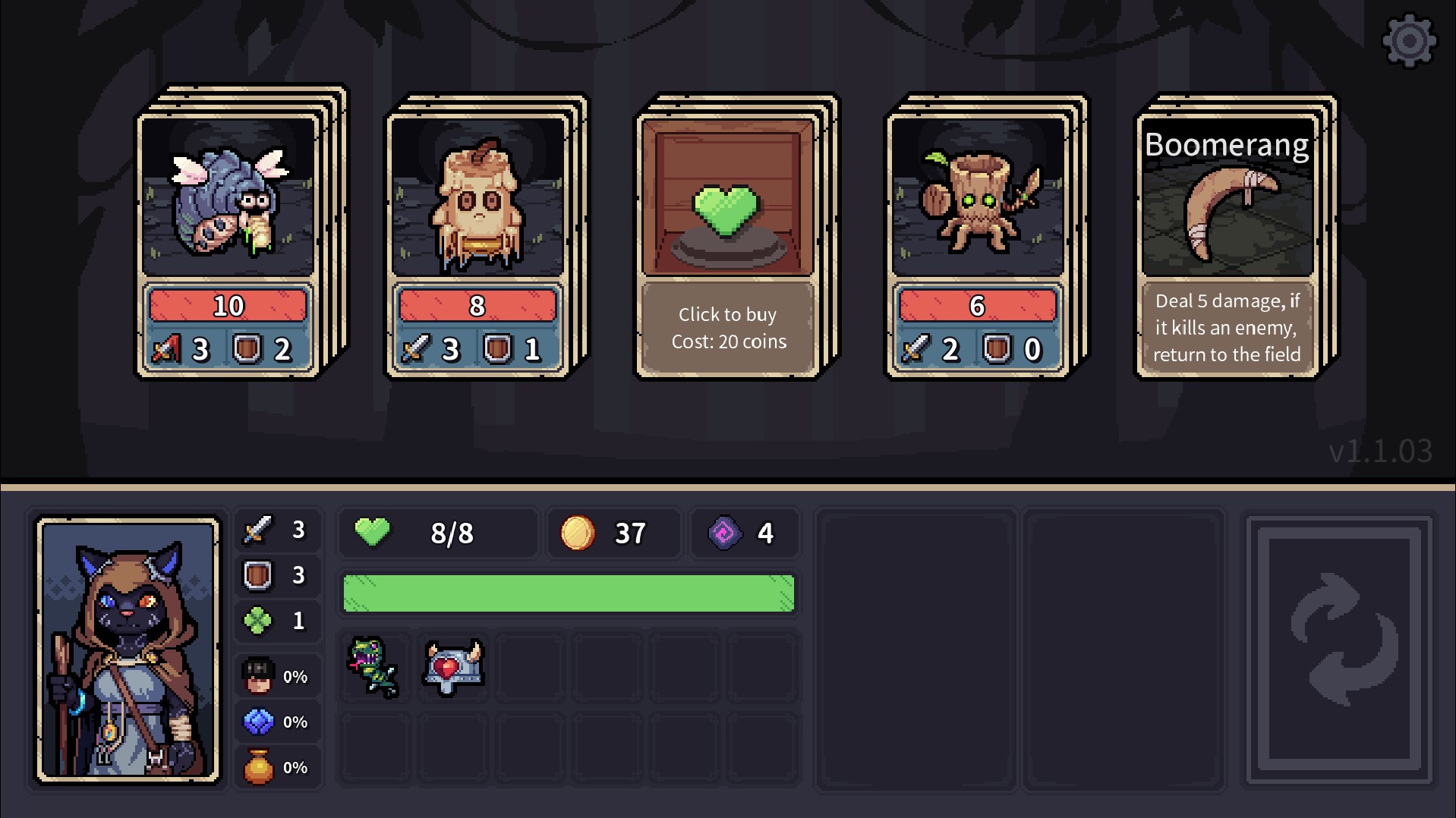
Let’s start with the combat, because that’s where the game lives or dies. You drag a card representing your character onto an enemy card. Damage is calculated as your attack minus their defense. If you kill them, you don’t take damage. Simple. Elegant. But then you notice that piercing damage exists, and it bypasses defense entirely. And guess what? By the end of the first act, half the enemies have piercing attacks. By the second act, it’s practically everywhere. So why would you ever invest in defense? You wouldn’t. You stack attack, one-shot everything, and ignore the entire defensive stat. That’s not a choice; that’s an illusion of choice. Back in my day, a game like Chrono Trigger gave you meaningful decisions in every battle. Here, the only decision is “how much more attack do I need?”
The build variety is a joke. The player reviews are unanimous on this: every run devolves into “deal damage, deal more damage.” There’s no tank build that works, no support build that matters, no clever synergy that makes you feel smart. You just pile on attack relics and hope you hit harder than the next guy. The game boasts over 100 pieces of equipment, but most of them are either useless or so situational you’ll never touch them. I’ve read better worldbuilding in a second-hand paperback, and I’ve seen more strategic depth in a game of War.
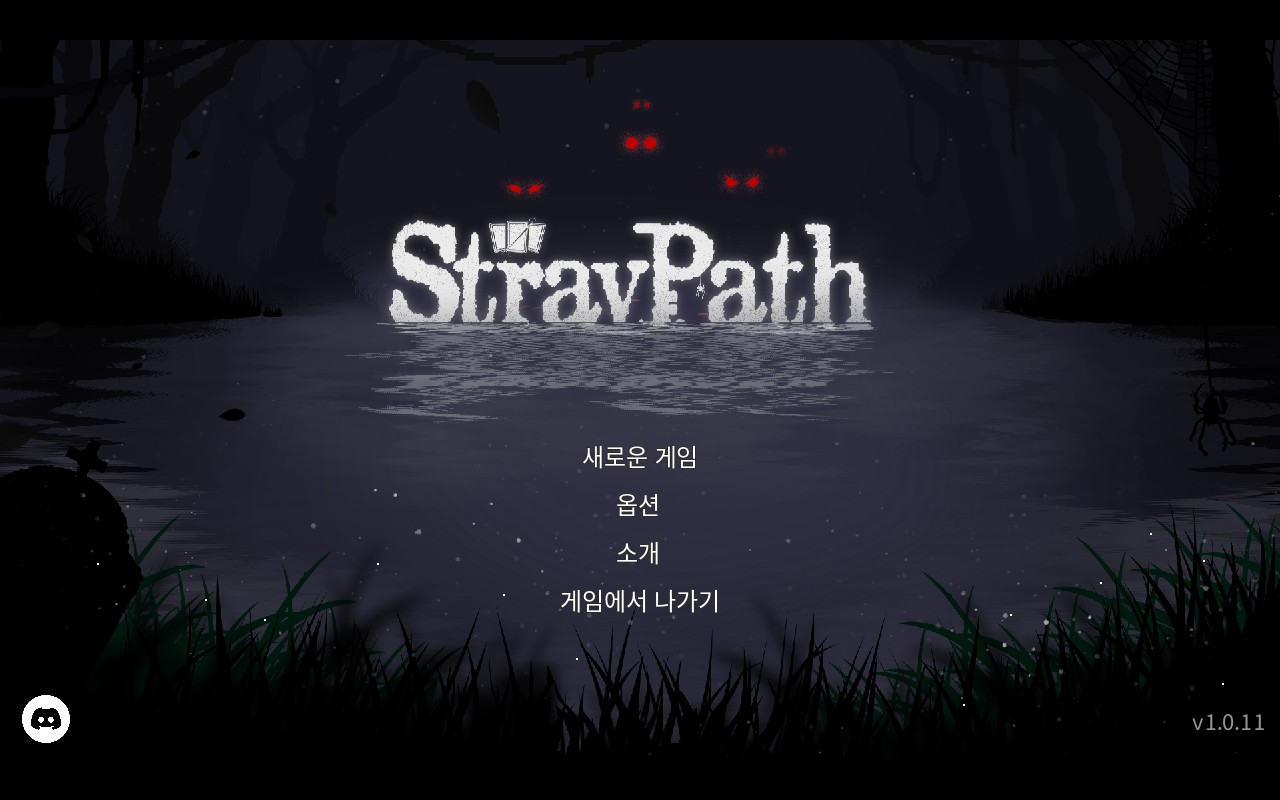
And the user interface? Oh, the UI. This is where Stray Path truly stumbles. The translation is rough—you’ll see “Discard” and “Recycle” used interchangeably for the same action, which is like having a “Start” and “Begin” button that both do the same thing. There are item cards called “Knives” and inventory items also called “Knives,” with no clear distinction. The icons for enemy abilities are cryptic hieroglyphs that might as well be ancient Sumerian. Damage can feel completely out of nowhere because the game doesn’t explain how multiple attacks stack or what the final damage total will be. You just click and hope. For a strategy game, that’s a mortal sin.
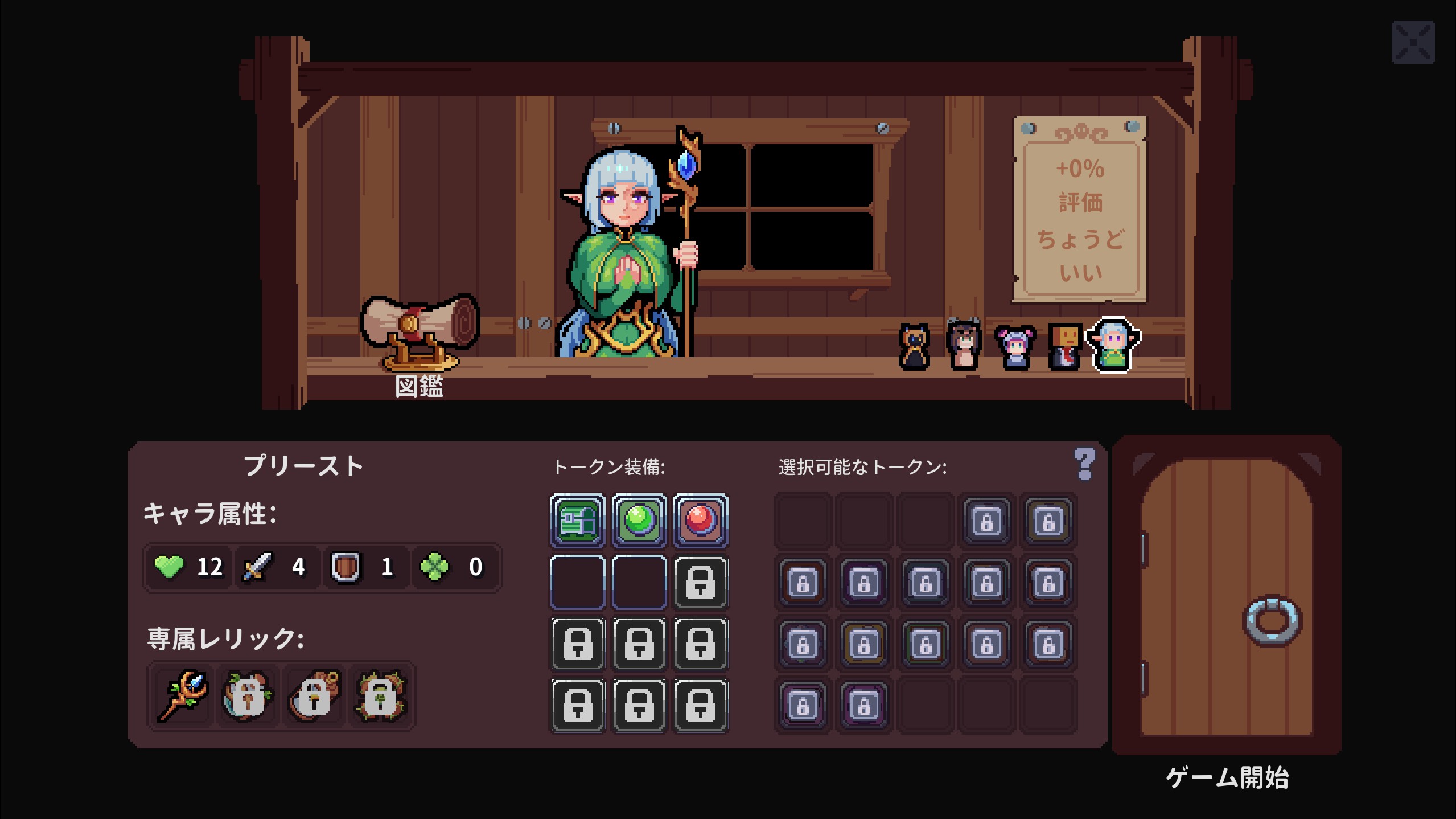
Then there’s the progression system, which is less a system and more a punishment. Characters start with almost nothing unique to them. Their signature passives? Locked behind high difficulty levels. Want to unlock those difficulty levels? You have to do achievements. Not complete runs—achievements. And you unlock those in the “Bestiary” menu, which the game never explains is where you unlock items and characters. The name “Bestiary” suggests monster lore, not a progression hub. I spent three runs wondering why I couldn’t unlock anything before I gave up and checked the forums. That’s not discovery; that’s bad design.
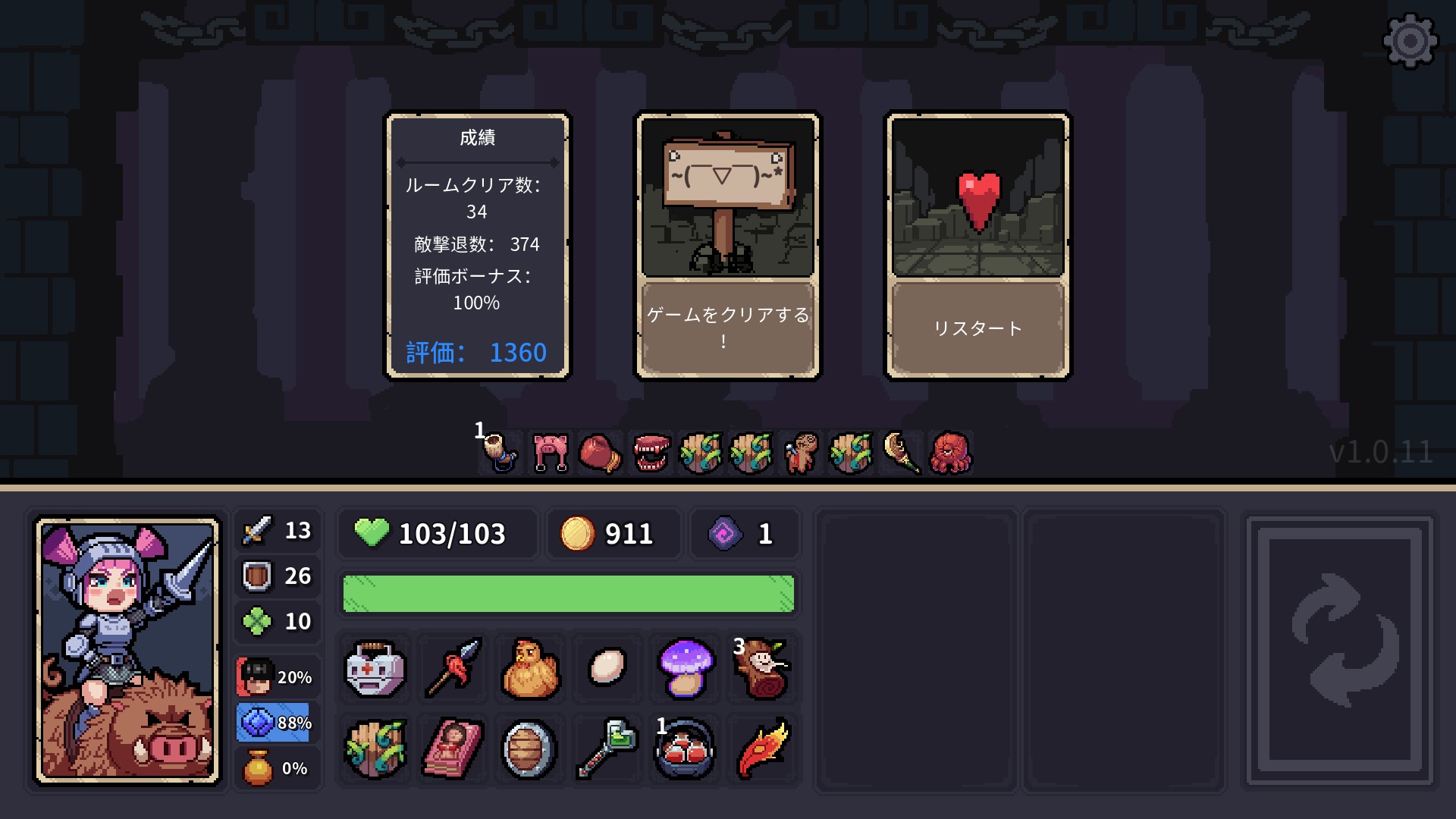
The relic system is a chore. You have a limited number of slots for relics—the game’s equivalent of passive upgrades—but you get a ton of them. So you have to constantly upgrade relics with a special currency, then spend even more currency to turn them into permanent passives so they free up a slot. This is tedious busywork, not gameplay. It has no place in a roguelike, where the joy is in making interesting choices, not in grinding through administrative tasks. Slay the Spire this is not.
And the content. Oh, the content. The game is short. You can finish a run in two to four hours, and there’s almost no reason to replay it. The runs feel samey—same enemies, same relics, same decisions. The difficulty is trivial on the first playthrough; I beat it on my first try without really understanding what I was doing. There’s no New Game Plus, no meaningful scaling, no reason to go back. One reviewer said it feels like an alpha version released as a full title, and I can’t argue with that. It’s a skeleton of a game, and the skeleton is missing a few ribs.
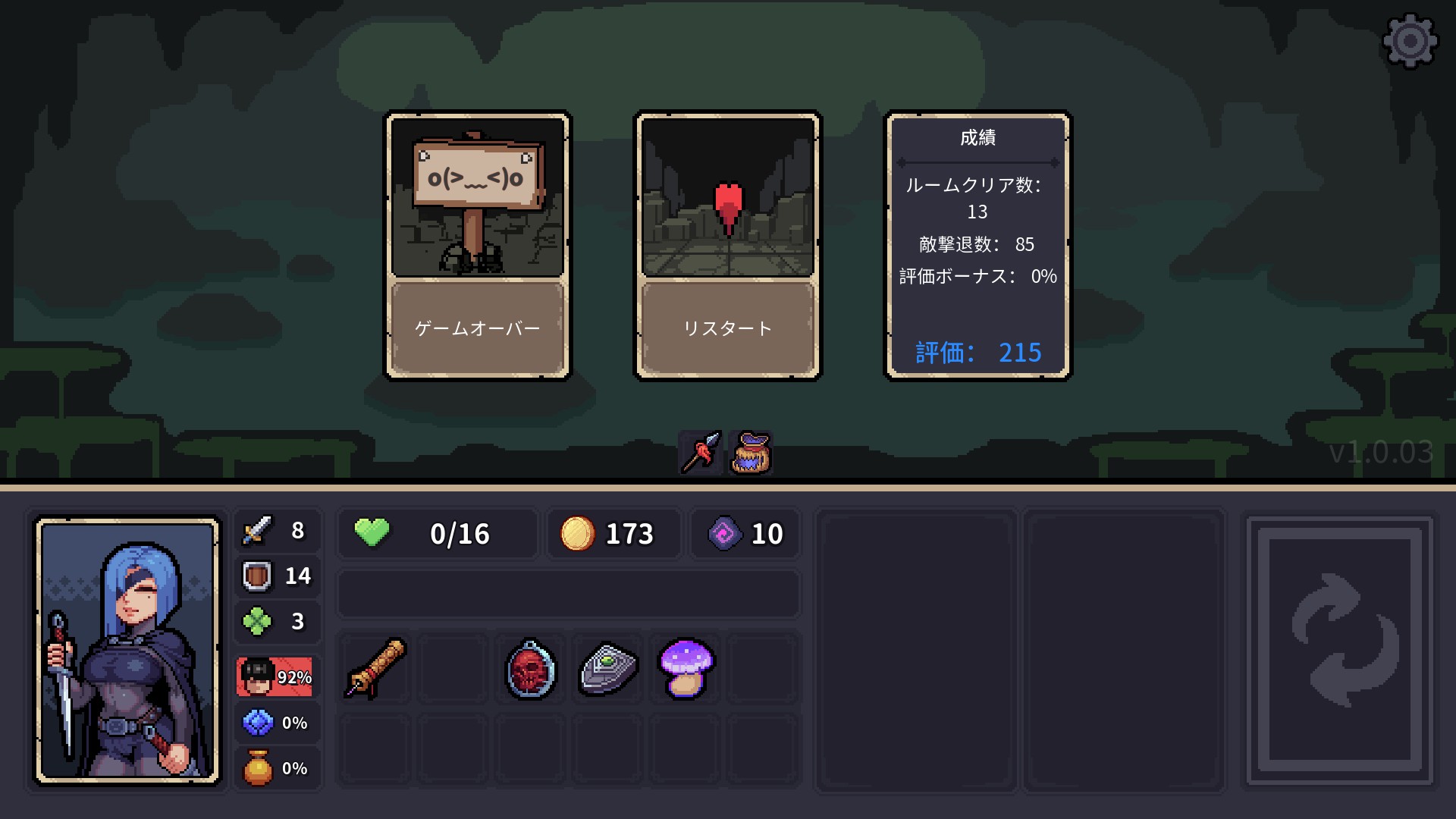
Now, I’m not one to pile on. The core idea—a card-based roguelike where you drag cards like FreeCell—is genuinely fun. The retro visuals have a certain charm. The combat, when it works, can be satisfying. But good ideas aren’t enough. A game needs execution, polish, and depth. Stray Path has none of those in sufficient quantity. It’s like a house with a beautiful front door but no foundation, no plumbing, and a roof that leaks.
I’ve been gaming long enough to remember when indie games were a labor of love, not a rush to market. This feels rushed. The translation issues, the unclear UI, the lack of balance, the thin content—all of it points to a game that needed another six months in the oven. And the developer’s response? Crickets. The community is begging for fixes, for balance patches, for explanations. And nothing.
So where does that leave us? If you’re desperate for a new roguelike and you’ve exhausted every other option, you might get a few hours of mild entertainment out of Stray Path. But there are so many better games out there. Slay the Spire (or its upcoming sequel), Monster Train, Across the Obelisk—these are games that respect your time, offer meaningful choices, and don’t punish you for wanting to experiment. Stray Path is a reminder that a clever concept isn’t a finished product.
I wanted to like this game. I really did. But I can’t recommend something that feels like a prototype sold at full price. Back in my day, a game shipped complete. This one ships incomplete, and that’s a shame, because somewhere under all the rough edges is a game that could have been something special. Maybe in a year, after a dozen patches and a content update, it’ll be worth your time. For now, let it stay lost.