Supermarket Chaos: When the Robot Quits, You Should Too
I’ve been playing video games since before most of you were born. I remember when a game came on a cartridge, you put it in, it worked, and you played it until you beat it or your thumbs fell off. No day-one patches. No asset flips. No AI-generated ramen labels that look like they were drawn by a toddler having a seizure. And yet here we are, in 2026, with Supermarket Chaos—a game that wants to be Librarian: Tidy Up the Arcane Library so badly it forgot to bring its own soul.
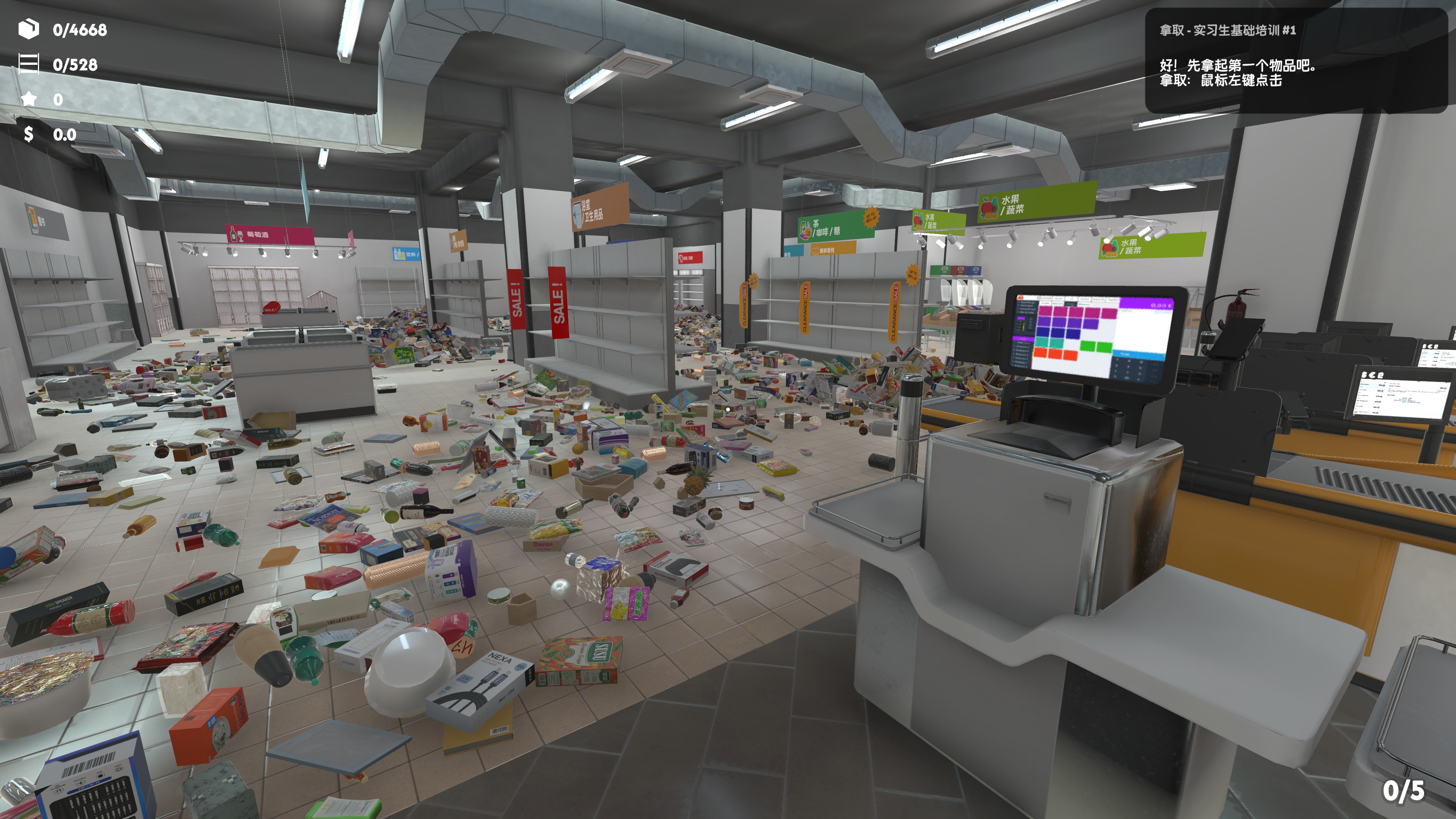
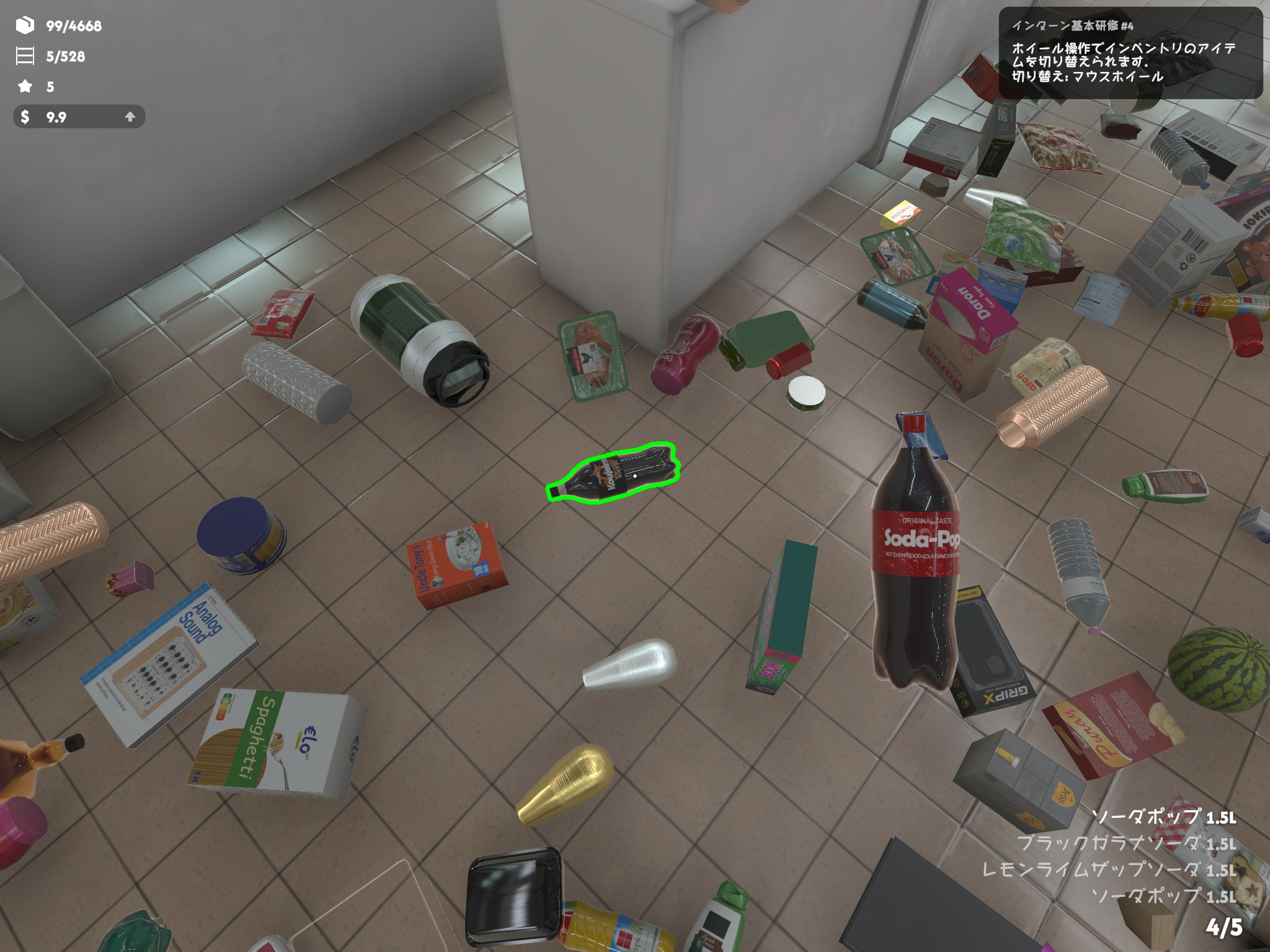
Let’s start with the premise, because it’s not bad on paper. A rogue robot (the GPT-9000, because of course) has a philosophical crisis and throws every product in a supermarket onto the floor. Your job: pick up 4,668 items and put them back where they belong. No time limit, no stress, just calm organizing. That’s the promise. And for the first hour, it almost works. You wander the aisles, picking up cans of peas and bottles of shampoo, and there’s a certain meditative rhythm to it. The music is pleasant enough. The controls are simple. You think, “Maybe this will scratch that itch.”
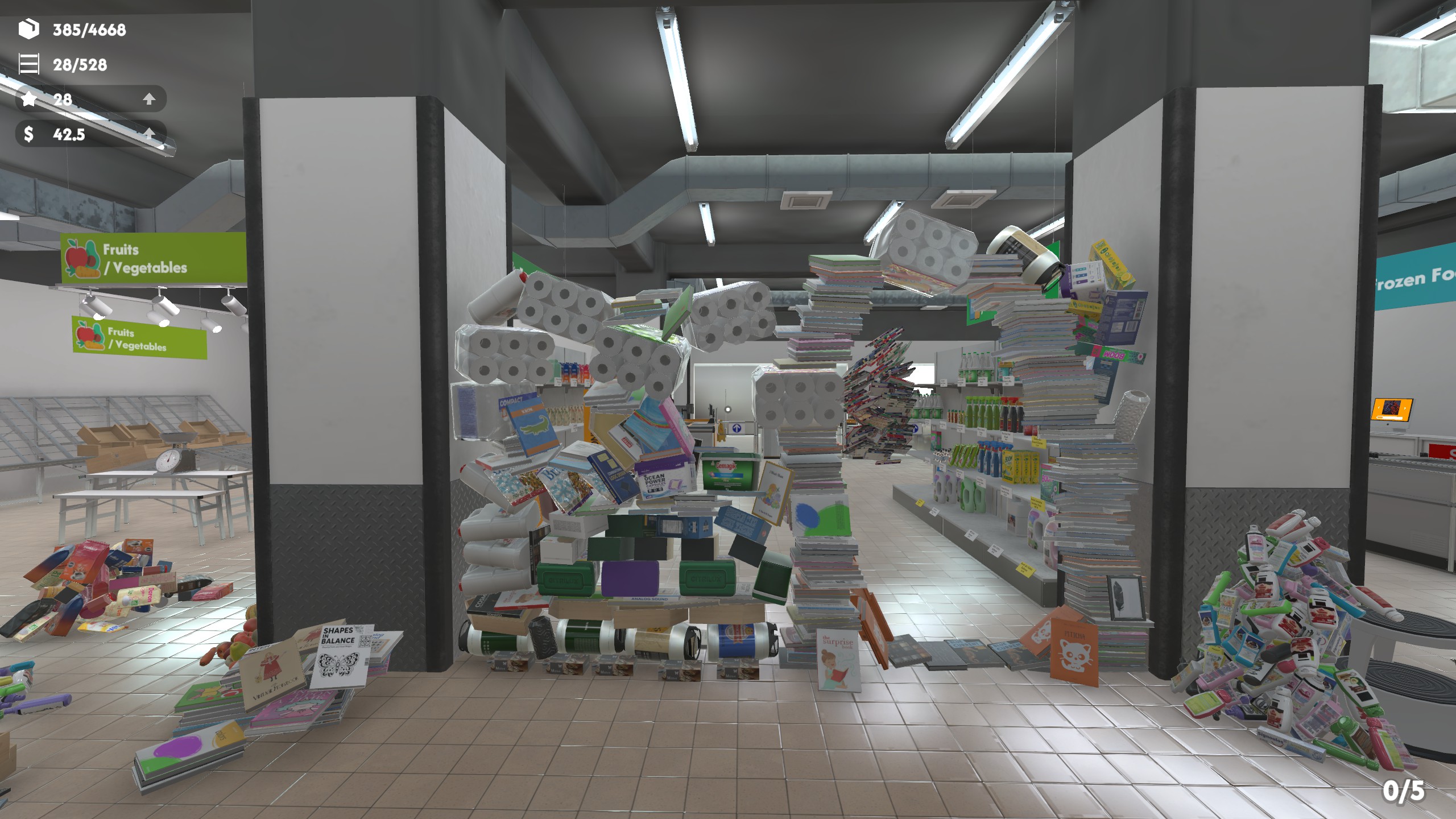
But then you try to actually organize the shelves. And that’s where the game reveals its true nature: a hastily assembled collection of store-bought assets with no thought given to how real supermarkets—or real organizing games—work.
The core problem is that items don’t fit neatly on the shelves. Some products take up one slot, some take two, some take three. The game doesn’t tell you this. You place three wine bottles, the shelf turns yellow, you think you’re done—and then you find three more of the same wine on the floor. Now you have to rearrange everything. This happens over and over. The ramen section? I redid it four times. The wooden decor houses? Six pieces, four take one slot, two take two slots. Why? Because the developers ran out of unique items and just duplicated things to pad the count. It’s not relaxing. It’s infuriating.
Multiple players have pointed this out, and I can’t stress it enough: if you have any semblance of OCD or a desire for visual symmetry, this game will make you want to throw your monitor out the window. The shelves are designed before the items, not the other way around. You’ll end up mixing sugars with teas, canned fish with random red cans that don’t match, and cleaning products that take up entire rows while other categories have gaps. It’s chaos, but not the fun kind. It’s the kind of chaos that makes you question whether the developer has ever been inside a grocery store.
Then there’s the AI problem. Several reviewers noticed that product labels and images are clearly generated—melted text, nonsensical Japanese characters, products that don’t match their names. One player found a can labeled “obentou” in the alcohol aisle while there’s a separate bento section across the store. The developer’s store page mentions “minor use of AI enhancements,” but this is not minor. It’s pervasive. And it’s dishonest. I’ve read better lore on a bar napkin. I’ve seen better asset curation in a second-hand bin.
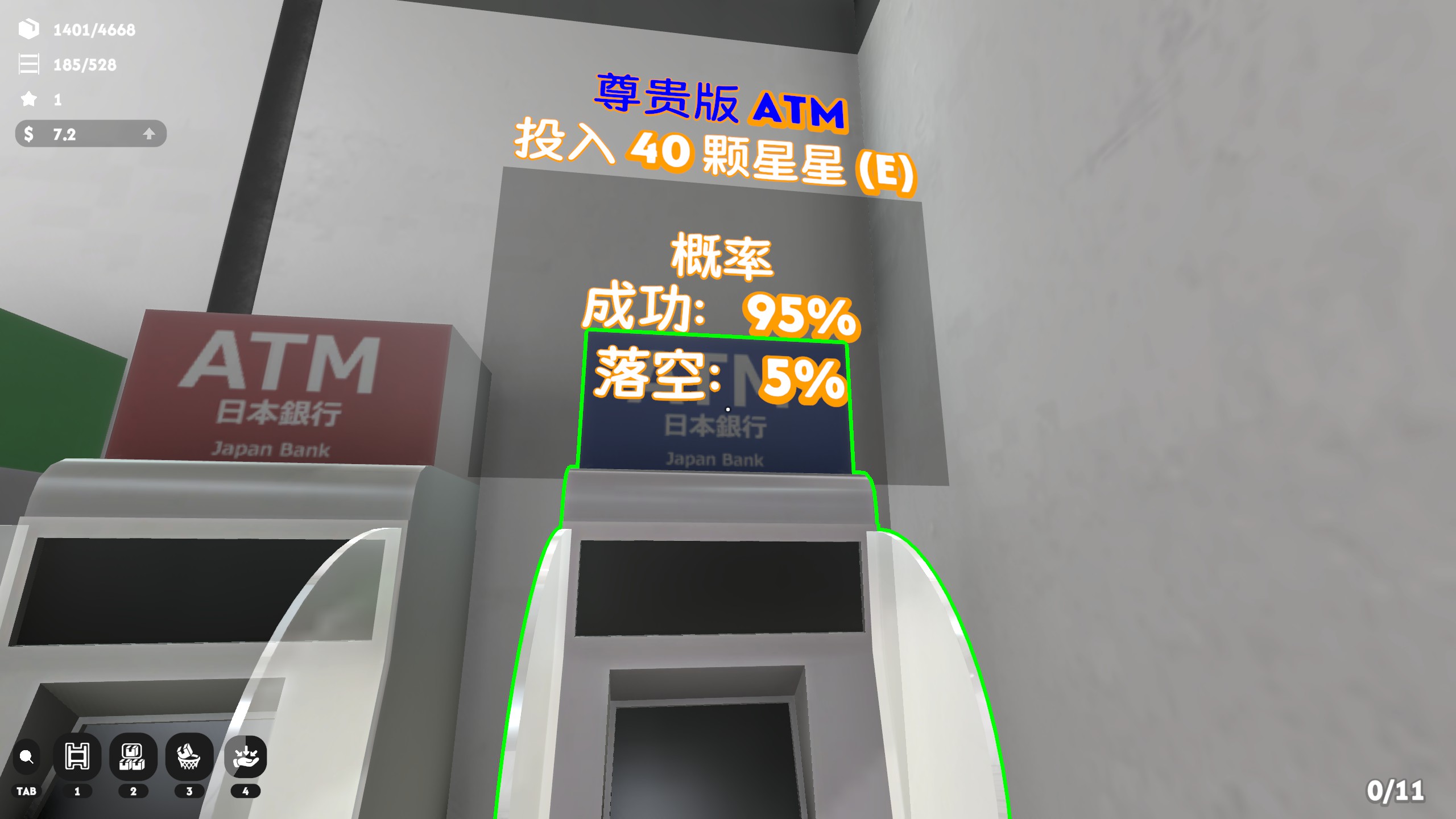
The progression system is another head-scratcher. You earn money per item placed ($0.10) to buy skills, and stars per completed shelf to unlock stickers at ATMs. But the sticker system is a gamble—you spend 40 stars for a 95% chance at a perk. That means you can waste hard-earned stars on nothing. The convenience store map fixes this with a choice system, but the main map remains a slot machine. Why would anyone think gambling is a good fit for a cozy organizing game? It’s like putting a claw machine in a library.
And the bugs. Oh, the bugs. Items floating in midair when you remove the ones beneath them. A 30-second freeze when you pick up the robot at the end. Items that become permanently stuck on shelves because of weird hitbox interactions. One player reported a missing item that made it impossible to finish the game. I appreciate that the game is still being updated, but it launched in a state that would have gotten a game roasted back in the Atari 2600 days. Back then, a game shipped complete. This feels like an early access title dressed up as a full release.
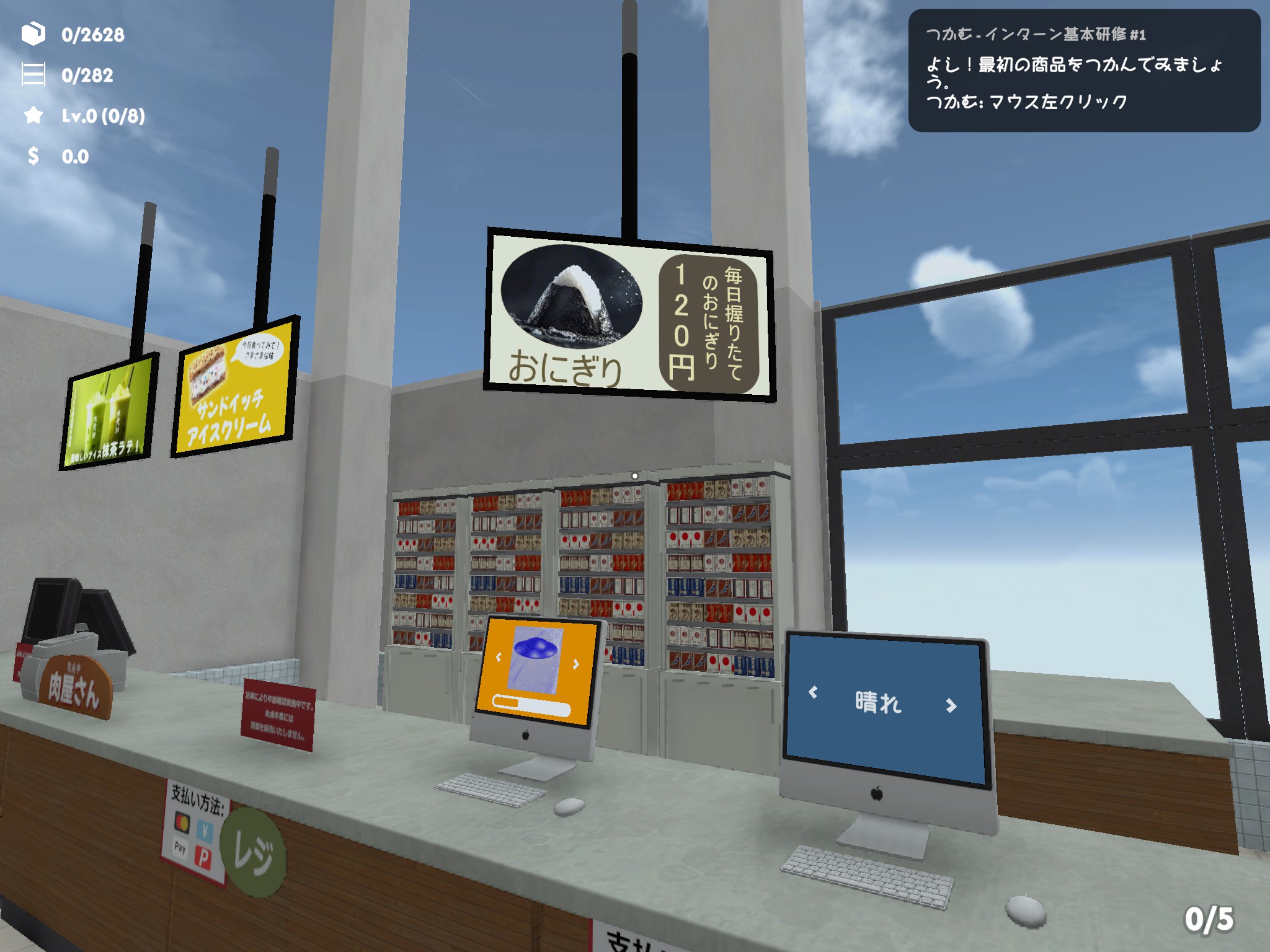
Now, I’ll give credit where it’s due. Some people genuinely enjoy this. I read reviews from players who spent 20 hours organizing and loved every minute. The second map (the convenience store) is more symmetrical and less frustrating. The ability to play with up to four friends (sold separately, as the store page jokes) could add value. The core loop of pick up, find section, place item is inherently satisfying when it works. And it’s only five dollars. For a few hours of mindless busywork, it’s not the worst way to kill an evening.
But the question is: why play this when Librarian: Tidy Up the Arcane Library exists? That game understood the genre. Every book is the same size. Shelves are designed to fit the books perfectly. The art is charming and unique. The progression feels rewarding. Supermarket Chaos is a pale imitation that mistakes quantity for quality. More items doesn’t mean more fun. It means more tedium, especially when the items don’t behave consistently.
I wanted to like this game. I really did. I love organizing games. I’ve played Unpacking, A Little to the Left, PowerWash Simulator, and yes, Librarian. I was ready for a supermarket-themed twist. But Supermarket Chaos feels like a cash grab—a quick attempt to capitalize on a trending genre without understanding what makes it work. The assets are generic, the mechanics are half-baked, and the lack of attention to detail is insulting to anyone who values a cohesive experience.
If you absolutely must have a supermarket organizing game and you’ve exhausted every other option, wait for a deep sale. Or better yet, wait for a better developer to make the game this should have been. In its current state, Supermarket Chaos is not relaxing. It’s not satisfying. It’s a reminder that not every good idea deserves to be a game.
I’m giving it a 5 out of 10. It runs, it has a functional loop, and some people will enjoy it. But it fails the most important test of a cozy game: it made me more stressed than when I started. And at 54, I don’t have the patience for that.