The Incident at Galley House: A Haunting Mystery That Almost Locks Into Place
I’m sitting here at my desk, the glow of the monitor the only light in the room, having just finished another shift at the Vault. The coffee’s cold, the hour’s late, and I’m trying to decide if The Incident at Galley House left me satisfied or just restless. It’s a good game—don’t mistake my weariness for dismissal—but it’s one of those titles that makes you appreciate the craft while also sighing at the missed opportunity.
You arrive at Galley House, a crumbling English manor where, decades ago, a dozen people died under circumstances nobody ever untangled. Your tool is a strange machine that lets you eavesdrop on echoes of the past. To view a scene, you must input the correct time, location, and the people present. It’s a clever hook, reminiscent of Return of the Obra Dinn in its demand for careful observation, but with a more structured, almost theatrical approach. The game doesn’t let you wander a 3D space; instead, you navigate a menu of rooms and timestamps, unlocking snippets of dialogue and action. It’s closer to a visual novel with puzzle gates than a true sandbox investigation.
The core loop is satisfying. You watch a scene, pick up hints—a character says they’re heading to the library, another mentions a noise from the kitchen—and then try to match those clues to unlock the next scene. The game provides a robust hint system that nudges without hand-holding, and the in-game notebook and search function are a godsend. I’ve played too many detective games where I’m flipping through pages of dialogue, grumbling about poor design. Here, you can search for “violin” and instantly find that offhand comment from three hours ago. That’s the kind of respect for the player’s time that earns my grudging respect.
But the mechanics, while solid, never quite reach the heights of the genre’s best. The deductions are rarely head-scratchers; more often, you’re following a breadcrumb trail that leads from one scene to the next with little ambiguity. Some reviewers have noted that the game becomes almost automatic once you understand its rhythm. I agree. The challenge peaks early, when you’re still learning names and faces, then gradually flattens. By the midpoint, I was less deducing and more tracing steps. That’s not a sin—many great games are linear—but if you’re expecting the eureka moments of Obra Dinn or The Roottrees Are Dead, you may find this a gentler ride.
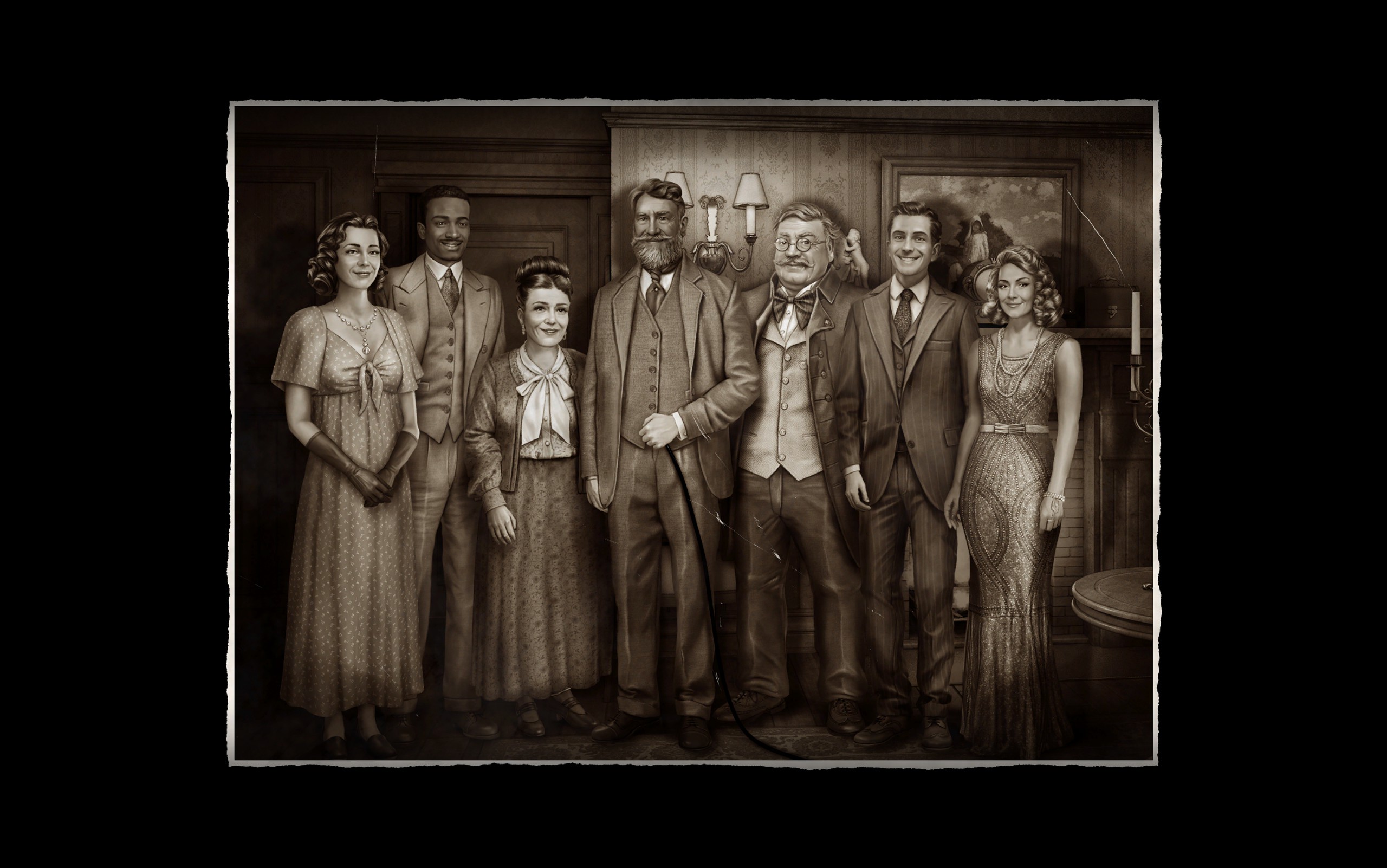
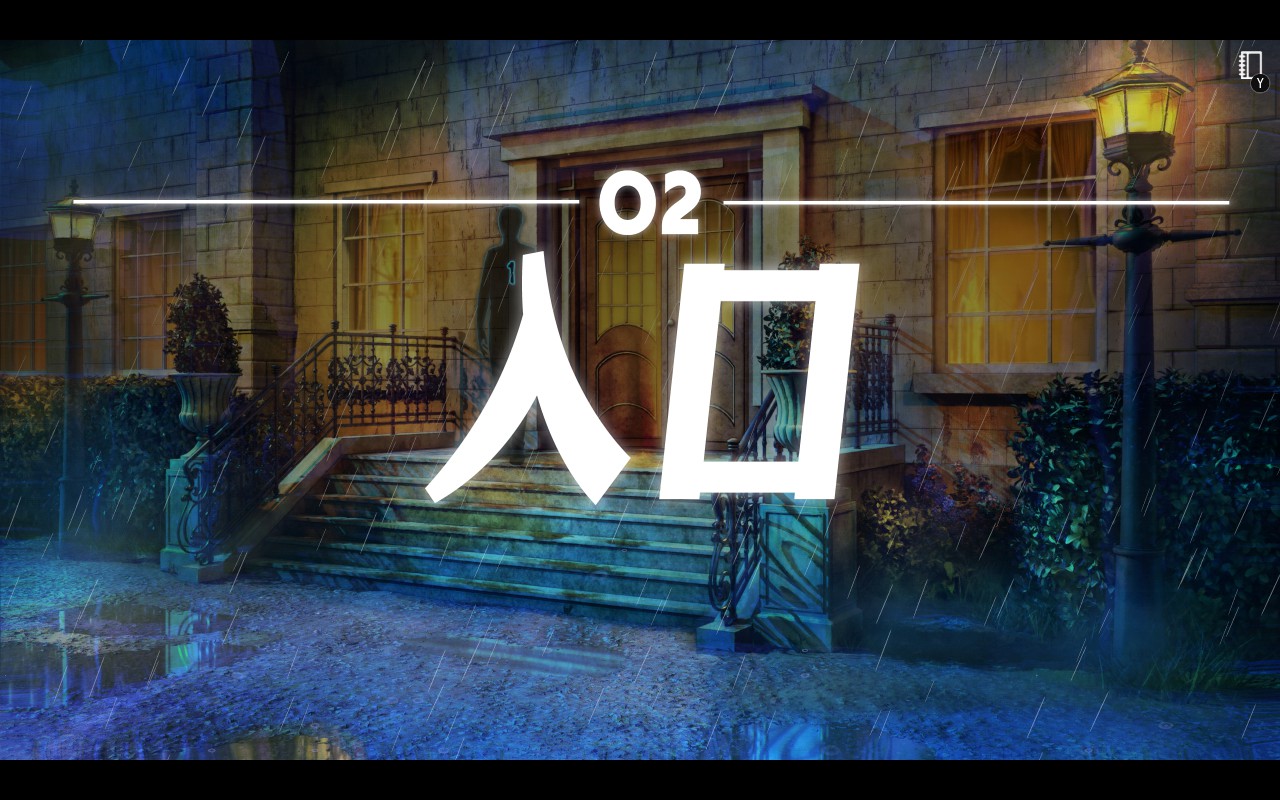
The story is where Galley House both shines and stumbles. The first few hours are masterfully eerie. The characters are sketched with enough personality to make you care, and the voice acting is top-notch—every performance feels lived-in, from the nervous maid to the blustering patriarch. The art style, with its static but evocative backgrounds and character portraits, creates a mood that’s both cozy and unsettling. The title cards between scenes, stark and typographic, got under my skin in a way I didn’t expect. It’s atmospheric in the best sense.
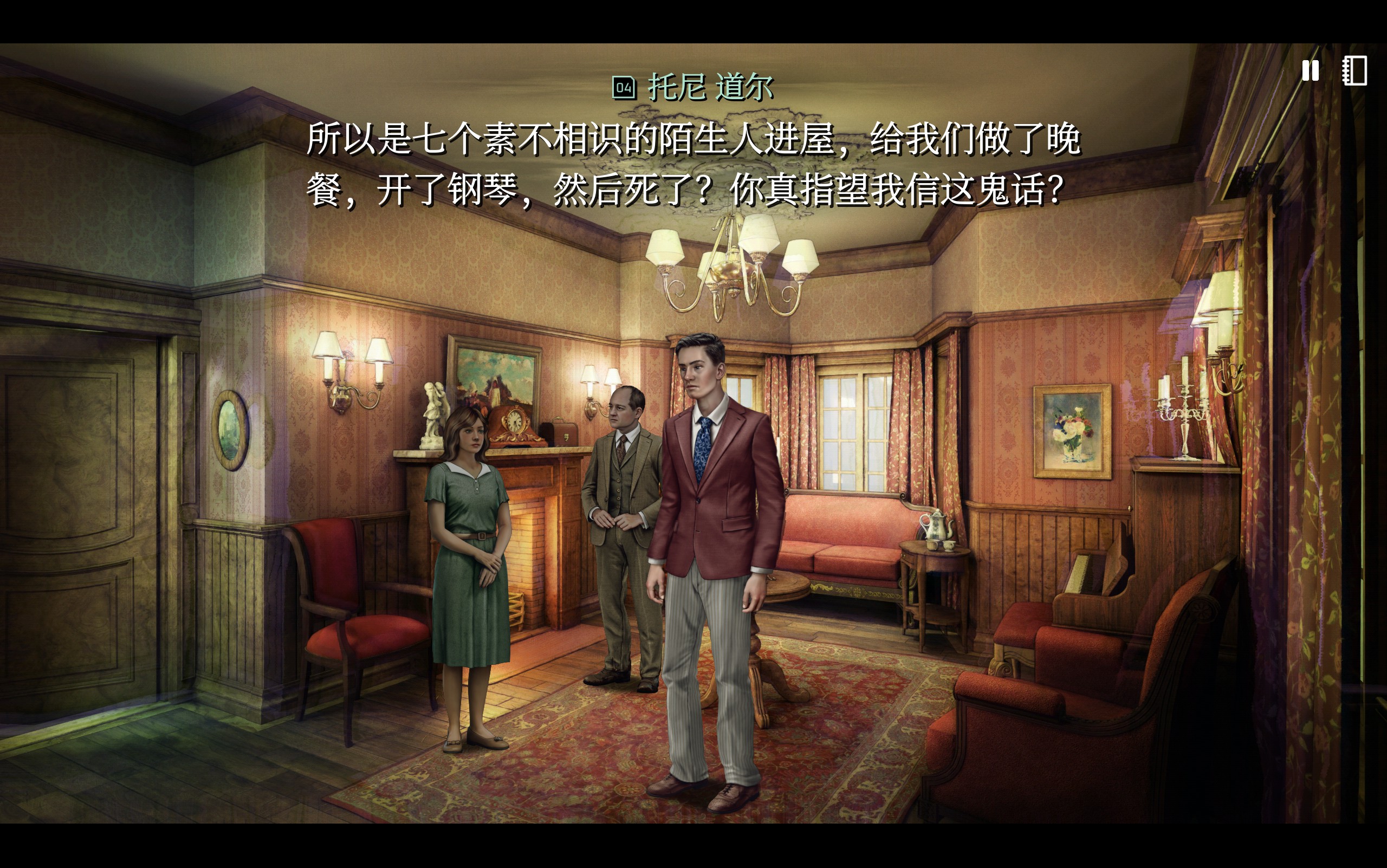
Then comes the pivot. Around the halfway mark, the mystery reveals its supernatural heart, and the game shifts from a whodunit to something more metaphysical. Some players have called this a betrayal; I see it as a bold choice that doesn’t fully pay off. The game sets up rules for its curse, then seems to bend them for dramatic effect. The ending left me with more questions than answers, and not in the satisfying, “I’ll be thinking about this for days” way. More like, “Wait, that’s it?” The final act introduces new characters and concepts that feel undercooked, and the resolution leans on ambiguity that feels less like art and more like avoidance. I’ve read better worldbuilding in a second-hand paperback, as I often mutter.
That said, the journey is still worthwhile. The game’s central conceit—that you’re listening to recordings of people who don’t know they’re being watched—creates a unique tension. You become a ghost in their tragedy, piecing together their last hours. There’s a sadness to it that lingers. The writing is sharp, with dialogue that feels natural without being overburdened with exposition. The characters’ relationships are tangled enough to keep you invested, even when the plot machinery creaks.
Performance-wise, the game runs smoothly on my aging rig. No stutter, no crashes. The interface is responsive, though the machine’s animation when you input a code becomes tedious after the tenth time. It’s a small complaint, but it adds up. The soundtrack is effective, never intrusive, and the sound design—footsteps, creaking doors, distant thunder—is used cleverly to hint at off-screen events. This is a game that understands the power of audio in building atmosphere.
I also appreciate that the developers learned from The Roottrees Are Dead. That game had a frustrating final quiz that could lock you out of the ending if you missed a detail. Galley House is more forgiving. There’s no binary pass/fail; you can brute-force some solutions if you’re stuck, though doing so feels like cheating yourself. The hint system is generous, and I used it twice when I hit a wall. Both times, it pointed me in the right direction without giving away the answer. That’s good design.
But here’s where my old bones start to ache. The game is short—around eight hours—and for the price, I expect either more content or a deeper experience. The second half, especially, feels padded. Once you understand the nature of the curse, the remaining scenes are largely mopping up. The new content added for this remaster, while welcome, doesn’t fully address the original Type Help’s weaknesses. Some reviewers have noted that the game loses the lonely, haunted atmosphere of the text-only version by adding visuals and voice. I can’t compare directly, but I suspect they’re right. There’s a power in the abstract that this polished version sands down.
So where does that leave us? The Incident at Galley House is a competent, often engrossing detective game with a few memorable twists and a strong sense of place. It’s not the genre-redefining masterpiece some have claimed, but it’s a solid entry for fans of deduction and spooky stories. If you’re new to this style of game, you’ll likely find it a good introduction. If you’re a veteran, you may appreciate its refinements while craving more challenge.
I give it a recommendation, but with a shrug. It’s the kind of game I’ll remember fondly, then move on. Not every mystery needs to be Obra Dinn. Sometimes, a well-told ghost story with a clever mechanic is enough. Just don’t expect the final piece to click into place with a satisfying snap. Some incidents, it seems, are meant to remain unresolved.
Score: 8/10