The Last of Us Part II Remastered: A Masterpiece You Might Hate
I’ve been playing video games since the Atari 2600, back when a ‘story’ meant ‘the manual had a paragraph about aliens.’ I’ve seen the medium grow from pixelated blips to photorealistic epics, and I’ve reviewed enough to know the difference between a polished turd and something genuinely special. The Last of Us Part II Remastered is the latter, but it’s also the most divisive game I’ve ever written about. And that’s exactly what makes it essential.
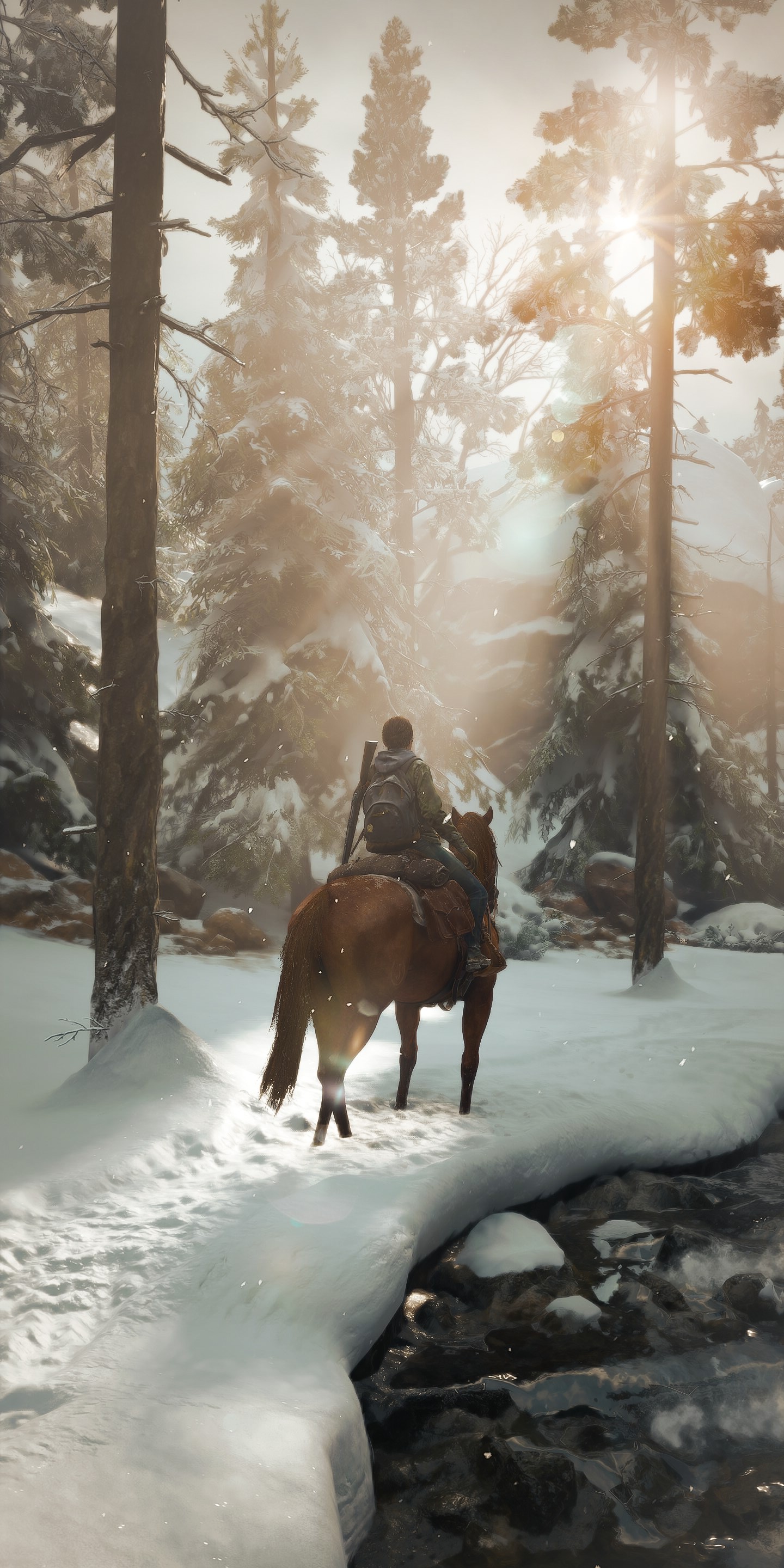
Let’s get the obvious out of the way: this is a technical marvel. Nixxes, the porting wizards, have done it again. This thing runs like a dream on PC. Full ultrawide support, DLSS 3, HDR that makes the overgrown Seattle landscapes look like a melancholy painting—it’s all here. No stutter, no crashes, just a smooth, brutal experience. Back in my day, a ‘remaster’ meant a slightly sharper texture pack. This is a full resurrection. The character models are so detailed you can see the grief etched into Ellie’s pores. The blood stays on the snow after a firefight, and the way light filters through the ruins is genuinely breathtaking. It’s the kind of graphical fidelity that makes you stop and stare before a Clicker tears your face off.
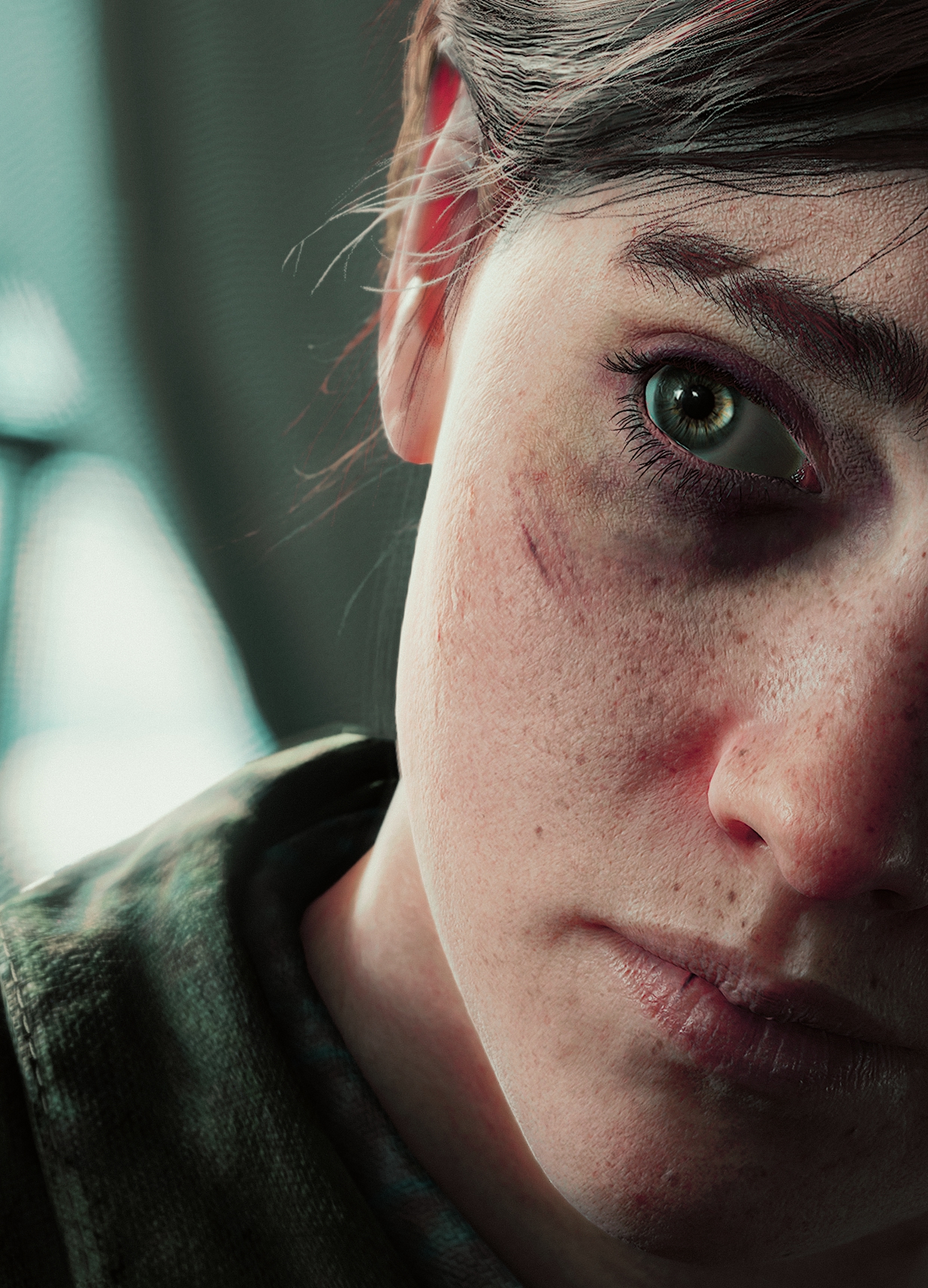
But let’s be honest, nobody’s arguing about the graphics. The argument is about the story. And the story is a kick in the teeth. You play as Ellie, now a young woman living in Jackson with Joel, five years after the first game’s devastating conclusion. They’ve found peace. Then, in the first two hours, that peace is shattered in the most brutal, uncompromising way imaginable. Joel is killed. Not in a heroic sacrifice, but beaten to death with a golf club by a woman named Abby, whose father Joel killed at the end of the first game. The game then forces you, the player, to hunt Abby down for the next twenty-plus hours. And then, right at the midpoint, it forces you to play as Abby for another ten hours, showing you her side of the story.
This is where the game loses people. I’ve read better worldbuilding on a bar napkin than some of the criticisms leveled at this game. ‘Revenge is bad’ is the simplest, most reductive take, and it misses the point entirely. This isn’t a morality play; it’s a dissection of trauma. It’s about the hollow, gnawing pit that revenge leaves in your gut. The combat is the best third-person action I’ve played since the original Metal Gear Solid. It’s heavy, desperate, and grounded. Every bullet has weight. Every melee attack feels like a last resort. The new prone and dodge mechanics add a layer of tactical depth that the first game lacked. Enemy AI is terrifyingly smart—they’ll flank you, call out your position, and mourn their fallen comrades. This isn’t a power fantasy; it’s a survival horror where you’re the monster.
The sound design is equally stellar. The crunch of a boot on broken glass, the wet thud of a pipe hitting a skull, the distant, guttural roar of a Bloater—it all contributes to an atmosphere of constant, low-grade dread. Gustavo Santaolalla’s score is sparse but devastating, knowing exactly when to let silence do the work. On a good headset, this game is an assault on the senses in the best possible way.
Now, the elephant in the room: Abby. I won’t lie; I hated playing as her at first. The game is asking you to empathize with the person who murdered a character you’ve grown to love over two games. It feels like emotional manipulation. But here’s the thing: it works. Not for everyone, but for me, by the end, I understood her. Her motivations are just as valid as Ellie’s. Joel was a monster in her story. The game isn’t saying she was right; it’s saying that in a world this broken, nobody is. The parallel structure is audacious, and the pacing suffers for it—the middle third drags as we get to know Abby’s crew—but the payoff in the final, gut-wrenching confrontation on the beach is one of the most powerful moments I’ve ever experienced in a game. It left me staring at a black screen for five minutes, feeling empty and exhausted. That’s not a bug; that’s the feature.

Is the game perfect? No. The narrative is too long, and some of the side characters (Jesse, Dina) feel underdeveloped compared to the two leads. The ‘No Return’ roguelike mode is a fun distraction, but it feels like a poor substitute for the Factions multiplayer from the first game. And yes, some of the plot requires a fair bit of suspension of disbelief—enemies conveniently not finishing off Ellie when they have her at gunpoint, for instance. But these are minor quibbles in a game that aims for the moon and mostly hits it.
This is not a feel-good game. It’s not a comfort play. It’s a brutal, emotional endurance test that will make you question every violent choice you make. It’s a game that trusts its audience to handle complex, uncomfortable themes, and it doesn’t care if you hate it. That takes guts in today’s AAA landscape. The Last of Us Part II Remastered is the definitive way to experience one of the most important, most argued-about games ever made. It’s a technical showcase, a narrative punch to the gut, and a masterclass in how to make violence feel terrible. If you can stomach it, it’s essential.

Finally. Something that challenges the player, not just their reflexes, but their heart. That’s rare. That’s worth your time. Just don’t expect to feel good when the credits roll.