Trails Beyond the Horizon: A Glorious, Infuriating Setup for Something Bigger
Look, I’ve been playing these games since before some of you were born. I remember when “Trails” meant staring at a tiny screen on a PSP, reading walls of text about trade tariffs in Liberl, and loving every minute of it. So when I say that Trails Beyond the Horizon is both one of the best and one of the most frustrating entries in this bloated, beloved series, I mean it with the weary affection of a man who’s spent three years catching up on thirteen games.
Let’s get the obvious out of the way: if you haven’t played the previous twelve games, do not start here. I’ve read better onboarding instructions on a cereal box. This game is a love letter to those who’ve been following the Zemurian saga since the Sky trilogy, and it assumes you know who Kevin Graham is, why Rean Schwarzer matters, and what the hell a Shard Command does. If you’re new, go play Trails in the Sky (the remake is fine), then come back in about 600 hours.
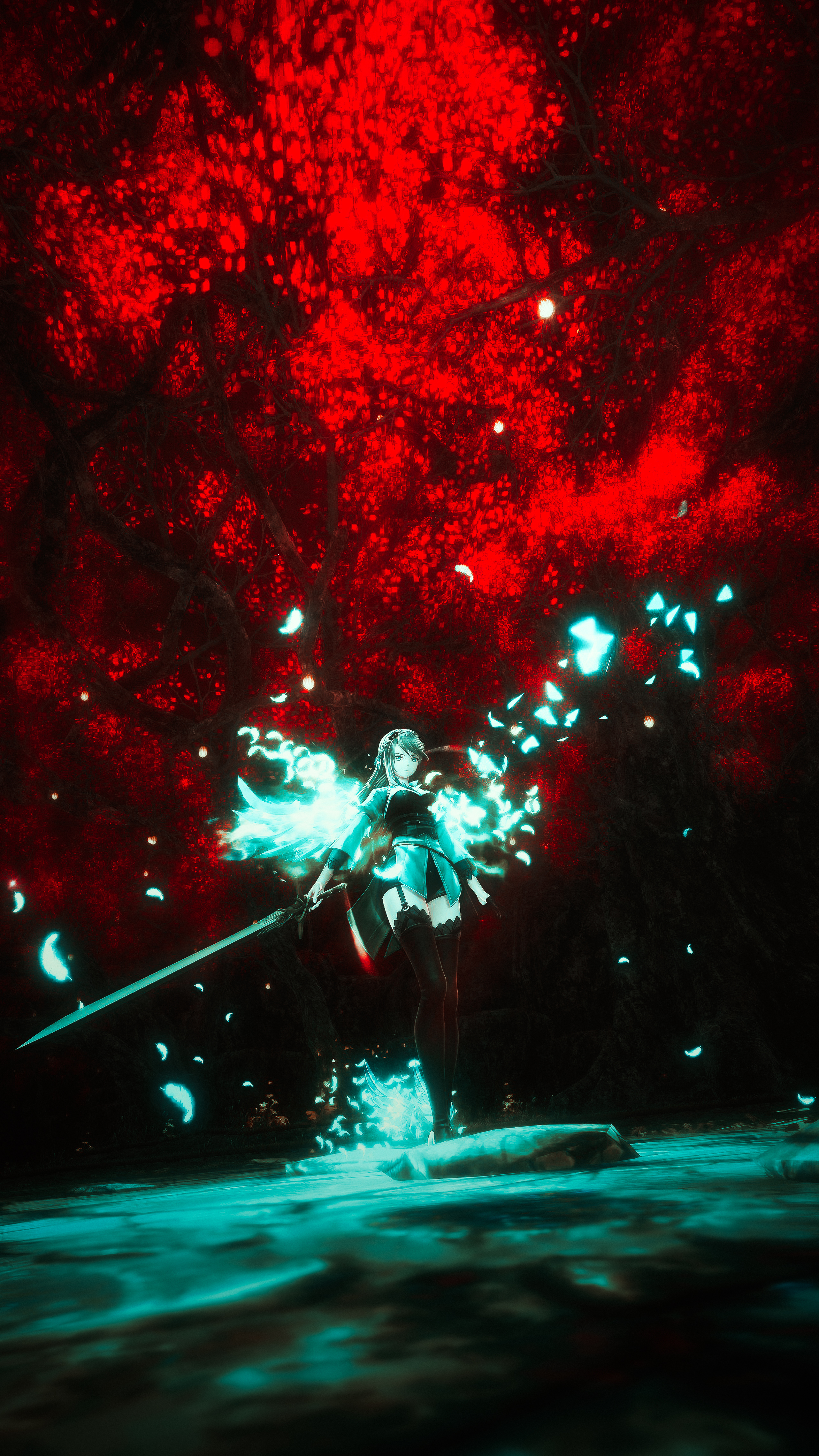
The story picks up after the missteps of Daybreak II, which I’ll be charitable and call a “learning experience.” This time, we’re following three protagonists—Van Arkride, Rean Schwarzer, and Kevin Graham—as they investigate a mysterious space program that’s somehow tied to the fate of the entire continent. The three-route structure is a neat trick, letting you see the same events from different angles, and for the most part, it works. Kevin’s route is the standout, diving deep into the church’s secrets and delivering some genuinely shocking revelations that connect to plot threads from a decade ago. Rean’s arc is solid, giving his old crew room to breathe and grow. Van’s route… well, it exists. It’s the weakest of the three, feeling like the writers weren’t quite sure what to do with him after Daybreak II.
The pacing is the real killer here. This game is a setup, plain and simple. It’s Cold Steel I all over again—a slow burn that spends most of its runtime laying groundwork for a payoff that won’t come until the inevitable sequel. The first two acts are a slog of “go here, talk to this person, fight someone for no clear reason, repeat.” You’ll spend hours watching characters dance around the truth, fighting battles that feel meaningless because the story refuses to let them matter. The ending, when it finally arrives, is a gut punch—a cliffhanger so brutal that I actually laughed out loud. The writers should be in a special place in hell for ending it there. But that’s the Trails way, isn’t it? You invest 80 hours, and you get more questions than answers.
Now, the combat. This is where the game shines. The hybrid system from Daybreak returns, blending real-time action with turn-based strategy, and it’s been refined to a razor’s edge. The new ZOC mechanic—a time-slow that lets you take multiple turns in a row—is a game-changer. It’s like having a tactical nuke in your pocket, and enemies use it against you too, which keeps you on your toes. Shard Commands (basically Brave Orders from Cold Steel) add another layer of strategy, letting you buff your party or debuff the enemy at crucial moments. The animations are smoother, the camera work is better, and the whole thing feels like a celebration of everything the series has learned about combat over the years.
That said, the difficulty is all over the place. On Normal mode, you can breeze through most fights without thinking. On Nightmare, enemies get absurd turn advantages and can one-shot your party if you’re not careful. There’s no middle ground. And the Grim Garten—this game’s version of the endgame dungeon—feels like a step back from Reverie’s Corridor. It’s shorter, less varied, and the rewards aren’t as satisfying. I miss targeting individual body parts in mech battles, too. The ones here are flashy but shallow.
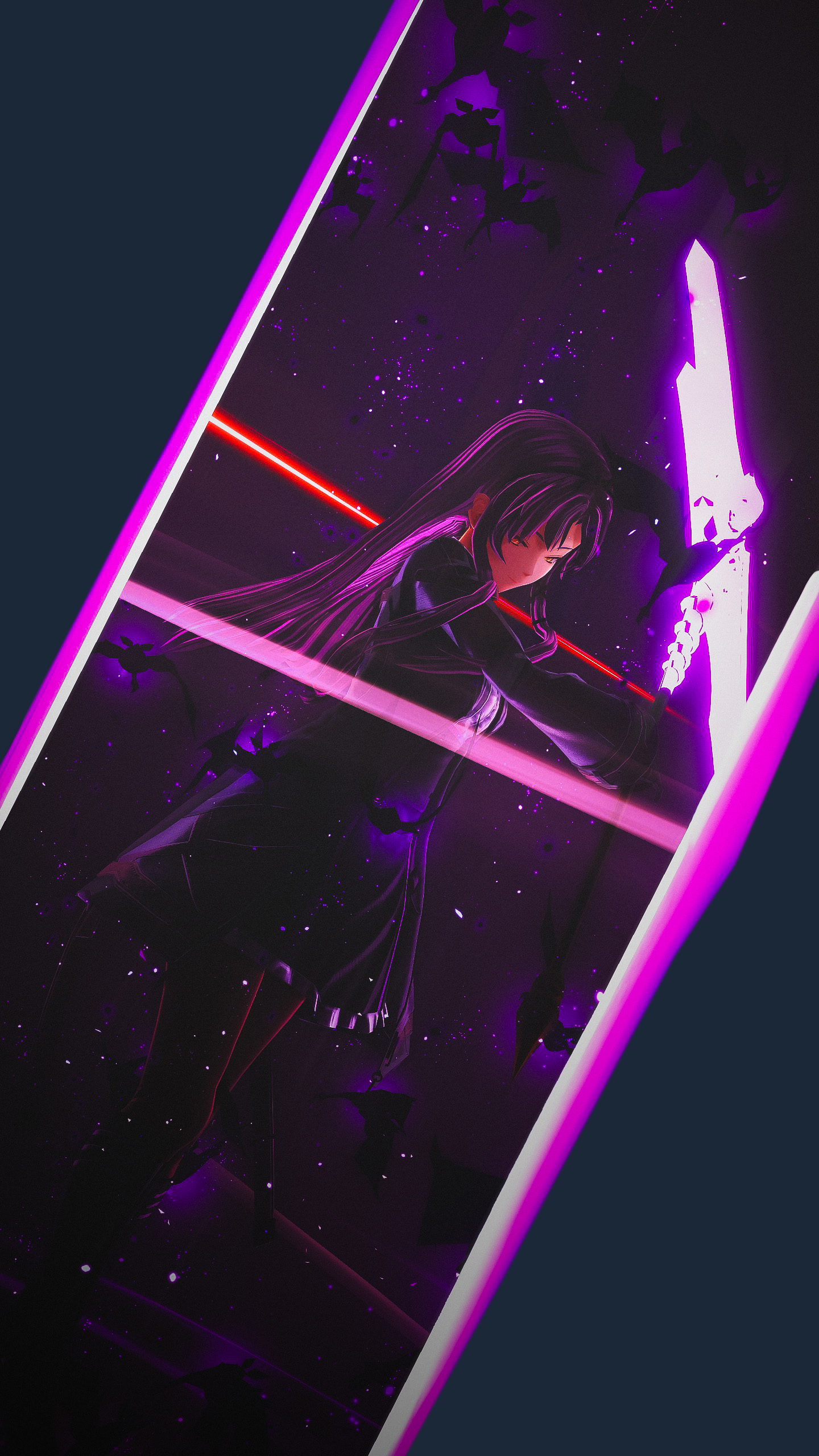
The worldbuilding, as always, is top-notch. The Trails series has a knack for making every town, every NPC, every side quest feel like it matters. The side content here is excellent, tackling serious themes like human trafficking and identity with the same emotional maturity that made the early games so memorable. Kevin’s squad has a witty, banter-filled dynamic that reminds me of the good old days of Sky SC. Rean’s interactions with Altina are genuinely touching—a relationship that’s grown beautifully over the course of the series. And Shizuna? She’s a menace. I can’t wait to see her throw down with Rean in the sequel.
But the character writing for Van’s crew is where things fall apart. After three games, I still feel like I barely know these people. They’re one-dimensional archetypes: Van is the cool, collected leader; Agnes is the mysterious girl with a secret; Risette is the diligent concierge. They don’t grow, they don’t change, and they don’t have any real agency in the plot. They’re just there to react to things happening around them. It’s a far cry from the tight-knit casts of Liberl or Crossbell, where every character felt like they had a life outside the party.
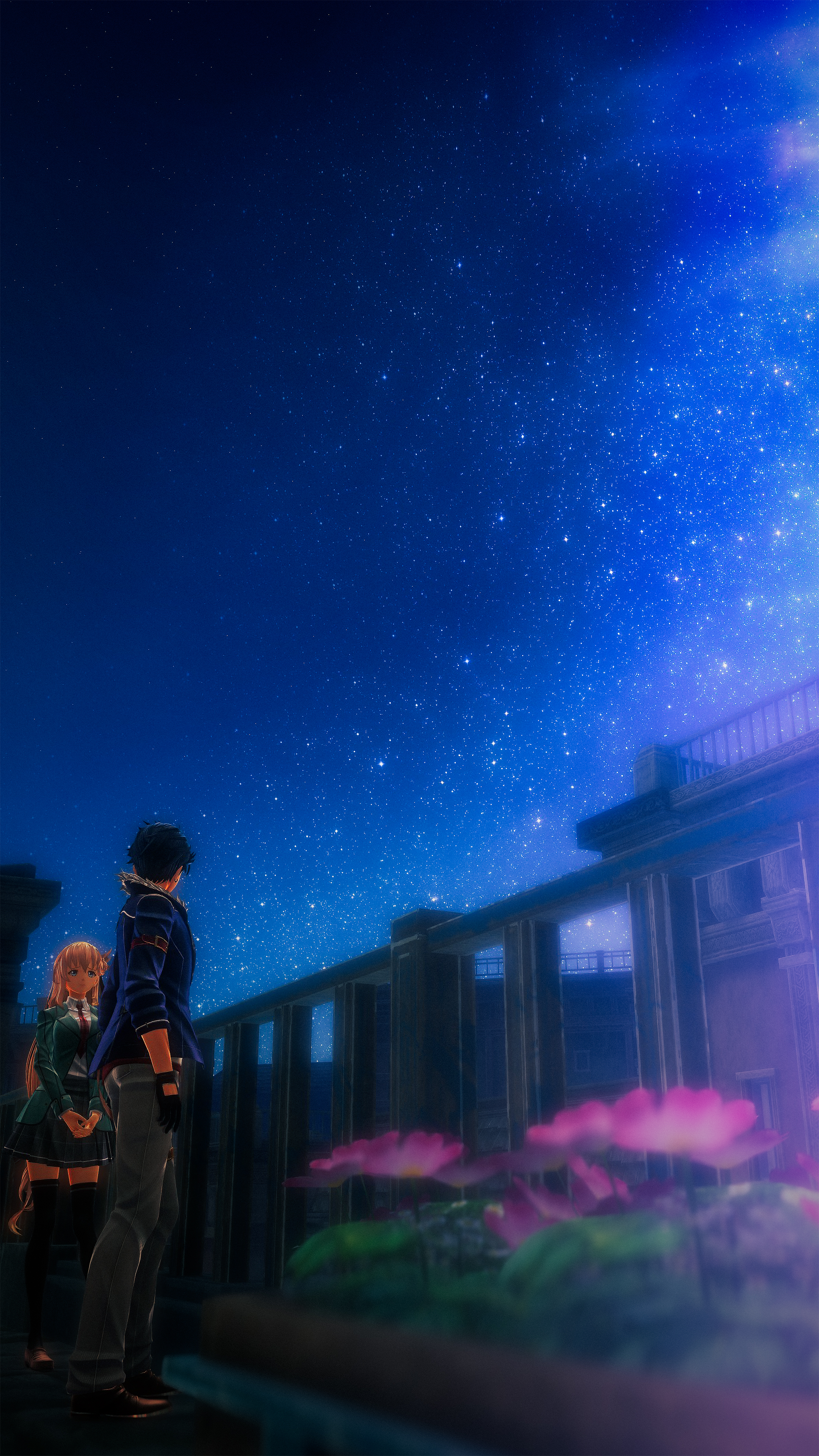
The ending is the most divisive part. Some players will love the sheer audacity of the cliffhanger, the way it ties together threads from ten games ago and sets up something massive. Others will feel cheated—like they’ve just finished a 500-page novel that stops mid-sentence. I’m somewhere in the middle. The reveals are genuinely shocking, and the lore drops are the most significant the series has ever delivered. But the emotional weight doesn’t land because the game hasn’t earned it. Van’s team fights the president for reasons that feel contrived, and Agnes’s fate is left so vague that I’m not even sure what happened. It’s like the writers had a grand vision but forgot to fill in the steps along the way.
Technically, the game runs well on PC. No major stutters or crashes, which is more than I can say for some recent AAA releases. The soundtrack is excellent—maybe the best since Cold Steel I—with a mix of forgettable tunes and absolute bangers. The visuals have been polished, with better lighting and camera work making the same old engine look fresh. But the voice acting is still inconsistent, with many scenes featuring only one character speaking while others are silent. It’s a budget constraint that’s been annoying since Cold Steel III, and it hasn’t gotten any better.
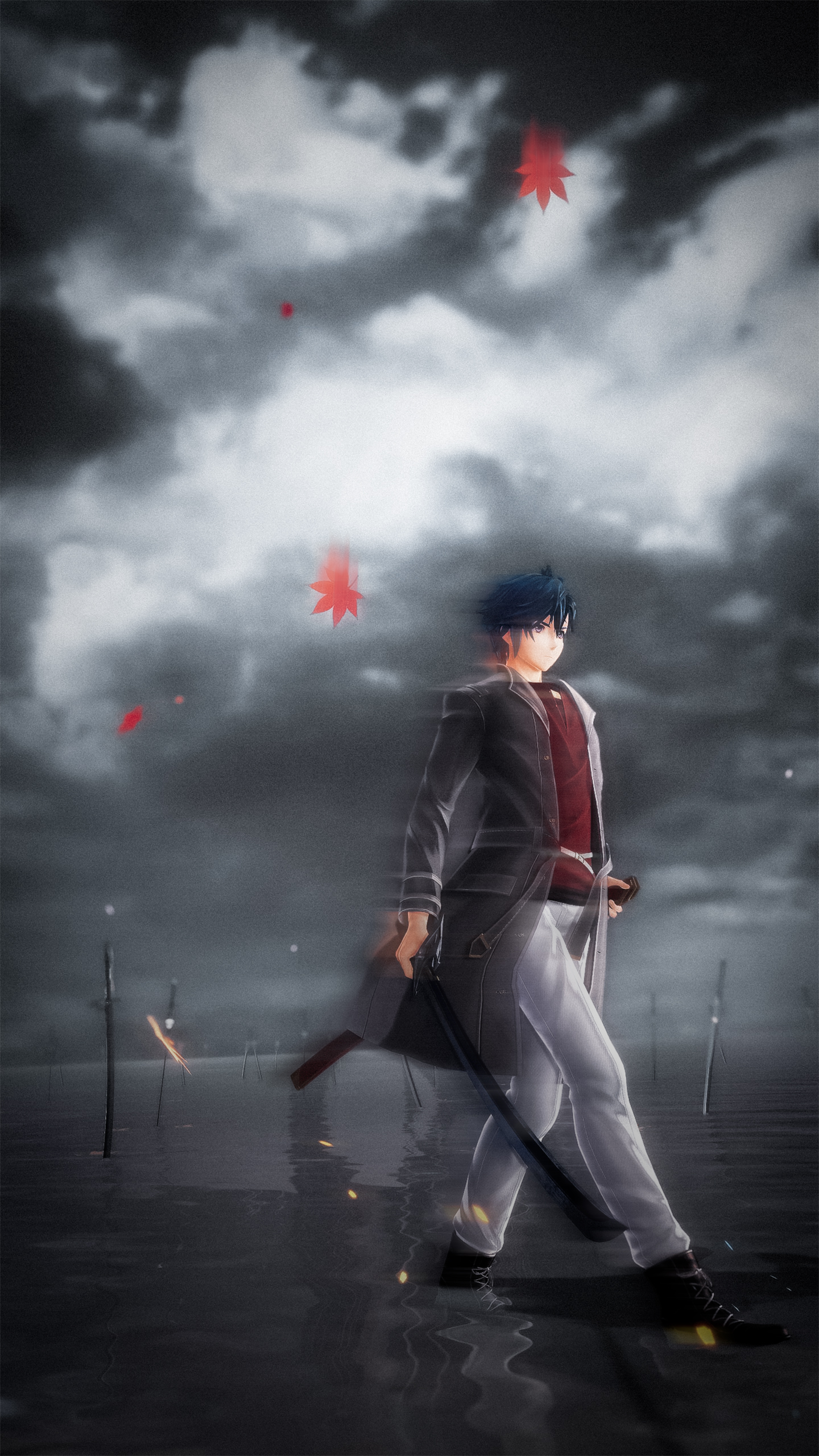
So where does that leave us? Trails Beyond the Horizon is a game for the faithful. It’s a game that rewards your patience with moments of brilliance—a combat system that sings, a world that breathes, and a story that finally dares to ask the big questions. But it’s also a game that tests that patience, padding itself with slow stretches, weak character arcs, and an ending that feels like a promise rather than a payoff. If you’ve come this far, you know what you’re in for. You’ll buy it, you’ll play it, and you’ll curse the writers while eagerly awaiting the sequel. That’s the Trails way.
For everyone else? Go play Trails in the Sky. Come back when you’ve earned the right to be this frustrated.
6.5/10