The Legend of Khiimori: A Horse of a Different Color, Still in the Stable
I’ve been playing video games since the days when a “save game” meant writing down a password on a napkin. I’ve seen genres rise and fall, and I’ve watched a thousand promising early access titles gallop off into the sunset, never to be seen again. So when I saddled up for The Legend of Khiimori, I did so with the weary skepticism of a man who’s been burned by too many “potential” games. And you know what? I’m still on the fence. But I’m leaning.
Let’s start with what works, because when this game hits its stride, it’s something genuinely special. The premise is simple: you’re a courier in 13th-century Mongolia, and your job is to deliver packages across a vast, untamed landscape on horseback. That’s it. No world-ending calamity, no evil empire to topple. Just you, your horse, and the open steppe. It’s a breath of fresh air in an industry obsessed with explosions and moral choices. The journey is the game, and that’s a rare and commendable design philosophy.
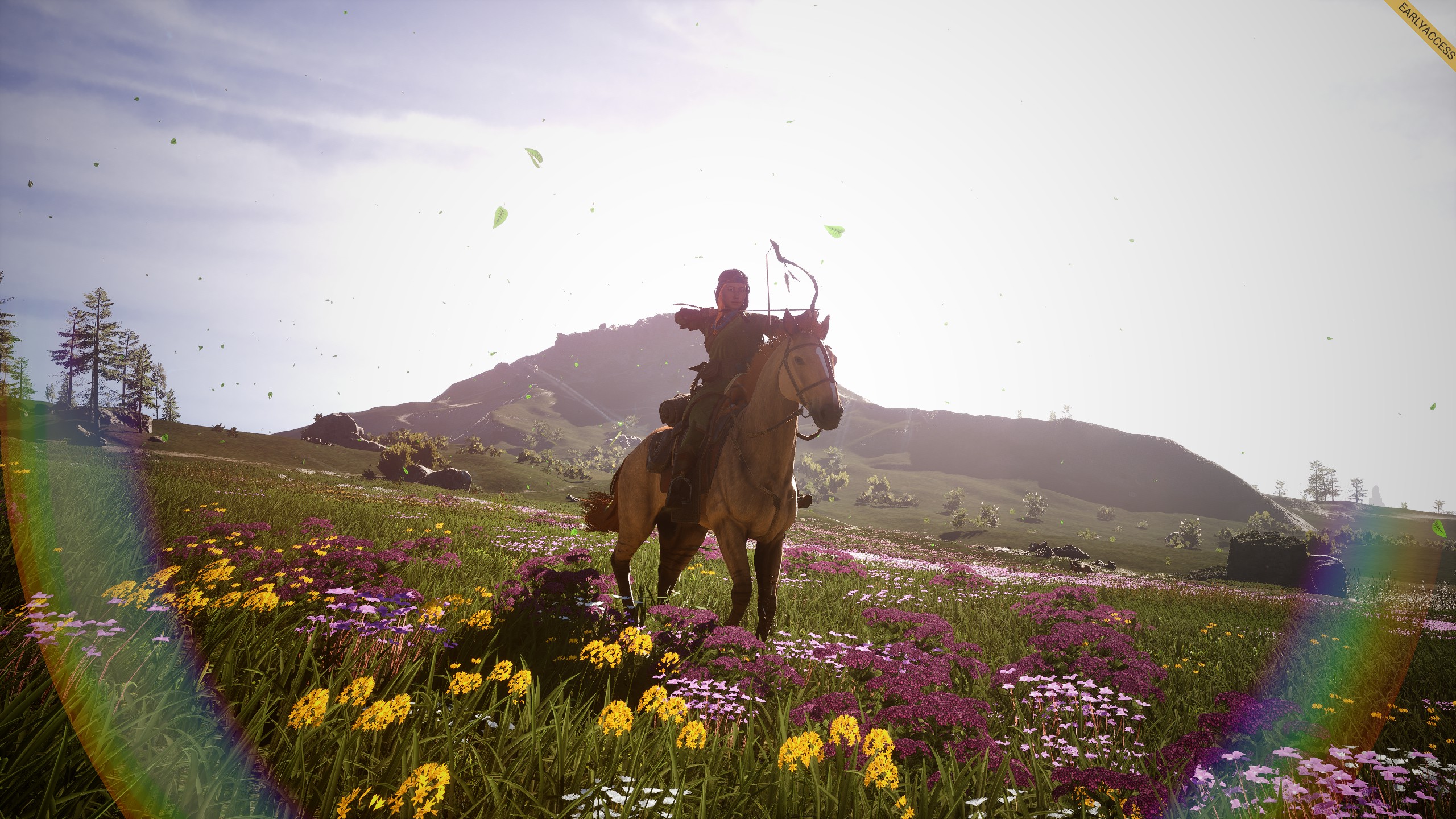
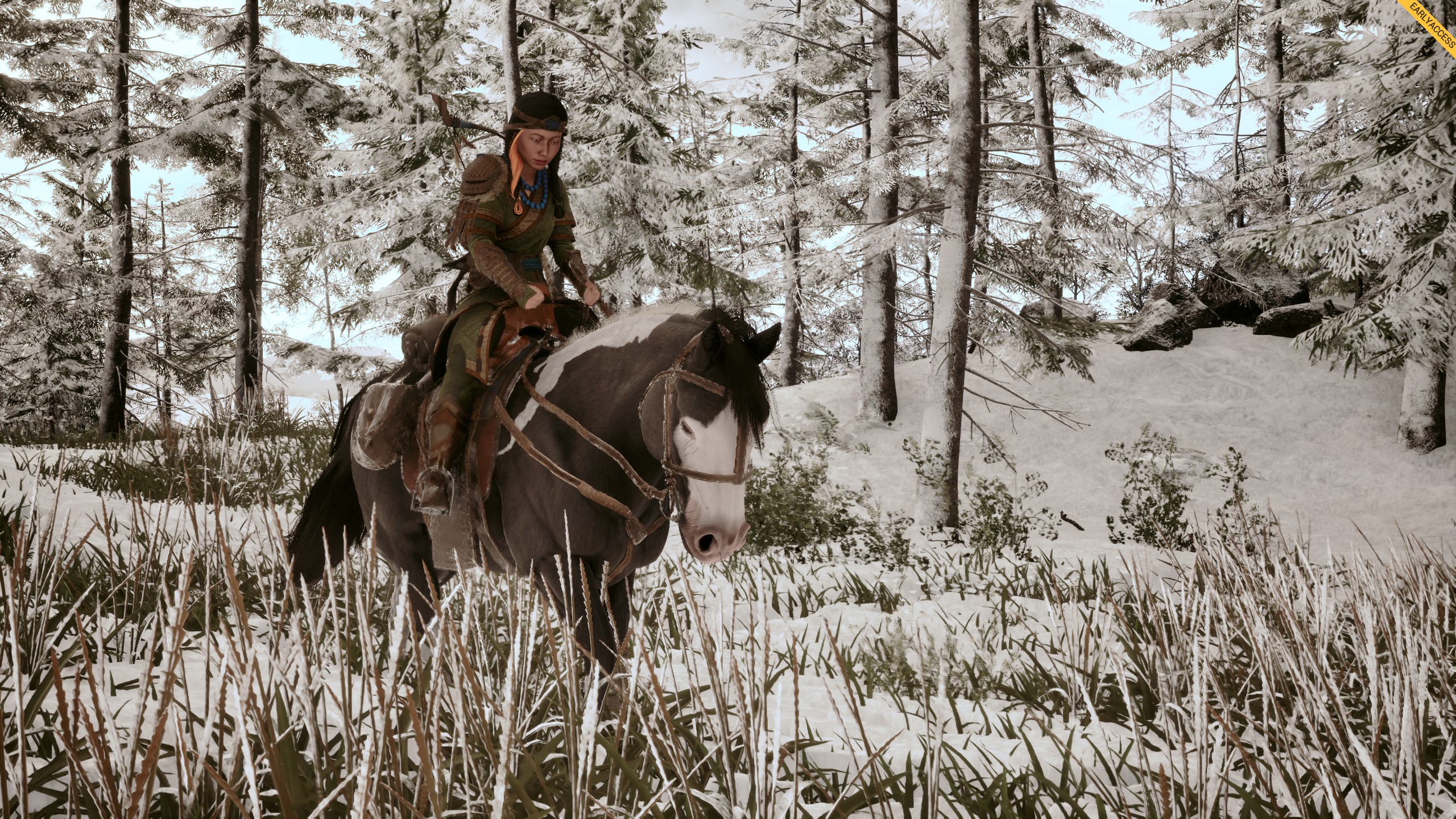
The horses, bless their digital hearts, are the stars of the show. The developers have clearly done their homework. The animations are fluid and natural—watch your mount scratch its neck with a hind leg, or stumble on a loose rock, and you’ll see what I mean. The saddle shifts when you mount. The horse’s ears swivel with its mood. The breeding system uses real genetics, with dominant and recessive genes influencing coat color and traits. You can spend hours just experimenting with pairings, trying to get that perfect palomino or a foal with cold resistance. It’s the most satisfying horse management I’ve seen since… well, ever. The four breeds—Mongolian, Akhal-Teke, Ferghana, and Limousin—all feel distinct, and the coat variety is impressive, even if the darker colors look a bit dusty.
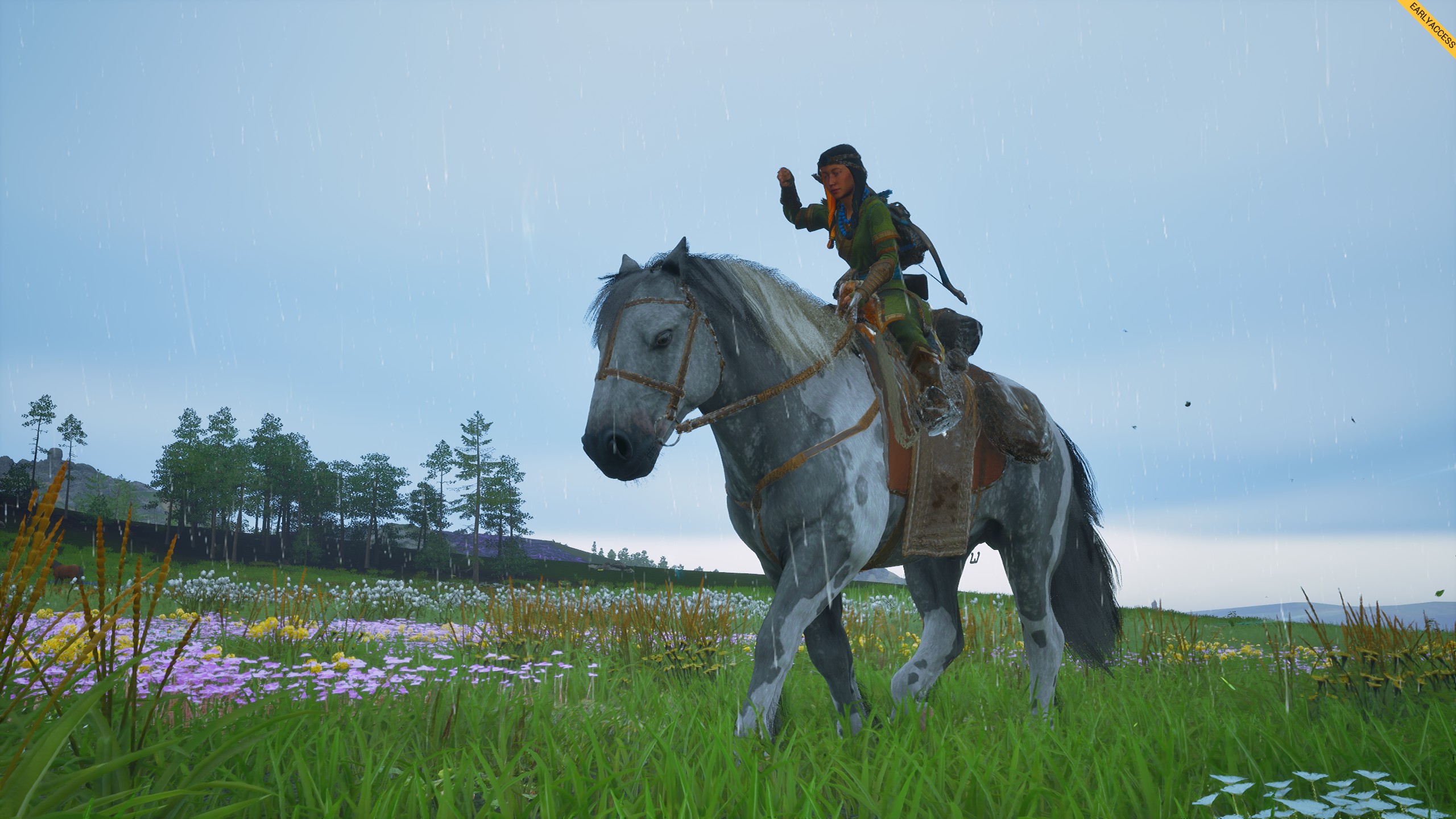
The world itself is a character. The map is enormous, diverse, and thoughtfully designed. You’ll ride through sun-baked deserts, snow-choked mountain passes, lush river valleys, and wind-scoured steppes. The dynamic weather can turn a pleasant ride into a white-knuckle survival trek in minutes. The Mongolian-influenced soundtrack is beautiful, and the native voice acting adds a layer of authenticity that the English track sorely lacks. The developers have consulted with cultural advisors, and it shows. This isn’t a cheap cash-in on a fascinating culture; it’s a genuine attempt to build a game around it.
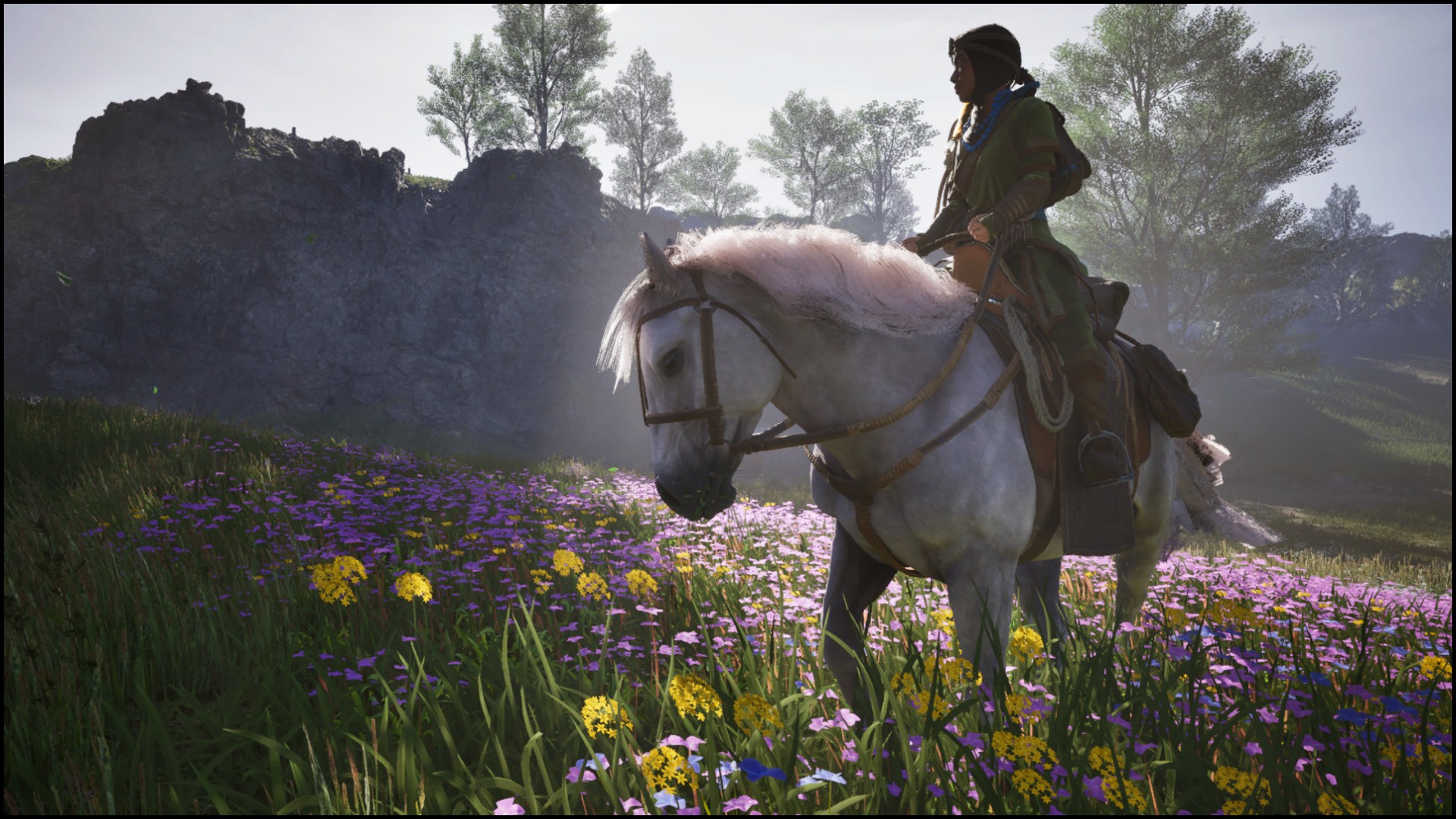
The core gameplay loop—pick up a package, plan your route, manage your horse’s stamina, temperature, and mood, deal with weather and wildlife, and deliver the goods—is surprisingly compelling. It gives me strong Death Stranding vibes, but with a horse instead of a baby in a jar. You have to balance your saddlebags, because an uneven load can cause your horse to trip. Different cargo types have different requirements: fragile items can’t be jostled, water-sensitive ones can’t get wet, and pristine items must stay clean. It forces you to think ahead, to choose your path wisely, and to respect your mount’s limits. When you finally reach your destination after a harrowing journey through a blizzard, the satisfaction is real.
But—and you knew there was a “but”—this is an early access game, and it wears that label like a hair shirt. The rough edges are numerous and, in some cases, sharp enough to draw blood.
Let’s talk about performance. I run a reasonably modern rig, and this game makes it sound like a jet engine preparing for takeoff. The optimization is poor, with significant frame drops during thunderstorms and in certain zones. The snowy mountain, in particular, is a performance nightmare. Blizzards reduce visibility to zero, your horse freezes to death in seconds if you lack cold resistance, and the map design is a labyrinth of dead ends and cliffs. I’ve read better level design on a bar napkin. It’s frankly frustrating, and it’s the number one reason I’d hesitate to recommend the game to anyone without a high-end PC.
Then there’s the UI. It’s cluttered, unintuitive, and at times just plain ugly. The item icons look like they were pulled from a mobile game from 2012. There’s no mission tracker or journal, so you have to remember all your active quests yourself. The map is difficult to navigate, with no clear markers for points of interest. Placing waypoints is a chore. The inventory system is a mess, with poor stacking and no sorting options. And the lack of any fast travel—even just between major settlements—feels like a deliberate choice to pad playtime rather than a design decision. I’ve got 75 hours in Baldur’s Gate II, and I never once wished for a fast travel button, because the journey was its own reward. Here, after the tenth trip across the map for a pittance of gold, I started to wonder if the developers actually play their own game.
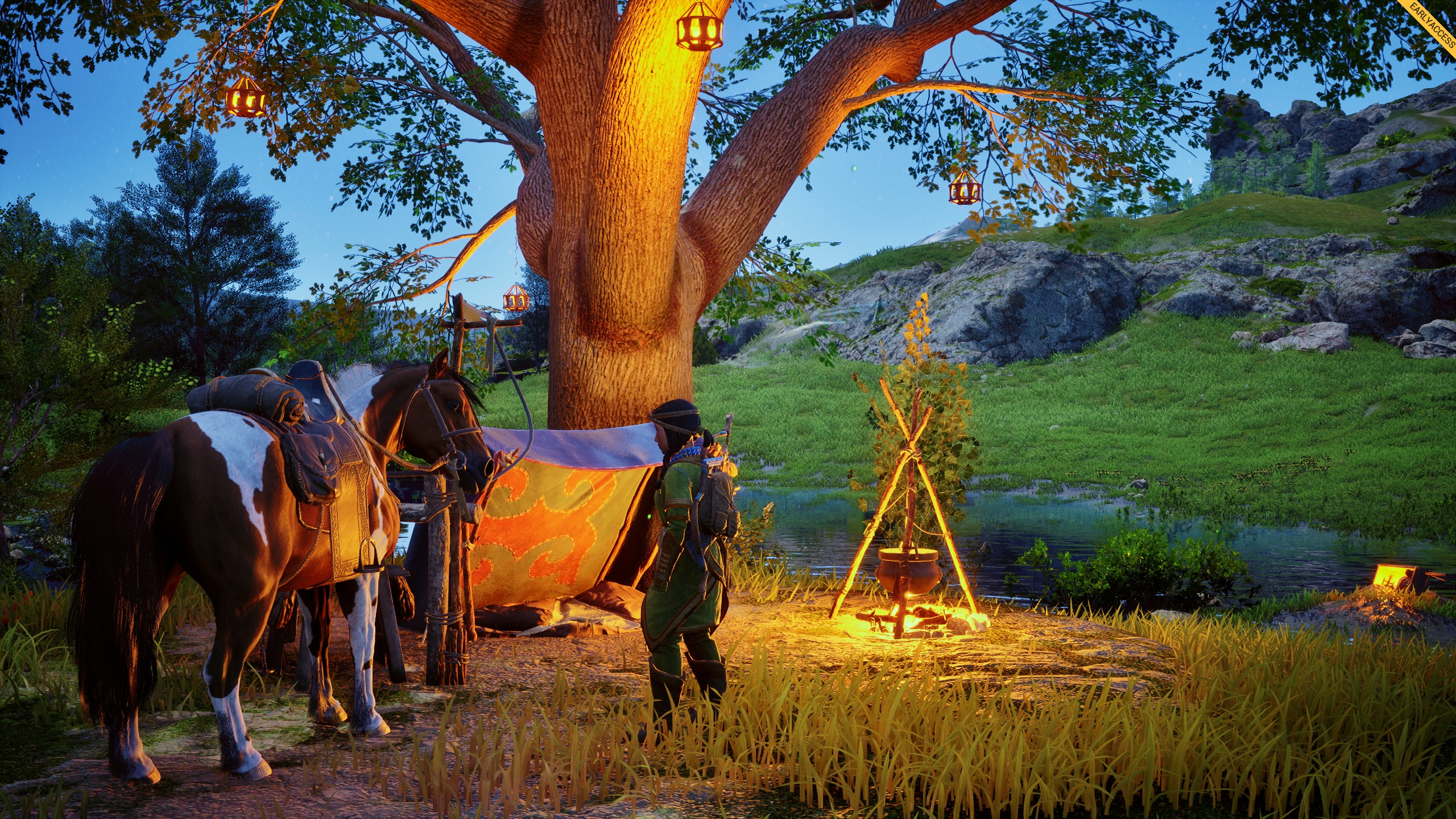
Bugs are plentiful. Horses clip through rocks, teleport up cliffs, and sometimes just refuse to respond to commands. The bow is terrible. The combat is a joke. Some quests are literally impossible to complete—try delivering a water-sensitive package to a settlement you can only reach by swimming. The voice acting is inconsistent, with some NPCs having lines and others just staring at you in silence. Achievements are bugged. The save system is weirdly convoluted (you have to shoot a gong to manually save). Every patch seems to fix one thing and break two others. It’s the kind of rough-around-the-edges experience that makes you sigh and think, “Back in my day, a game shipped complete.”
The economic balance is also off. You earn a pittance for deliveries, while good horses cost a fortune. Gathering resources is a tedious grind. The training system is deeply uneven—some stats can be cheesed in seconds, while endurance takes forever. The “bonding” with your horse is minimal compared to something like Red Dead Redemption 2. The map, while beautiful, can feel empty, with little wildlife or NPC activity to break up the monotony. Exploration is rewarded with more map, but not much else.
And yet. And yet, I keep coming back. There’s something about the core loop that hooks you. The breeding, in particular, is addictive. I’ve spent hours just trying to get a horse with the perfect coat and a balanced set of traits. The developers are active in the community, listening to feedback and pushing out updates. They genuinely seem to care. The foundation is solid. The vision is clear.
So where does that leave us? The Legend of Khiimori is a game of immense potential, held back by its early access state. If you are the target audience—a patient player who loves horses, exploration, and a chill, atmospheric experience—you will find a lot to love here. You’ll overlook the bugs and the rough edges because the heart of the game is so strong. But if you’re looking for a polished, complete experience, or if you’re easily frustrated by jank and missing features, wait. Wait for full release. Wait for a sale. This one has a long road ahead.
I’ll be keeping an eye on it. I want it to succeed. Because when it works, it’s something I never knew I needed: a peaceful, thoughtful game about the bond between a rider and their horse, set in a world that feels vast and real. That’s worth rooting for. But for now, it’s a recommendation with a fistful of caveats. Buy it for the promise, but don’t expect the finished product.