The Weeping Swan: A Tragedy That Drowns Itself
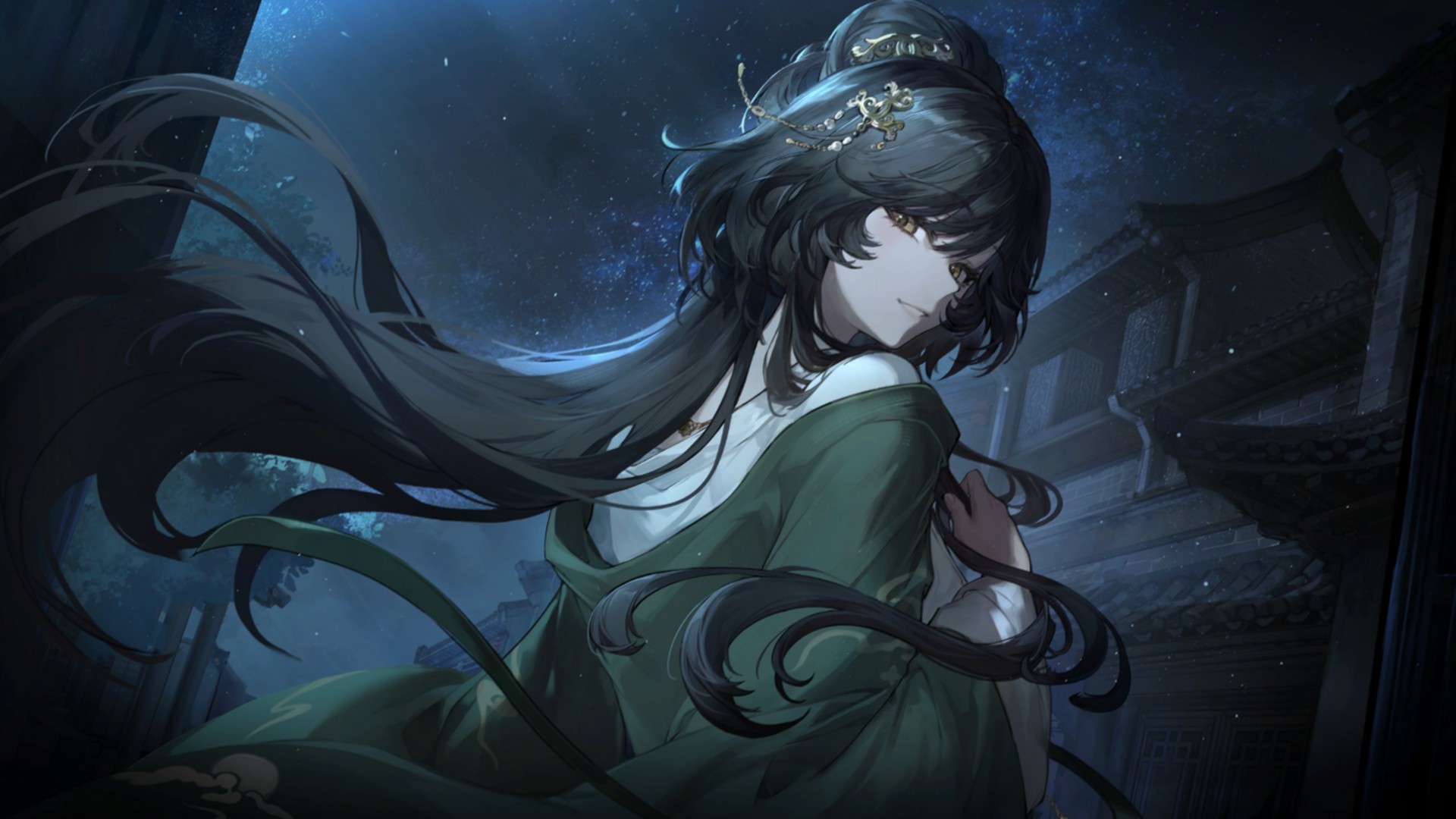
I’ve been playing visual novels since the days when you had to swap floppy disks to see the next chapter. I’ve read tragedies that left me hollow for weeks—works like Chrono Trigger’s side quests or the slow burn of Baldur’s Gate II’s romances. But The Weeping Swan from Zerocreation Games isn’t a tragedy; it’s a punishment. It’s the story of a man so consumed by grief for one lost love that he neglects another who sacrifices everything for him, and the game itself seems to relish in that neglect. This is not a cathartic weep; it’s a slow, frustrating death of hope.
Let’s start with what works. The art is stunning—hand-painted oil textures blended with a refined anime style that evokes the late Ming Dynasty beautifully. The soundtrack is excellent, with traditional Chinese instruments weaving a melancholic atmosphere that truly sells the siege of Yangzhou. The voice acting, fully voiced in Chinese and Japanese, is top-notch. I’ll give credit where it’s due: the production values are high. The protagonist, Fang Zhiyou, is voiced, which is a nice touch. The music and art alone almost made me forgive the rest. Almost.
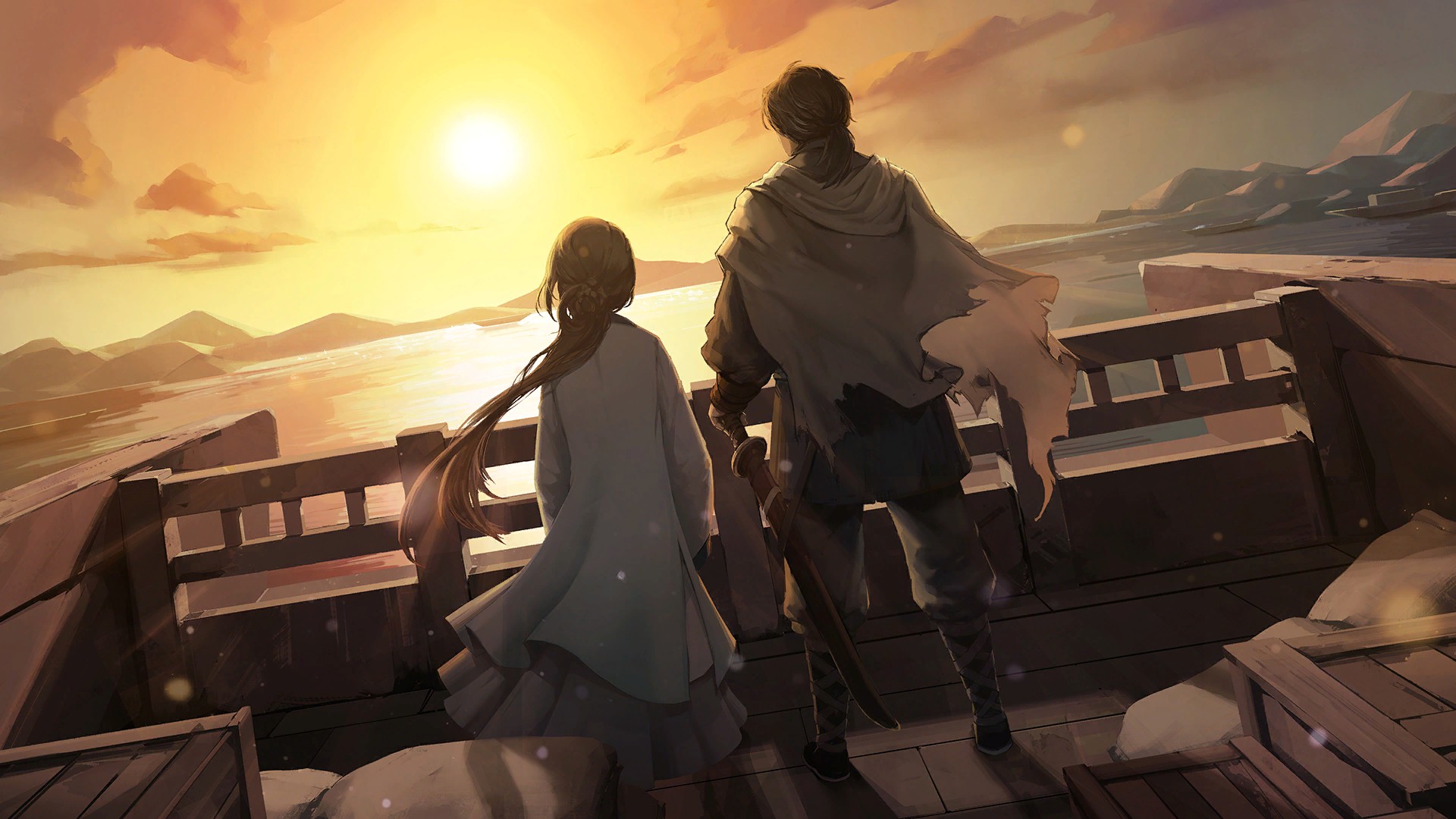
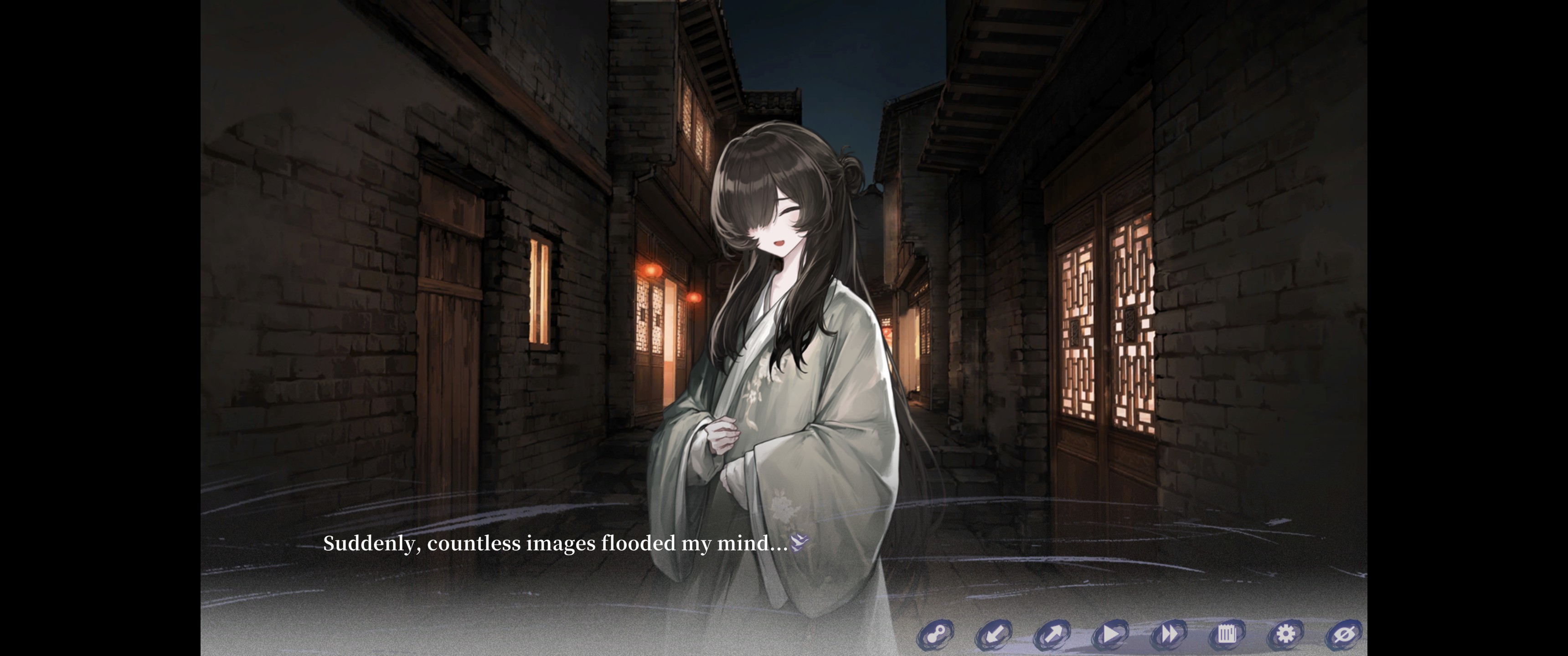
But here’s where the wheels come off. And I mean they come off, roll down a hill, and into a river. The English localization is an absolute disaster. I’ve seen better translations from fan patches for 1990s RPGs. Duplicated lines, untranslated Chinese text, and the crowning achievement: one of the true endings is literally half in Chinese. For a narrative-heavy visual novel with 450,000 words, this is unacceptable. Back in my day, a game shipped complete. You paid your money, you got a finished product. This feels like an early access release masquerading as a full game. The flowchart—a basic navigation tool—is barely translated. It’s embarrassing for the developer and insulting to anyone who paid for this.
Now, the story. The premise is promising: a scholar, Fang Zhiyou, loses his courtesan love Su Lianyan to suicide, goes mad, and years later finds himself trapped in his own dark fantasy world during the Yangzhou Massacre. He meets a feral girl who looks like his lost love, and must survive ten days of demonic slaughter while recovering his memories. The first few chapters nail the atmosphere of dread. You feel the desperation, the chaos, the hopelessness of a city under siege. But then the narrative starts to stumble, and it never recovers.
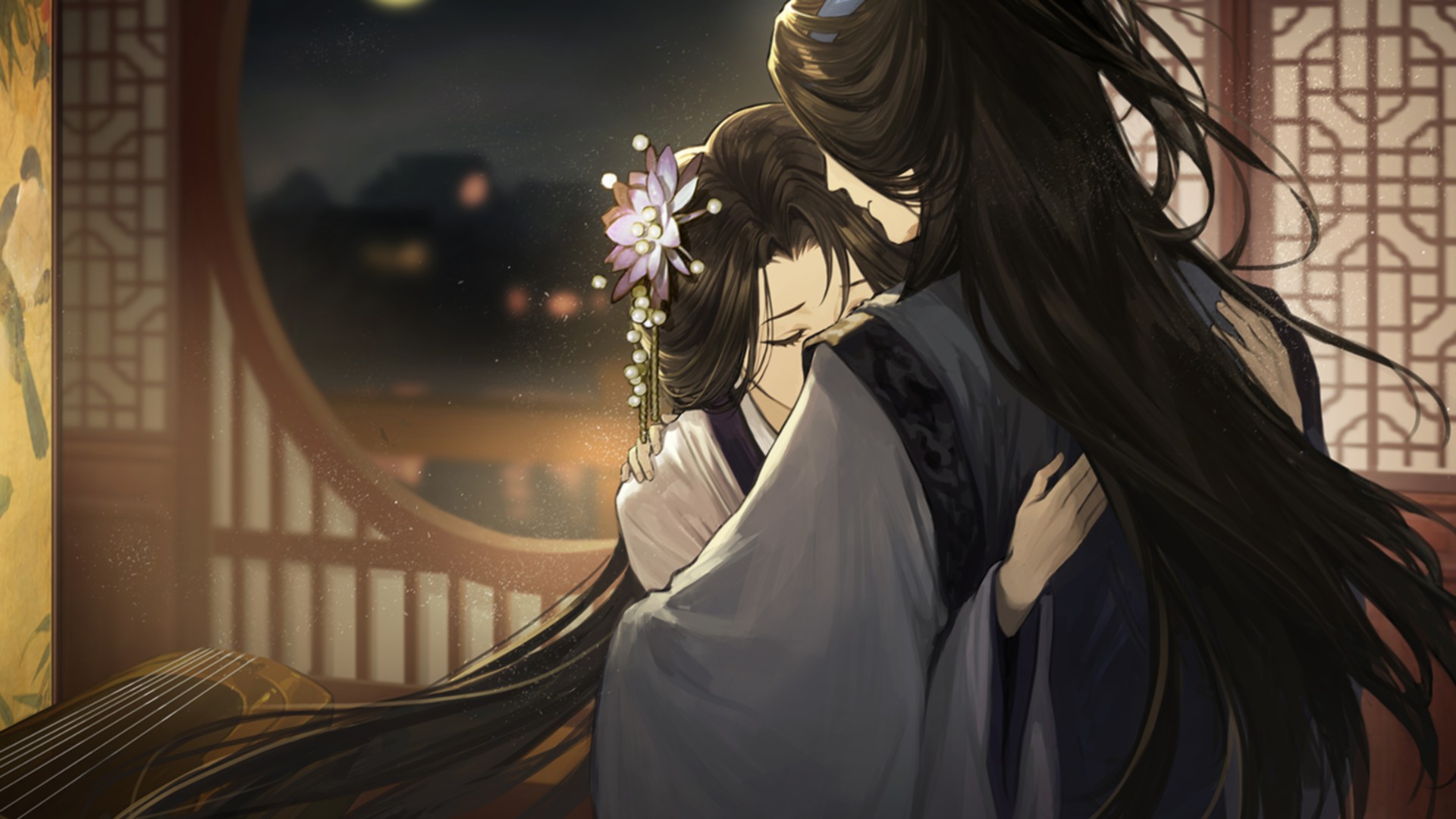
The main problem is Fang Zhiyou himself. He is not a tragic hero; he is a bafflingly obtuse man who spends the entire game ignoring the one person who genuinely cares for him: Lin Pianpian. She is a courtesan who rises from the very bottom to become a top-tier entertainer, all while nursing a quiet, unrequited love for Zhiyou. She nurses him back to health after his breakdown, protects him, and ultimately sacrifices herself by contracting smallpox to assassinate a Tartar commander. And what does Zhiyou do? He barely remembers her. He is so obsessed with the ghost of Su Lianyan that he treats Pianpian as a friend at best, a clue character at worst. The game tries to justify this with “realism,” but it feels less like realism and more like the author holding a grudge against his own creation. Multiple reviewers have noted the intense malice the developer seems to have toward Pianpian. Her “true ending” is a hollow, regret-filled life for Zhiyou, living into his 90s alone, while she died for nothing. The only catharsis comes from the bonus epilogue featuring characters from the prequel The Hungry Lamb, which is better written than the entire main story.
The true endings provide zero catharsis. In one, Zhiyou refuses to let go of Su Lianyan’s ghost and lives with an illusion. In the other, he learns of Pianpian’s sacrifice too late and dies an old man filled with regret. These are not “true ends”; they are bad ends dressed up in fancy clothes. The prequel, The Hungry Lamb, had a tragic ending too, but it was earned. The characters achieved something—revenge, a final moment of honesty. Here, nothing is achieved. Zhiyou learns nothing, grows not at all. He remains the same broken, obsessed man from the beginning. There’s no character development. The plot relies on lazy amnesia that conveniently returns when the plot needs it. The twist? There isn’t one. Everything is telegraphed from the start. The inclusion of characters from the prequel (Master Liang and Sui) feels like fan service that derails the tension. Once Liang appears, the sense of dread evaporates. The game can’t decide if it’s a survival horror, a tragic romance, or a sequel hook.
I’ve read better worldbuilding in a second-hand paperback. The integration of real history is shoehorned in normal endings where Zhiyou meets historical figures for no reason. The second female lead, Lin Pianpian, is the heart of the story—she is strong, resilient, and deeply loving. And the game treats her like dirt. She is constantly reduced to vulgar descriptions, her suffering is lingered on, and her ultimate fate is cruel. Some players defend this as “realism,” but realism doesn’t preclude giving a character a moment of peace. Even Robin Hobb, who writes some of the most brutal fantasy, allows her characters glimmers of hope. The Weeping Swan offers none. It feels like the author is saying, “Look how dark and tragic I can make this! Isn’t it art?” No. It’s misery for misery’s sake.
There are positive aspects buried under the rubble. The romance flashbacks are genuinely warm. The banter between Zhiyou and Su Lianyan in the past is lovely. The voice acting and music are superb. The “if” routes added post-release offer some solace, but they feel like band-aids on a wound that needed stitches. The game is technically playable (no crashes or performance issues), which is more than I can say for some AAA titles, but that’s faint praise.
I wanted to like this game. I adored The Hungry Lamb. But The Weeping Swan is a step backward in every narrative sense. It’s a 450,000-word novel that could have been cut to half that without losing anything important. The pacing is off, the protagonist is infuriating, and the endings are unsatisfying. If you’re a completionist, you’ll spend hours chasing pointless bad endings that offer no new information—just death screens that waste your time. The developer has promised to add new scenarios, but as it stands, this game is a disappointment.
My advice: Go play The Hungry Lamb instead. It’s a complete, polished, emotionally resonant experience. If you must play The Weeping Swan, wait for a deep sale and a patch that actually finishes the translation. And maybe a patch that gives Lin Pianpian the ending she deserves. But don’t hold your breath. In this city of weeping swans, there’s no escape from the flood.
Score: 5/10