Umigari: A Pleasant Catch That Slipped a Little
Chilla’s Art built a reputation on eerie, often terrifying Japanese horror games. So when I heard they were making a fishing game, I raised an eyebrow. Then I heard it was a fishing game set in foggy Japanese waters where the fish get progressively stranger, and I thought, “Well, that’s an interesting hook.” After spending a solid weekend with it, I can tell you: it’s a pleasant surprise. It’s also a frustrating one, and not always for the right reasons.
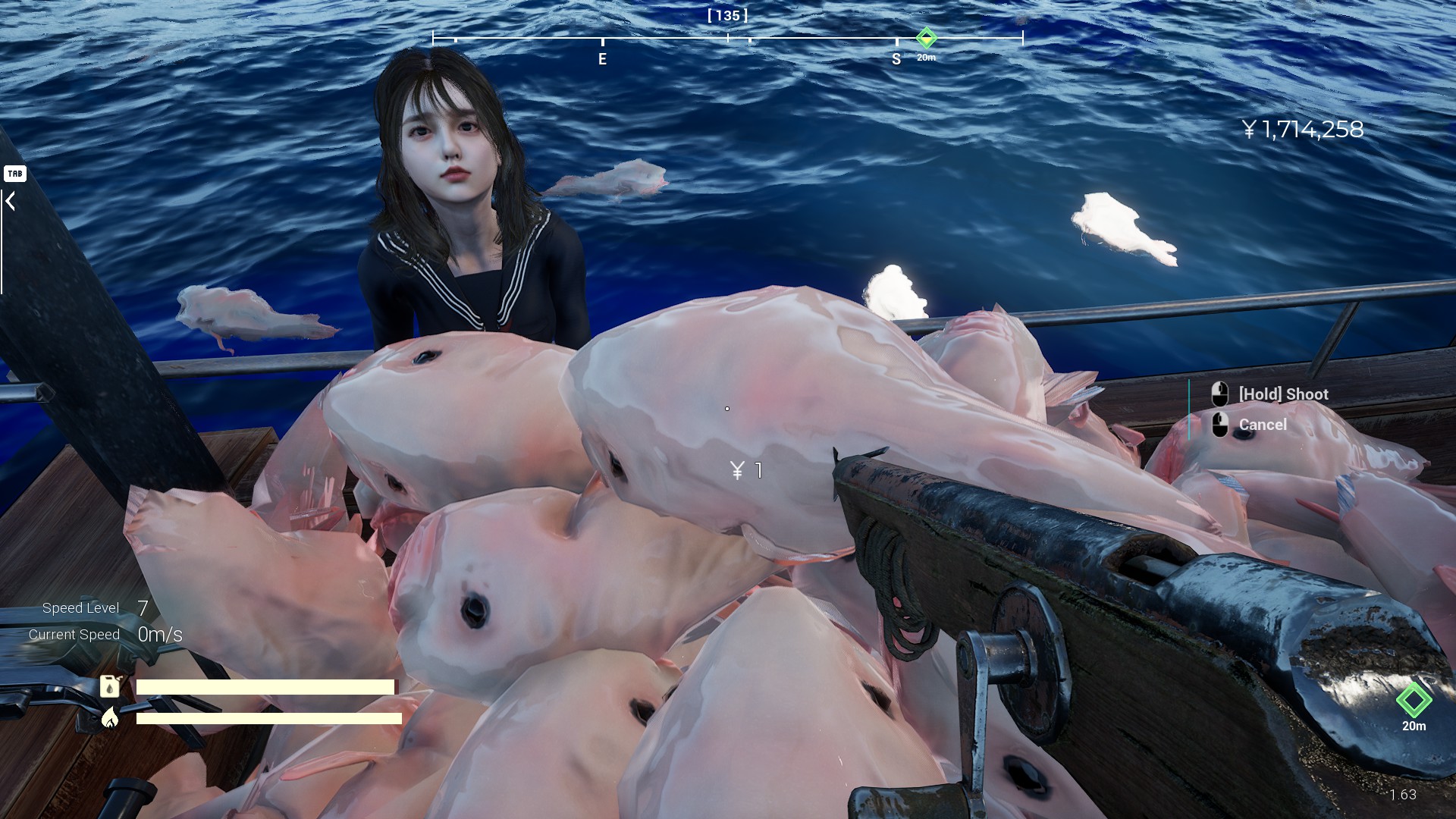
First, the good: the atmosphere is top-notch. You start on a small boat in a thick, grey fog, the water lapping against the hull. The sound design is excellent—the creak of the boat, the distant cry of a gull, the splash of a fish breaking the surface. It’s quiet, lonely, and deeply unsettling in a way that doesn’t shout at you. This isn’t a game that jumps out from behind a rock; it’s a game that slowly makes you feel like you’re not welcome. I’ve always said the best horror is the kind that gets under your skin, and Umigari does that with restraint. You’re alone, the world is empty, and the fog hides everything. It’s the kind of vibe that made me appreciate my own living room a little more.
The core gameplay loop is surprisingly addictive. You harpoon fish—a satisfying, skill-based act of timing and aim—sell them at a dock, and use the cash to upgrade your boat’s speed, fuel capacity, and gear. It’s simple, but it works. Every upgrade lets you venture a little farther into the mist, unlocking new areas with new, weirder fish. There’s a genuine sense of progression here, and I found myself saying “just one more trip” more times than I care to admit. The fish themselves start off normal enough, but soon you’re hauling in things with too many eyes, or that seem to be made of something that isn’t quite flesh. The body horror is present, but it’s more goofy than terrifying—think a mutated pufferfish with a human smile, not a Lovecraftian monstrosity. It works for the tone.
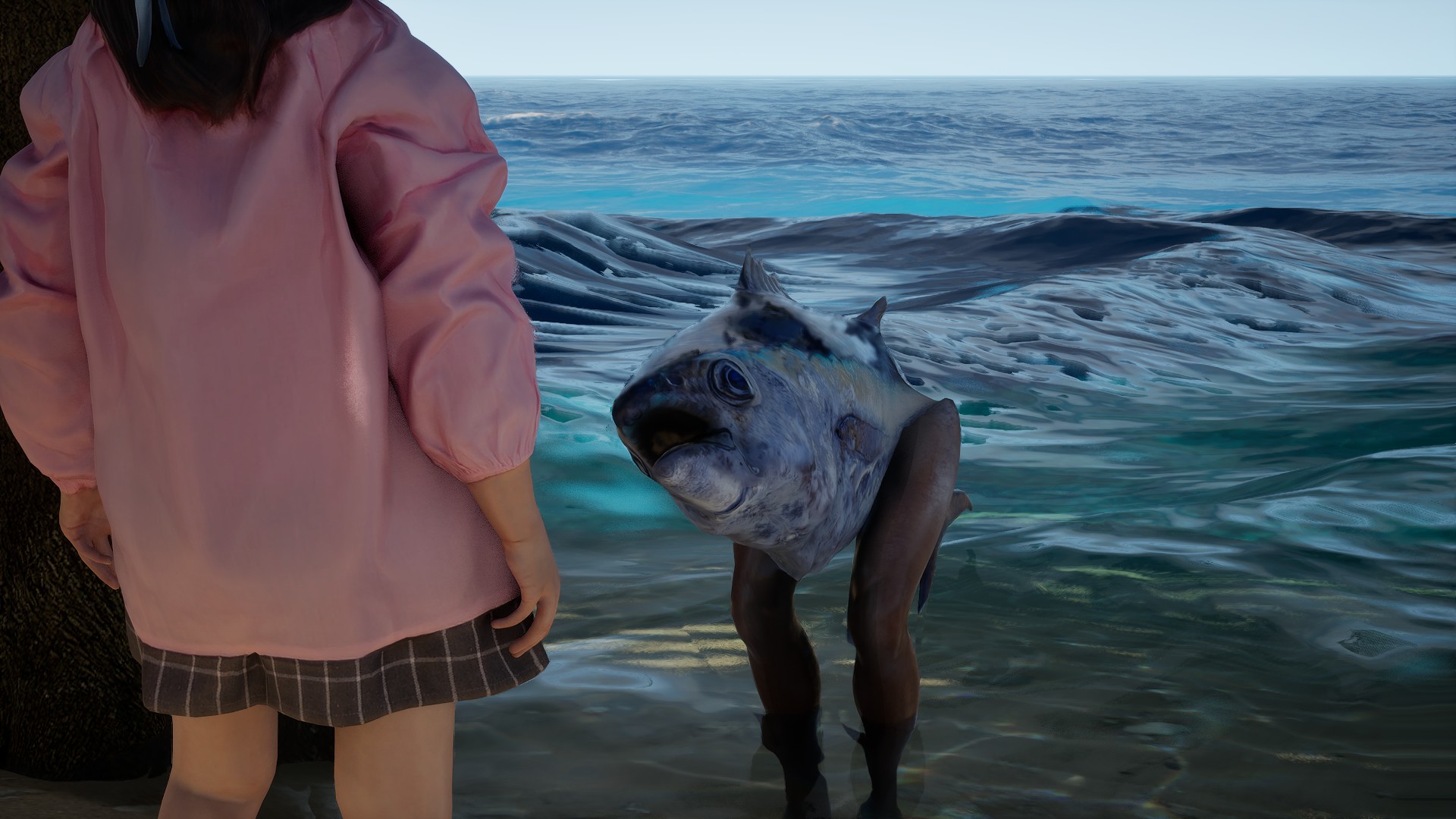
The story, while minimal, is coherent and weird in the best way. You’re not just fishing; you’re uncovering why the fish are changing. There’s lore scattered about, environmental storytelling that feels earned. The game offers two endings, and the “true” one is genuinely bizarre—the kind of ending that makes you sit back, scratch your head, and say, “What did I just watch?” in a good way. I’ve read better worldbuilding in a second-hand paperback, sure, but for a 4-6 hour experience, it’s more than enough. It kept me curious, and that’s half the battle.
Now, for the grumbling. Because I’m old, and I grumble.
This game runs on Unreal Engine 5, and my PC sounded like a jet engine the entire time. I’ve played Helldivers 2, I’ve played Monster Hunter Wilds—this was worse. The fans were screaming, the temps were climbing, and I was nervously checking my hardware like a father checking on a sick child. I suspect the water effects are the culprit. The game looks fine, nothing spectacular, but it chugs. If you’re on a mid-range rig, prepare for some noise. Back in my day, a game shipped optimized, not with a “we’ll patch it later” promise.
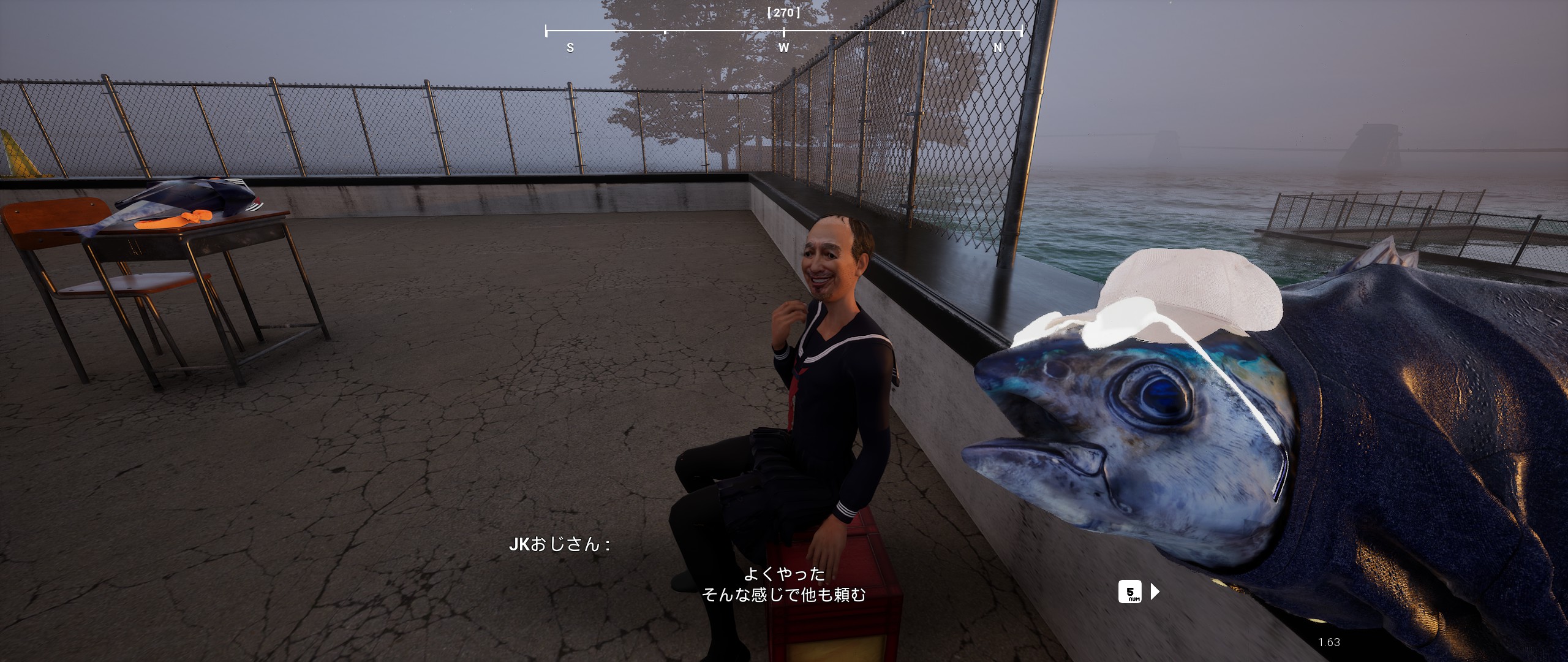
And then there are the physics. Oh, the physics. When you harpoon a fish, you have to store it on your boat. But the fish are ragdolls—they’re not anchored down. Drive too fast, and your prized catch goes flying off into the fog at Mach 10, never to be seen again. The game even warns you about this, and it’s not a bug, it’s physics, but it’s annoying physics. I lost a whole batch of flying stingrays because I was trying to outrun the sunset. It’s frustrating, and it feels like an oversight.
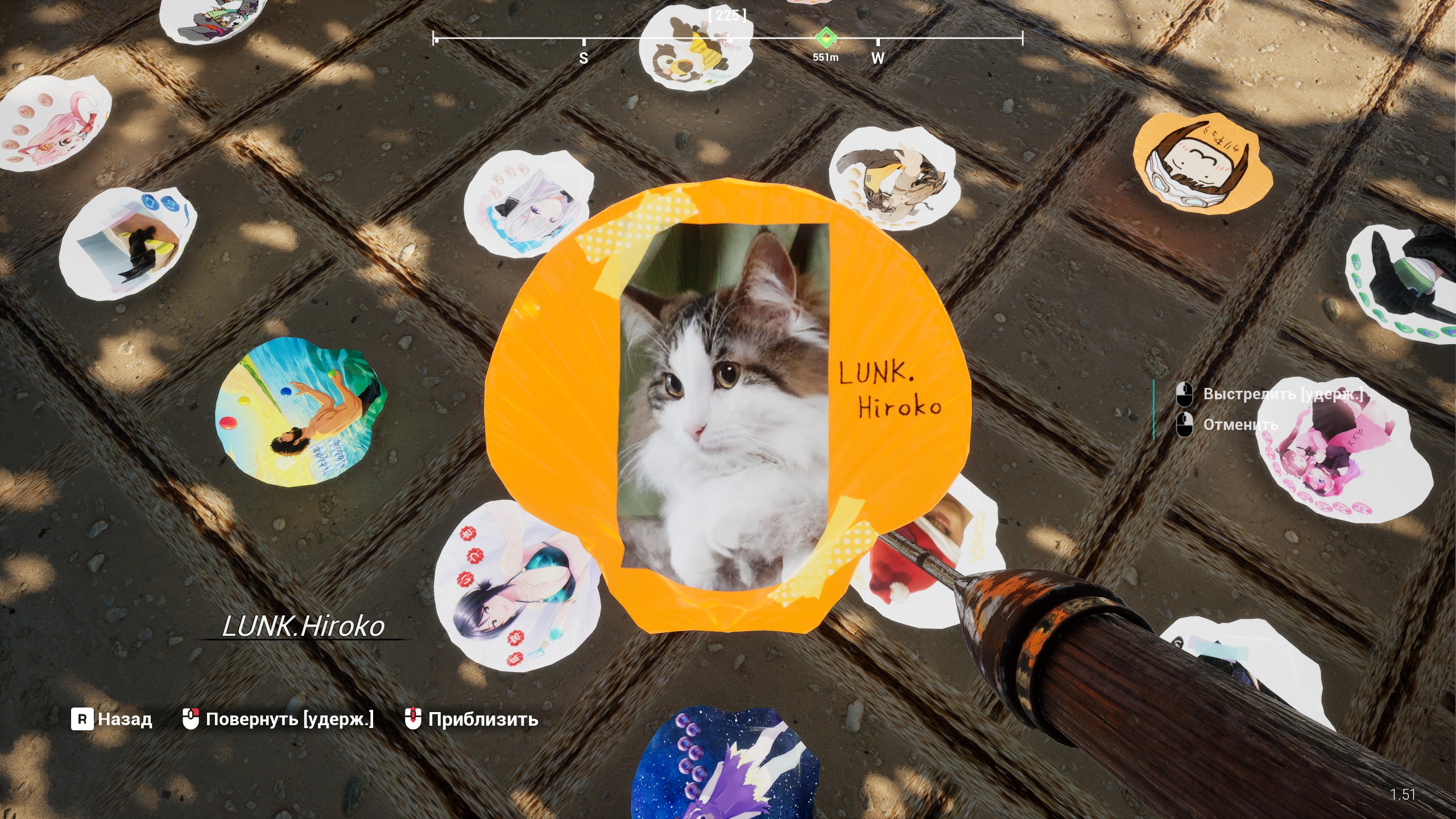
The final area is a bit of a letdown. The game introduces gimmicky fish that require chase sequences—like a swordfish you have to boost after. But the harpoon can clip through the boat’s cabin, making it a pain to aim. It’s not broken, just clunky. And the exploration, while fun, is mostly linear. There are hidden seashells for the truly dedicated, but unless you’re achievement hunting, you won’t miss much. The game is short—about 6 hours for a full run—and that’s actually a strength. It doesn’t overstay its welcome. But the last act feels rushed, like they ran out of time and just threw a few tricky fish at you.
Still, I enjoyed my time with Umigari. It’s a weird, charming, and occasionally frustrating experience that knows exactly what it is. It’s not a hardcore horror game, and it’s not a deep fishing sim. It’s a mood piece with a satisfying loop and a genuinely strange story. If you liked Dredge but wanted something shorter and more Japanese, this is for you. If you’re expecting a polished, optimized masterpiece, you might want to wait for a few more patches.
I’ll give it this: it’s memorable. And in a sea of samey indie games, that counts for a lot.