Yakuza Kiwami 3 & Dark Ties: A Remake That Misses the Point
I’ve been playing these games since the original PS2 Yakuza, back when subtitles were a luxury and Kiryu’s stoic grunts were the height of emotional expression. I’ve defended the series through the jank of 3, the baffling choices of 4, and the slow-burn pacing of 0. I am, by all accounts, the target audience for a Kiwami remake. So it is with a heavy heart and a lukewarm cup of coffee that I tell you: Yakuza Kiwami 3 is less a loving remaster and more a rushed, soulless cover band playing the hits while forgetting the lyrics.
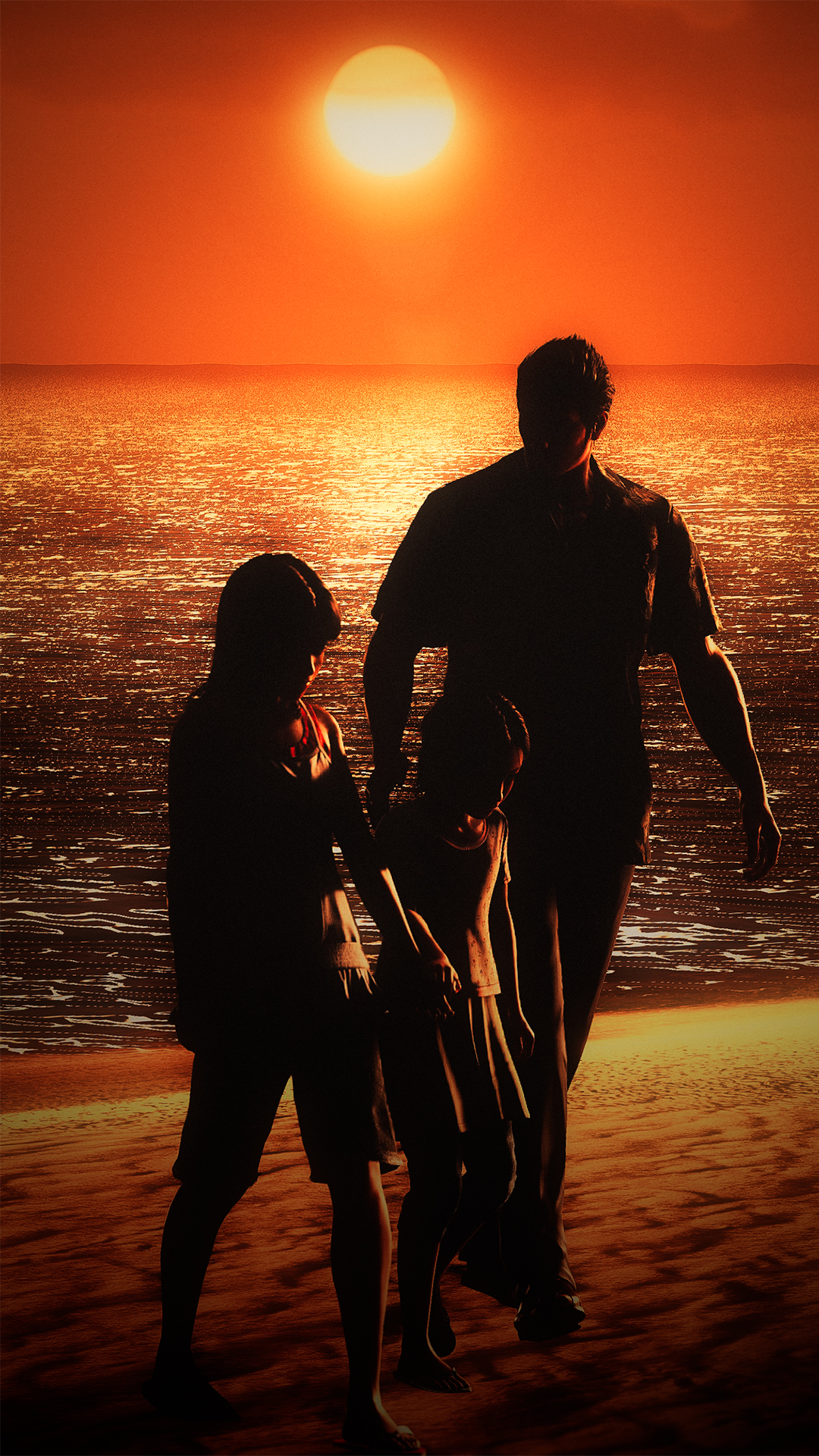
Let’s start with what works, because believe it or not, some things do. The Dragon Engine has never looked better. Okinawa’s beaches shimmer, Kamurocho’s neon gleams, and the character models are crisp enough that you can count the pores on Kiryu’s face. The combat is undeniably smoother than the original’s infamous blocking fiesta. Enemies actually take hits now, and the new Ryukyu style—though gimmicky with its shield-and-spear nonsense—at least offers variety. The Morning Glory side content, where you bond with the orphanage kids, is genuinely charming. It’s the kind of slice-of-life stuff that made the original’s slow moments worth it. The Dark Ties expansion, starring the enigmatic Yoshitaka Mine, is the highlight of the entire package. Mine’s boxing-inspired moveset is fluid, his backstory adds real depth to one of the series’ most underutilized villains, and his relationship with Daigo is handled with genuine pathos. If this were a standalone Gaiden game, I’d be praising it from the rooftops.
But it’s not. It’s a remake of Yakuza 3, and that’s where the whole thing unravels like a cheap suit.
The narrative changes are not just unnecessary—they’re actively damaging. The original Yakuza 3 had a quiet, melancholic ending where Kiryu’s sacrifice felt earned. The new ending? Let’s just say it involves a character surviving a 25-story fall because of a bush. A bush. I’ve read more believable survival stories in a Tolkien footnote. And it doesn’t stop there. Hamazaki’s entire arc is mangled, recast with a controversial actor whose presence overshadows the game, and the ending retcons his role in Yakuza 4 so badly that newcomers will be utterly lost. The Daidoji clan, already a messy plot device in Infinite Wealth, is jammed into the story with all the grace of a sledgehammer. This isn’t a remake; it’s a revisionist history that undermines the emotional core of the original.

Then there’s the content cut. Over 90 substories from the original have been vaporized, leaving just 31. Gone are the Revelations system, the beloved Mack, and even Komaki—a character who’s been a staple since the first game. His replacement is a bland new trainer whose “training” consists of four moves and zero personality. The coliseum has been neutered into a few scripted battles. The Amon fights are a joke. The coliseum, the substories, the atmosphere of Ryukyu—all stripped away to make room for forced side content like the Bad Boy Dragon biker gang, which you must complete to progress the main story. I don’t mind a bit of padding, but this is like being forced to eat your vegetables before you can have dessert, except the vegetables are overcooked and the dessert has been replaced with a glass of tap water.
Performance-wise, the game runs at a stable 60 fps on my machine, which is more than I can say for some recent AAA releases. But even that can’t save the technical issues. The color filter is so aggressively blue that Kamurocho looks like it’s been dipped in a Smurf’s bathwater. Some cutscenes use the original voice acting, others use new recordings, creating a jarring inconsistency. And don’t even get me started on the removed karaoke songs. No “Kamurocho Lullaby.” That’s not a minor omission; it’s a betrayal.
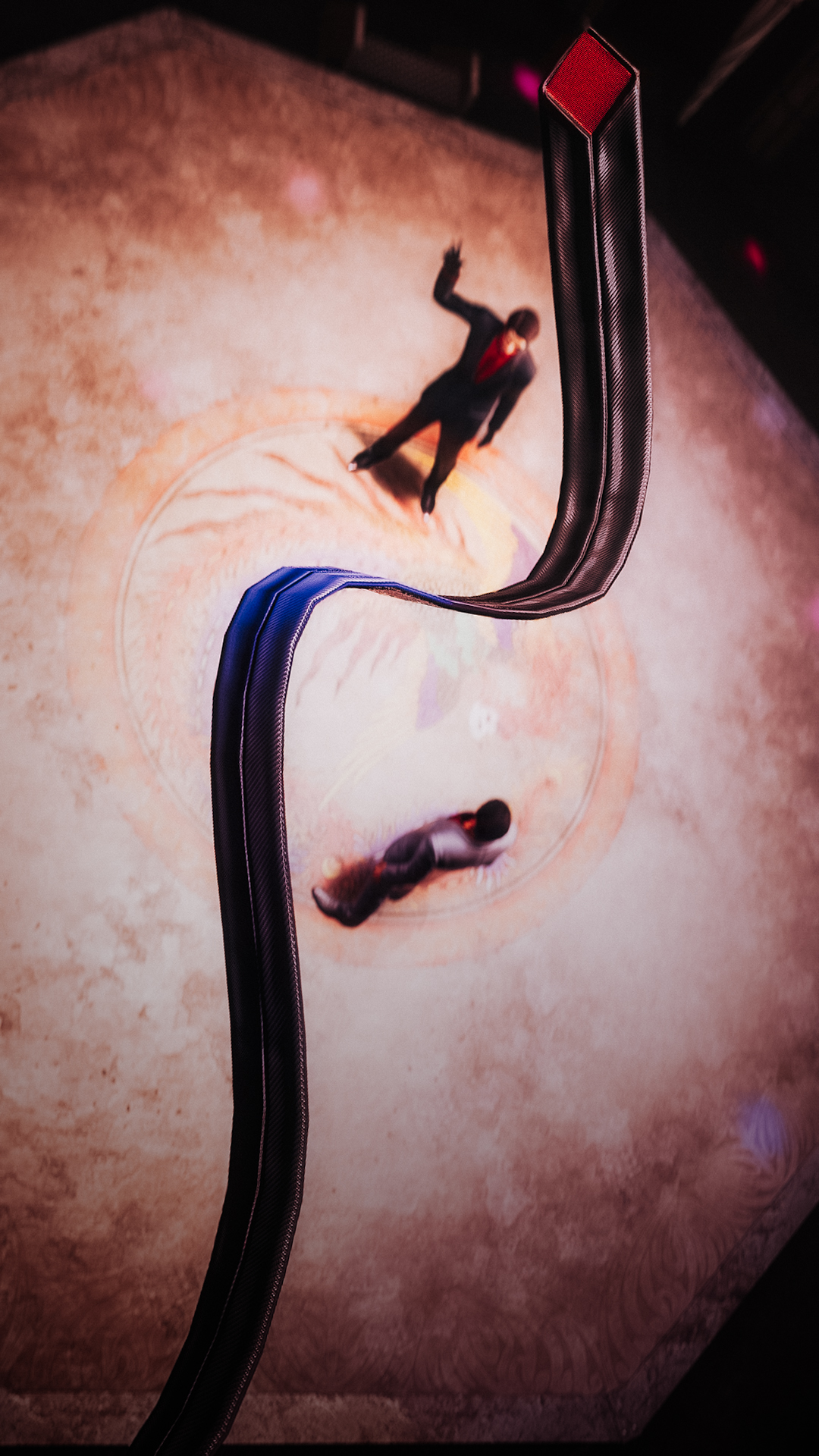
The combat, while improved over the original’s block-fest, has its own problems. The Dragon style feels sluggish compared to earlier Dragon Engine games. Heat actions are severely limited—you’ll be using the same five moves for the entire game. The new EX Heat mode is a gimmick that turns Kiryu into a temporary god, but it doesn’t fix the core issue: combat lacks the weight and impact of even Yakuza 0. Bosses have obnoxious hyper armor and heat auras that make every fight a tedious waiting game. I found myself relying on the same few safe combos just to avoid getting stunlocked into oblivion. It works, but it’s not fun.
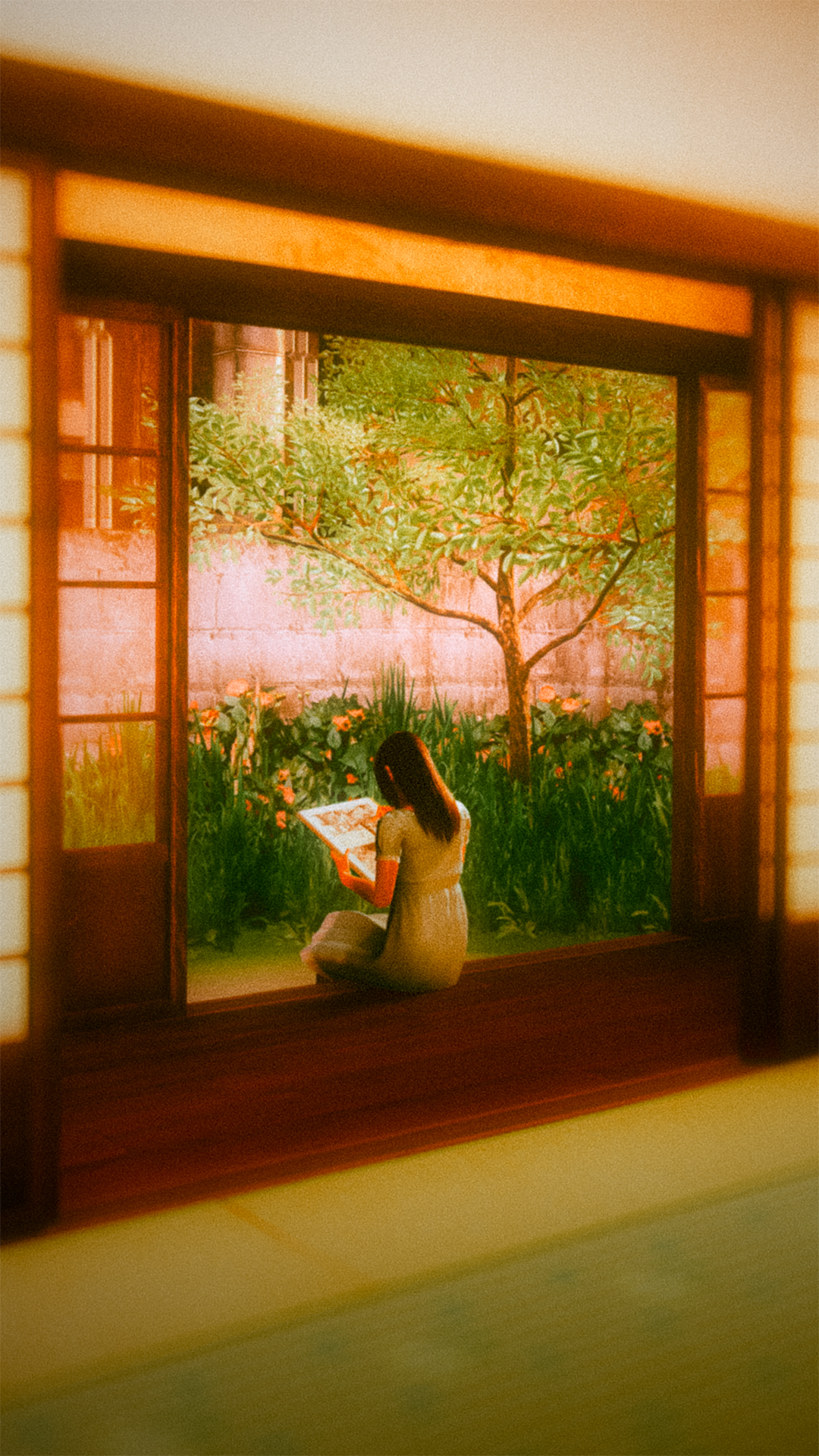
And yet, despite all this, I can’t outright hate the game. The Morning Glory stuff, with its fishing, gardening, and heartwarming kid moments, is the best part of the Kiwami side. Dark Ties is a genuinely excellent mini-campaign that justifies the price tag for series loyalists who want more Mine. The graphics are stunning, and the music—though rearranged—still hits the right notes. For a new player who hasn’t experienced the original Yakuza 3, this might even be an enjoyable entry point. But that’s a big “if,” because the story changes create continuity issues that will confuse anyone trying to play Yakuza 4 afterward. And the removal of so much content means you’re getting a truncated, soulless version of a game that was once praised for its warmth and heart.
Ultimately, Yakuza Kiwami 3 feels like a cash grab. The team at RGG clearly focused their energy on Dark Ties and left the main remake to outsourced studios and deadline pressure. The result is a game that’s technically competent but emotionally hollow—a smugglers’ route through the series’ highlights without the depth that made them memorable. I’ve read better worldbuilding in a second-hand paperback. This runs like a three-legged horse, but at least it doesn’t crash. Back in my day, a remake improved on the original. This one just makes you wish you could play the original instead.
Score: 5/10 – A middling effort saved by Dark Ties and a few genuine moments. Play the original Yakuza 3 Remastered if you can find it, or wait for a deep sale. Your wallet—and your faith in this franchise—will thank you.